
From lava tubes to crater lakes, here's how weird volcanic terrain turns into living habitat.
Lava tubes: the underground neighborhood nobody expects
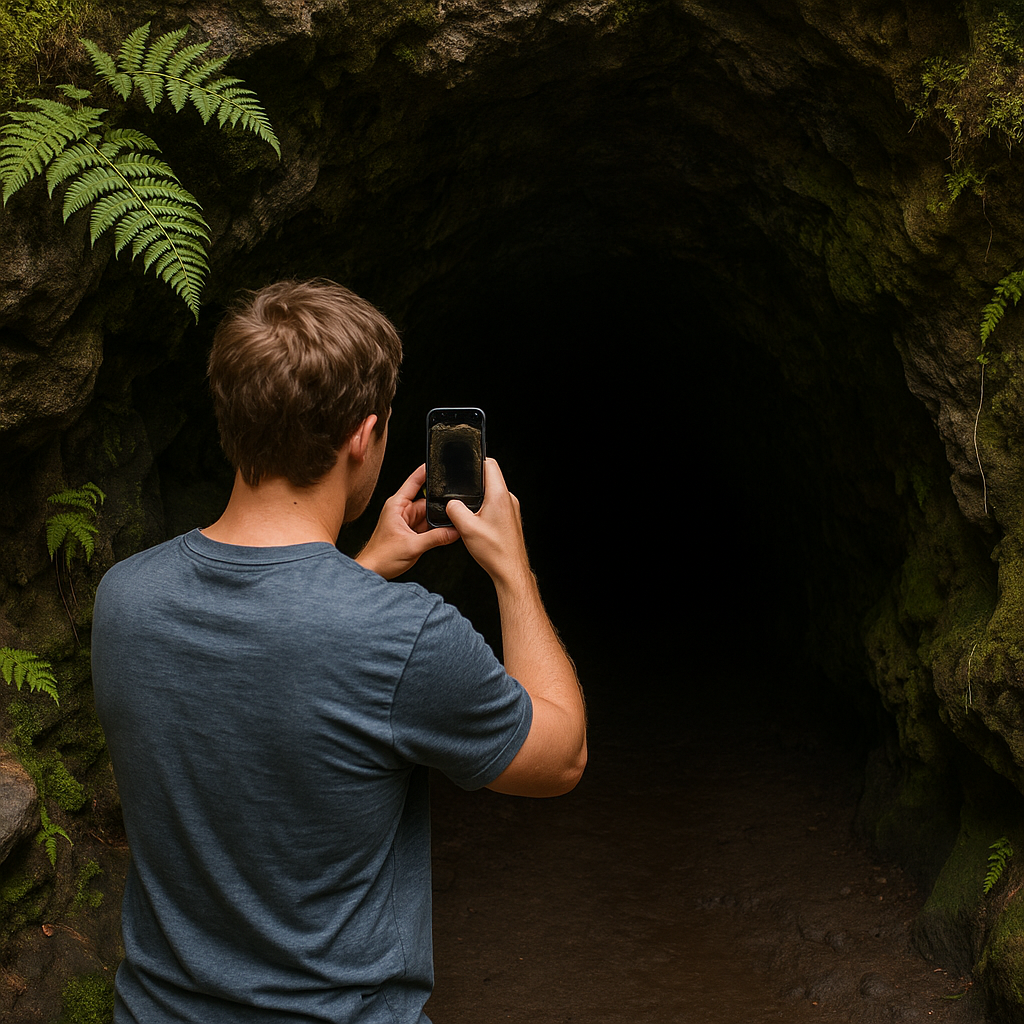
I used to think of lava tubes as a geology flex. You walk into a dark hole, you say the words "roofed-over lava flow" out loud, you take a photo, you leave. Then I started paying attention to what changes the second you step inside: the air turns cool in a way your skin notices, your voice gets swallowed, and the floor goes from crunchy cinders to damp grit like a basement that forgot to dry out. That steadier temperature and extra moisture are exactly why tubes can act like little refuges when the surface around them is sun-baked and windy.
If you want to see the ecosystem part without turning it into a science-fair speech, look for the simple chain reaction. Water drips in through cracks. It carries minerals, dust, and whatever organic bits the wind managed to blow across the lava. Tiny films of microbes take hold on the walls where it stays wet. Then you start seeing the next layer: pale, threadlike roots probing down from above, or little patches of moss near a skylight where a collapse lets in a beam of daylight. The tube doesn't need to be lush to be alive. The point is that volcanic rock makes a sealed, protected space that holds onto moisture better than the surface does.
When I'm in a place like this, I also watch the edges. The tube entrance is often where the most obvious life stacks up: ferns or grasses that can handle the cooler draft, insects that hug the shadow line, and sometimes a bird using the overhang like a porch. It's a reminder that the landform isn't just a cool cave. It's a piece of habitat architecture created by a flow that looked, at the time, like it was wiping the map clean.
Reading a crater lake by its shoreline, not its color
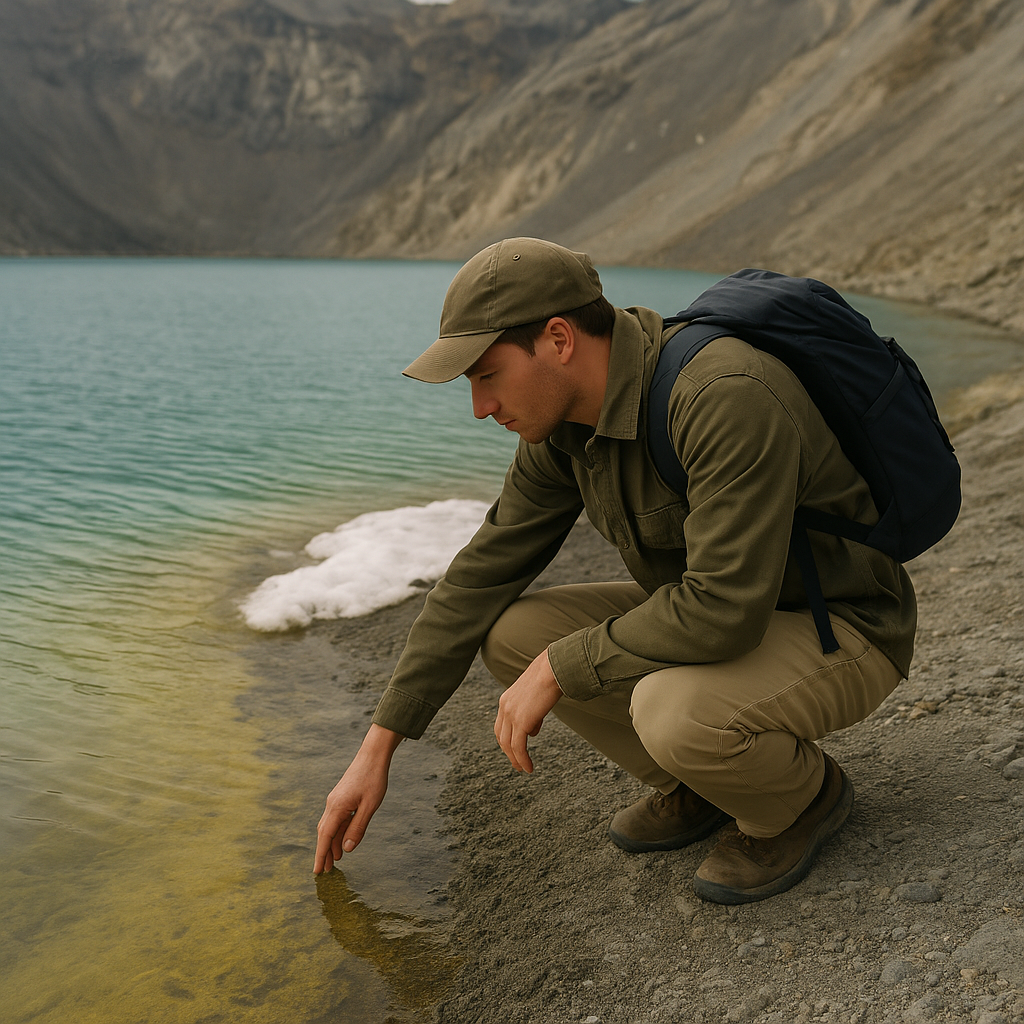
A volcanic crater lake will try to trick you with the obvious thing: color. Some are shockingly blue, some are milky, some look like someone spilled green dye. It's tempting to stop there and make it about aesthetics. The better move is to walk the rim (or at least study photos that show multiple sides) and treat the shoreline as the story. The ecology is usually hiding in the unevenness: the spot where snow lingers later, the notch where runoff sneaks in, the side that gets hammered by afternoon wind, and the protected corner that stays glassy when everything else is riffled.
On one rim walk I did years ago, the "same" lake kept changing every few minutes because the crater itself made its own microclimates. On the windward side, the waterline was almost bare. Waves kept the edge scoured, and it felt sterile even though it wasn't. Then you hit the lee side and suddenly there were mats of algae in the shallows and a busy little strip of insects working the calm water. That difference matters to anything that breeds or feeds at the margin. The lake isn't just water in a bowl. It's a ring of habitats, and the ring is shaped by the crater's geometry.
Volcanic basins can also feed ecosystems in ways that don't show up in a postcard. Minerals leach from fresh rock, and in some systems that chemistry sets the rules for what can live there. You don't need to pretend you can diagnose water chemistry by looking at it, because you can't. But you can notice physical clues that are honest: a rust-stained seep on one section of rim, a sulfur odor that drifts up when the wind shifts, or a place where the shoreline rock is coated with a pale crust. Those are hints that the lake is interacting with the volcanic plumbing below. And when the inputs differ around the rim, the plant and microbial communities often differ too, even if the open water looks uniform from the overlook.
Warm ground, cold air: where fumaroles make their own rules
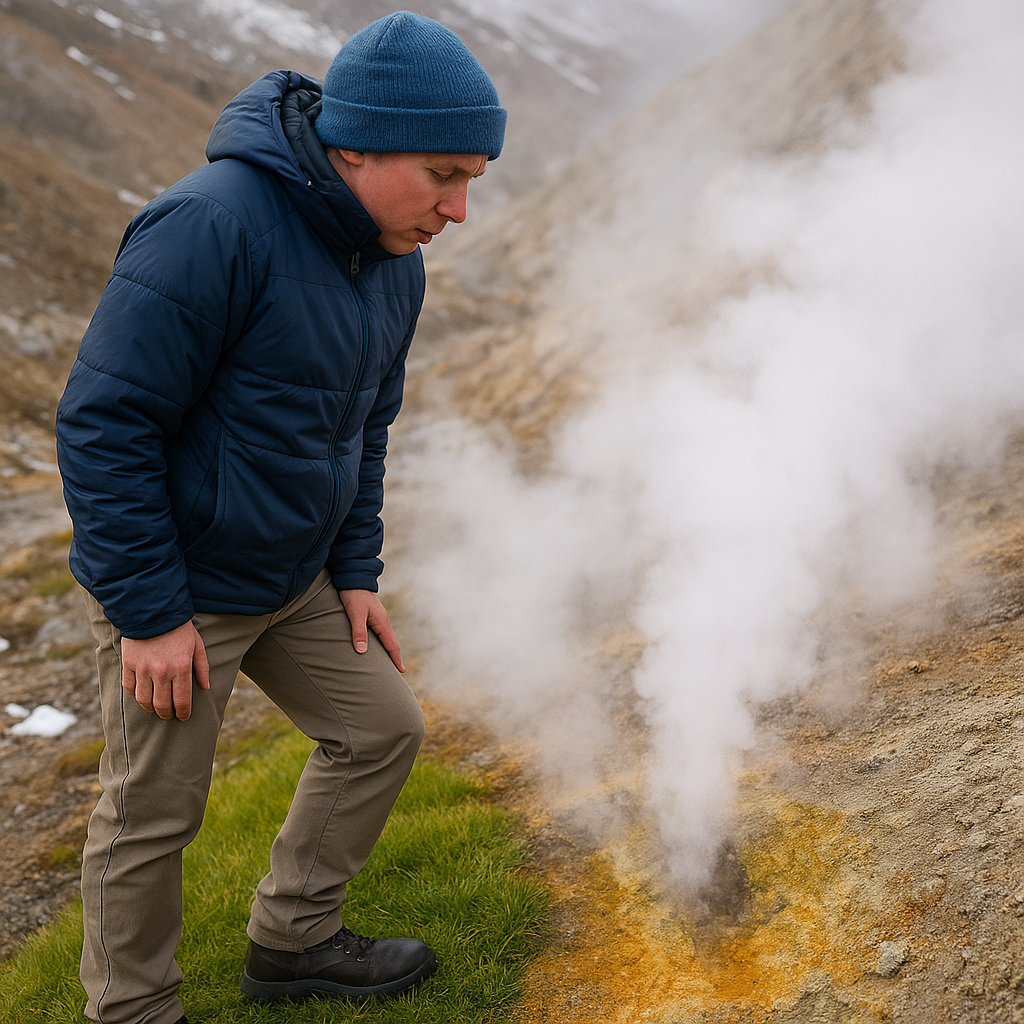
The first time I stood near a fumarole on a chilly day, I remember the oddest detail: my face was cold and my boots were warm. Not cozy-warm like sitting by a fire, but that unmistakable heat-through-the-sole sensation that makes you shift your weight just to confirm you're not imagining it. This is where volcanic landforms stop being scenic backdrops and start behaving like climate machines. A vent, a steaming crack, a hot patch of ground. It sounds small. Ecologically, it's a cheat code.
Plants and microbes don't experience a landscape as one average temperature. They experience it as survival or not, right here, right now. A warm spot can melt snow earlier, keep soil from freezing as deeply, and create a longer growing window in an otherwise harsh place. You see it as a weird little island of life: grasses that green up before the surrounding slope, mosses clinging to damp edges, and sometimes a hard line where vegetation stops because the ground is too hot, too acidic, or too gassy to tolerate.
The gases matter, too, and you can literally smell part of the story. That rotten-egg sulfur smell isn't just a gross novelty. It signals chemical conditions that select for specific microbial communities, including thermophiles that can handle heat and chemistry that would flatten most organisms. I'm careful here because it's easy to drift into hand-wavy claims about what you can identify by scent alone. You can't sniff your way to a species list. But you can use your senses to notice boundaries: where steam is venting, where the air stings your nose, where the ground is bare and mineral-crusted, and where it cools enough for life to grab on.
If you want a practical way to look at it, I do a slow scan in three passes. First: find the heat source (steam, warm ground, snow-free patches). Second: trace the transition zone, because that's where the mix of moisture and warmth often supports the most visible growth. Third: look uphill and downhill, since gravity and runoff can spread heat and minerals in a direction that makes the pattern look intentional. It's not. It's volcanic plumbing drawing a map in plants.