The Soulful Southern City That Remains Bob Dylan’s Ultimate Creative Muse
Bob Dylan has spent more than six decades on the road, performing in hundreds of cities and constantly reshaping his sound. Yet when he reflects on the places that stayed with him, one stands out. In his 2004 memoir Chronicles: Volume One, he says it simply: “There are a lot of places I like, but I like New Orleans better.”
That kind of statement carries weight coming from someone whose life has been defined by movement and reinvention. After seeing so much of the world, it is telling that one city continues to hold his attention.
Why New Orleans Stuck With Bob Dylan
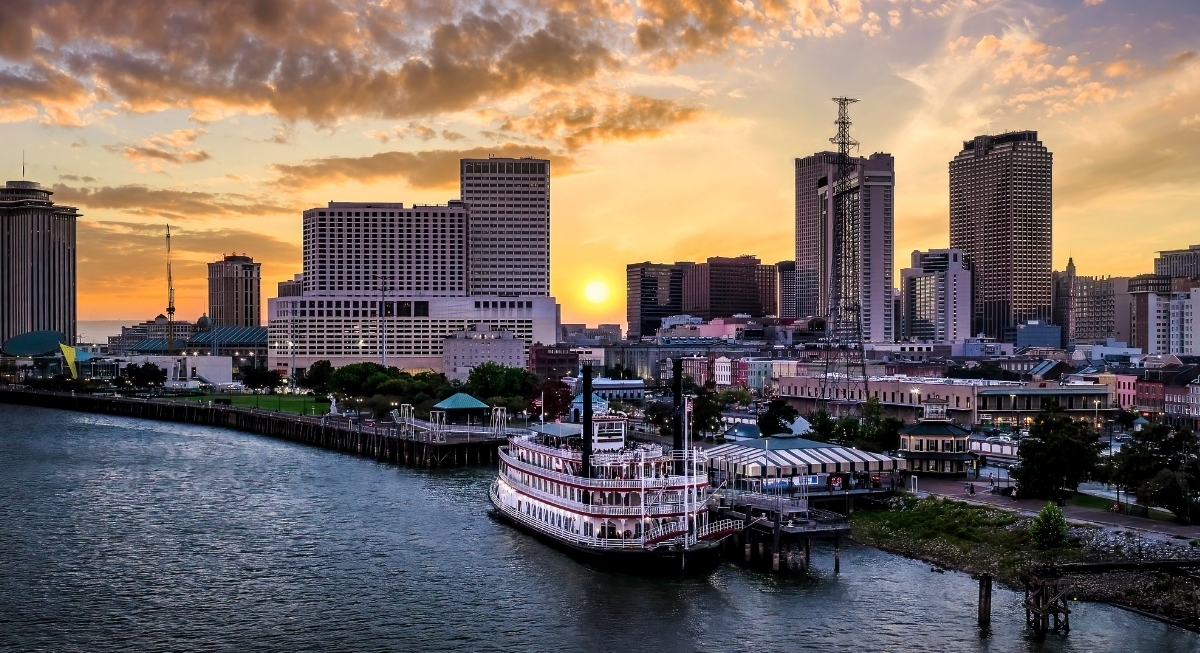
Image via Getty Images/Larry Gibson
Bob Dylan didn’t arrive in New Orleans as a newcomer. By the time he recorded Oh Mercy in 1989, he had already moved through the early 1960s folk scene, global fame, and years of constant touring.
During those sessions, he rented a house near Audubon Park, a green stretch lined with live oaks and connected by the St. Charles Streetcar Line. That time became a reset. He also connected with producer Daniel Lanois at what is now Hotel Le Marais, and their collaboration shaped the sound of Oh Mercy, often seen as a turning point in his later career.
The Sound That Runs Through The City
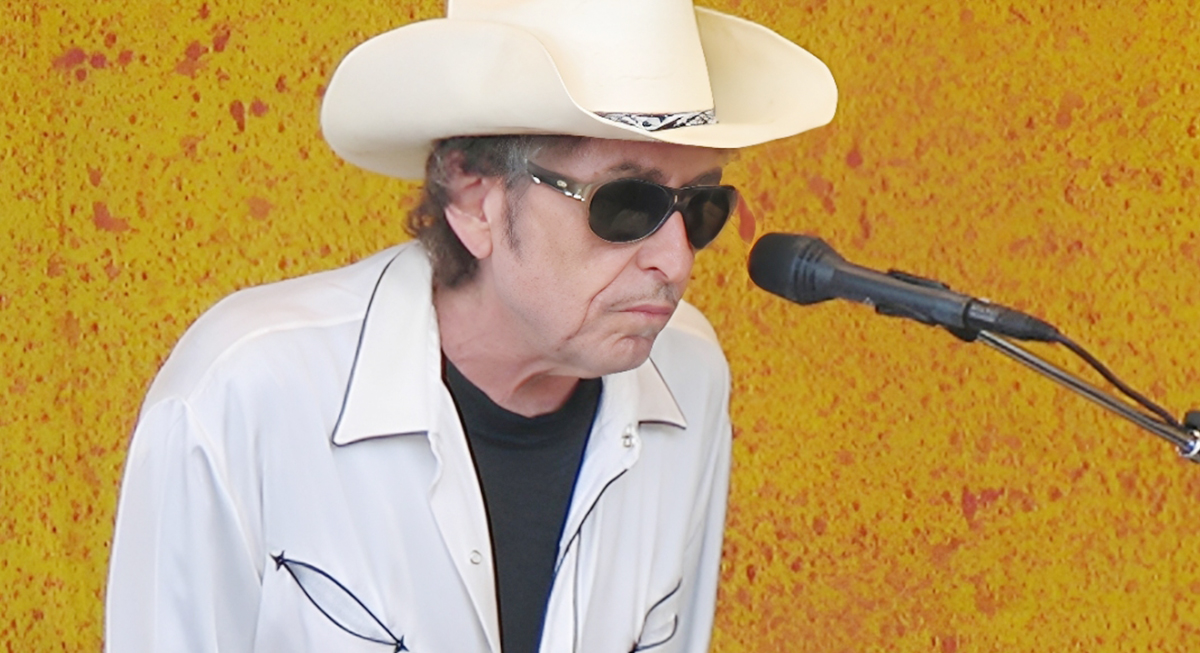
Image via Wikimedia Commons/Paparazzo Presents
New Orleans has an active music history. Jazz began here, often described as the only original American art form, and its roots trace back to Congo Square. In that space, enslaved people gathered on Sundays to drum, dance, and preserve musical traditions that would later shape the city’s identity.
Dylan performed at the New Orleans Jazz & Heritage Festival at the Fair Grounds Race Course and played venues like the Saenger Theatre and the House of Blues. Those are major stages, yet they only tell part of the story.
Head over to Frenchmen Street and the scale shifts. Clubs like the Spotted Cat offer live sets where local musicians keep that same spirit alive in a more direct way. The music feels less like a performance and more like something that belongs to the street itself. That constant presence helps explain why the city never feels static, even to someone who has seen it all.
A Place With Its Past Out In The Open
New Orleans doesn’t separate its present from its past; it puts both on display. One of the first things Dylan noticed was the cemeteries. St. Louis Cemetery No. 1, along with others across the city, features above-ground tombs shaped by the region’s high water table and European architectural influence. These “cities of the dead” create a look that stands apart from typical burial grounds and add to the city’s distinct identity.
A few blocks away, Jackson Square tells another story. Once a site of public executions, it now attracts more than two million visitors each year. The St. Louis Cathedral overlooks the square, while a statue of Andrew Jackson marks the general who led American forces to victory at the Battle of New Orleans in 1815. That same history continues along the Mississippi River, where the Steamboat Natchez operates cruises past landmarks such as the Chalmette Battlefield.
Dylan’s Trail Through The City
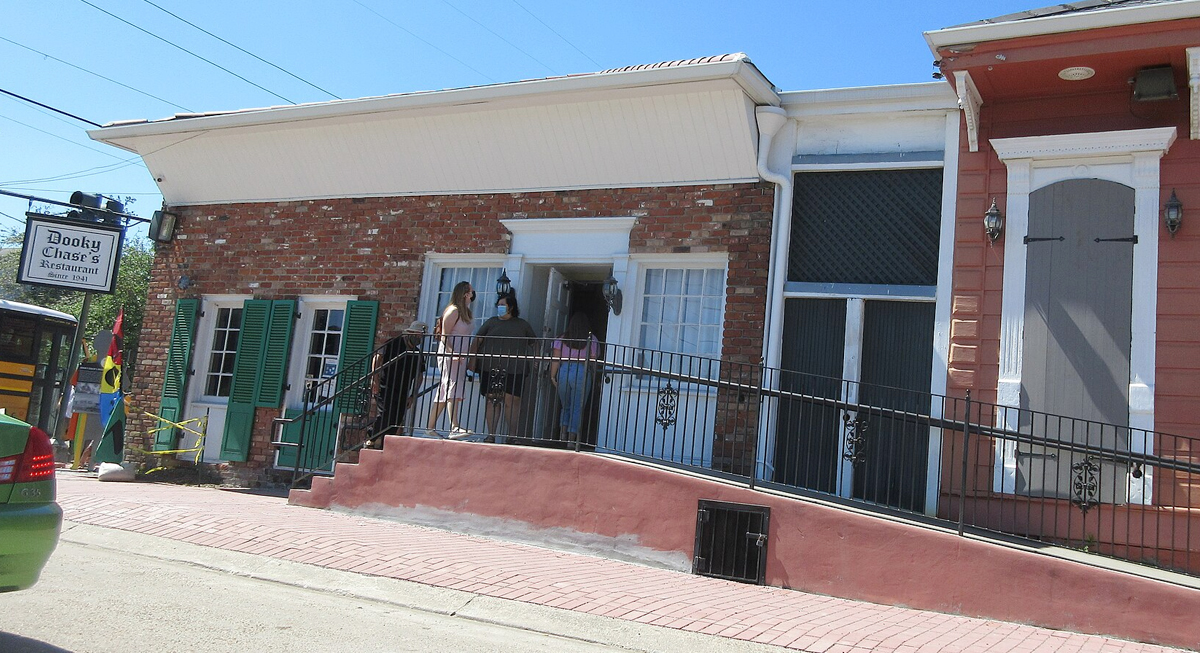
Image via Wikimedia Commons/Infrogmation of New Orleans
New Orleans becomes easier to understand when you trace it through the places Dylan connected with. Hotel Le Marais links directly to his work with Daniel Lanois. Audubon Park reflects the quieter side of his time in the city. The festival stages and small clubs show how deeply music runs through daily life.
Even decades later, Dylan kept referencing the city. When he joined X in late 2024, one of his first posts recommended Dooky Chase’s Restaurant on North Miro and Orleans. The spot is known for its Creole dishes like red beans and rice, but its history goes deeper. During the 1960s, civil rights leaders, including Martin Luther King Jr., met there to plan strategy and organize.