The Sneaky Psychological Trick Airports Use to Empty Your Wallet
Airports generate a significant portion of their revenue outside of airfare, with retail, food, and advertising contributing approximately 40 percent of total earnings globally before the pandemic, according to the Airports Council International. This revenue depends heavily on passenger behavior after security, where spending peaks. Airports are well aware of this window and invest heavily in design, layout, and timing to influence how people move, pause, and make decisions. The moment is calm, time seems generous, and the urge to browse kicks in. By the time boarding starts, wallets are a lot lighter.
The Calm After Security
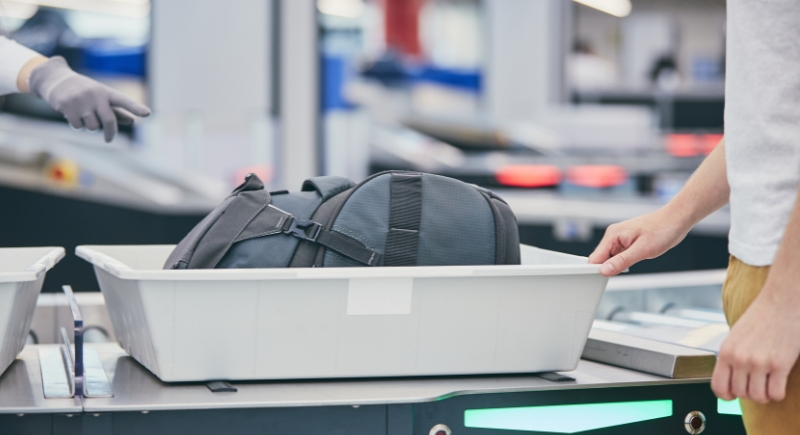
Image via Getty Images/Chalabala
Security checkpoints drain energy. Once that hurdle is cleared, tension drops. Studies cited by aviation researchers show that relaxed passengers spend more than stressed ones, and airports capitalize on this contrast.
Passenger satisfaction is directly linked to retail sales, with some studies showing that even a one percent increase in satisfaction can lead to a more than one percent increase in spending. Airports design the post-security zone to feel controlled and easy to navigate.
Why Shops Sit Exactly Where They Do
Retail placement inside terminals follows a tight playbook. Duty-free and brand-name stores are almost always located immediately past security, positioned as the first thing travelers see upon entering. Many terminals direct foot traffic through retail corridors.
Design firms working with airports rely on behavioral data that tracks eye movement, walking speed, and carrying habits. Most travelers pull their luggage with their right hand, which draws attention to the displays on the right side of a walkway. Curved corridors and angled storefronts extend exposure time without feeling forced. Every extra step increases the chance of an unplanned stop.
The Power of a Long Walk
Distance plays a bigger role than most realize. Many airports delay gate announcements until 30 to 50 minutes before boarding. The gap creates a holding pattern where passengers know they have time, but lack a fixed destination. Digital boards showing walking times reinforce that sense of control.
This reassurance encourages wandering. Research within the aviation retail sector often refers to this window as the golden hour, the period when spending peaks. Longer walks also slow momentum. Movement becomes less goal-driven and more exploratory, especially when restaurants and shops line the route. The terminal starts acting like a mall.
Time Feels Different Inside a Terminal
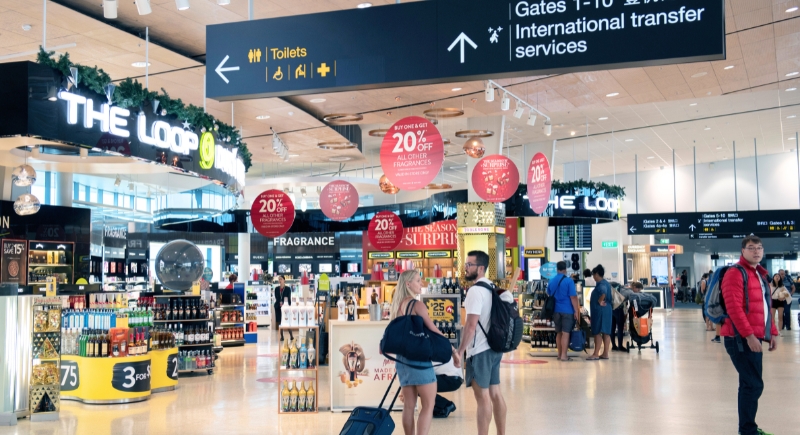
Image via iStockphoto/aimintang
Airports operate as closed systems. Once past security, options narrow and outside reference points become less accessible. Prices detach from street norms, and that separation affects judgment. Bottled water often costs twice or three times the price of grocery store water. Meals carry markups that many travelers accept without hesitation.
The same mindset applies to retail. Souvenirs, snacks, chargers, and last-minute items sit in plain sight, framed as convenient solutions rather than impulse buys. The longer the walk and the looser the schedule feels, the easier it becomes to justify a quick purchase.