The “Secret” Button Under the Aisle Armrest That Gives You Extra Space
Most people treat airplane seats like a simple trade-off. You either pick the aisle for easy access or the window for something to lean on. What rarely gets mentioned is that one of these seats actually comes with a small built-in feature that can give you a bit more room.
It’s right within reach, takes just a second to use, and makes a noticeable difference once you know it’s there. Even so, a lot of passengers fly every year without realizing it exists.
The Button Most Passengers Miss
There’s a second button most people never notice, tucked underneath the outer armrest of many aisle seats. You won’t see it from above, which is why it goes unnoticed even by frequent travelers.
Reach under the armrest near the hinge, and you’ll feel a small release. Press it, and the armrest lifts up to align with the seatback. That hard edge at your side disappears, and gives you more room to shift, stretch, or get up without knocking into it.
Why It Feels Like More Space
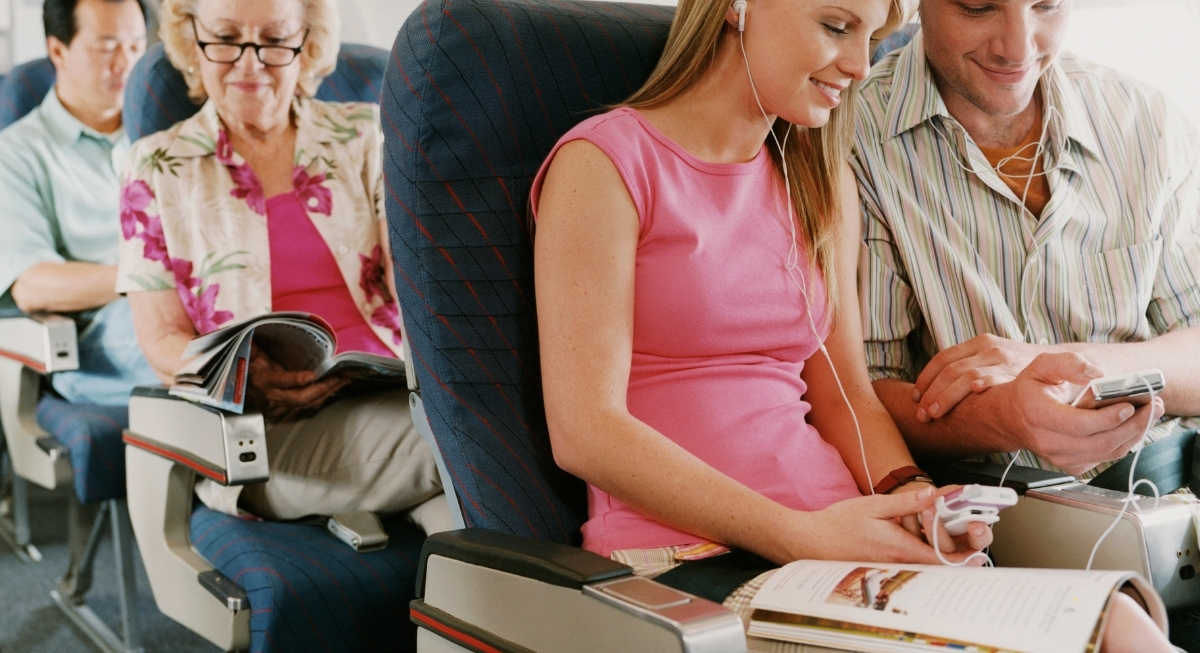
Image via Canva/Digital Vision.
Airplane seats don’t actually expand, but removing the armrest creates the impression of extra room because your body is no longer confined on one side. Getting up becomes smoother, and reaching for a bag in the overhead bin stops feeling like a balancing act.
Even sitting for long periods feels less restrictive since you’re not pressed against a hard divider. It also helps everyone in the row. When the armrest lifts, passengers can step out more easily without forcing others to twist or stand awkwardly.
It Was Never Meant as a Comfort Hack
The interesting part is that this feature wasn’t designed as a travel trick. It exists for accessibility. Aircraft are required to accommodate passengers with limited mobility, and movable aisle armrests make it easier for someone using a wheelchair or needing assistance to transfer into a seat.
Federal Aviation Administration regulations require that on planes with 30 or more seats, at least half of the aisle seats in certain rows must include this function. So while it feels like a hidden upgrade, it’s actually part of a broader design standard meant to improve access for everyone who needs it.
Why Airlines Don’t Highlight It
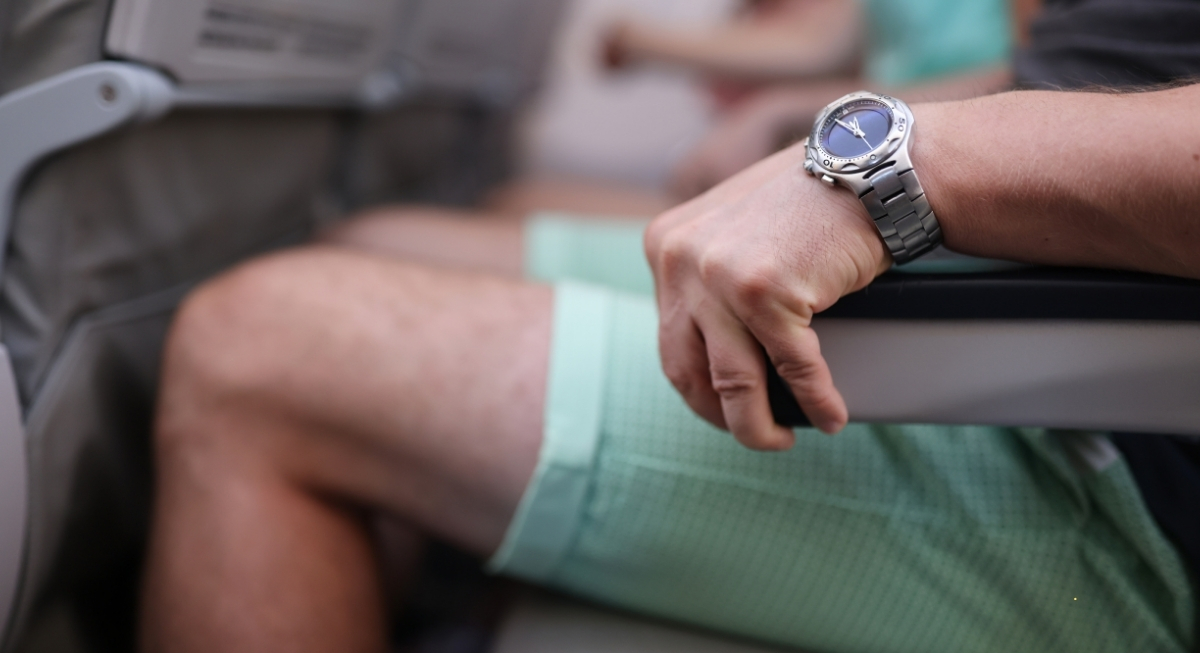
Image via Getty Images/Ivan-balvan
Given how useful it is, it’s fair to wonder why airlines don’t point it out during safety briefings. The answer comes down to practicality and safety. First, not every aisle seat has a movable armrest, so it’s not a universal feature.
Second, the armrest must remain down during takeoff and landing. Safety inspections have shown that raised armrests can interfere with movement through the cabin during an emergency and create obstacles in narrow passageways. That’s why they follow the same rule as tray tables and seatbacks: upright and secured at critical moments.
How to Know If Your Seat Has It
There’s no obvious label pointing it out, so finding it comes down to knowing where to look. If you’re already seated, reach underneath the outer armrest closest to the aisle and feel for a small button near the hinge.
On some aircraft, it may sit slightly off to the side rather than directly underneath, but the function remains the same. If you want to plan, some airlines publish detailed seat maps online. These sometimes indicate which rows include movable armrests, especially for passengers who need accessible seating.