The “Route 66” of the East Coast: Why No One Drives Route 1 Anymore
Long before the interstate highways created fast routes across the country, road trips meant moving through small towns, waiting at traffic lights, and stopping at diners or gas stations that often served as local gathering spots. In the center of the country, that kind of journey became famous along Route 66.
Along the East Coast, however, another road once played a very similar role. U.S. Route 1 carried travelers from Maine all the way to Florida by linking major cities with fishing towns, farmland, and beach communities along the Atlantic coast. The highway still exists today, but most long-distance drivers rarely depend on it anymore.
Route 1 Was Once the East Coast’s Main Road
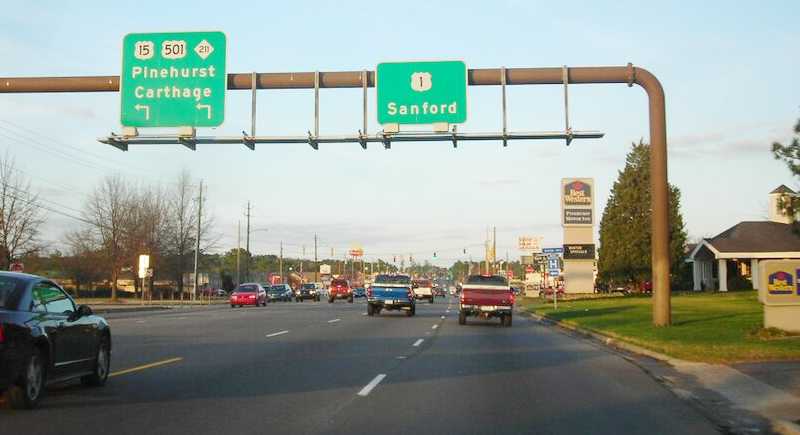
Image via Wikimedia Commons/Dougtone
When the U.S. Highway System launched in 1926, Route 1 became the main north–south highway along the Atlantic coast. The road runs about 2,370 miles from Fort Kent, Maine, to Key West, Florida. Along the way, it connects many of the country’s oldest cities. A traveler leaving New England could drive through Boston, New York City, Philadelphia, Baltimore, and Richmond before eventually reaching Miami and the Florida Keys.
Route 1 looked very different from the high-speed highways people use today. The route followed local roads that connected towns and neighborhoods instead of bypassing them. Drivers passed directly through historic downtown streets. They crossed small bridges and stopped at traffic lights every few miles. The journey often felt like moving from one community to the next rather than rushing along a single highway.
It served as the backbone of travel on the East Coast. Vacationers used it to reach Florida’s beaches, truckers hauled goods between cities, and families piled into cars for long summer road trips. Much like Route 66 in the American West, Route 1 became part of the everyday rhythm of travel before faster roads existed.
The Interstate System Changed Everything
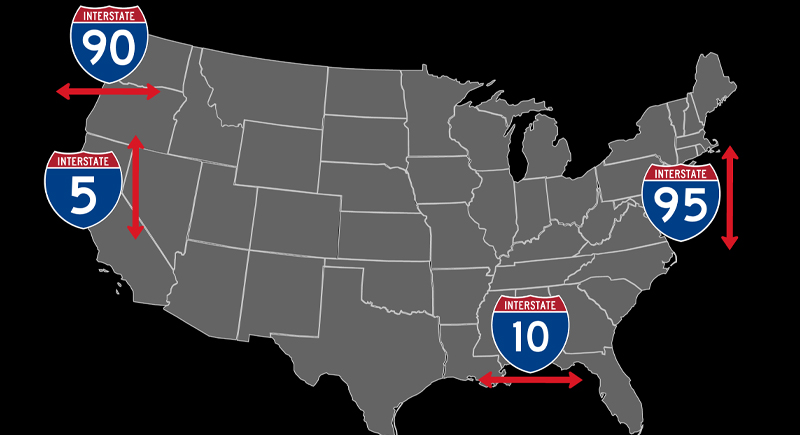
Image via Wikimedia Commons/Devinhorn
The decline of Route 1 began in the 1950s with the birth of the Interstate Highway System. The federal government approved the massive infrastructure program in 1956 by creating a network of controlled-access highways designed to move traffic faster and more safely across the country.
Along the East Coast, the most important new route was Interstate 95. The freeway ran almost parallel to Route 1, but it was built for speed and efficiency. Instead of winding through town centers, I-95 bypassed them entirely. Entrance ramps replaced intersections, wide lanes replaced narrow streets, and long straight stretches allowed drivers to travel hundreds of miles without stopping.
Travelers quickly switched to the interstate. A trip that once required hours of slow driving through city traffic could suddenly be completed in a fraction of the time. Businesses that once depended on Route 1 traffic watched cars disappear almost overnight as drivers took the faster highway instead.
The Road That Runs Through Everything
Even though long-distance travelers abandoned Route 1, the highway never disappeared. Unlike Route 66, which was officially removed from the federal highway system in 1985, Route 1 remains an active road. The difference is how people use it.
In many places, Route 1 has essentially become a local road. It runs through suburbs, shopping districts, and neighborhoods where drivers use it for short commutes rather than cross-country travel. Traffic lights, strip malls, and congestion make it far slower than the interstate for anyone trying to cover a serious distance.
Yet parts of the route still capture the spirit of the old American road trip. In Maine, Route 1 winds through lobster towns and coastal villages. In the Mid-Atlantic, it passes historic battlefields and colonial cities. Farther south, the road becomes the Overseas Highway linking the Florida Keys, one of the most scenic drives in the country. But those sections are exceptions. For most travelers, Route 1 simply isn’t practical anymore.
A Highway Hiding in Plain Sight
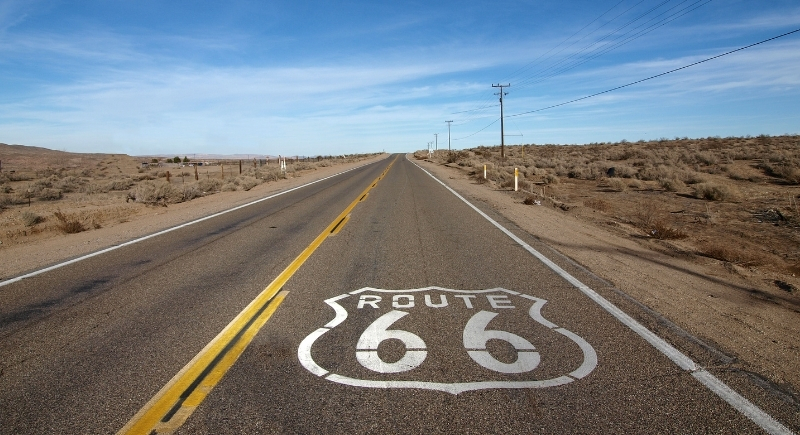
Image via Getty Images/trekandshoot
The irony is that Route 1 never really went away. Millions of people still drive on pieces of the highway running through cities and towns every day without realizing they’re traveling along one of America’s oldest transportation corridors.
In that sense, Route 1 may be the counterpart to Route 66. Route 66 eventually became famous precisely because it preserved an older style of travel. Tourists still drive parts of the historic highway today, even though it’s no longer the fastest way to cross the country.