The “Rice Theory”: The Real Reason East and West Are So Different
For decades, psychologists have debated why cultures in East Asia often emphasize group harmony while Western cultures tend to celebrate individual achievement. Economics, politics, education systems, and philosophy have all been blamed. But one of the most fascinating explanations comes from farming.
The Rice Theory argues that ancient agriculture shaped how entire societies think, cooperate, and make decisions. It does not claim that food alone created cultural differences, but it suggests that how civilizations produced food influenced social behavior for thousands of years. The research behind this idea is surprisingly deep and increasingly supported by data.
What The Rice Theory Actually Says
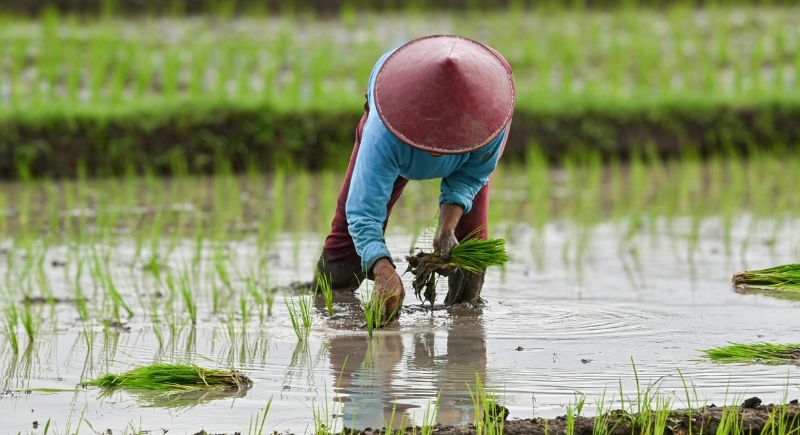
Image via Pexels/Suryo Patriandito
The theory centers on one key difference: rice farming requires intense cooperation, while wheat farming allows more independence.
Rice grows in flooded paddies that need carefully controlled irrigation. Farmers must coordinate water use, maintain shared canals, and synchronize planting and harvesting. One farmer flooding a field too early can damage neighboring crops, so coordination becomes essential. Over generations, this type of environment rewards cooperation, long-term planning, and social harmony.
Wheat farming, on the other hand, typically depends on rainfall rather than shared irrigation systems. A single family can plant and harvest wheat with far less dependence on neighbors. That independence may have historically rewarded self-reliance, individual problem-solving, and personal initiative.
The theory suggests these agricultural patterns influenced cultural psychology over centuries, eventually shaping social norms that still exist today.
The China Case Study That Made Scientists Take This Seriously

Image via Canva/DragonImages
China offers one of the strongest testing grounds for Rice Theory because it historically grew both crops. Southern China focused heavily on rice cultivation for thousands of years, while northern China largely grew wheat.
Researchers studied more than a thousand Chinese college students across these regions and found measurable psychological differences. People from historically rice-growing regions showed more interdependent thinking and stronger group-oriented behavior. Those from wheat-growing regions showed more individualistic and analytical thinking patterns.
Even simple experiments revealed differences. In one test, participants drew circles representing themselves and their friends. Students from wheat regions tended to draw themselves slightly larger than others. Students from rice regions tended to draw themselves equal or slightly smaller, suggesting stronger social integration.
The Natural Experiment That Strengthened The Theory
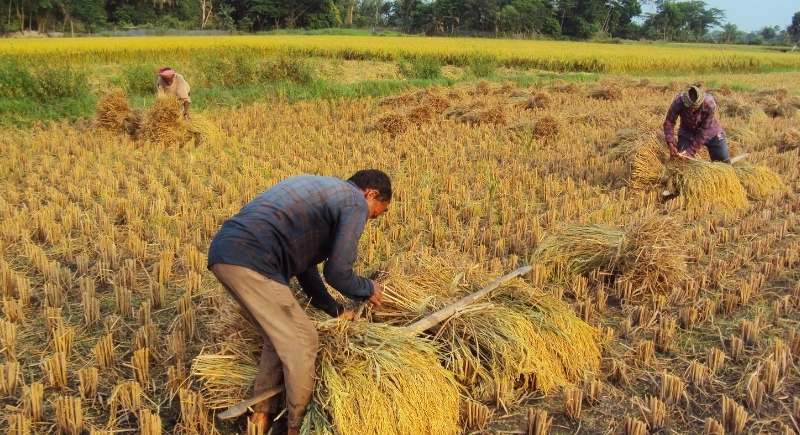
Image via Pexels/Adil Ahnaf🇧🇩🇵🇸
One major criticism of the Rice Theory was causation. Did farming shape culture, or did existing cultural differences influence farming choices?
A rare natural experiment from 1950s China helped address that question. The government created state farms and assigned workers to rice or wheat farming regardless of their background. Two farms located only about 56 kilometers apart offered nearly identical climate and geography, but one grew rice while the other grew wheat.
Decades later, psychological testing showed consistent differences. People assigned to rice farming showed stronger collectivist tendencies, closer friend-group loyalty, and more relationship-based thinking. Wheat farmers showed more individual-focused behavior and category-based thinking patterns.
The differences were smaller than those seen between entire regions, which suggests culture builds gradually over time, but the results still supported the idea that farming systems influence social behavior.
Why Rice Farming Creates Cooperative Cultures
Rice farming is labor-intensive. Traditional rice cultivation can require roughly twice the labor of wheat production. During planting and harvesting, farmers historically relied on extended families and neighbors to complete the work.
Water management also forces cooperation. Irrigation systems require shared maintenance, scheduling, and conflict resolution. Over generations, these systems likely encouraged tight social norms, strong community relationships, and sensitivity to social harmony.
These patterns align with many East Asian cultural values emphasizing group responsibility, social awareness, and long-term collective outcomes.
How Wheat Farming Encourages Independence
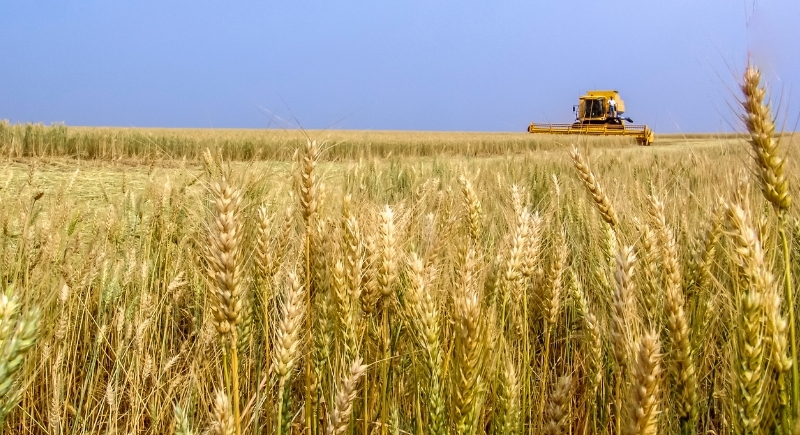
Image via Getty Images/Alfribeiro
Wheat grows on dry land and relies more heavily on natural rainfall. Farmers historically had more flexibility in planting schedules and less dependence on shared infrastructure.
That environment likely rewarded innovation, personal initiative, and independence. These traits align with Western cultural values such as individual success, personal expression, and competitive problem-solving.
The Theory Is Not The Whole Story
Most researchers agree that Rice Theory explains part of cultural variation, not all of it.
Wealth, education systems, religion, political history, and industrialization all shape societies. Cultural norms also reinforce themselves over time. Once a society develops strong cooperative or individualistic tendencies, those behaviors get passed through institutions, education, and social expectations.
Modern cities, globalization, and technology are also reshaping traditional cultural differences. Still, traces of agricultural history appear to persist even in highly industrialized societies.