The Real Reason Coco Chanel Lived in the Ritz Paris for 30 Years
The Ritz in Paris was not a short stay for Coco Chanel. She began living there in the late 1930s and kept her suite until her death in January 1971. Over time, the hotel became her operational center. She worked nearby at 31 rue Cambon, received guests selectively, and moved through a controlled routine that kept distractions out.
Her apartment at Cambon existed, but it was designed for receptions and work, not daily living. Coco preferred the rhythm of hotels as they removed isolation. Staff handled logistics, meals appeared without effort, and privacy existed without loneliness. The structure was important to someone who hated domestic routine and guarded her time.
Control Was Luxury
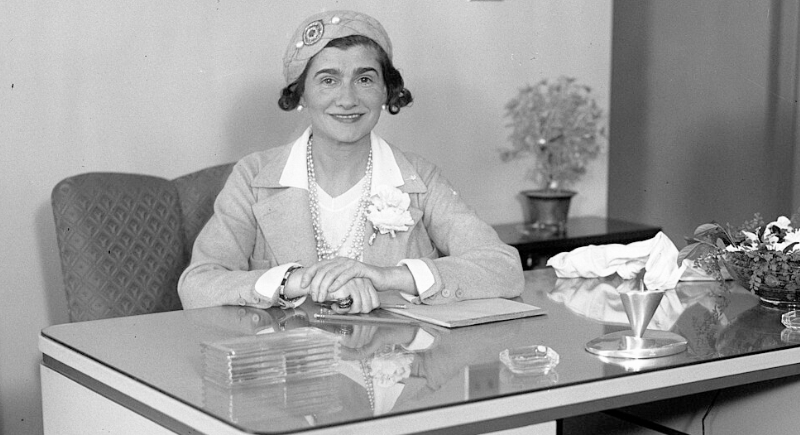
Image via Wikimedia Commons/Los Angeles Times
By the time Coco settled into the Ritz full-time, she had already shaped her life around independence. She rejected marriage, distanced herself from family, and avoided situations that required emotional compromise. A hotel allowed her to control access.
War Did Not Break the Pattern

Image via Canva/ASphotostudio
World War II intensified this reliance. Coco had already been living at the Ritz before the German occupation of Paris. When the hotel was requisitioned, she stayed. Her suite overlooking Place Vendôme was taken, and she moved to a smaller one facing rue Cambon. During this period, the Ritz remained open and socially complex. Occupying forces, diplomats, artists, resistance figures, and staff crossed paths daily. Coco lived inside that environment and faced fear the same way she faced everything else, by staying inside systems she understood.
Her relationship with German officer Hans Gunther von Dincklage brought scrutiny later, and historical debate around her wartime actions remains unresolved. What is clear is that the Ritz offered protection, routine, and leverage during instability.
Why She Always Came Back
After the war, Coco left France briefly, then returned to Paris in 1954. She did not seek a fresh start or a new address, but returned directly to the Ritz. By then, the hotel represented continuity in a life defined by reinvention, and it anchored her days and reduced friction.
Coco died in her Ritz suite at age 87 after working on a collection earlier that day. Her final years followed the same routine she had chosen decades earlier.
Living at the Ritz removed domestic obligations, reduced emotional noise, and kept her surrounded without demanding intimacy. That tells us more about her priorities than any couture sketch or perfume bottle ever could.