
Three things to notice on Indigenous-led heritage tours that can change how you understand the place you're visiting.
The tobacco pouch moment (and how not to fumble it)
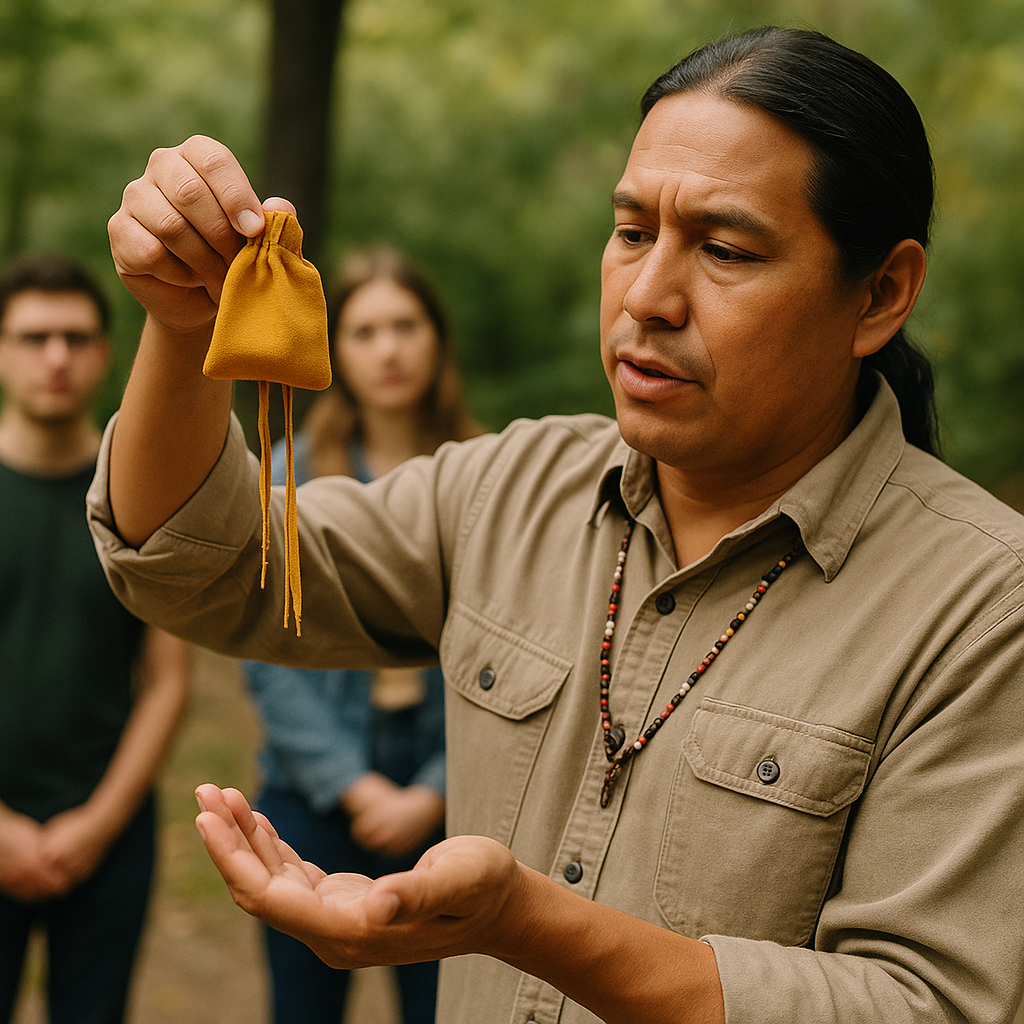
I used to think the opening minutes of a heritage tour were about logistics: where the bathrooms are, how long the walk is, whether you need water. Then I joined a Native-led walk where the guide explained a tobacco protocol specific to their community and made it clear that visitors should follow the guidance provided. No mysticism, no performance. The guide explained what offering tobacco meant in that community, whether visitors were expected to participate, and how to follow the protocol respectfully.
That little object changed the whole room temperature. People stopped interrupting. Phones went down without being asked. And it made me realize how often visitors barge into cultural sites with the same energy they bring to a street-art tour.
If you're booking tours, look for details that signal the guide controls the framing. It might be an explicit protocol at the start, a stated relationship to the land (not just "local"), or a small act of welcome with attached rules. When you arrive, do two things that keep you from being the person everyone remembers for the wrong reason: ask before recording (some stories and songs are not for audio), and don't assume you can wander off the route to get a better angle. On one walk, the guide didn't have to raise their voice to stop a guy from stepping over a low fence. They just said, "That's a family place." It was quiet after that.
If you want to bring a gift, don't show up with random trinkets. Ask the operator ahead of time what is appropriate, or keep it simple and tip well if tipping is part of their stated policy. If a guide introduces a tobacco protocol, follow the explanation they give rather than assuming you already know what the practice means.
A meal as the syllabus: book the tour that feeds you first
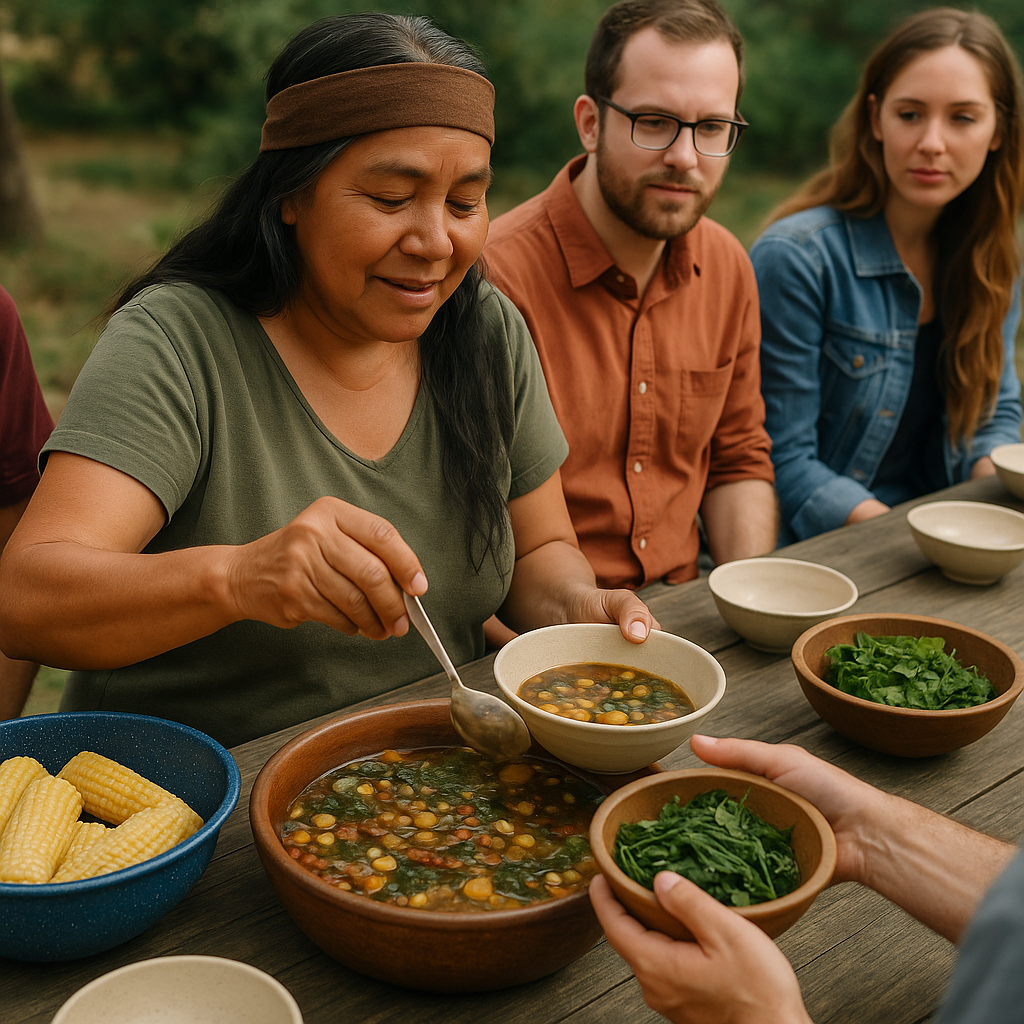
I keep a short list of tours that start with food, because it forces everyone to slow down. Not in a precious way. In a practical way. You're sitting, you're chewing, and you can't speed-run a community's history while you're trying not to spill stew on your shirt. One of the best Indigenous-led cultural heritage outings I've done was a half-day conversation that included a walk. The first hour centered on ingredients the guide connected to the community's own food history. Later, the walk added context about how particular plants had been cultivated, gathered, used, and affected by changes in land access.
What to look for when you're choosing one: the menu isn't described as "fusion" or "inspired." It's specific, seasonal, and tied to who is cooking it. The guide can say where the ingredients come from without turning it into a marketing speech. And the tour copy should be clear about whether you're eating on-site, at a community-run cafe, or in a shared space like a cultural center. That detail can help you understand where the experience takes place, but check the operator's information if you want to know who owns or manages the tour, or how revenue supports the community.
As a guest, show up as you would to someone's home, not like you're reviewing a restaurant. If you have allergies, email ahead. Don't announce them at the table like a plot twist. If you don't recognize a food, ask a curious question that leaves room for a short answer. "Is this something you grew up with?" goes a lot further than What is that? while pointing.
The meal-first format can also create a slower, more conversational start before the group heads outside. And when the walk starts, the group is already moving at human speed. You'll notice different things: land-management practices, boundaries the guide explains, and places whose significance goes beyond the scenic view.
When a trail crosses a jurisdiction line, stop treating it as trivia
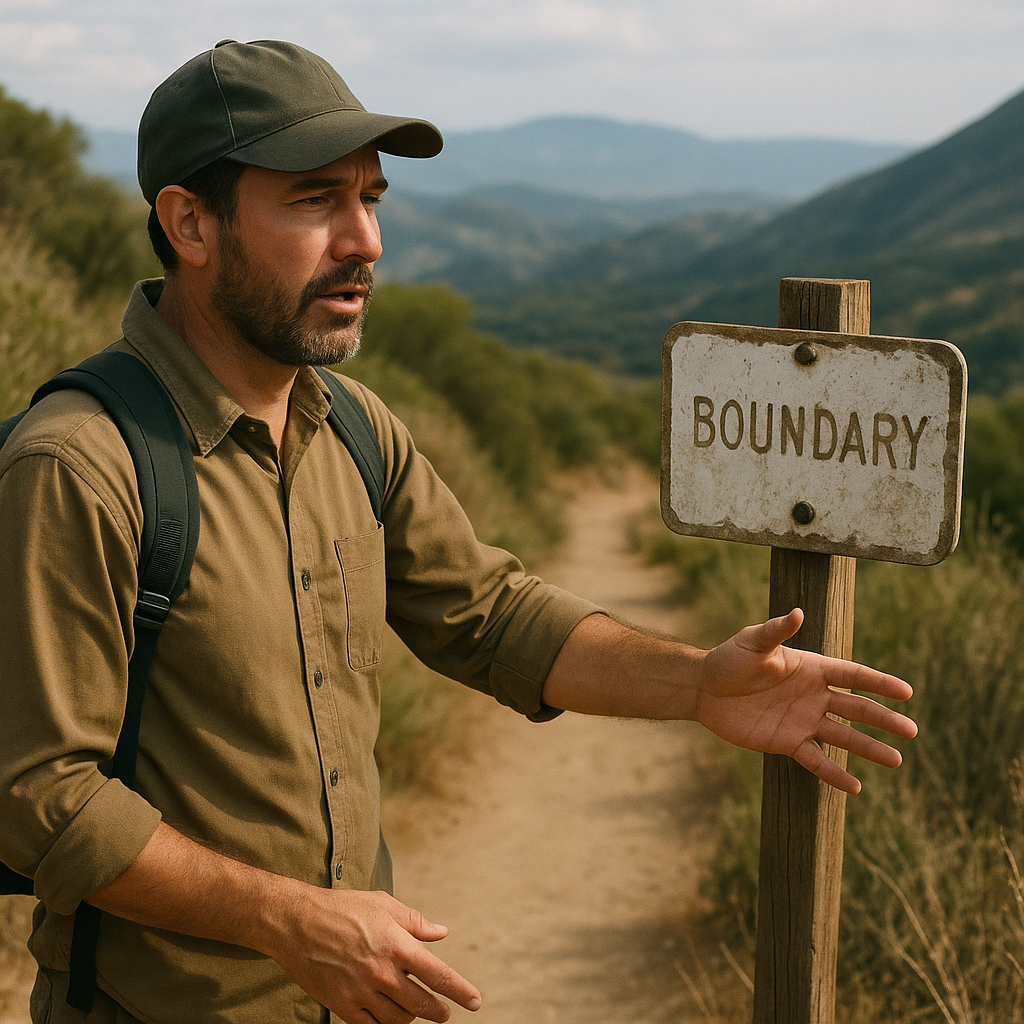
There's a moment that keeps sticking with me from a guided heritage hike: we reached a spot where the path crossed from one jurisdiction to another, marked by a sun-bleached sign and a change in rules that most visitors never notice. The guide didn't romanticize it. They laid out what that line has meant in practice, who had access before and after, and how the boundary shows up in small daily decisions now. Suddenly, the overlook wasn't just scenic. It was complicated. In a good way, because it was honest.
If you want a tour that changes how you understand a place, book one that deals in these real-world edges: park borders, reservation boundaries, areas under tribal or shared management, treaty-related access and resource rights, and closures established to protect culturally sensitive places. Guides may explain why neighboring areas are managed differently and how treaties, tribal jurisdiction, federal policy, or local agreements affect those boundaries.
Two practical things make this kind of tour work better. First, bring a paper map or a printed screenshot of your phone's screen so you can follow along without hovering over the guide's shoulder. (A folded topo map in a zip bag survives sweat a lot better than you'd think.) When the guide names a place, jot it down as they say it. You'll remember it later, and it keeps you from asking them to repeat pronunciation three times in a row.
Second, treat access as part of the story, not a hurdle to hack around. If a guide says a site is closed, it's closed. Don't ask if it's closed-closed or just closed for tourists. That question lands badly, and it puts the guide in a position they shouldn't be in.
I left that hike thinking about one dumb signpost for days. Not because it was dramatic, but because it made me realize how much of travel is shaped by lines most people step over without ever seeing them.