The Plastic Icons Hiding in Your Attic That Museums Actually Want
Plastic rarely feels like history. It’s the material of lunchboxes, toys, telephones, and kitchen containers that people assumed would eventually be thrown away. Yet museums around the world now actively collect plastic objects because they reveal how everyday life changed during the twentieth century. Many of the most fascinating pieces come from the same place families stash old decorations and forgotten boxes: the attic.
Curators increasingly seek ordinary plastic objects because they symbolize the rise of mass consumer culture. Items that once seemed cheap or disposable now help museums tell the story of design, technology, and pop culture. Some of the most interesting examples may already be sitting in storage above your ceiling.
Mid-Century Tupperware Containers
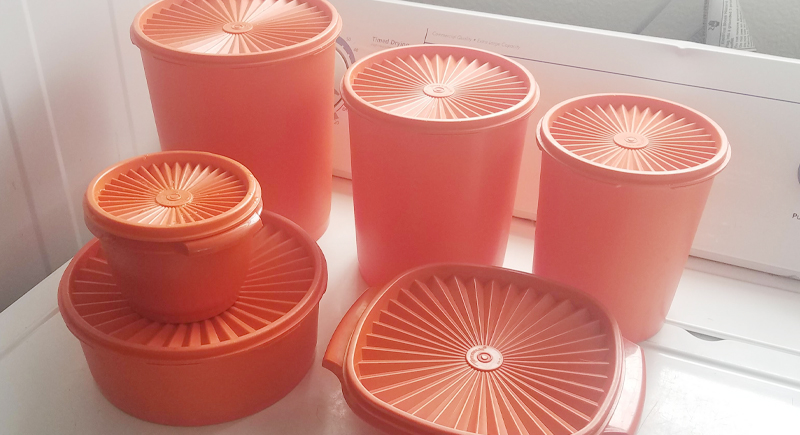
Image via Reddit/colorado_sunrise86
Plastic kitchenware changed home life after World War II, and few brands shaped that shift more than Tupperware. Introduced in the 1940s and popularized through home sales parties in the 1950s, the brand became a symbol of mid-century domestic culture.
Collectors now seek Tupperware from the 1950s through the 1970s, especially pastel-colored containers with matching lids. Some sets sell for over $100, depending on rarity and condition. Museums also collect these pieces because they illustrate how plastic replaced glass and metal in everyday kitchens and transformed food storage for millions of households.
Plastic Holiday Blow Mold Decorations
For many families, the start of the holidays once meant pulling large plastic figures out of the garage and setting them up across the front yard. These decorations, called blow molds, were made by companies like Empire and General Foam during the mid-20th century.
Glowing Santas, snowmen, and pumpkin lanterns were molded from lightweight plastic and lit with a small bulb inside. Today, working originals with their wiring intact can sell for hundreds of dollars, and some museums even collect them as snapshots of mid-century suburban life.
Kenner Star Wars Action Figures
Few plastic toys reshaped pop culture like the action figures released after the original Star Wars film in 1977. Kenner produced small plastic figures of characters such as Darth Vader, Luke Skywalker, and Boba Fett, and they quickly became one of the most successful toy lines in history.
Unopened figures in original packaging can sell for hundreds of dollars, while rare versions sometimes bring even more. Museums that document the history of entertainment often collect early Star Wars toys because they mark the moment when movie merchandising became a global business.
Push-Button Telephones From the 1960s
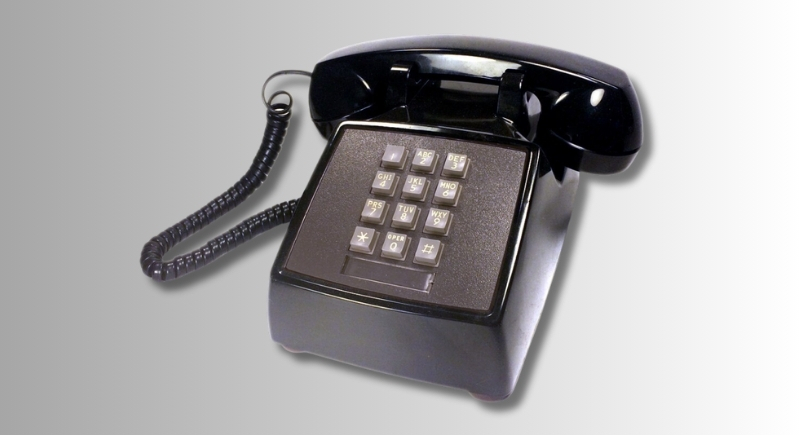
Image via Wikimedia Commons/Jonathan Mauer
Plastic also transformed everyday technology. In 1967, telephone manufacturers introduced push-button models that replaced the familiar rotary dial. These telephones used lightweight plastic housings and new internal components such as balanced armature receivers.
The design marked a major shift in how people interacted with communication devices. Museums that study industrial design frequently collect these plastic telephones because they capture the moment when modern electronics began entering homes in large numbers.
Plastic Fashion Accessories
Plastic eventually reached the fashion world as well. Handbags and accessories made from synthetic materials became popular in the twentieth century because plastic could be molded into unusual shapes and colors that natural materials could not match.
Museums now collect many of these items to document how plastics changed clothing and personal style. Even small accessories like plastic handbags can represent an era when designers began experimenting with new materials and manufacturing techniques.