The Only McDonald’s With Blue Arches Exists Because of Red Rocks
Only one McDonald’s location in the world features blue arches instead of yellow. That restaurant is located in Sedona, Arizona, a city known for carefully managing how buildings and signage appear against its red rock landscape.
When plans for the restaurant moved forward in the early 1990s, Sedona already had clear expectations about exterior design. Highly saturated commercial colors were discouraged along major roads and shopping centers.
The familiar yellow arches did not meet those expectations, which led to a different visual solution. The arches were approved in a teal-blue shade that fit the surrounding environment and remain that way today.
How Local Design Rules Shaped the Arches
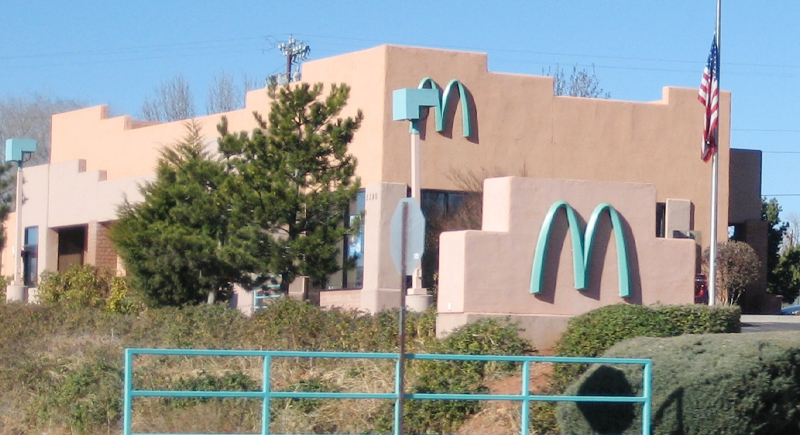
Image via Wikimedia Commons/Big slick69
Sedona became an incorporated city in 1988, just a few years before McDonald’s sought approval for a West Sedona location along State Route 89A. City planners were actively defining how new development should look, with an emphasis on blending structures into the desert setting.
Design guidelines favored subdued tones and materials that matched nearby rock formations and vegetation. The traditional McDonald’s color palette stood out too strongly. City officials and the local franchise owner discussed alternatives that would align with those standards. They finalized a blue-green shade to match nearby buildings in the shopping center and the broader color range of the landscape.
The West Sedona McDonald’s opened in 1993 with the modified arches already in place. The original version of the sign didn’t have internal lighting, which made it difficult to see at night.
In 2015, the arches were updated with backlighting to improve visibility while keeping the same color. The earlier set of arches was later donated to the Sedona Heritage Museum, where it remains part of the city’s local history collection. The restaurant continues operating with the updated blue arches unchanged in appearance.
Different Than Most McDonald’s
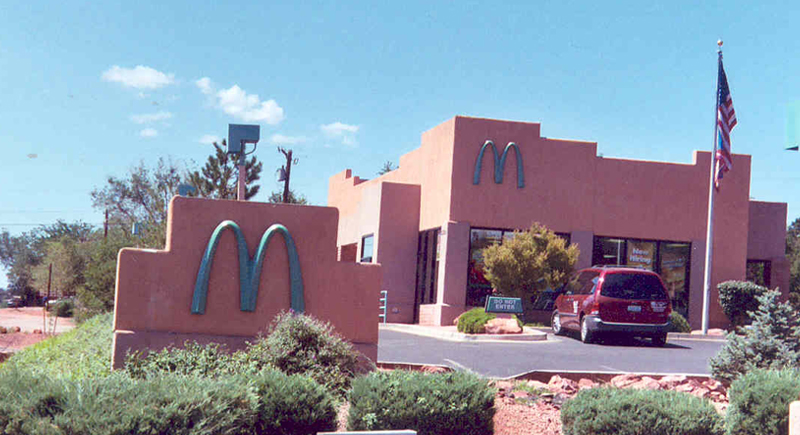
Image via Wikimedia Commons/NNECAPA Photo Library
Color was not the only detail influenced by Sedona’s building standards. Height restrictions also played a role. Unlike many McDonald’s locations where arches tower above the roofline, the Sedona arches are lower and closer to the building.
This approach mirrors how other businesses in the city handle signage. Sedona’s codes aim to limit visual dominance and preserve open views of the surrounding terrain. McDonald’s follows those same rules, which keep it consistent with nearby structures even though the brand itself is instantly recognizable.
From Design Compromise to Tourist Stop
Over time, the blue arches became a frequent photo stop for visitors passing through Sedona. Images of the sign appear in travel guides, social media posts, and roadside itineraries focused on unusual landmarks.
Inside the restaurant, there are no design changes tied to the arches. The menu, layout, and service match McDonald’s locations elsewhere in the United States. The difference exists entirely on the exterior.
More than three decades later, the Sedona McDonald’s shows how local priorities can shape even the most familiar brands.