The “One Euro” Home Trap: Why Buying a Cheap House in Italy Is a Nightmare
The pitch sounds almost unbelievable: buy a house in Italy for just one euro and start living your own version of la dolce vita. Stories about these deals have circulated widely, drawing thousands of curious buyers to small villages across Sicily, Sardinia, and other rural regions. Imagine owning a historic property in Italy for less than the cost of a coffee.
But the purchase price is only a tiny fraction of the real investment. Once buyers begin dealing with paperwork, construction, and repairs, the total cost can climb into the tens or even hundreds of thousands of euros. This seemingly remarkable bargain often turns into a demanding restoration project filled with delays, bureaucracy, and rising expenses.
Why Italian Towns Are Giving Houses Away
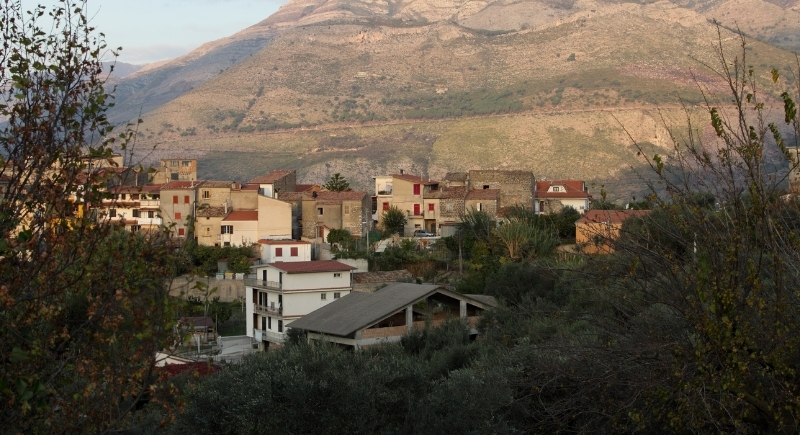
Image via Getty Images/carminesalvatore
These one-euro housing schemes were created as a response to a serious demographic problem. Many rural communities in Italy have been shrinking for decades. The country has one of the oldest populations in Europe, and more than a million people have disappeared from its population over the past ten years. Younger residents often move to larger cities or leave Italy altogether to find work.
As populations decline, historic neighborhoods fill with empty buildings. In towns such as Mussomeli in Sicily, hundreds of houses have been left abandoned. The town once had roughly 15,000 residents, but today that number has dropped to about 10,000 and may continue to fall.
Local governments hope that selling abandoned homes cheaply will attract newcomers willing to restore them. Renovated houses bring residents back into historic centers, generate property taxes, and give struggling towns global attention they could never afford through traditional marketing.
The Hidden Costs Start Immediately
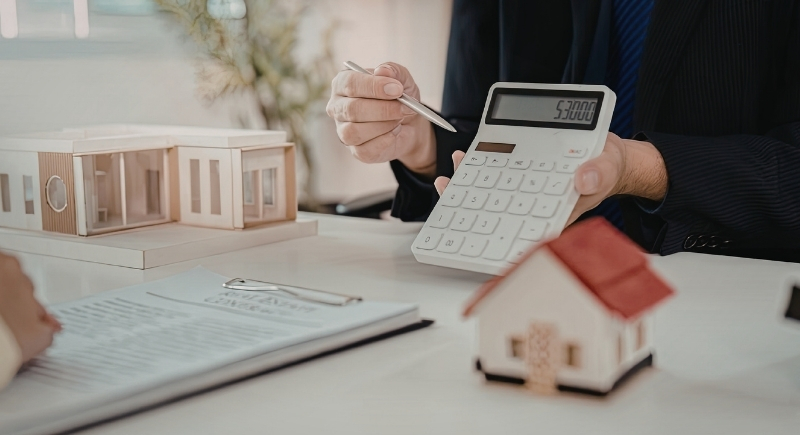
Image via Canva/Felicia Manolache’s Images
One of the biggest misunderstandings surrounding these homes is the purchase price itself. In reality, the transaction involves far more than handing over a single euro.
Notary services, registration costs, legal paperwork, and property inspections can quickly add several thousand euros to the initial purchase. Many municipalities also require buyers to provide a security deposit as proof of their intention to complete renovations, typically around €5,000.
That deposit is refunded only when renovation work is finished within the agreed timeframe. If deadlines are missed, the deposit may be forfeited. Buyers must typically submit detailed renovation plans within a few months and complete construction within about three years.
You’re Not Buying a Home—You’re Buying a Ruin
Many properties have been sitting empty for decades, and years of neglect leave visible damage throughout the structures.
Buyers frequently encounter collapsed ceilings, broken windows, water damage, and rooms filled with debris. In some cases, entire roofs have fallen into the floors below. Turning these neglected buildings into livable homes can require rebuilding large portions of the structure.
Even moderate renovations can cost around €50,000. Larger restoration projects often reach €100,000 or exceed €300,000, depending on the building’s condition and size.
Finding Builders Can Be a Challenge
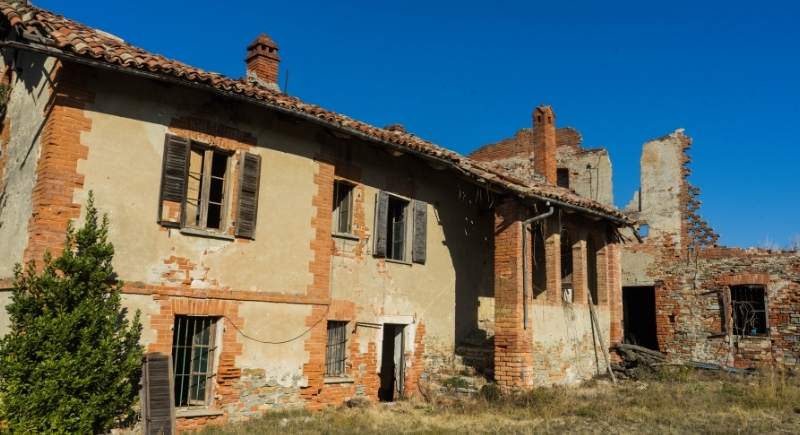
Image via Getty Images/Coscarella Gianfranco
Even after securing permits, renovation work can stall if contractors are unavailable. One buyer who purchased a one-euro house in Mussomeli struggled to find a construction team during a nationwide renovation boom. Government incentives encouraging homeowners to upgrade their properties had already filled contractors’ schedules.
While the owner waited, the empty building continued deteriorating. By the time a builder finally became available, the renovation estimate had doubled, forcing the buyer to abandon the project.
Remote Locations Create Real-Life Challenges
Most one-euro homes are located in villages that have been losing residents for decades. While the scenery around these towns can be striking, everyday life there can be difficult.
Public transportation may be limited, job opportunities are scarce, and infrastructure can be outdated. Access to hospitals, schools, and reliable internet often requires long drives to larger towns or cities.
For many newcomers, the isolation becomes the most unexpected challenge after the excitement of purchasing the property fades.
The One-Euro Price Tag Is Only the Beginning
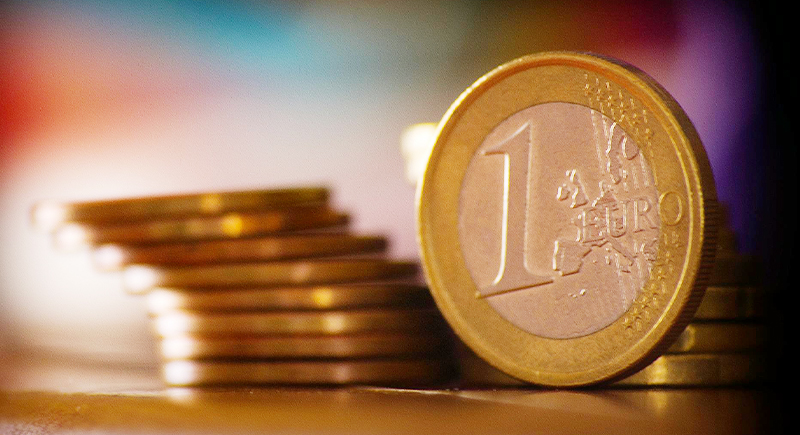
Image via pexels/Carlos Pernalete Tua
Italy’s one-euro housing programs are not scams, but they are frequently misunderstood. The symbolic price simply invites buyers to take on restoration projects that local governments cannot afford to manage themselves.
People with renovation experience, patience, and significant budgets may find the challenge rewarding. Others quickly discover that the cheap purchase price comes with a long list of responsibilities and expenses.
The price attached to these homes captures attention, but it represents only the smallest portion of the investment required to bring one of these abandoned buildings back to life.