The Most Exclusive Ski Town on Earth Is Hiding in Switzerland
Gstaad occupies a distinctive position within the Alpine resort market. For more than a century, it has attracted European royalty, established industrial families, and high-net-worth property owners who return season after season.
The village of Gstaad sits in Switzerland’s Bernese Oberland at about 1,050 meters (3,444 feet) above sea level. The area keeps a low-rise character shaped by traditional wooden chalets.
Local building regulations limit large vertical development, which protects a consistent architectural style across the valley. While many major Alpine resorts expanded rapidly over time, Gstaad’s overall footprint has remained relatively stable.
A Century of Elite Loyalty
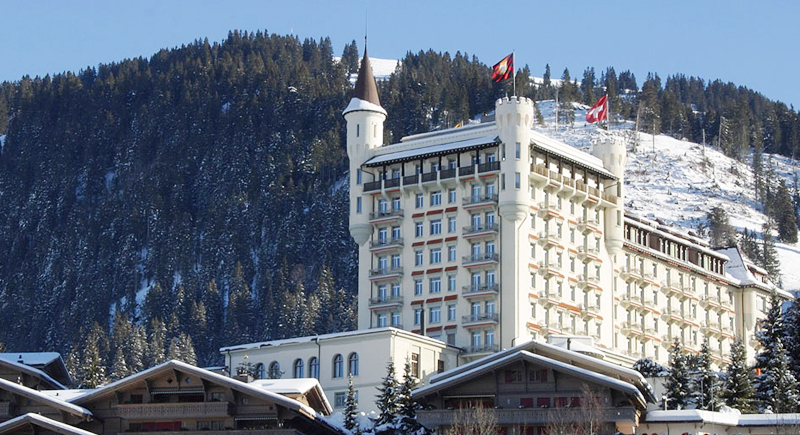
Image via Wikimedia Commons/Roland Zumbühl
The arrival of the narrow-gauge railway from Montreux in the early 20th century connected Gstaad to a broader European clientele.
By the postwar decades, it had become a seasonal residence for prominent international figures, including Grace Kelly and Prince Rainier, Elizabeth Taylor and Richard Burton, Princess Diana, Roger Moore, and Jackie Kennedy.
Gstaad Palace, operating since 1913, remains one of the village’s central institutions. Families who established homes here in the mid-20th century often maintain property ownership across successive generations, reinforcing long-term social continuity.
Skiing and Terrain
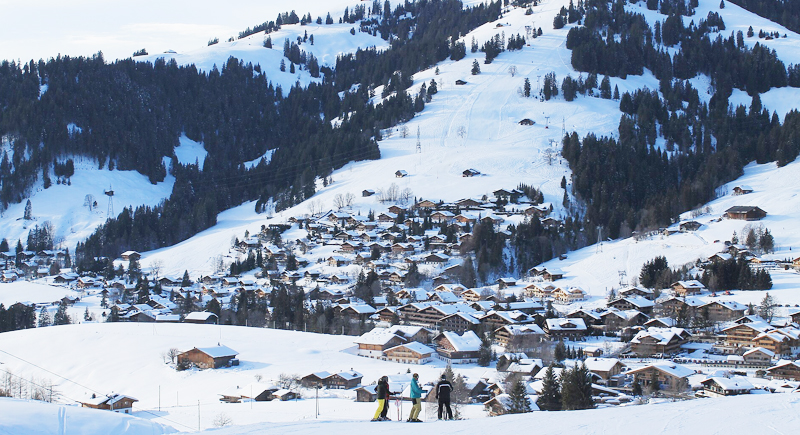
Image via Wikimedia Commons/Patrick Nouhailler’s
The wider Gstaad Mountain Rides region encompasses approximately 220 kilometers of pistes (137 miles), including access to Glacier 3000, which rises to 3,000 meters (9,800 feet). This higher elevation extends the ski season beyond what the village’s base altitude might otherwise allow.
Terrain across the region ranges from moderate cruising slopes to more demanding runs, such as the Tiger Run at Wasserngrat, which descends at a 45-degree gradient over 2.5 kilometers.
Heliskiing is available under regulated conditions and offers access to designated off-piste terrain. Compared to several high-profile European resorts, skier density on many runs remains lower, particularly outside peak holiday periods.
Social Structure and Access
Gstaad’s social life centers largely around private residences. The village core is predominantly pedestrianized, and nightlife infrastructure is limited in scale. Property ownership plays a significant role in shaping access, as many gatherings and events occur within private chalets.
The Eagle Club, a private mountain dining club located above the resort, operates on an invitation-only basis. Reported membership fees are approximately £35,000.
Attendance has included heads of state and senior industry figures, with guest access restricted annually. Entry is extended through established networks. There is no public application.
Hospitality and Investment
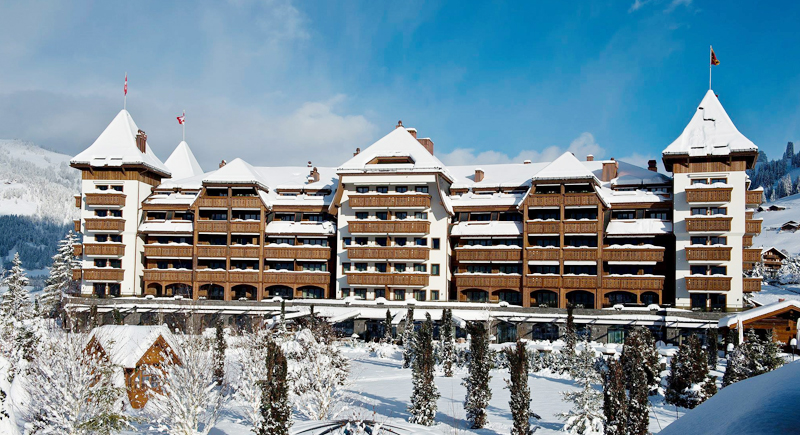
Image via Facebook/The Alpina Gstaad
Recent decades have seen substantial investment in high-end hospitality without altering the village’s overall scale. The Alpina Gstaad opened following an investment reported at approximately £240 million ($323.2 million).
Its facilities include a Six Senses Spa of more than 25,000 square feet, featuring hammams, salt rooms, and indoor and outdoor pools oriented toward the surrounding peaks.
There’s also Le Grand Bellevue, which combines historic architecture with a roughly 30,000-square-foot spa complex. Gstaad Palace continues to host formal events and maintain a year-round presence. Michelin-starred restaurants such as Sommet and Gildo’s Ristorante contribute to the village’s culinary profile.
At Glacier 3000, Restaurant Botta, designed by architect Mario Botta, sits in a prominent, high-altitude location with panoramic mountain views.
Beyond Winter
Gstaad maintains a year-round events calendar. The Menuhin Festival brings international classical musicians to the region during the summer season, while the Swiss Open tennis tournament attracts professional players and spectators. This diversified programming reduces reliance on winter snowfall and supports sustained annual occupancy.
Although the village base sits at 1,050 meters, Glacier 3000 provides access to higher-altitude skiing that improves seasonal reliability amid broader climatic variability affecting lower-elevation resorts.
Development controls, long-term property ownership, and selective social institutions shape Gstaad’s identity within the Alpine landscape.
Within a competitive European ski market, this combination of architectural regulation, concentrated ownership, and generational continuity has allowed Gstaad to retain its status without significant physical growth.