
Leave the car behind, and ordinary clues start becoming useful: market stalls, receipts, transit stops, and conversations can lead you deeper into a neighborhood than driving between saved pins.
Start at the wet market, not the postcard square
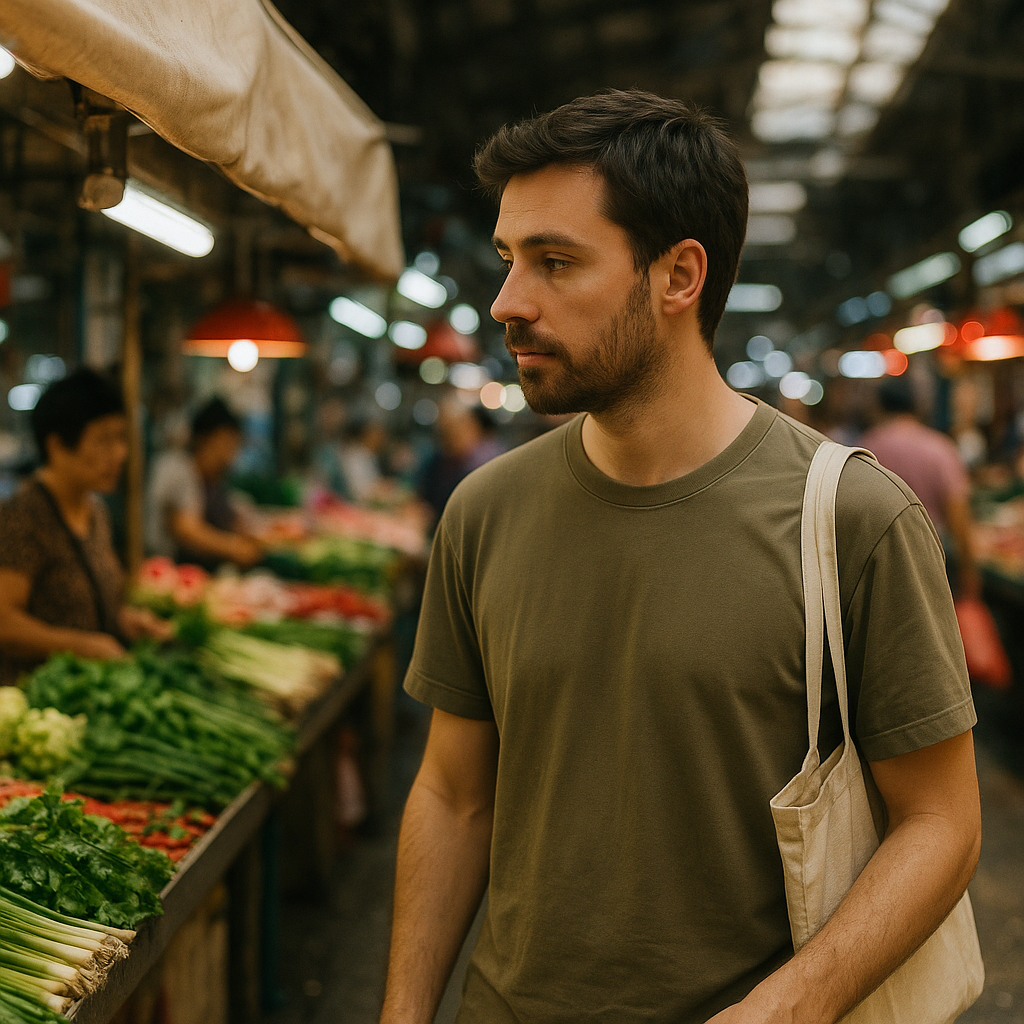
I used to do the obvious thing: pick a famous landmark, then wander until hunger forced me into the nearest place with an English menu. It works, but it also turns every city into the same trip. The first time I built a local food tour on foot around a wet market, the whole day got more interesting, and not in a precious, curated way. Markets change character through the morning. Early shoppers may be buying ingredients before work or preparing for the day, while later hours can bring different vendors, customers, and rhythms. Spending time there gives me a better sense of how the surrounding neighborhood operates.
Here’s the move: don’t go hunting for a single hero dish. Walk one full loop without buying anything. Listen for what’s being called out, watch what’s getting weighed fast, and clock which stalls have a tiny line even though ten options are selling the same thing. Then buy one small item that makes you talk to someone. A paper cone of roasted nuts. One bruised peach. A little bag of spice mix that you can’t identify. When you ask how to use it, you get directions that aren’t in any guide: “two streets over, she sells the noodles,” or “go after 11, the broth’s done.” That sentence is your tour itinerary.
If you’re traveling car-free, this is also the easiest way to make the most of daylight. You’re not hauling a bunch of groceries; you’re collecting edible breadcrumbs. I’ll tuck the snack in a tote bag, take two bites outside, and keep moving. The goal is to let the market set your walking radius for the next two hours, then follow the food outward into the side streets where the city stops performing.
Ask for the five-minute snack, then follow the foot traffic
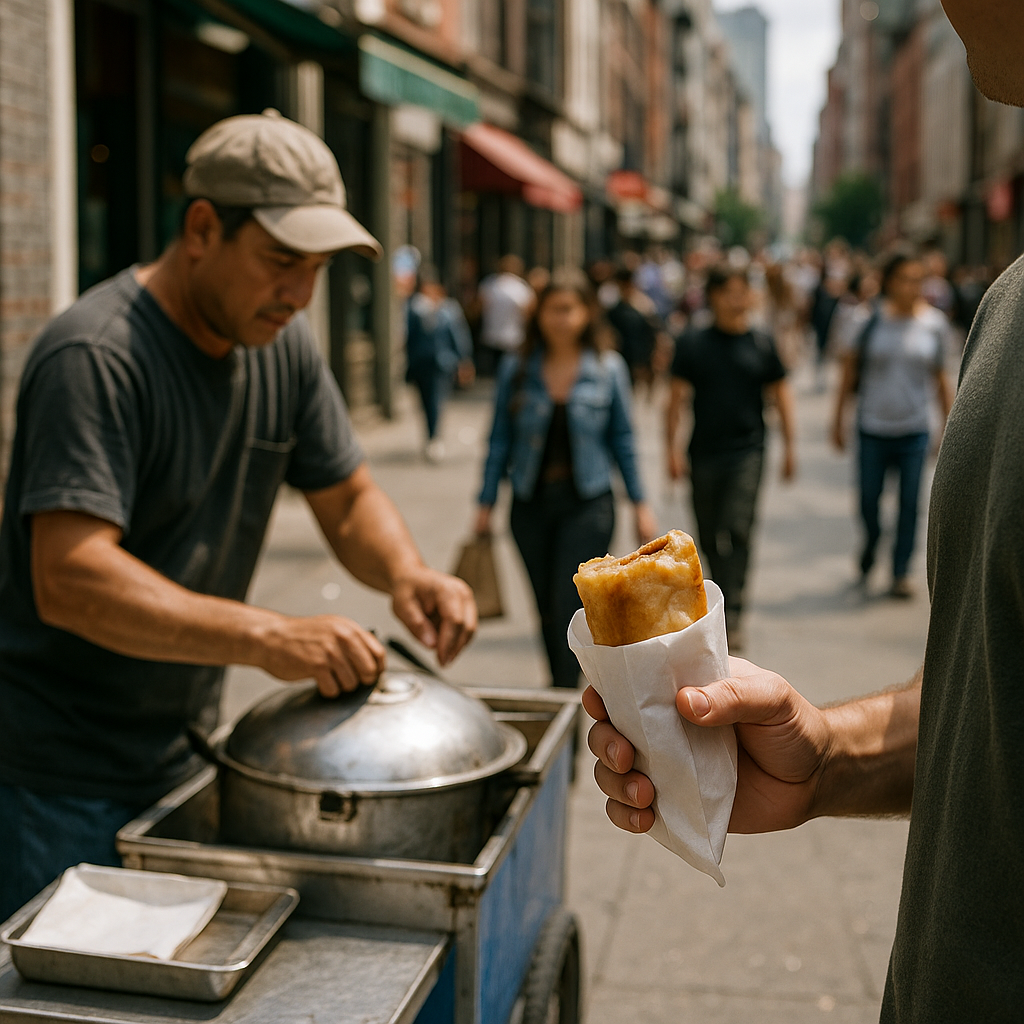
I’ve learned to stop asking, “What’s the best place to eat?” because it makes people freeze. Best is a loaded word. Ask for something smaller, and you’ll get a real answer: “What’s the five-minute snack around here?” or “If I’m walking, what do I eat with one hand?” That’s how you find the stand that locals hit between errands: the cart with the dented metal steamer, the bakery window where the trays empty in waves, the little counter that only sells one thing and sells it fast.
Once you’ve got that first snack, don’t sit down. Eat it while you walk a block or two and watch what happens around you. Are people stepping into a narrow shop to grab iced coffee and immediately stepping back out? Are delivery riders queuing outside a basement doorway with a handwritten sign? That’s your next stop. This is the part of a car-free day I love: the city tells you where the energy is because you’re moving at the same speed as everyone else. You can hear the espresso grinder before you see the cafe. You smell frying oil, then you find the stall. It’s a whole different information system from driving from pin to pin.
A practical note from doing this the hard way: pace your “big flavors.” If the snack is salty and fried, make your next stop something bright, cold, or brothy. I’ve wrecked plenty of afternoons by stacking rich bites back to back and realizing, too late, that my feet are fine but my stomach’s begging for a reset. When I’m building a walking food loop, I’ll intentionally slot in a fruit cup, a yogurt drink, or a simple tea after something heavy. It’s not about being virtuous. It’s about making it to stop four without feeling like you need a nap on a park bench.
If you’re not sure what to order, watch hands, not faces. Look for what people carry away without stopping to take photos. Seeing what people regularly order can give me a clue about what is popular nearby, although I still decide for myself what looks worth trying.
The receipt becomes your mini map (and your icebreaker)
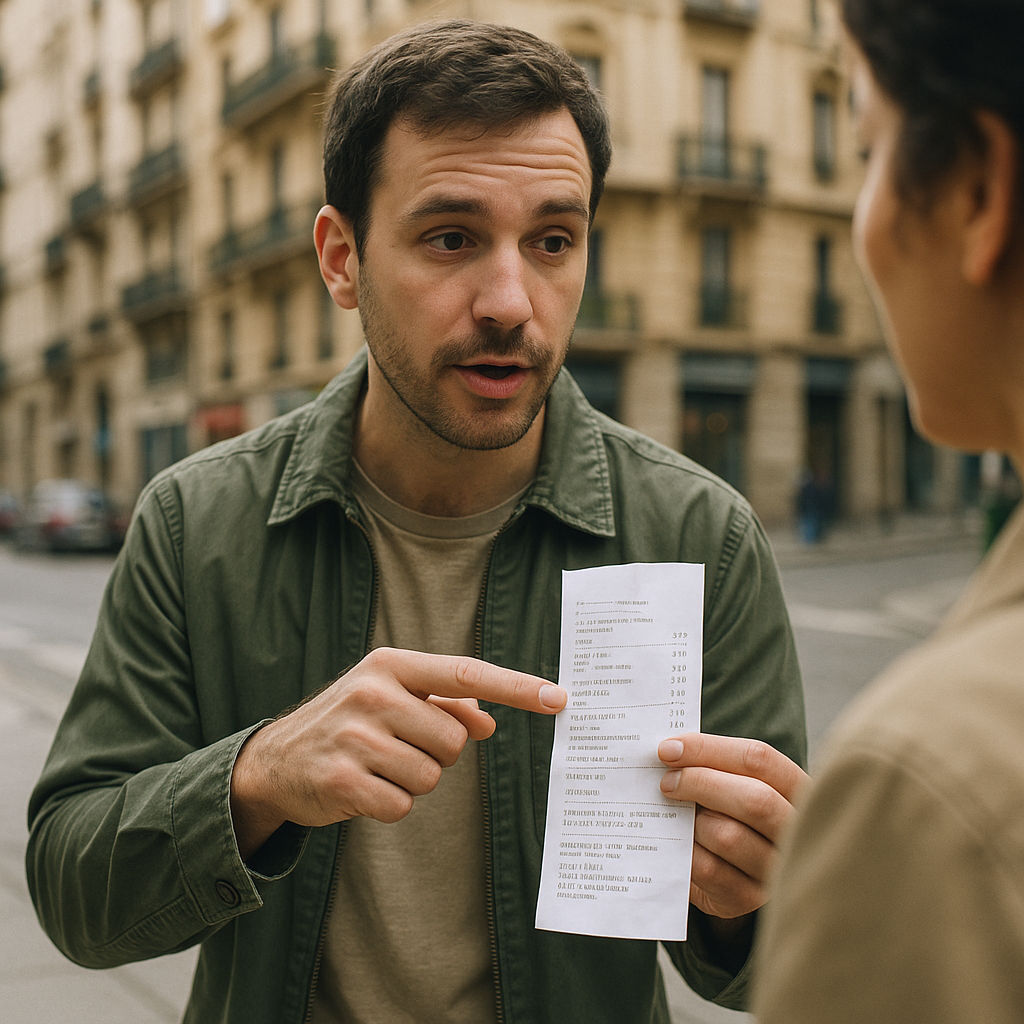
This sounds silly until you try it: keep the receipt from each stop and let it steer the rest of the walk. I don’t mean as a budget tracker. I mean, as a physical breadcrumb that’s full of local clues. A receipt can give you useful clues: the business name, what you ordered, the price, and sometimes an address, phone number, or other local details. What appears on it varies widely, so I treat it as a starting point rather than a definitive guide.
Here’s how I use it in real time. After stop one, I scan the line items and pick one thing I don’t recognize. Then I ask the next person I interact with, “Hey, do you know what this is?” and I literally point at the receipt. It’s lower-stakes than shoving a phone in someone’s face, and it invites stories. A baker will tell you their version is better. A barista will tell you the traditional pairing. A shopkeeper might point you toward the older place that everyone’s comparing it to. That’s the people part you miss when you zip between destinations.
The other trick is the address line. When I’m walking, and I want to keep the tour tight, I’ll look at the postal code or district on the paper and decide, right there on the curb, that I’m not leaving it. That constraint is what makes the afternoon feel like you understood one slice of the city instead of sampling five disconnected blocks. If I do need to hop somewhere, I’ll use transit as locals do: a quick bus or metro ride, then back on foot as soon as I pop up. The receipt helps me return to the same radius later, even if I got turned around.
By the end, my pockets are full of crumpled paper that smells faintly like coffee and grilled onions, and I can replay the day just by flattening them on the hotel desk. It’s a tiny, unglamorous souvenir, and it’s weirdly accurate.