The Logistical Magic of the World’s Best Hotel Concierges
A family wants to leave rainy London and be on a beach the same day. Another guest needs luxury purchases delivered across borders overnight, right in time for New Year’s. These aren’t rare requests. They land on a concierge’s desk all the time.
At the best hotels, the job goes far beyond bookings and recommendations. Concierges handle complex, time-sensitive problems with little room for error. Their role is simple in theory: make it happen. In practice, it takes connections, speed, and a level of resourcefulness most guests never see.
Requests Turn Into Operations
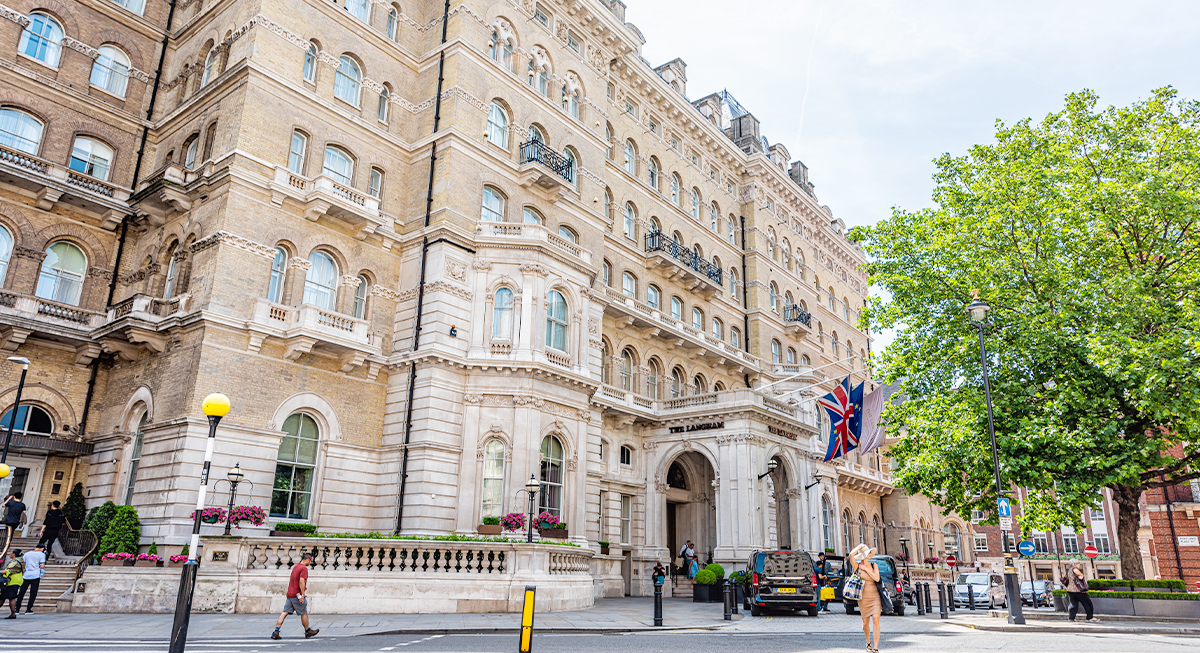
Image via iStockphoto/krblokhin
At top hotels, the concierge works beyond the usual departments. When a request falls outside what the front desk, restaurant staff, or porters can handle, it lands with them. That can mean finding rare items on short notice, managing tight timelines, or coordinating plans across multiple cities in a single day.
At The Langham, London, concierge Rashid Ali built a 34-year career handling exactly this kind of work. One idea drives it: say yes first, then figure it out. From there, everything depends on strong relationships and fast coordination between airlines, transport providers, and trusted local contacts.
This is why extreme requests keep showing up. Guests have asked for goats transported across long distances to meet dietary needs, designer stores opened in the middle of the night, and marriage proposals staged inside private dining spaces with underwater displays. Each request becomes a chain of calls, approvals, and timing decisions that must line up perfectly.
The Network Behind Every “Yes”

Image via iStockphoto/Svitlana Hulko
The real asset isn’t the hotel, but the network. Top concierges spend years building relationships with restaurants, galleries, transportation services, and event organizers. Those relationships open doors that standard bookings can’t. Businesses also recognize the value of these connections. A single recommendation from a concierge at a five-star hotel can bring in hundreds of high-spending guests over time.
Membership in Les Clefs d’Or signals how deep that network runs. Founded in 1929 in Paris, the organization now includes about 4,000 concierges worldwide. Entry requires years of service, references, and strict evaluation. Members rely on each other across cities, which allows a request in London to be handed off smoothly to a counterpart in New York or Dubai. So a guest can move between destinations and still receive the same level of access and attention.
Precision, Memory, and Timing
Behind the scenes, the job runs on detail. Concierges track guest preferences down to specific habits. Favorite restaurants, dietary restrictions, room layouts, and travel patterns all inform future bookings.
But personalization goes beyond data, and cultural awareness plays a major part when working with international travelers. Service expectations, communication style, and even meal timing can shift based on background. The ability to adjust in real time keeps the experience smooth.
Timing also drives everything. A missed reservation or a delayed transfer can unravel an entire itinerary. That’s why concierges often build backup plans into every request. If a flight changes or an event sells out, an alternative is already in place.
Human Skill Is At The Forefront

Image via Canva/Aflo Images
Technology has entered the space, but it handles only part of the workload. Digital platforms now assist with reservations, messaging, and itinerary planning. Services like Velocity Black even combine human teams with artificial intelligence to deliver responses within minutes. These tools improve speed, especially for routine requests.
Complex situations still rely on human judgment. A last-minute route change, a sensitive request, or a multi-country itinerary requires negotiation, discretion, and experience. Guests also expect a level of trust that software can’t provide.
Concierges often step into roles that go beyond logistics. They manage crises, calm stressed travelers, and solve problems that fall outside standard systems. That human element keeps the role relevant, even as technology continues to expand.
At luxury hotels, the concierge often becomes the main reason guests return. Staff like Petar Yordanov at The Dorchester and Maurice Dancer at The Pierre in New York have built long-term relationships with clients who return year after year. The consistency is important because restaurants change, venues open and close, and cities shift quickly. Staying current requires constant research and regular presence across the local scene.
Discretion also shapes the experience. High-profile guests rely on concierges to manage privacy, coordinate arrivals, and handle sensitive requests quietly. In places like Venice’s Hotel Cipriani, this can include managing paparazzi or securing private access points.