The Japanese Telephone Booth Used to Speak to Loved Ones Who Have Passed
In Japan, a disconnected telephone booth became an unexpected space for private grief. The booth, often referred to as the “wind phone,” enables people to speak with loved ones who have passed away and express what was never said.
It was created by Itaru Sasaki, a retired resident of Otsuchi, after the death of a close family member. He installed an old telephone booth in his garden and placed inside it a phone that was not connected to any network. For Sasaki, speaking into the receiver helped organize his grief.
After the 2011 earthquake and tsunami devastated northeastern Japan, killing thousands and deeply affecting Otsuchi, Sasaki opened the booth to the public. It soon became a place where survivors could express loss in their own words.
Why a Phone, And Not a Memorial
A phone asks for speech as people step inside, pick up the receiver, and talk. The words are usually simple, often involving updates about school, health check-ups, loneliness, and apologies. The conversations sound like life continuing.
Psychology research already supports the idea that speaking directly, even without response, helps organize thoughts and release emotional tension. Practices such as letter writing to the deceased or empty-chair exercises rely on the same principle. The Wind Phone strips those techniques down. Most people already know how to use a phone, so there’s no learning curve required.
Grief Without Belief Requirements
Visitors do not need to believe anyone answers. Many treat the call as one-way, while others feel comfort imagining they are heard. The difference rarely matters because relief comes through expression, not confirmation. This helps explain why the concept spread beyond Japan. As of 2025, approximately 249 public Wind Phones are located in the United States, typically placed in parks, along walking trails, or on church grounds. Each location remains free to use, and most were built by people honoring someone they lost.
What People Actually Say Inside the Booth

Image via Pexels/Tan Danh
Reports from visitors show a pattern that repeats across countries. The calls avoid dramatic speeches and focus on everyday details. Grandchildren share milestones, partners describe new routines, or parents admit they feel tired or lonely. Children also use the phones efficiently. They speak without hesitation, treating the receiver as a bridge rather than a symbol.
A Global Idea With Fragile Edges
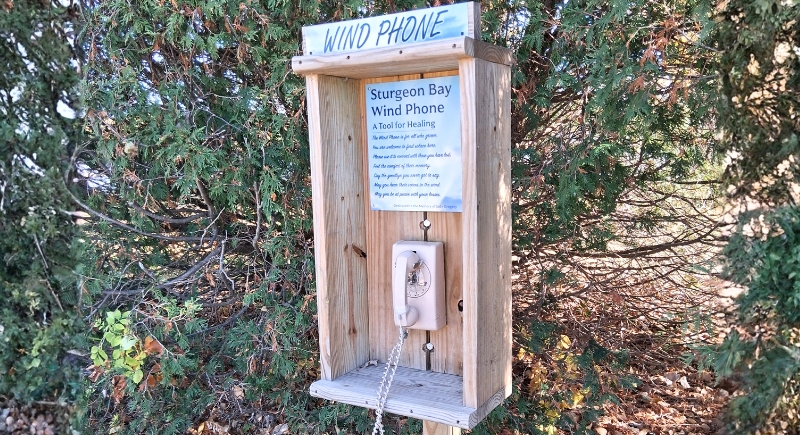
Image via Wikimedia Commons/Cana1sland526
As Wind Phones gained attention, questions followed. Some worried about commercialization, while others debated guidelines for what qualifies as a proper Wind Phone. The original creator pushed back against formal certification, stressing that grief does not follow checklists. The booth works best when it stays personal and unpoliced.
Despite debates, the original structure in Otsuchi remains active. Sasaki still maintains the site himself. Visitors continue to arrive carrying words that never found another place to be received.