The Insane Story of How Australia’s Floating Hotel Ended Up in North Korea
Australia approved the world’s first floating hotel in the late 1980s, a seven-story structure anchored over the Great Barrier Reef and marketed as a five-star destination. The hotel, built in Singapore for over 40 million Australian dollars, opened in March 1988 with impressive amenities, including direct access to the reef waters. It operated for about a year before financial strain forced its closure. Over the next three decades, the same structure traveled thousands of miles, changed owners multiple times, and ultimately became part of a tightly controlled tourism zone in North Korea.
A Luxury Idea That Pushed Its Luck
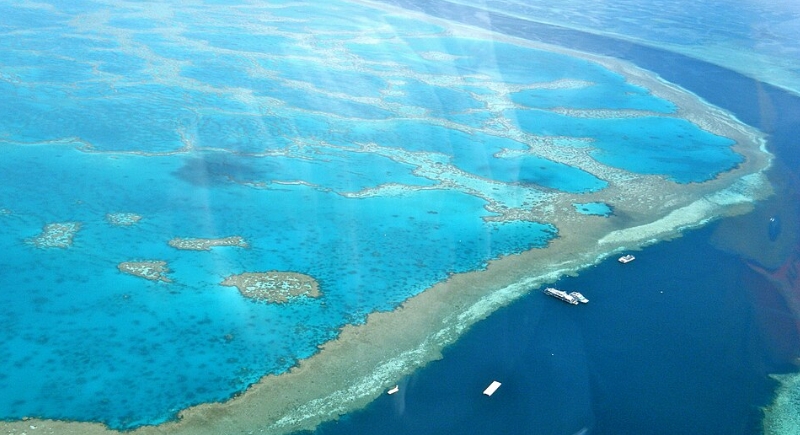
Image via Wikimedia Commons/Sarah_Ackerman
The concept was bold even by 1980s standards. It involved building a permanent hotel over the Great Barrier Reef, so that guests could sleep steps away from coral instead of racing back to shore by sunset. Construction began in 1986 at a shipyard in Singapore. Engineers designed a floating structure with nearly 200 rooms, nightlife venues, restaurants, and a helipad. Anchors were fixed to the seabed without damaging the coral. The waste stayed onboard and was returned to the mainland for disposal.
The hotel opened in March 1988 as the Four Seasons Barrier Reef Resort. Rooms were expensive. Helicopter transfers cost roughly $350 round-trip in today’s money. The target guest wanted bragging rights, not budget travel. Early photos showed neon interiors and a vibe that screamed late 1980s confidence.
Reality Shows Up Fast
The ocean refused to cooperate. Rough seas disrupted transport, guests missed flights, and crews scrambled during storms. A cyclone hit just before opening and destroyed the freshwater pool. Staff learned to read wave conditions by watching a hanging bottle sway inside the building.
Even fans admitted there was little to do beyond diving, snorkeling, eating, and drinking. After about a year, the numbers began to make no sense. The dream faded, and the structure went up for sale.
Reinvention On The Water
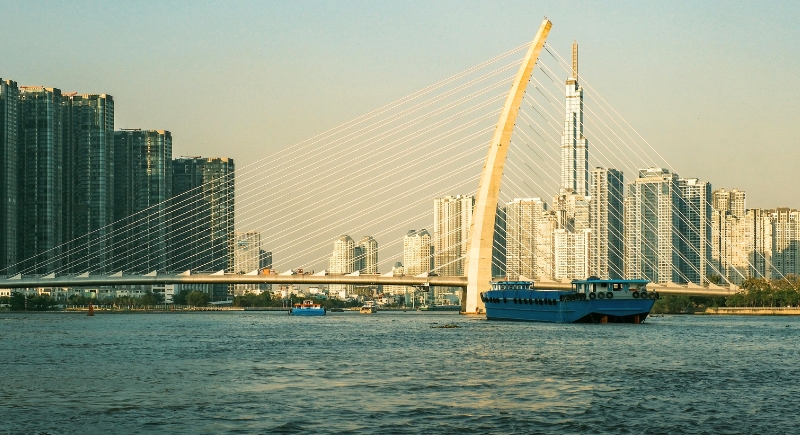
Image via Pexels/Nguyen Duc Toan
A buyer in Vietnam saw an opportunity rather than a failure. The hotel moved thousands of miles and reopened on the Saigon River in 1989. Locals nicknamed it The Floater. This time, success followed. The building remained connected to the land, nightlife thrived, and tourists filled the rooms. For nearly a decade, the floating hotel was a smart business decision. But the money dried up again, and the structure closed in 1998. Instead of scrapping it, another buyer stepped in.
A Very Different Audience
North Korea purchased the hotel in the late 1990s as part of a joint tourism initiative tied to Mount Kumgang, located near the border with South Korea. The building was renovated again and reopened in 2000 under a new name, Hotel Haegumgang. A South Korean company managed operations. Tour buses arrived. Over two million visitors passed through the region during a brief thaw in relations between the two countries. The floating hotel served a role that few luxury properties ever see. It became part of family reunion programs tied to the Korean War. It hosted tightly controlled tourism inside a restricted zone. Its past life as a resort on the reef felt almost unreal.
An Unexpected Ending
In 2008, a shooting incident involving a South Korean tourist shut the area down. The hotel sat idle at the dock. Reports later suggested that it served only political elites, although details remained scarce.
In 2019, Kim Jong Un inspected the Mount Kumgang facilities and criticized them as outdated. Demolition orders followed. South Korean intelligence later reported that Hotel Haegumgang likely disappeared during demolition efforts in 2022.
The structure that once hovered over coral reefs traveled more than 8,700 miles across oceans and borders. It chased luxury travelers, nightlife crowds, and diplomatic experiments. It ended its life far removed from its original promise.