
From weaving co-ops to maker demos, these three moments show how craft survives when tourists show up hungry for souvenirs.
Follow the maker's hands, not the souvenir wall
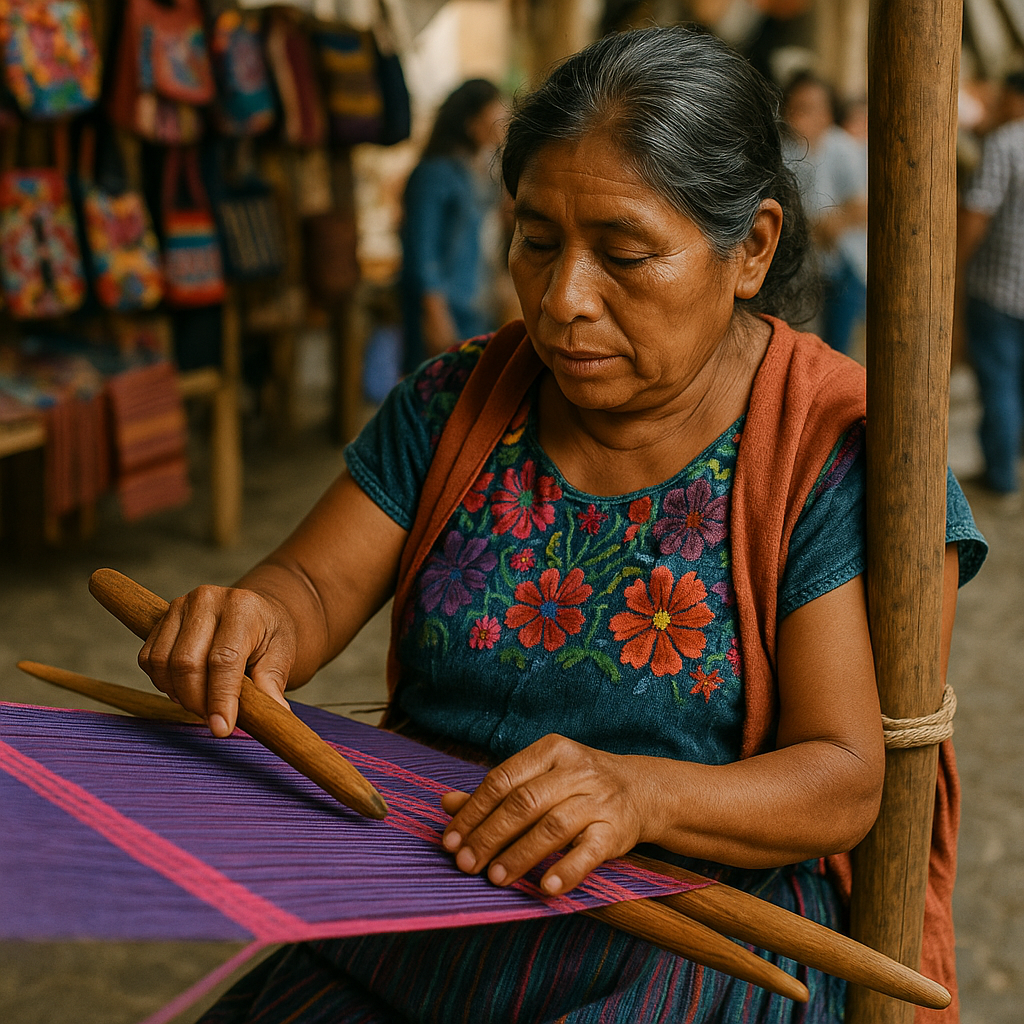
I learned this the hard way in Oaxaca, after I did the classic thing and bought a woven bag because it looked good in a stall photo. Ten minutes later, I wandered into a corner where a weaver had a backstrap loom tied around her waist and a post, and the whole place sounded different. The clack of the batten. The steady little rasp as she packed the weft. People stopped talking the way they do when they realize they are watching someone do a thing they can't fake. That moment is where craft stays alive, because it isn't just an object, it's a process on display, with the person who owns the skill right there to be paid and respected.
If you're in a popular destination market, treat it like a working studio and read the setup before you touch anything. Are there tools on the table (loom sticks, shuttles, carving knives, a stitching pony), or is it only finished product? Do you see half-done pieces, raw fiber, or dye-stained fingers? When a festival claims it's celebrating local tradition, the proof isn't on the banner, it's in whether makers are given space to demonstrate without being shoved into a corner like background scenery.
When I want to spend money in a way that helps preservation, I ask one boring, practical question: what part of this was done here? Not as a gotcha, just to invite a real answer. A woodcarver will tell you about the gouges he uses and the grain direction. A potter will point to the foot ring and the glaze run. A textile maker will talk about warp tension like it's weather. If the answer turns into vague sourcing talk and a pitch to buy two, I back away. There's no shame in selling imports, but it doesn't keep the regional craft lineage going when the destination gets trendy.
The co-op booth is where the tradition has a future
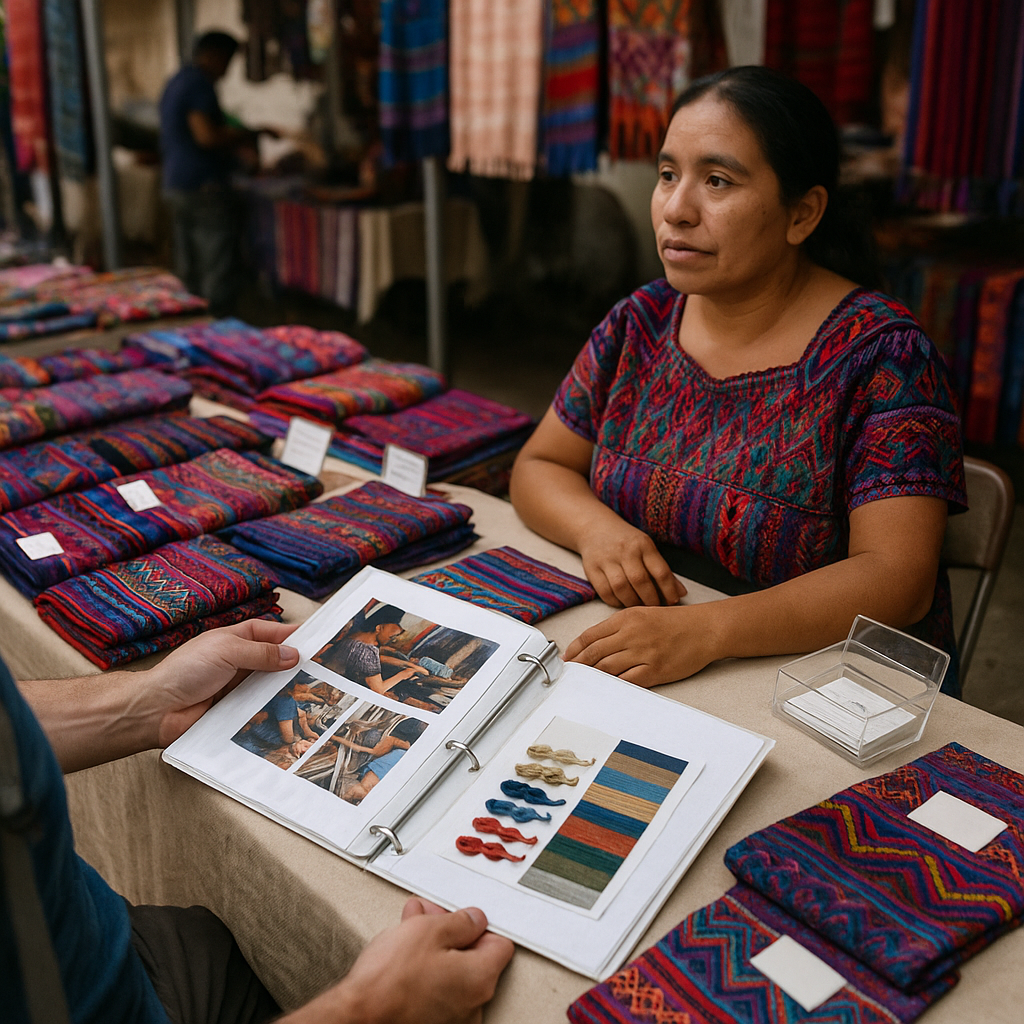
There is a certain look to a co-op table at a market or festival. It's less polished than the glossy souvenir booths, more paperwork, more labels, sometimes a little binder with photos of the workshop. The first time I noticed it was at a craft fair in the highlands of Guatemala. One stall had the same kinds of textiles as three others, but this one had weavers rotating in and out, and the prices were consistent across designs instead of wildly swinging based on what they thought tourists might pay. I ended up spending longer there than anywhere else because the conversation stayed grounded: who made what, how long a huipil takes, which natural dye is stable and which one will fade if you leave it in a sunny window.
In a popular destination, demand can either protect a craft or hollow it out. Co-ops and collectives are one of the few structures I've seen that make it harder for the hollowing-out to happen. When the festival crowds hit, individual makers get pressure to crank out volume, simplify patterns, or outsource the slow parts. A co-op can say no more easily, because there's a shared standard and a shared reputation. It can also keep skills from bottlenecking in one household. I've watched younger artisans sit at the edge of a booth, quietly repairing fringe or finishing seams, picking up the boring parts that make the fancy parts possible.
How do you spot the difference without turning your trip into an interrogation? I look for three tells.
- Consistency in attribution: tags that name a maker or at least a community, not just a brand name.
- Process proof: photos of the workshop, a small sample card of threads, or a display that shows steps, not just outcomes.
- Clear pricing logic: signs that explain size, materials, and time rather than a hard sell.
Then I buy something small if I'm unsure. A woven band, a set of hand-stitched ornaments, a simple carved spoon. It supports the booth without forcing me into a purchase I don't understand. The bigger win is that it keeps the booth viable at the festival next year, which is how regional craft survives the cycle of travel trends.
Watch the repair demo: it's preservation in plain sight
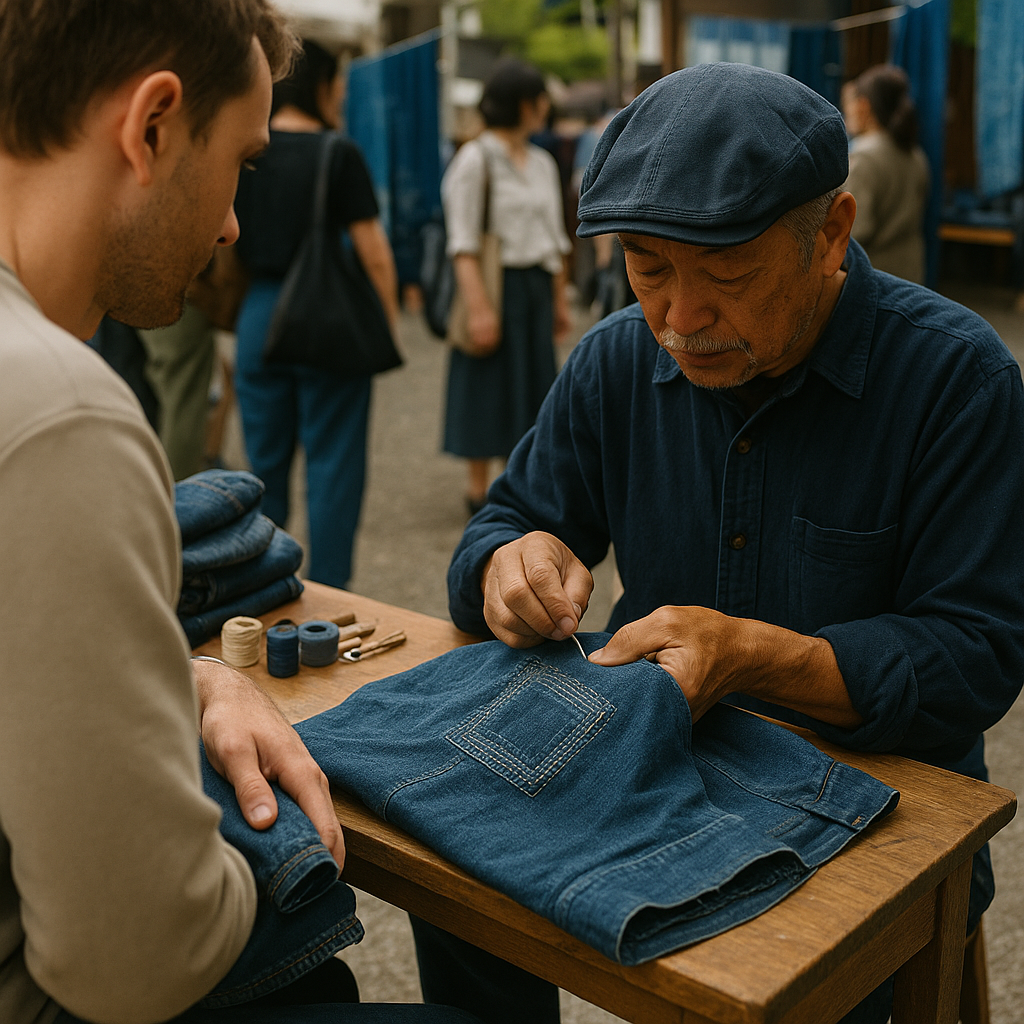
Most travelers are trained to look for the purchase moment. I try to find the maintenance moment instead. If a festival has a mending or repair demo, stop. It's not flashy, but it's one of the clearest signs that the organizers care about keeping a practice alive instead of just moving product for a weekend.
I stumbled into this at a coastal town festival in Japan where a small group was doing visible mending on indigo-dyed workwear. Not a runway thing, just practical stitches done with a calm, stubborn neatness. You could hear the needle catch on heavier fabric and the soft snap when thread was pulled tight. People stood there with their own worn pieces folded over their arms, like they were waiting at a clinic. The maker running it didn't talk about trends. He talked about where fabric fails first, how to patch a knee so it bends without puckering, and why he prefers a certain thread weight because it holds up to repeated washing.
That kind of table changes how outsiders behave. Instead of buying a new thing because it's photogenic, they start valuing the old thing they already own. And for local artisans, repair work can be steady income between festival spikes. It also keeps knowledge circulating: how to darn a sock, how to re-seat a handle on a basket, how to tighten a loose cane weave, how to sharpen a carving gouge without changing the bevel.
If you're trying to support artisan craft preservation with your feet and your wallet, repair demos give you a clean path. Show up with a question that's specific enough to answer: where would you reinforce a strap on a handwoven bag, what stitch keeps a patch from curling, what finish do you use so a wooden spoon doesn't feel fuzzy after drying. Pay for the repair if they offer it. Tip if tipping is normal there. And if they don't take repairs on the spot, buying the needle, thread, wax, or small kit they recommend (as products to look for, not as a store run) is still a vote for the skill, not just the souvenir.