The Grossest Rule About Rafting the Grand Canyon Is That You Must Pack Out Your Poop
Rafting through the Grand Canyon comes with a long list of expectations, including towering canyon walls, cold river water, and nights spent camping under open skies. However, one rule tends to surprise people more than any other: every multi-day rafting trip through the canyon requires participants to carry their human waste out with them. It has been part of river management for decades and plays a crucial role in maintaining the canyon’s usability, cleanliness, and safety for the thousands of people who pass through each year.
Why the Grand Canyon Requires Human Waste to Be Packed Out
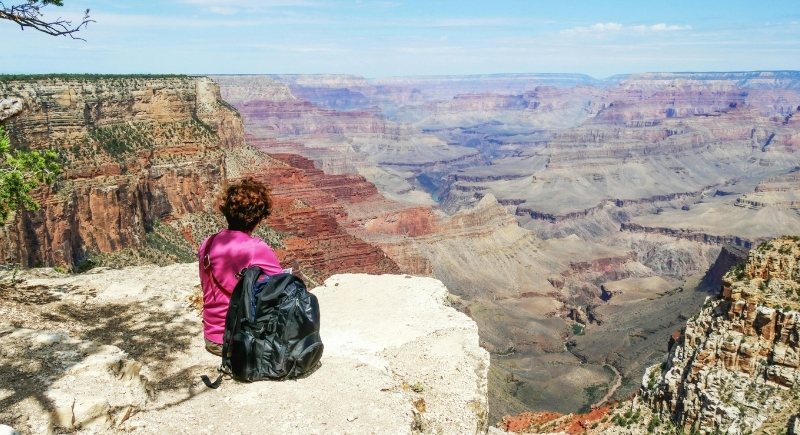
Image via Pexels/Rino Adamo
The Grand Canyon is a desert environment with limited soil, limited space, and extremely high visitor traffic. River trips follow a narrow corridor where campsites exist on sandbars reused night after night by different groups.
In environments with deep soil and active microbes, human waste can break down naturally when buried. In the canyon, sand lacks the biological activity needed for decomposition. Waste left behind would remain largely intact for years.
With tens of thousands of rafters using the same campsites annually, leaving waste behind would quickly overwhelm the landscape. The rule protects both the campsites and the Colorado River, which supplies water to millions of people downstream.
How Waste Is Managed on a River Trip
Every permitted rafting group is required to carry a portable toilet system. On the river, this system is commonly known as a groover. It is a sealed container fitted with a toilet seat and placed in a designated spot at camp each afternoon.
All solid human waste and toilet paper go into the groover. The container is sealed, secured on a raft during travel, and transported out of the canyon at the end of the trip. Guides set it up daily and pack it away each morning.
If someone needs to use the bathroom during the day while traveling, guides provide personal waste bag systems designed to contain and neutralize waste until it can be stored properly.
Why Does Urine Go Into the River Instead?
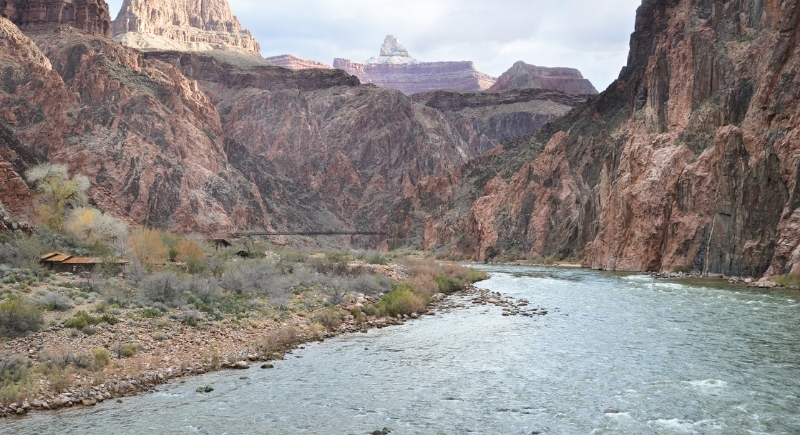
Image via Getty Images/TokenPhoto
The rules change when it comes to urine. On Grand Canyon river trips, all urine is disposed of directly into the river, and the reason is environmental management.
In a dry desert setting, repeated urination on land leads to salt buildup, lingering odors, and long-term damage to campsites. The river’s flow disperses liquid waste efficiently and prevents concentrated impact in any one location.
Guides plan frequent stops so people can step into the water or use the river’s edge.
How This Rule Became Standard Practice
Packing out human waste is common in heavily used or environmentally sensitive areas. Similar requirements exist in parts of Zion National Park, Mount Whitney, and popular desert backcountry routes.
The Grand Canyon stands out because of its scale and the constant reuse of campsites along the river. Some camps see visitors almost every night of the year. Strict waste management allows those sites to remain usable over time.
The rule has been enforced for decades and applies equally to commercial outfitters and private permit holders under National Park Service regulations. Carrying human waste is part of the responsibility that comes with accessing one of the most heavily visited wilderness corridors in the country.
People who complete the trip often describe the rule as unusual at first and routine by the end. It becomes another part of daily life on the river, alongside rowing, cooking, and breaking camp. The Grand Canyon demands careful stewardship from everyone who travels through it, even in its least glamorous aspects.