The Brilliant Logistics Behind Sicily’s Floating Ice Cream Shop
Cefalù is located along the northern coast of Sicily, about 45 minutes east of Palermo by train. Its main beach fills up fast in summer. Once people are in the water, they tend to stay there for hours. Getting out means losing a good spot, drying off, and dealing with crowded sand.
That’s where the gelato boat makes sense. Instead of waiting for customers to come ashore, it goes straight to them. Swimmers can grab a cone without leaving the water, turning a simple idea into a smart, well-timed solution.
What Makes The Model Work
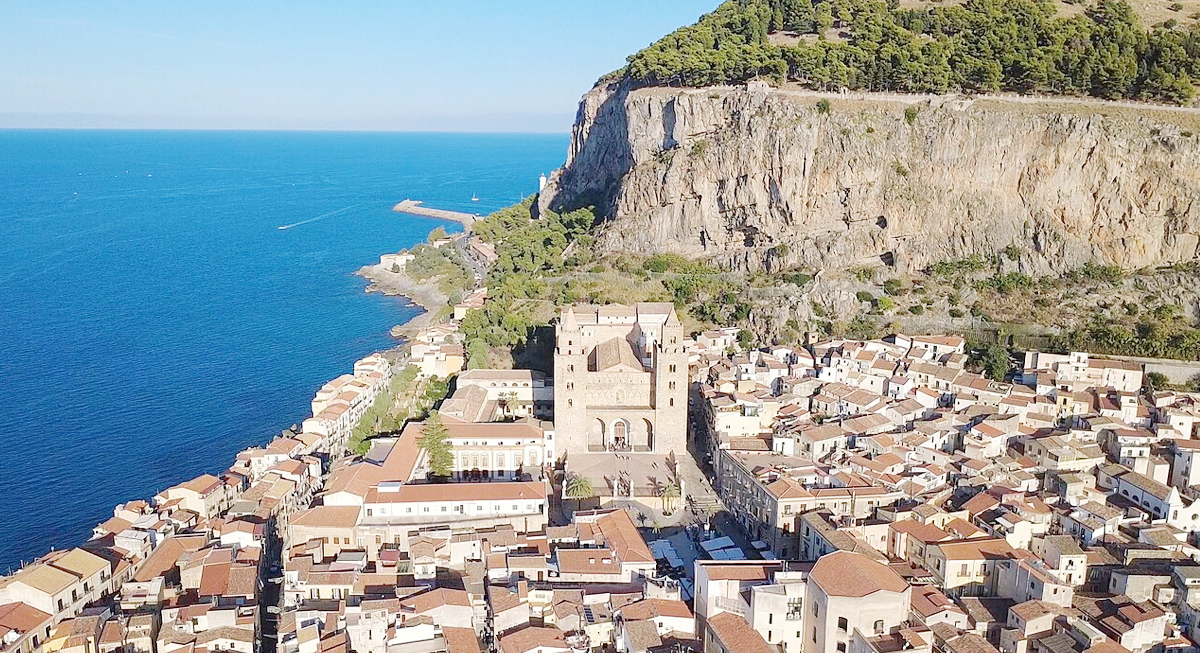
Image via Wikimedia Commons/Enricopis
Cefalù is set up in a way that keeps people moving through the same area. The beach runs along the town, so you go from water to cafés and back without much effort. The Cefalù Cathedral rises just behind the shore, which helps keep the beachfront busy through the day.
Close by, Caldura Bay draws swimmers into a more contained stretch of water. The cove shape and clear conditions keep people in roughly the same zone. Between both spots, there’s a steady flow of swimmers along a defined part of the coast, which makes demand easier to read for a boat vendor.
The Product Is Built For The Setup
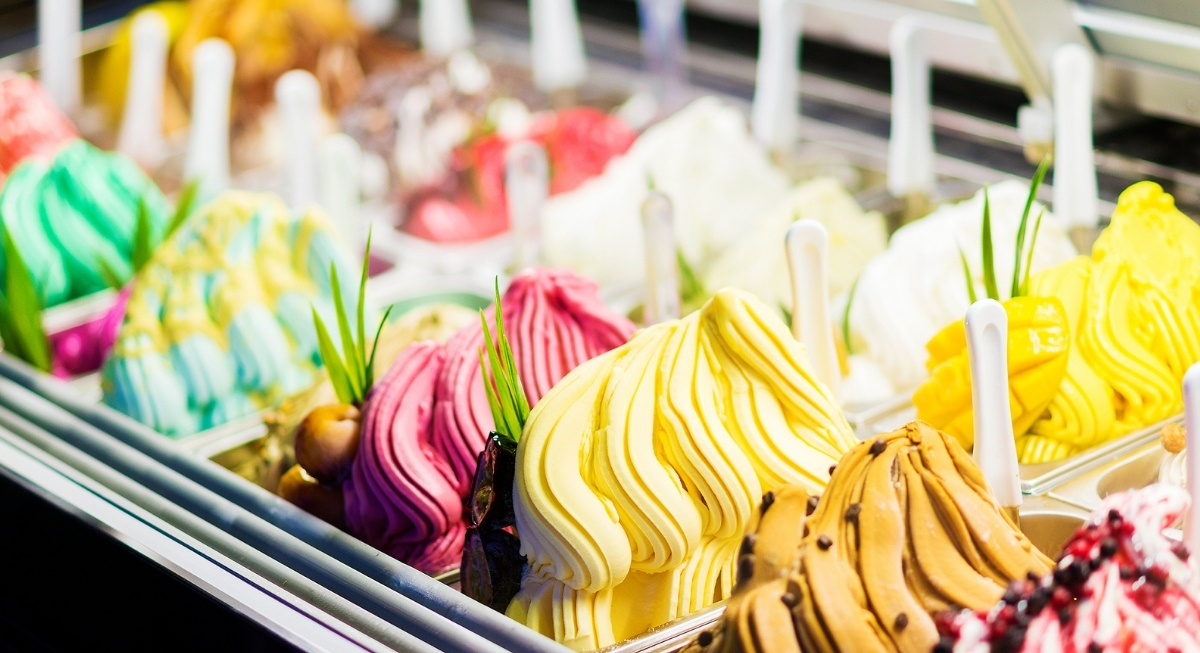
Image via Getty Images/jackmalipan
Gelato fits into this system because of how it is made and served. Italy has been producing gelato since at least the 14th century, and its method differs from standard American ice cream. It is churned more slowly and served at a slightly warmer temperature, which gives it a denser texture and smoother finish.
Pricing is also affordable. Reports place a serving at around €5, or about $5.84, which keeps transactions quick and predictable. There is no need for complex menus or long decision-making in the middle of open water.
A Floating Version Of A Familiar System
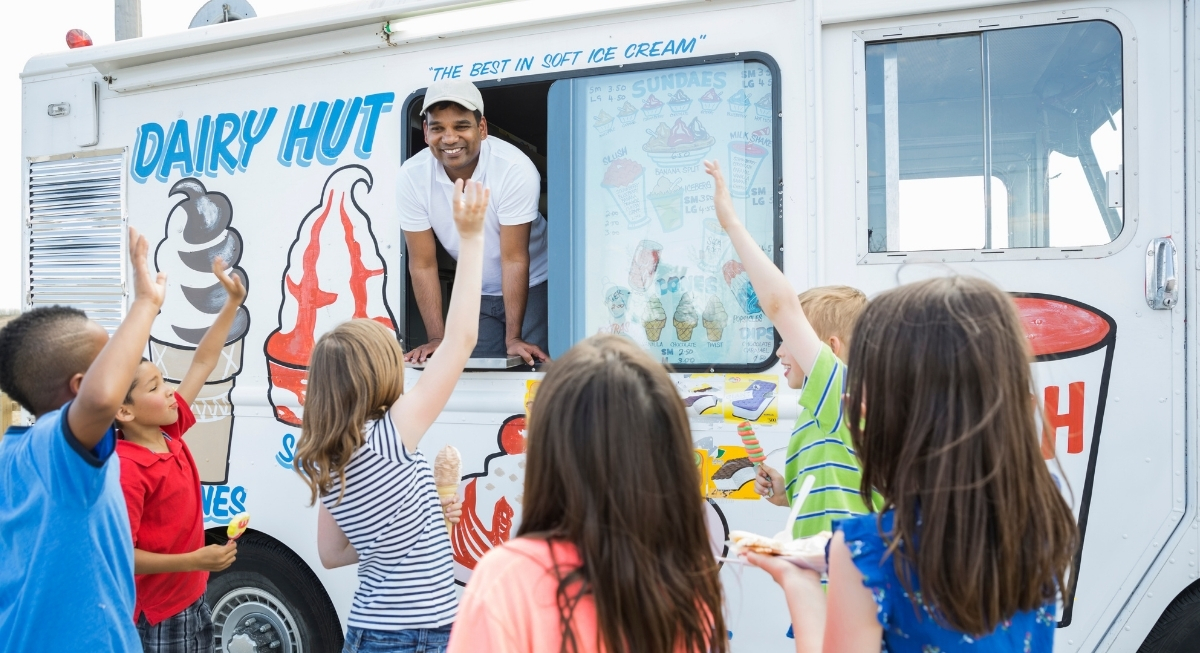
Image via Getty Images/Hero Images
The easiest way to understand the operation is to compare it to something widely recognized. The setup is similar to an ice cream truck, just adapted for the sea.
Instead of driving through neighborhoods, the boat moves through swimmers. Instead of curbside stops, it pulls up alongside people already in the water. The visual presentation often includes images of flavors, sometimes even branded options, making choices fast.
Even payment has adapted. Vendors accept card transactions, which removes the need for swimmers to carry cash and keeps the process moving without friction. Every element focuses on reducing effort for the customer while keeping the vendor in motion.
Timing Is Everything On The Water
This setup works because it follows the crowds. The boats show up when the beach is at its busiest, mostly on summer weekends when people stay in the water for hours. July and August bring the highest numbers, while June and September still see steady demand without the same level of congestion.
Running during these peak windows keeps things efficient. When the water is full, sales come naturally. During slower periods, there’s no reason to operate. The entire model depends on showing up at the right time and making the most of it.