The 7-Eleven Extinction Event and the Rise of a New Retail Titan
Lately, 7-Eleven has been making headlines for a reason most people would not expect. The company behind the Slurpee plans to close 645 stores across North America this fiscal year. At first glance, that sounds like a major pullback.
But the bigger picture looks very different. While hundreds of locations are closing, 7-Eleven is also planning to remodel more than 7,000 stores by 2030, open 1,300 new “New Standard” locations, add 1,100 restaurants, and expand its fresh food business. The company is not shrinking. It is trying to reshape what a convenience store looks like.
The Old Formula Started Falling Apart
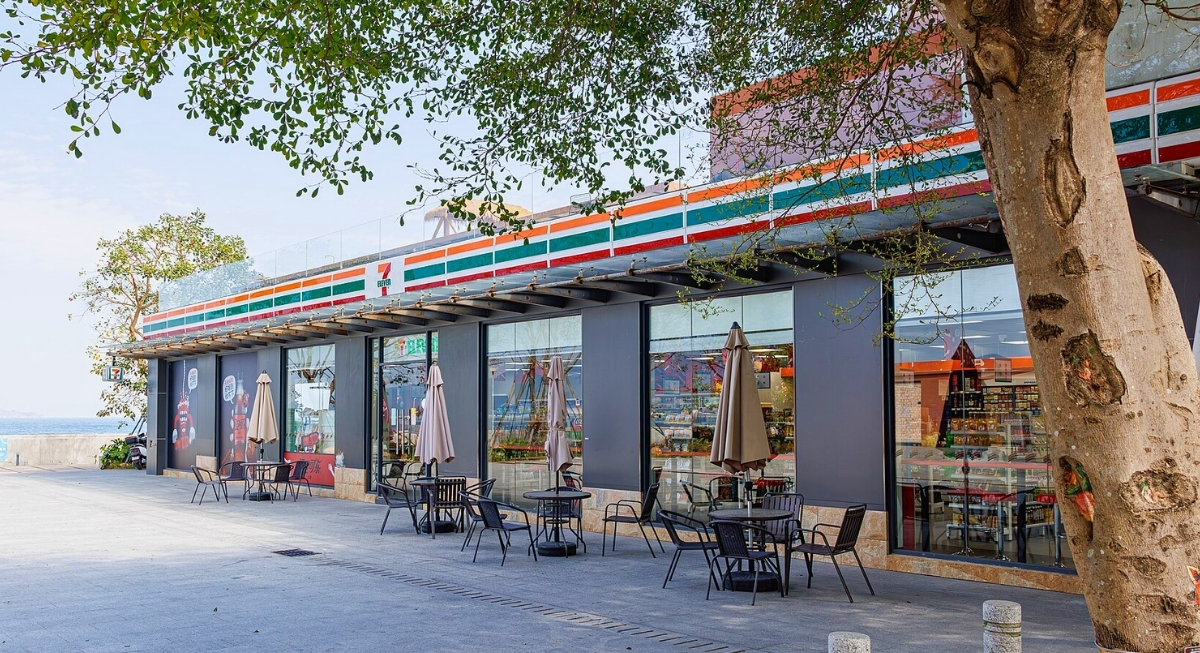
Image via Wikimedia Commons/Dinkun Chen
There was a time when convenience stores did not need to offer much. People came for gas, cigarettes, drinks, and a quick snack, and that was usually enough. For years, that simple model kept stores like 7-Eleven running.
But some of the biggest profit drivers began to change. 7-Eleven says cigarette sales have dropped 26 percent since 2019, while inflation pushed customers to think more carefully about spending. At the same time, rival chains were offering a different kind of experience.
Wawa, Sheetz, and Buc-ee’s raised the bar with fresh sandwiches, coffee stations, made-to-order meals, and larger spaces. The old grab-a-snack-and-go setup no longer looked as appealing as it once did.
The Company Wants Bigger Stores and Bigger Appetites
The center of 7-Eleven’s new strategy is something called its “New Standard” stores. The idea grew from earlier “Evolution” locations that tested larger layouts, restaurant-style food, and more premium products. Now the company wants to bring that approach to many more stores.
Company documents from parent firm Seven & i Holdings suggest the strategy is working. Remodeled stores reportedly see around 30 percent more traffic after one year. After four years, those locations are expected to bring in 44 percent more sales than traditional stores.
That helps explain the shift in focus. Instead of relying mainly on snack shelves, 7-Eleven is putting more attention on hot food stations, fresh meals, and broader menus. Milk bread, egg sandwiches, and miso ramen are already part of the plan as the company aims for an extra $1 billion in fresh food sales by 2030.
Closures Are Funding the Makeover
Image via Wikimedia Commons/Big Joe
The wave of store closures sounds dramatic at first, but much of it appears to be part of a larger reshuffling plan. Some locations are underperforming, while others are being turned into wholesale fuel sites that no longer count toward the company’s official store total. At the same time, 7-Eleven still expects to open more than 200 new stores next year. That changes the picture quite a bit.
The company is also putting more focus on franchising. Seven & i Holdings plans to convert about 2,600 company-operated stores into franchise locations by 2030. The idea is simple: franchise stores generally cost less to operate and require less direct oversight.
There is also a bigger goal in the background. Seven & i reportedly delayed plans to take 7-Eleven public until 2027, giving the company more time to improve store performance and update operations. Viewed that way, the closures and remodeling push start to look more like preparation than a pullback.