10 Ghost Towns in Texas That Are Still Standing
Texas has dozens of ghost towns where buildings still stand, even though the people have been gone for generations. You can still find old schools, stores, rail depots, and homes that show how these places once worked. They are not preserved attractions or ruins; they are towns that emptied out and remained that way. This list examines 10 Texas ghost towns that still stand today.
Terlingua
Credit: Tripadvisor
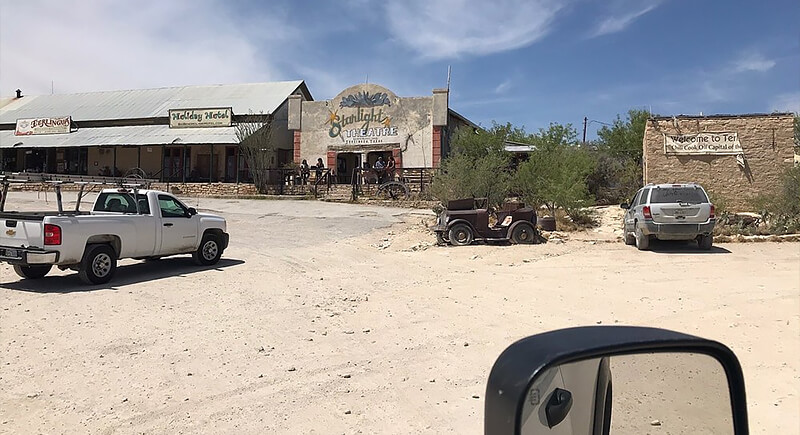
The first thing people notice today is how alive Terlingua still feels for a ghost town. A few hundred residents live nearby, and the annual chili cook-off draws crowds from across Texas. In the early 1900s, Terlingua ranked among the world’s top producers of quicksilver. When mercury prices collapsed in the 1940s, the mining economy unraveled almost overnight, leaving behind the bones of a once-profitable industry.
Shafter
Credit: Facebook
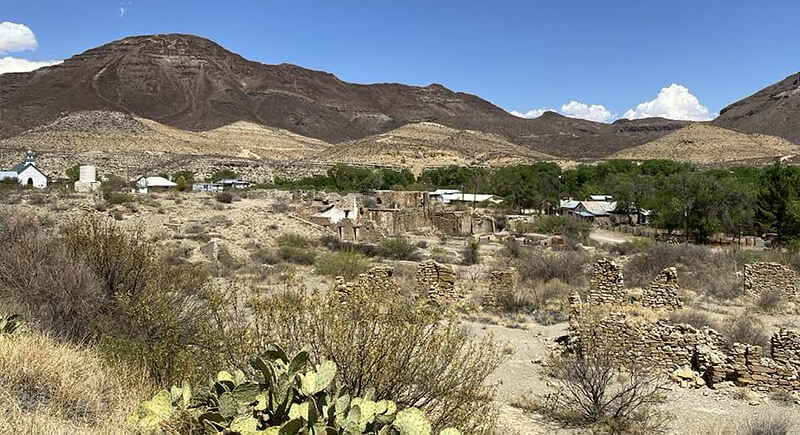
Stone buildings and rusted machinery dominate the place by giving it a frozen, unfinished feel. The quiet is misleading. At its peak, this silver-mining town near the Mexican border supported more than 3,000 residents. Mining operations struggled to stay profitable, and by the 1940s, every attempt to revive them failed. What remains now is a cemetery and industrial debris baking under the desert sun.
Independence
Credit: Tripadvisor
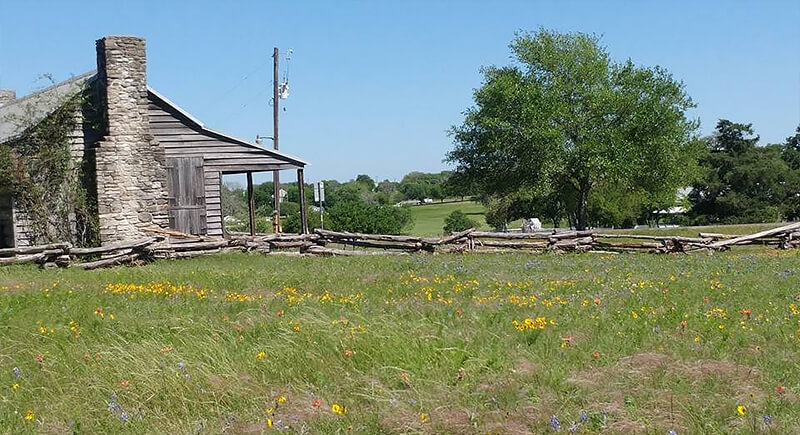
When Baylor moved to Waco, the town lost its anchor. Yellow fever outbreaks soon followed, locking in a decline that never reversed. Historic buildings remain, including a Baptist church and traces of a former college campus. Once one of Texas’s most influential towns, it was home to Baylor University until 1886 and to Sam Houston during key moments in state history.
Glenrio
Credit: Wikipedia
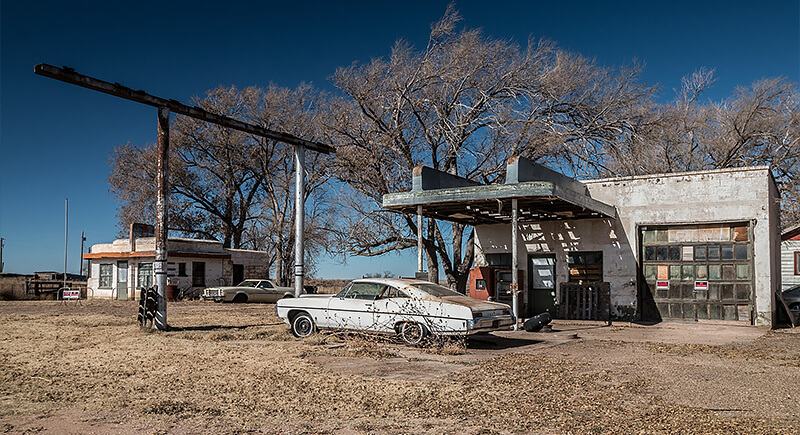
The only thing that keeps Glenrio on the map today is Route 66 nostalgia. Abandoned diners, gas stations, and motels still line the border between Texas and New Mexico. For decades, cross-country traffic kept the town alive. That ended fast in the 1960s when Interstate 40 opened and bypassed Glenrio entirely.
Toyah
Credit: Youtube
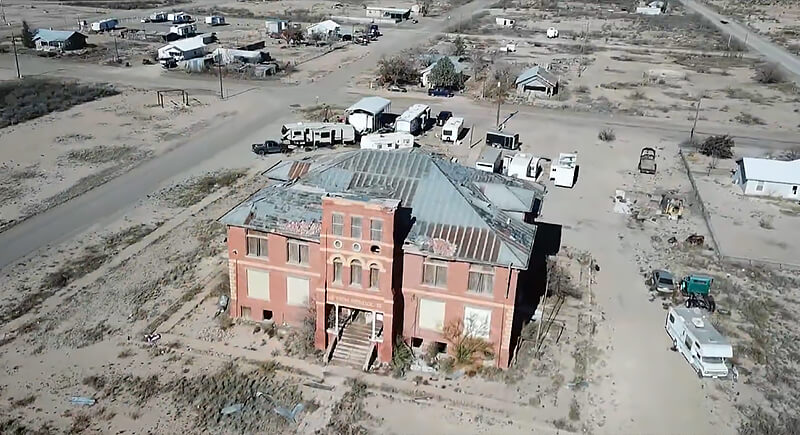
Toyah didn’t fall apart all at once, but it never found a second act. A handful of residents still call it home, even as empty storefronts and collapsing buildings dominate the streets. In the 1880s, the town thrived as a railroad hub supported by natural springs. Hotels, saloons, and even an opera house followed. When the water supply failed and railroad operations shifted elsewhere, there was no reason to stay.
Indianola
Credit: Youtube
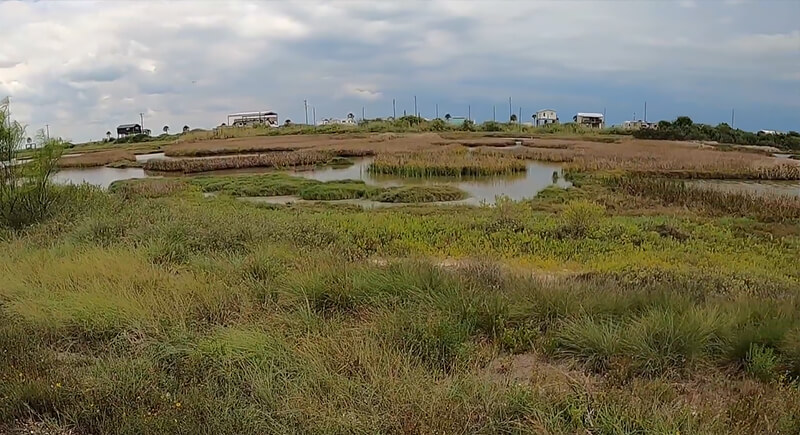
What Indianola’s visitors find today are historical markers and a shoreline shaped by weather. But in the 1800s, the town was a major Gulf Coast port and a vital part of Texas commerce. Unfortunately, two catastrophic hurricanes destroyed infrastructure and trade routes. After the second storm, rebuilding efforts came to a halt. Now, this town stands as one of the clearest examples of how natural forces could erase an entire economic center.
Aldridge
Credit: Facebook
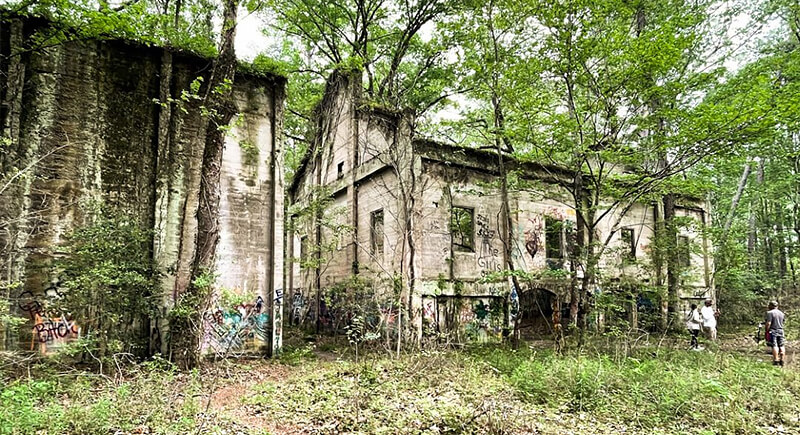
Reaching Aldridge takes effort, which makes the ruins feel more personal once you arrive. Concrete walls and foundations rise inside Angelina National Forest, surrounded by trees that reclaimed the land over decades. The town existed to serve a sawmill tied to regional logging. When the mill closed, jobs disappeared, and the forest slowly took over.
Belle Plain
Credit: Youtube
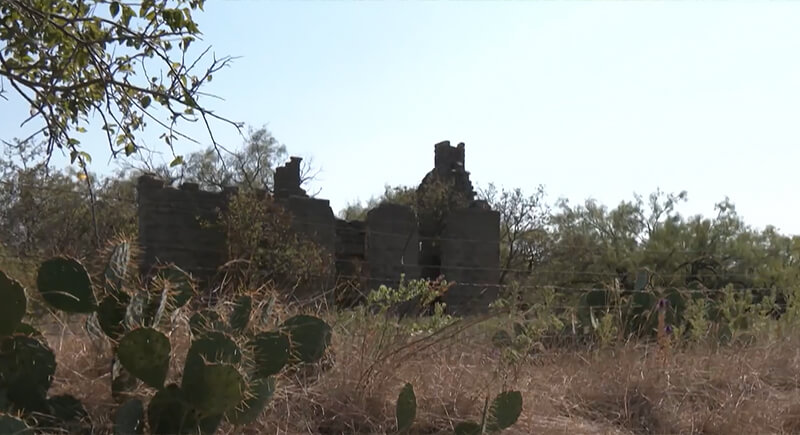
This town once supported a courthouse and Trinity University, giving it regional importance. Drought made life harder, and railroad routes eventually favored other towns. That combination proved fatal. Its remaining stone structures quietly reflect how climate and transportation decisions shaped survival in rural Texas. And these days, partial walls and open foundations are all that greet visitors in Belle Plain.
Helena
Credit: Wikimedia Commons
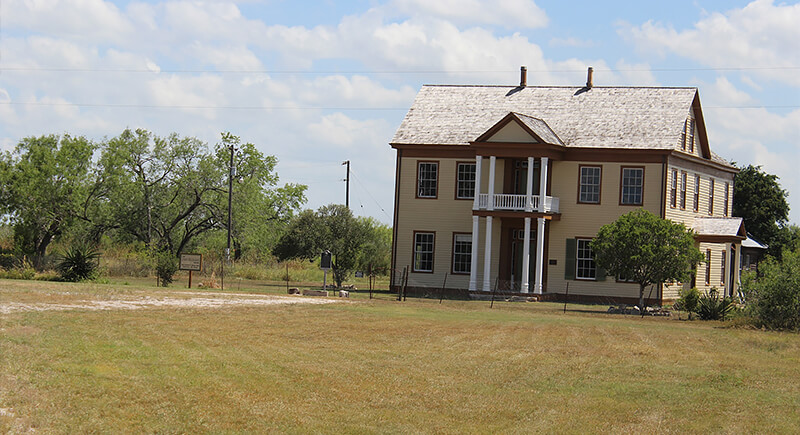
Helena still has residents maintaining what’s left, even as the courthouse slowly collapses. The town, founded in 1852, prospered until railroads redrew the map of Texas travel. When the tracks bypassed Helena, people didn’t just leave. Many physically moved their buildings to nearby Karnes City. Walking through Helena now gives you access to rail lines that once meant the difference between growth and abandonment.
Thurber
Credit: Wikipedia
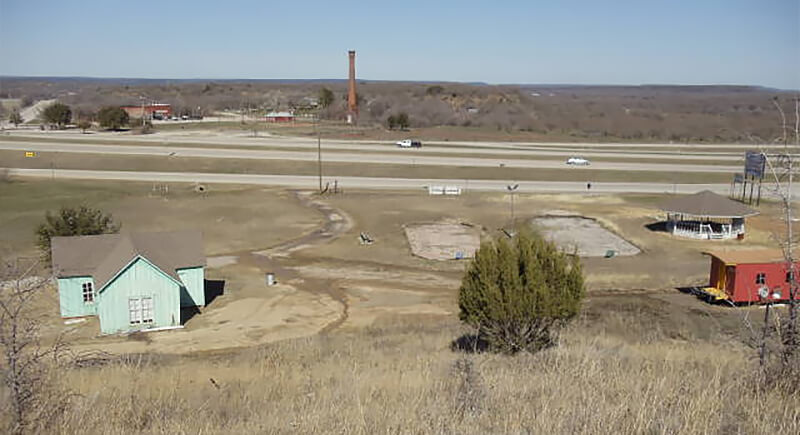
Rising above the landscape, it’s the most recognizable feature of Thurber and one of the few large structures left. In the early 1900s, nearly 10,000 people lived here, many of them immigrants working in coal mines. The company-owned town offered an opera house and other modern services. When oil and gas replaced coal, the mines closed in 1933.