You Are Visiting the Wrong Swiss City for Your Travel Style
You can plan a trip to Switzerland perfectly on paper and still feel out of place once you arrive. The issue often isn’t the country. It’s the city. Each Swiss destination has its own rhythm, shaped by its landscape, culture, transportation, and prices.
If you love skiing, a museum-heavy city may feel slow. If you enjoy galleries and cafés, a mountain resort might lose its charm after a day or two. The key is simple: pick a city that matches how you actually like to travel.
Zurich
Credit: Getty Images
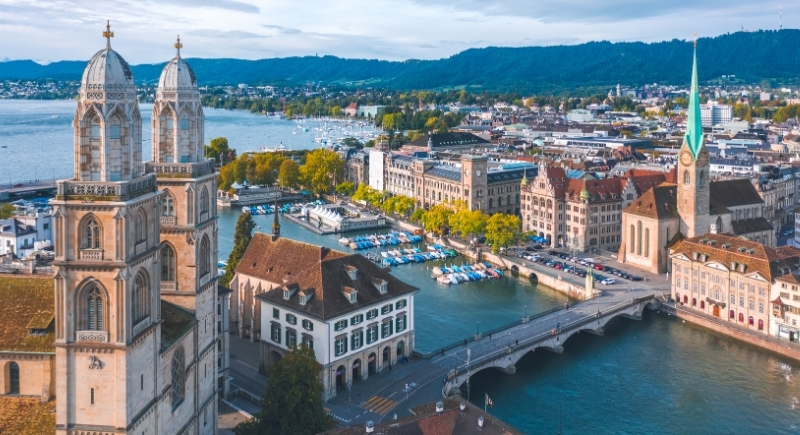
Life in Zurich suits travelers who want a functional urban base with strong cultural links. The city supports museum visits at Kunsthaus, river walks through the old town, and lake access within a compact transit network. You can also explore nearby nature just by hopping on a train.
Interlaken
Credit: Getty Images
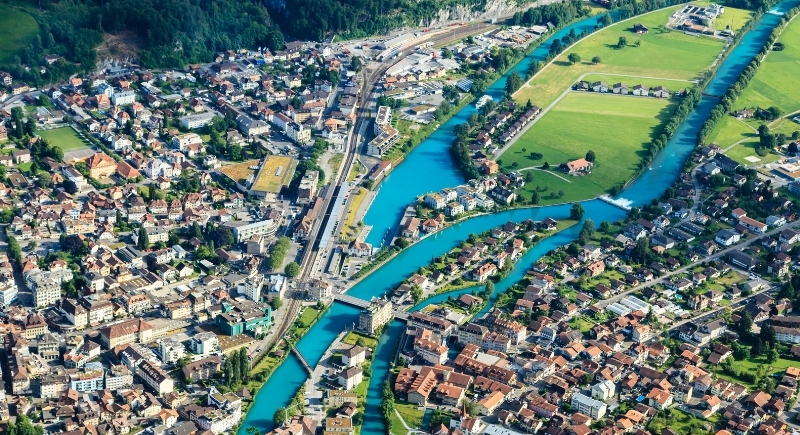
Interlaken is less a city break and more a base for the outdoors. Set between Lake Thun and Lake Brienz, it offers quick train access to Jungfraujoch and nearby Alpine peaks. Travelers come for paragliding, skydiving, hikes, and suspension bridges. With prices rising in peak adventure season, short, activity-focused stays usually make the most sense here.
Lucerne
Credit: Getty Images
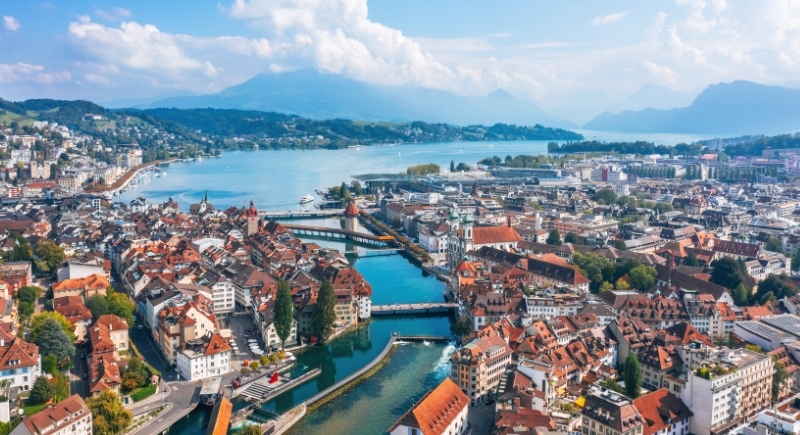
Travelers in Lucerne stay close to the compact Old Town, where most major sights are easily reached on foot. The Chapel Bridge and Water Tower define the city’s historic center, while Lake Lucerne paves a way to nearby villages by boat. You will also find excursions to Mount Pilatus combine ferries, cogwheel trains, and cable cars into one seamless route.
Bern
Credit: Getty Images
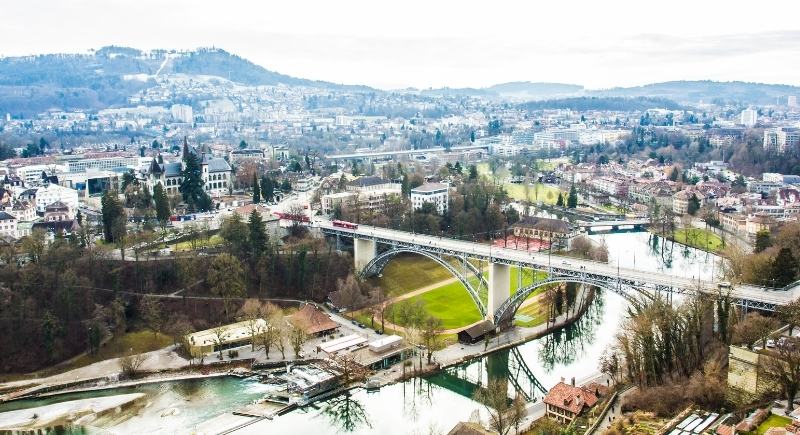
If you enjoy walking-based exploration and historic city layouts, Bern fits that travel style well. Its old town holds UNESCO status, with sandstone arcades, the Zytglogge clock tower, and Bern Cathedral forming a compact, navigable core. Museums like the Einstein Museum and the Historical Museum of Bern offer additional depth.
Zermatt
Credit: Getty Images
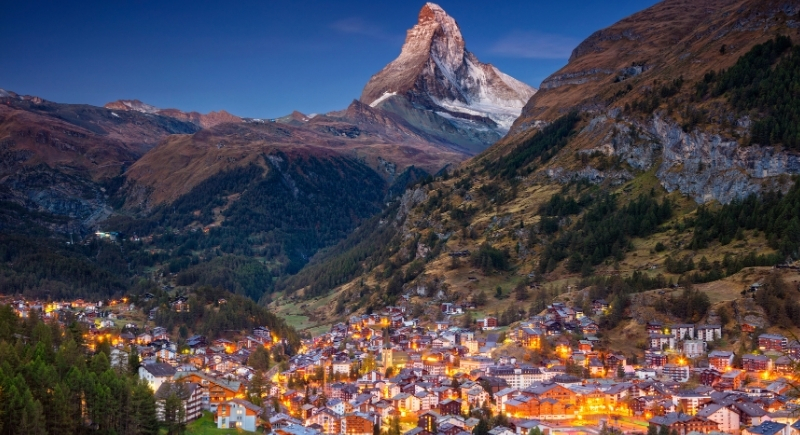
With its focus on alpine access and glacier views, Zermatt is a car-free resort town centered on the Matterhorn. The Gornergrat Railway carries guests to high-altitude ridges where they can overlook the glacial terrain. Summer brings active hiking routes, while winter centers on ski schedules. However, lodging remains costly due to limited reach and seasonal demand.
Geneva
Credit: Canva
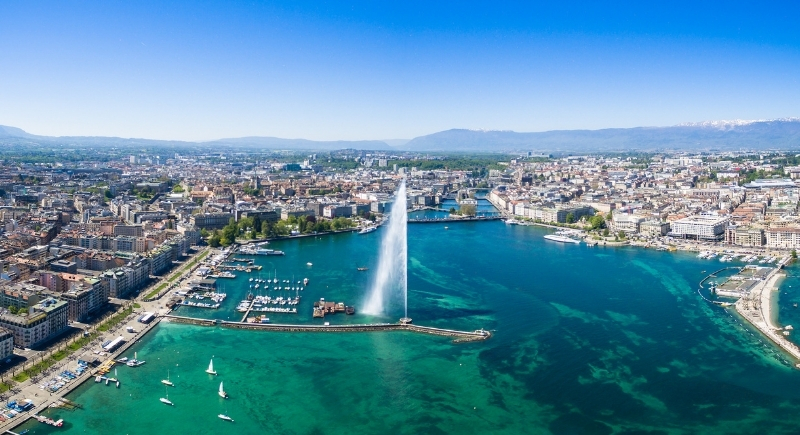
The primary appeal of Geneva lies in its refined public spaces and international atmosphere. The city stretches along Lake Geneva and links easily to the Lavaux vineyards by boat or train. Meanwhile, Bains des Pâquis provides lake swimming and casual dining near the water. Living near the lake increases costs, though transit access remains strong.
Basel
Credit: Getty Images
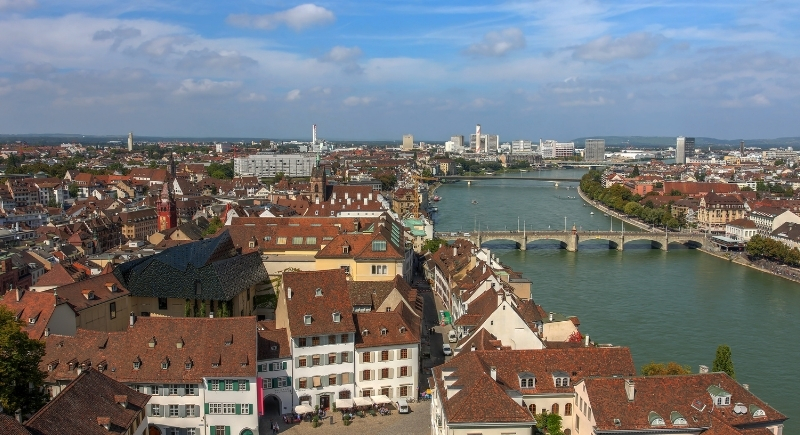
Basel appeals to travelers who plan their days around art. Institutions like the Kunstmuseum and Fondation Beyeler anchor the city’s cultural calendar, with major exhibitions that justify staying a few nights. Art Basel brings global crowds each June, but the museum scene stays active year-round. Between gallery visits, the Rhine paths and compact old town make it easy to slow down.
St. Moritz
Credit: Getty Images
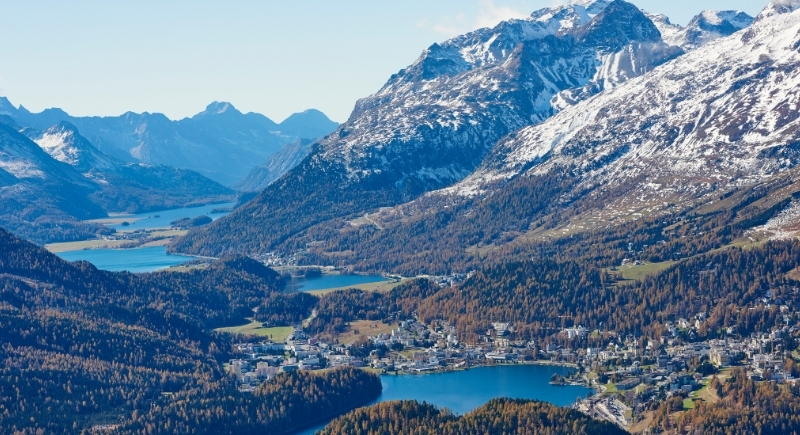
Hosting the Winter Olympics twice shaped its identity, and the ski setup reflects that history with reliable snow and efficient lift access. The Bernina Express brings you through dramatic Alpine scenery before you arrive. In town, hotels, restaurants, and shops lean upscale, with prices that match the setting.
Lausanne
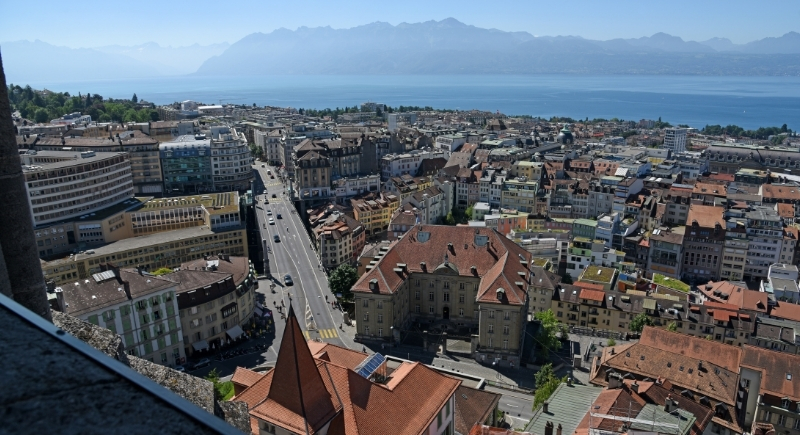
Credit: Getty Images
In the summer, Lausanne becomes especially active around the lake, where people gather for swimming, open-air bars, and relaxed social events. This place spreads across hills, so daily routes usually include steep walks and clear views. But if you would rather use public transport, Plateforme 10 sits near the main station and brings together major museums and exhibition spaces.
Visp
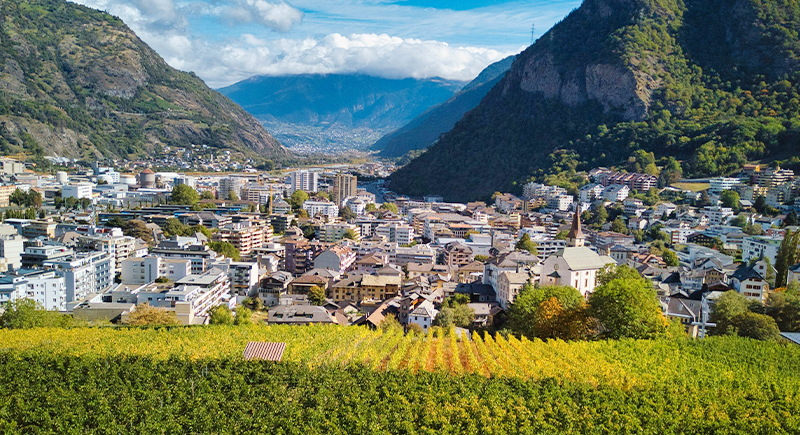
Credit: unsplash
Located where the Rhone and Vispa rivers meet, Visp serves as a practical base for people heading to vineyards or alpine towns. The area receives more than 300 sunny days per year, which creates ideal conditions for walking and beverage tasting. You can even find local bottles like Heida and Cornalin du Valais in nearby shops.