Switzerland Is Expensive Only if You Don’t Know These Tips
Switzerland charges luxury-level prices for basic things, and tourists prove it daily by buying bottled water and expensive train tickets. What they don’t know is that locals spend less by using systems built for everyday life, and those systems are open to visitors, too.
Fountains Beat Bottles Every Time
Credit: Canva
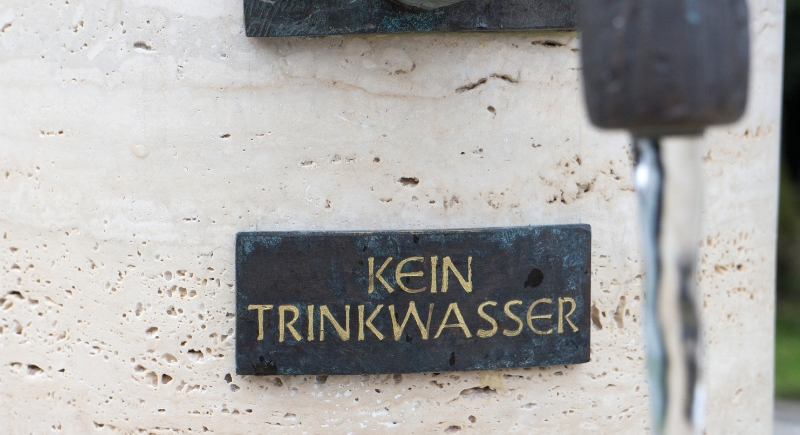
Buying bottled water in Switzerland can drain travel budgets fast, as prices range from about $2.20 to $5.50 in tourist zones. Public fountains supply spring water across cities, so water is safe unless labeled “Kein Trinkwasser.” Carrying your own reusable bottle is highly advisable.
Regular Train Rides Already Feel Like a Movie Scene
Credit: Canva
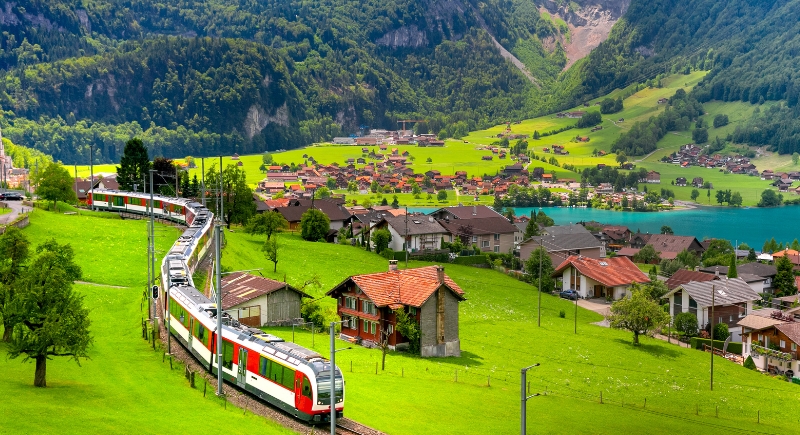
Luxury scenic trains get all the social media hype. However, regular Swiss trains also cross famous lake and mountain routes. On top of that, standard tickets cost less and run more often. Double-decker cars offer higher viewing angles upstairs as well. Many locals choose standard trains because the scenery through the large windows appears nearly identical year-round. As for premium routes like the Glacier Express, they require reservations and higher prices.
The Grocery Store Dinner Plot Twist
Credit: Wikimedia Commons
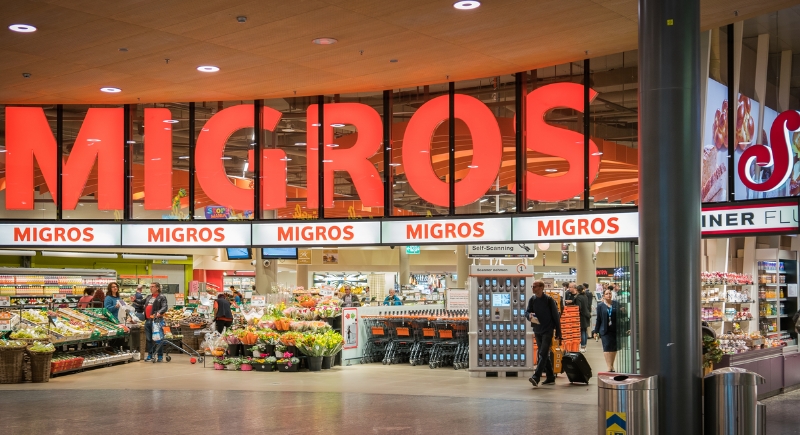
In Switzerland, many shoppers plan their trips around evening markdown hours, when discount stickers appear before closing. Buying groceries at that time can noticeably reduce weekly food costs. Swiss supermarkets also sell prepared meals, which can surprise visitors. Stores like Migros and Coop offer hot dishes, salads, drinks, and bakery items. Ready meals typically cost between $7.70 and $11.00, while restaurant meals usually start around $27.50.
Restaurant Bills Look Wild Until You Learn The Rules
Credit: pexels
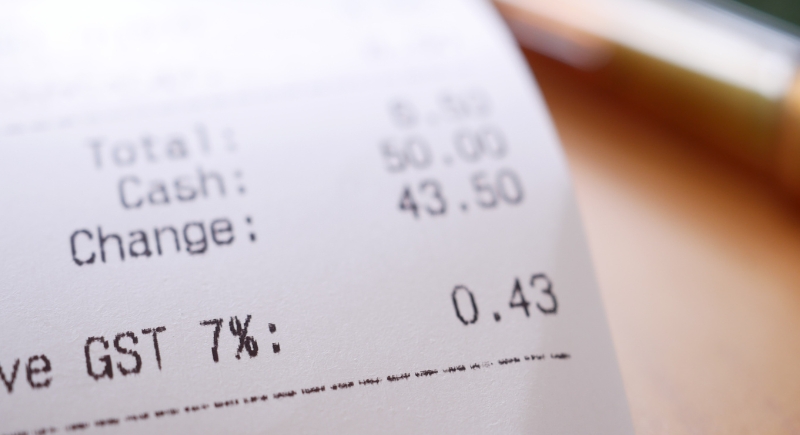
Speaking of restaurants, their menus look shocking to Americans because service wages are included in the listed prices. Dining costs are higher, partly due to labor laws and sourcing rules for ingredients. Tipping customs usually range from 5% to 10%, so many visitors accidentally overtip during early meals before learning local norms in most tourist areas.
Yes, People Actually Swim In The City
Credit: Getty Images
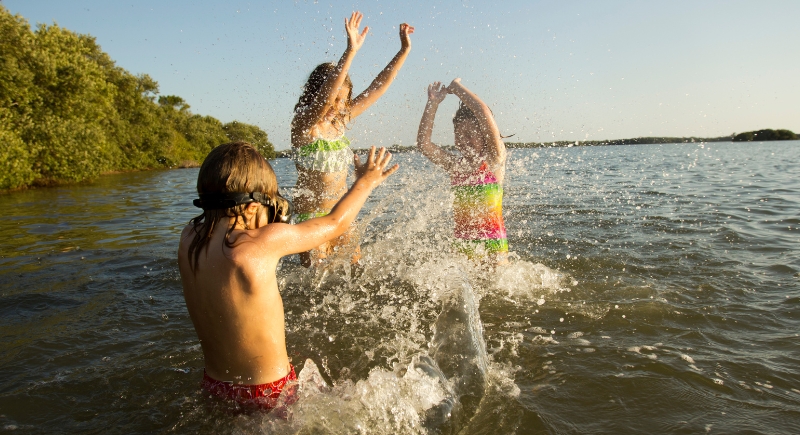
Swimming in the middle of a city might sound unusual, but strict water testing standards make it common in Switzerland. Cities like Zurich and Lucerne maintain designated lake access points with ladders and platforms for safe entry. Public pools typically charge between $6.60 and $11.00, while lake access is free. Since the water comes from alpine runoff, it stays cold year-round, which makes it especially appealing during summer heat waves.
The Wrong Train Seat Can Cost Real Money
Credit: Wikimedia Commons
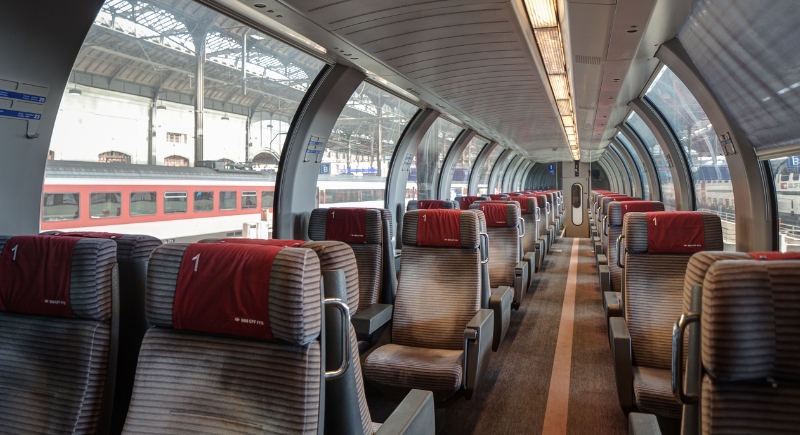
Swiss train inspectors check tickets frequently, and mistakes become expensive instantly. Sitting in first class with a second-class ticket can trigger fines of about $110.00, plus fare differences. Class labels appear on doors and seats. Also, paper tickets sometimes require validation before boarding.
Distances Look Tiny Until Mountains Get Involved
Credit: True Creatives
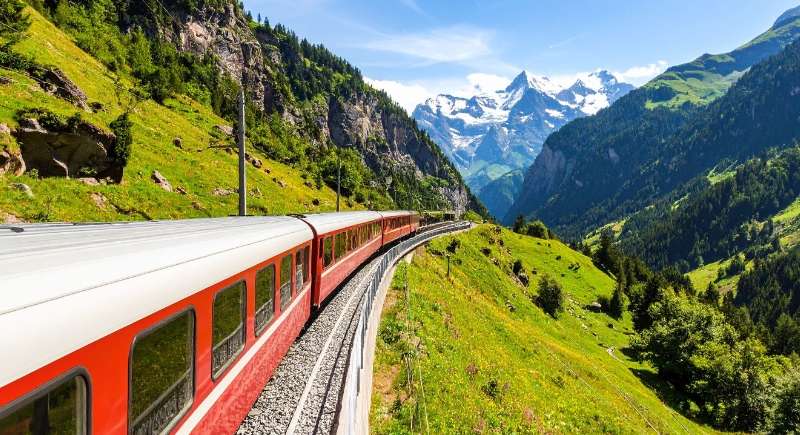
Travel distances feel short on maps, but mountains significantly slow trains and roads. Switzerland covers about 16,000 square miles in total, and a trip from Zurich to Geneva usually takes about three hours by train. Packing too many cities into one trip cuts actual exploration time. Travel planners often suggest focusing on two or three cities during a one-week vacation to provide deeper cultural exposure.
Mountains Play Hide And Seek With Weather
Credit: True Creatives
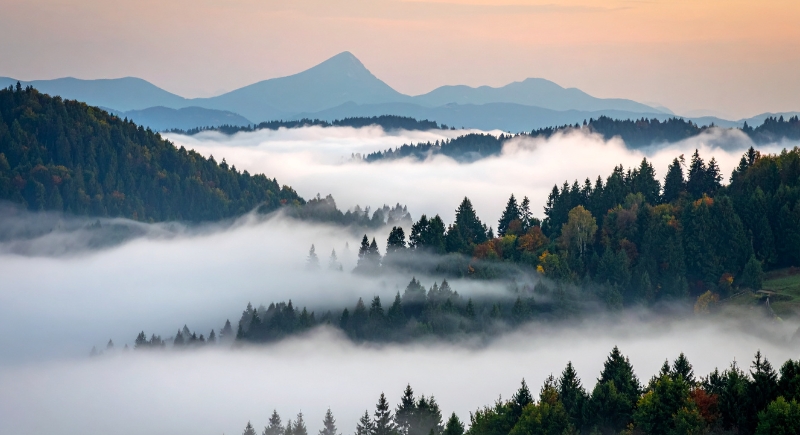
Mountain weather can flip quickly and turn expensive viewpoints into white clouds without warning. Lift tickets often range from about $55.00 to $132.00, depending on altitude. Live webcams stream real-time summit visibility online. Travelers who check conditions often delay visits. The simple habit prevents paying full price for views obscured by clouds covering many afternoons each summer.
Trash Rules And Language Clues Matter More Than Expected
Credit: Getty Images
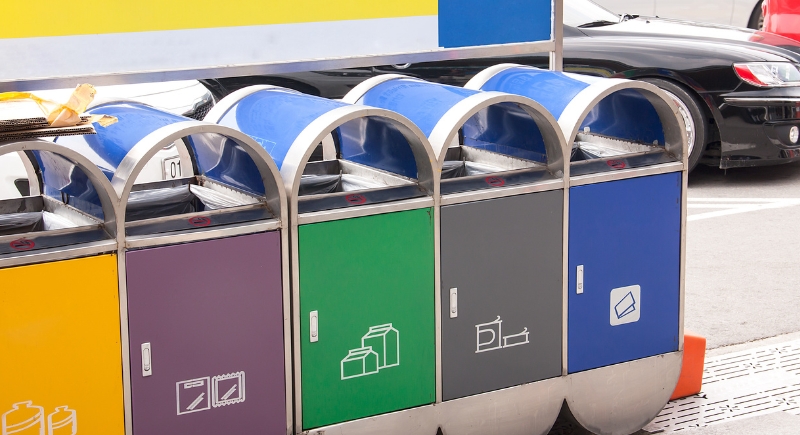
Learning basic greetings and waste symbols usually improves daily interactions with residents in smaller towns and cities across Switzerland. Trash sorting matters because Switzerland enforces strict environmental waste laws nationwide. The country recognizes German, French, Italian, and Romansh as official languages across cantons. Recycling bins display symbol-based sorting guides in public areas, and improper disposal can result in local fines.
Free Public Transit Feels Like Winning A Contest
Credit: Wikimedia Commons
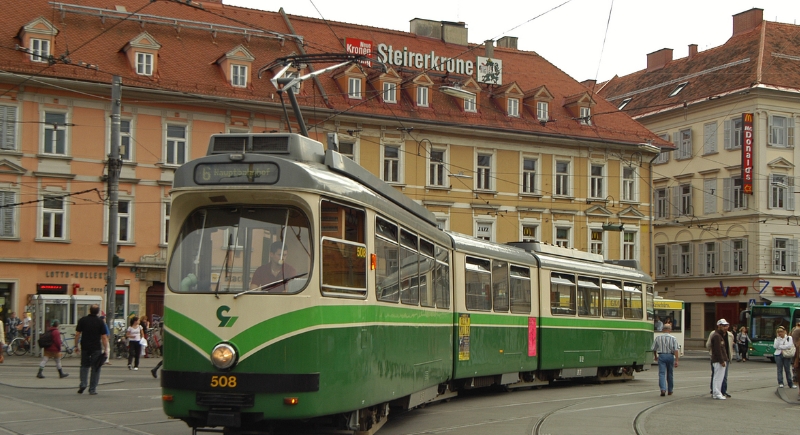
Free transit across a city feels like a mistake until hotel staff explains the guest cards. Many Swiss hotels provide local transit passes covering buses, trams, and regional trains. Individual rides usually cost $2.75 to $5.50, and passes sometimes include discounts on attractions. Asking the front desk staff first can eliminate duplicate ticket purchases across multiple sightseeing days yearly for visiting tourists.