10 Wild Things to Expect When You Swim From Europe to North America in Iceland
Silfra is a fissure in Thingvellir National Park, Iceland, where visitors can snorkel or dive between the North American and Eurasian tectonic plates. The water is extremely cold but also exceptionally clear. Participants wear thick dry suits to protect against the temperature. The experience is widely regarded as one of Iceland’s most unusual and memorable natural attractions.
The Continent Gap Is Really a Plate Gap
Credit: Wikimedia Commons
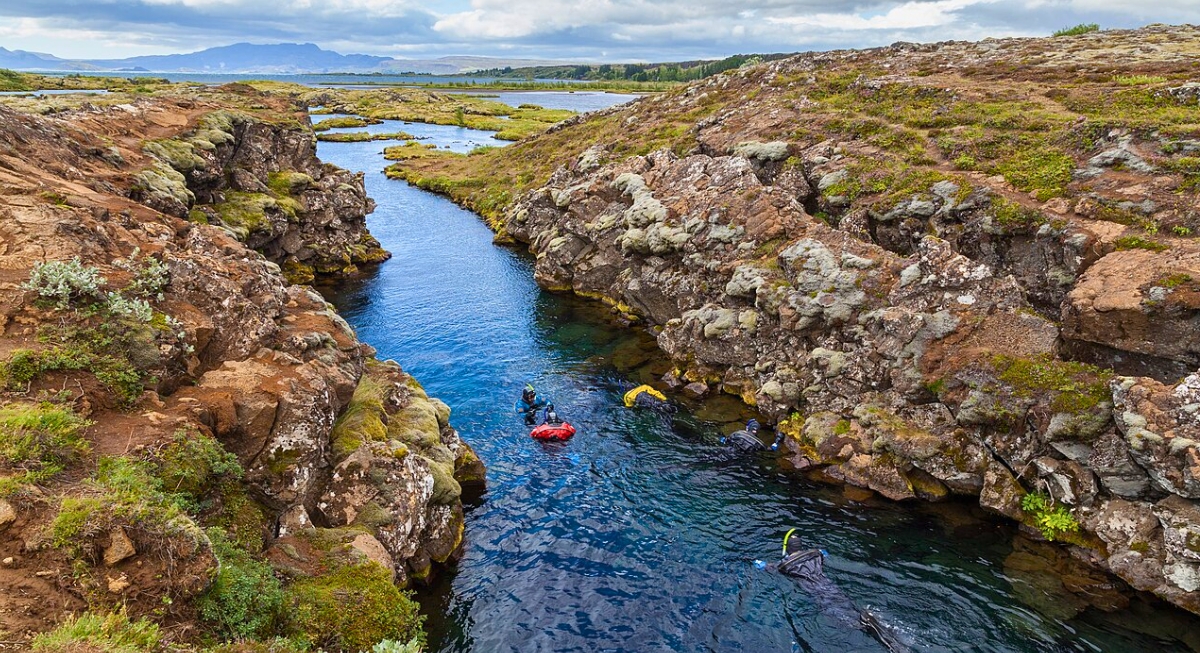
Swimming through Silfra is not a shortcut across the ocean. The famous rift exists because the North American and Eurasian tectonic plates slowly pull apart by about 0.8 inches each year. This movement created a flooded fissure inside Iceland’s park. Floating through the crystal-clear water gives visitors an amazing, up-close look at earth science.
The Water Gives Your Face A Wake-Up Call
Credit: Instagram
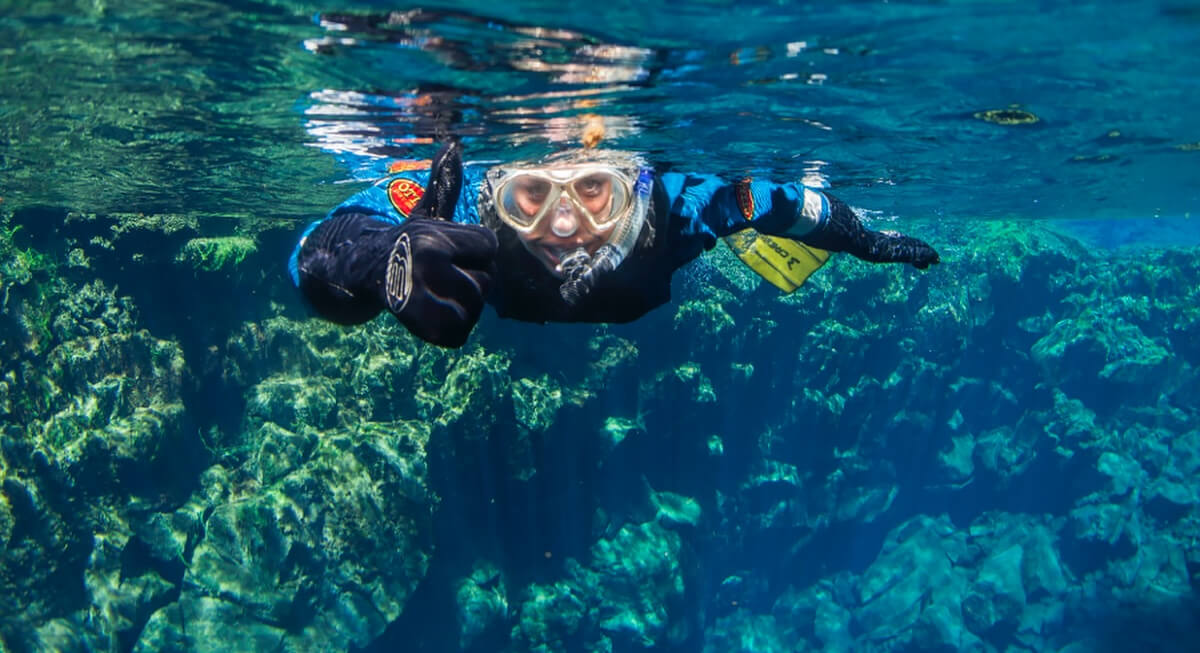
The face and sometimes the hands touch the freezing water at Silfra while the dry suit and warm thermal layers protect the rest of the body from temperatures around 35 to 39°F. The initial splash feels sharp enough to wake people up. After a quick moment, the cold becomes manageable. The chilly sensation remains an unforgettable part of an authentic Icelandic adventure.
Everyone Looks Funny Before The Swim Starts
Credit: Wikimedia Commons
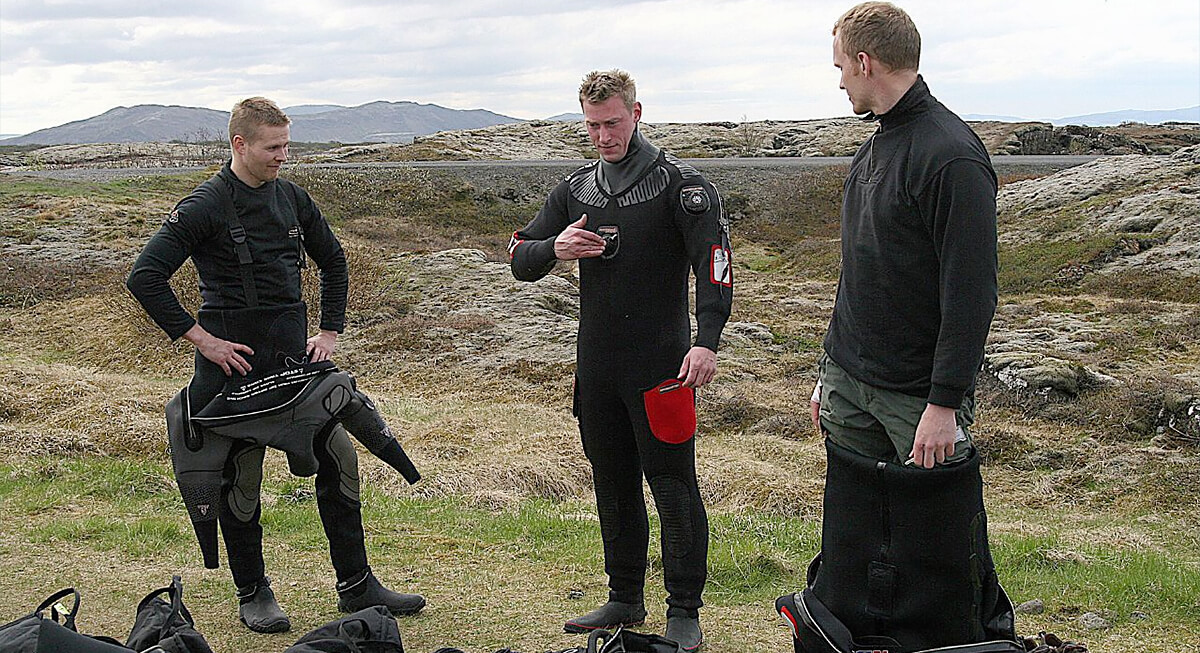
Snorkeling here requires a lot of heavy gear. Travelers must put on base layers, an insulating suit, a dry suit, gloves, a hood, a mask, and fins before walking to the water. This bulky outfit makes even confident people waddle like penguins on land. However, it keeps swimmers warm in the freezing water and provides buoyancy.
The View Below Can Trick Your Brain
Credit: Instagram
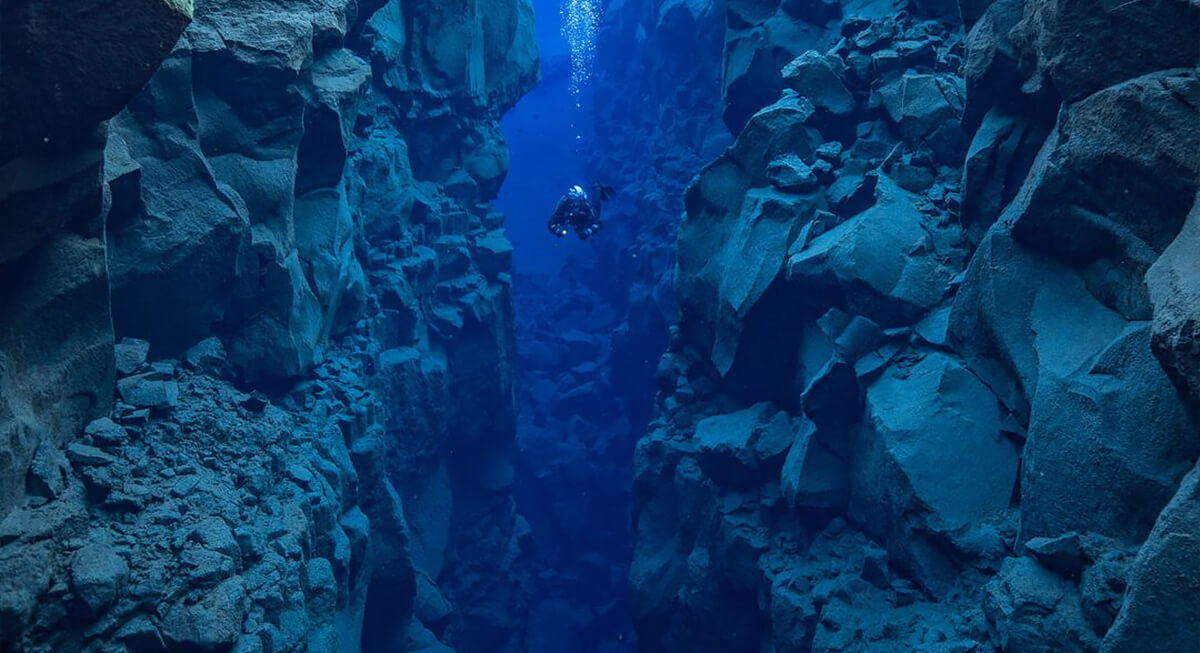
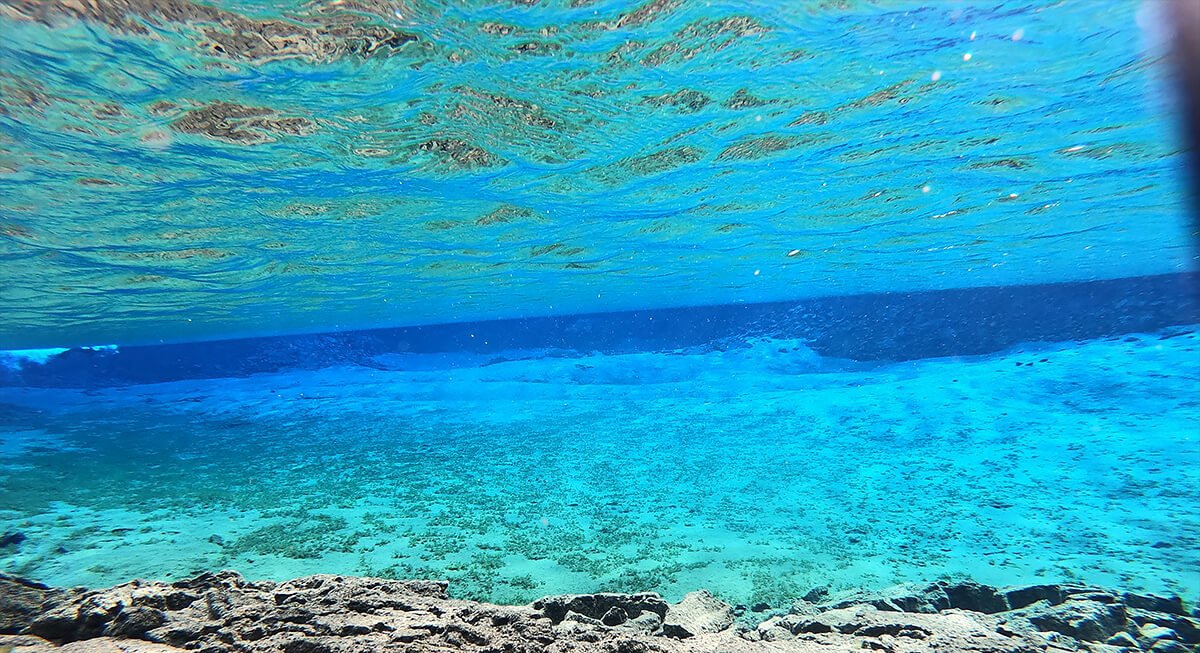
The crystal-clear water in Silfra changes one’s sense of distance. You can see up to 300 feet away, so underwater lava walls look incredibly sharp. This clarity happens because glacial meltwater filters through volcanic rock for decades before filling the fissure. Objects often look like they’re nearby when they are actually deep down.
The Swim Has Distinct Sections
Credit: Wikimedia Commons
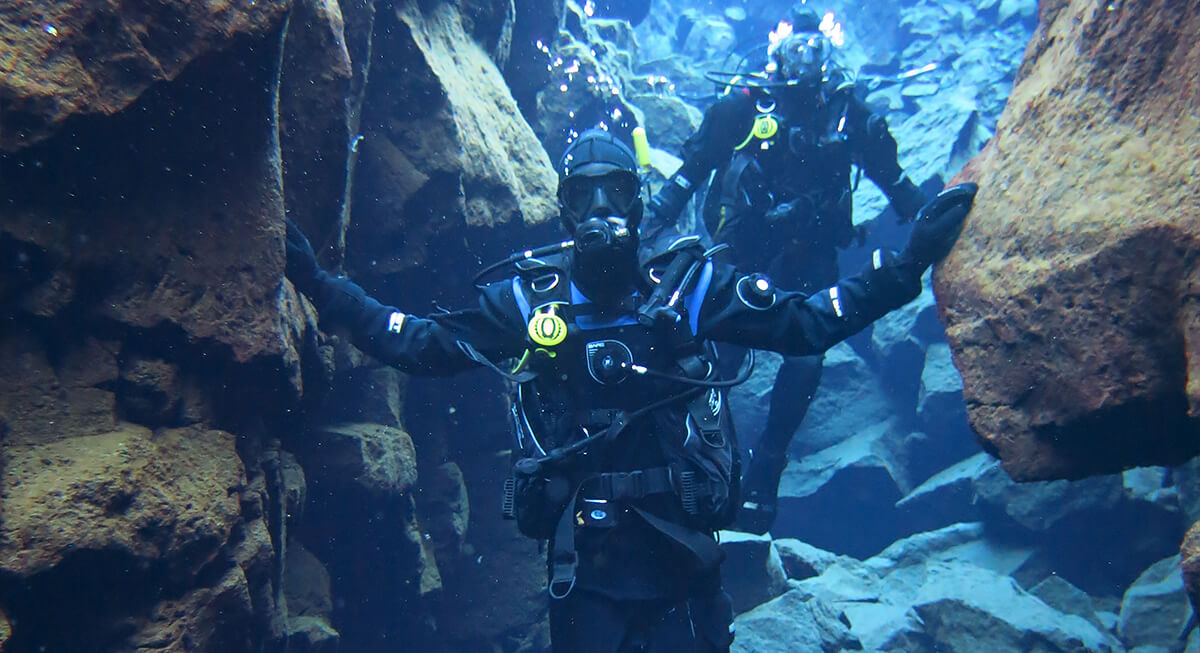
Big Crack offers the tightest squeeze between the rock plates, and Silfra Hall opens up with brighter colors. Silfra Cathedral has deep water and a long view through the channel, while the Lagoon finishes the swim with a calm, wide area. Most snorkelers spend about 30 to 40 minutes in the cold water, depending on weather conditions.
The Water Is Clean Enough To Taste
Credit: Wikimedia Commons
A tour guide might ask visitors to take a quick sip, which makes sense once you know the history. Silfra’s water begins as melted glacial ice before filtering underground through volcanic lava rock. This long natural journey makes the water incredibly pure.
Swimming Beats Showing Off
Credit: Instagram
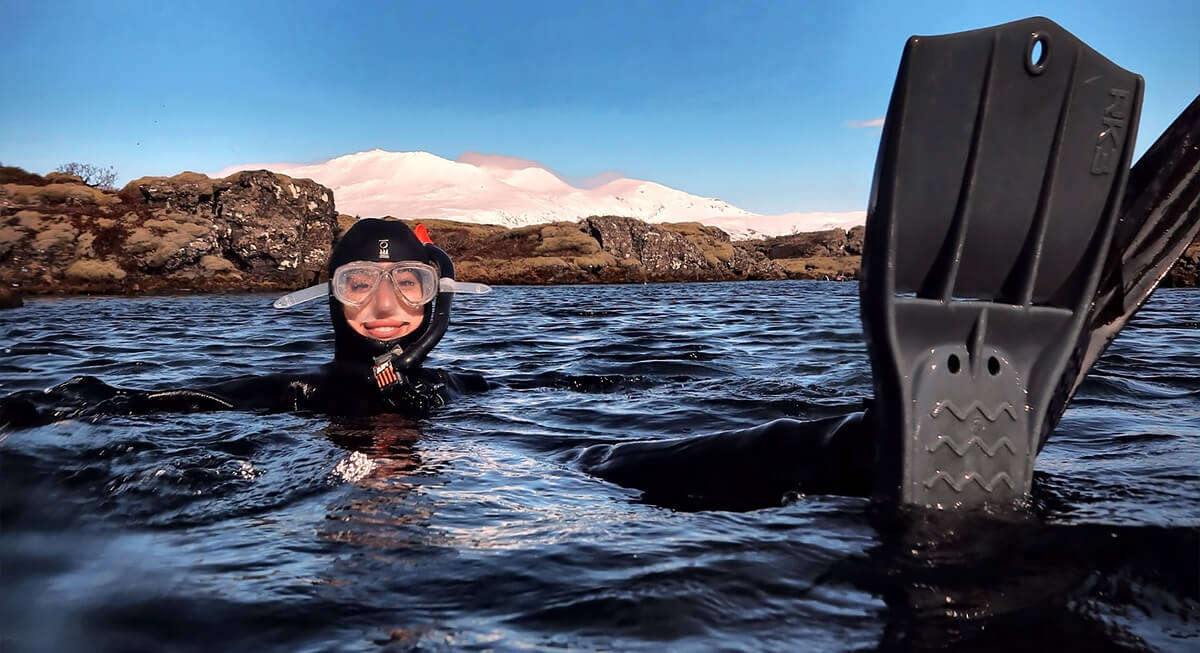
You do not need scuba training to snorkel in the Silfra fissure, but it is important to feel comfortable in the water. Operators set requirements for swimming ability, age, health, and cold-water safety. Since dry suits keep visitors afloat, staying relaxed is more important than swimming fast. Gentle, slow kicks work best to navigate the route.
The Park Has An Impressive History
Credit: Instagram
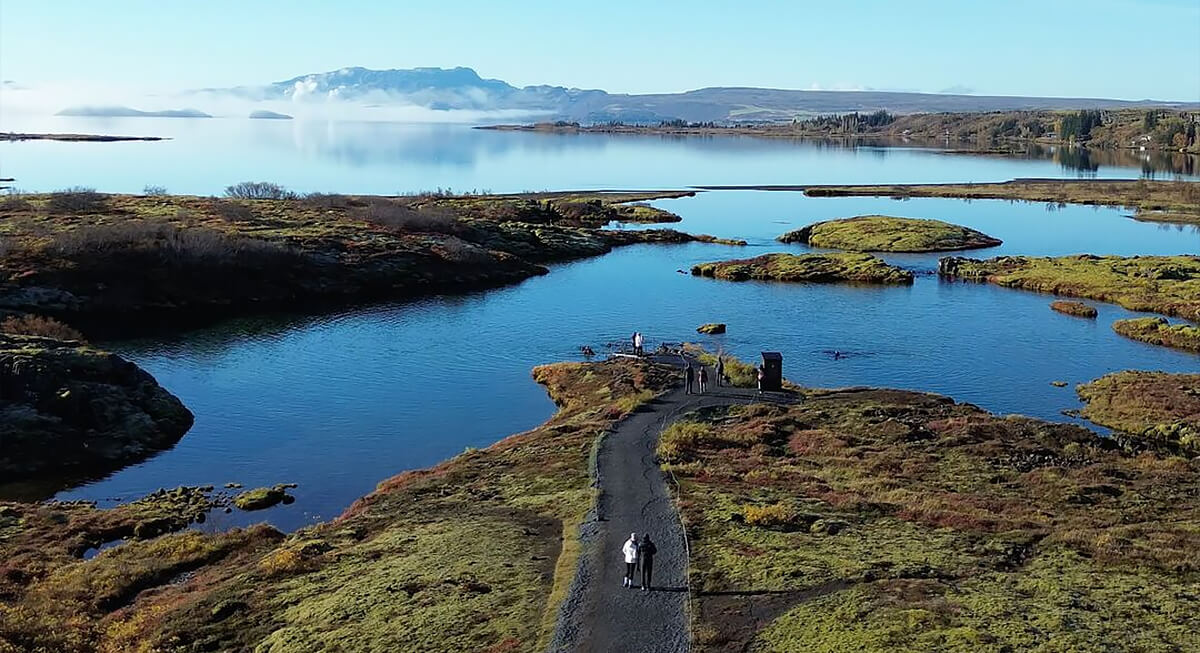
Iceland’s parliament began in Þingvellir in 930 A.D., so the area has deep cultural importance. UNESCO later named it a World Heritage Site. This rich heritage gives the famous Silfra swim a unique backdrop. Visitors prepare for a cold snorkeling adventure while standing inside one of Iceland’s most sacred and historic locations.
The Entrance Looks Surprisingly Plain
Credit: Adventographer
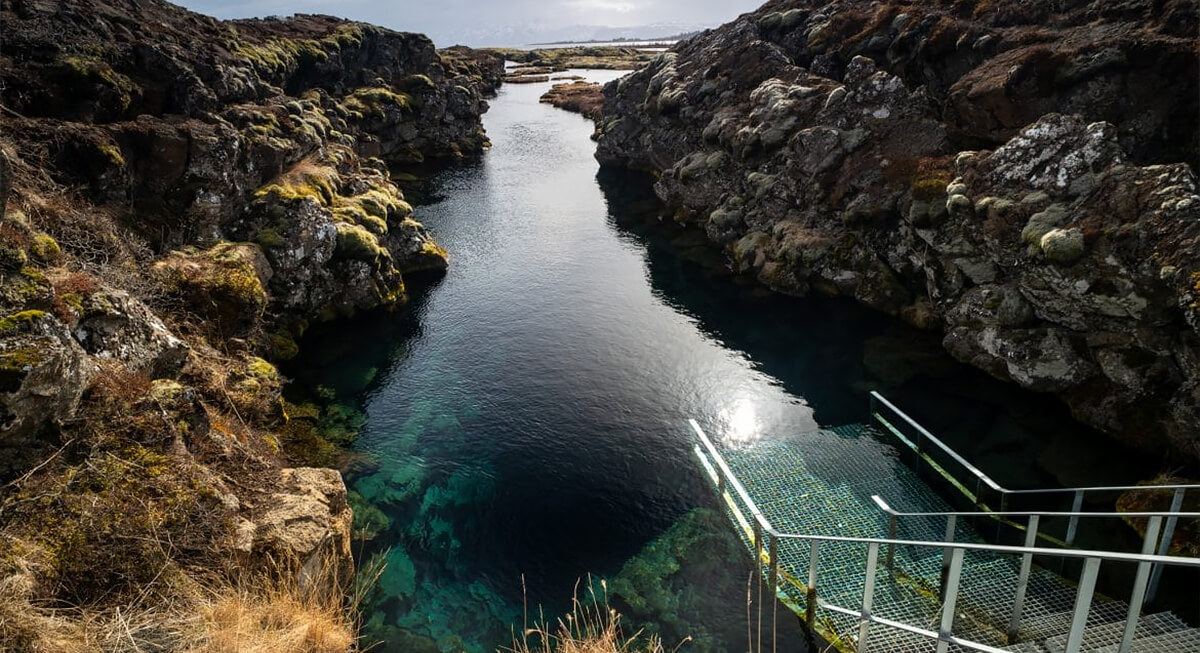
Silfra looks quite plain at first glance. The entry area has dark rocks, metal stairs, and divers adjusting their gear. Everything changes once your mask goes underwater. The small crack opens into a bright blue channel between massive lava walls. The simple start makes the discovery even better. The stunning view below the surface is the highlight.
The Season Changes The Mood
Credit: Instagram
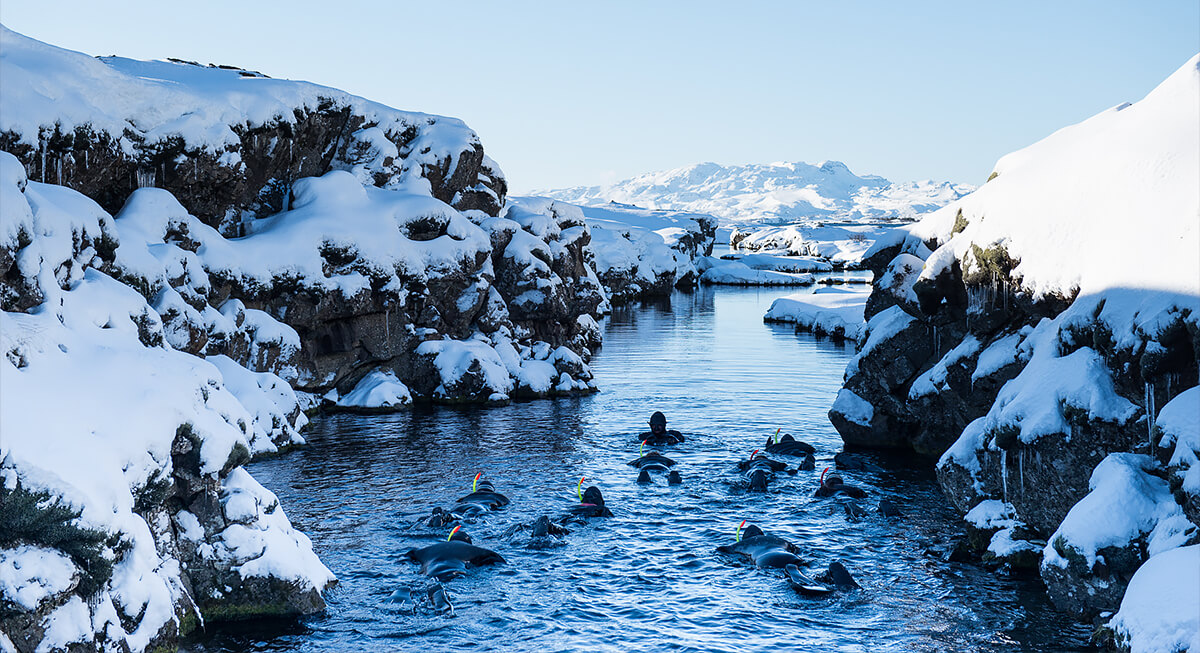
Tours run year-round, but the scenery changes with the season. Winter brings snow and dark skies during preparation, while summer offers longer daylight and an easier walk to the water. The water, however, stays cold every month.