9 Epic Ways to Pedal Your Way Through Sweden’s Secret Wildflower Trails
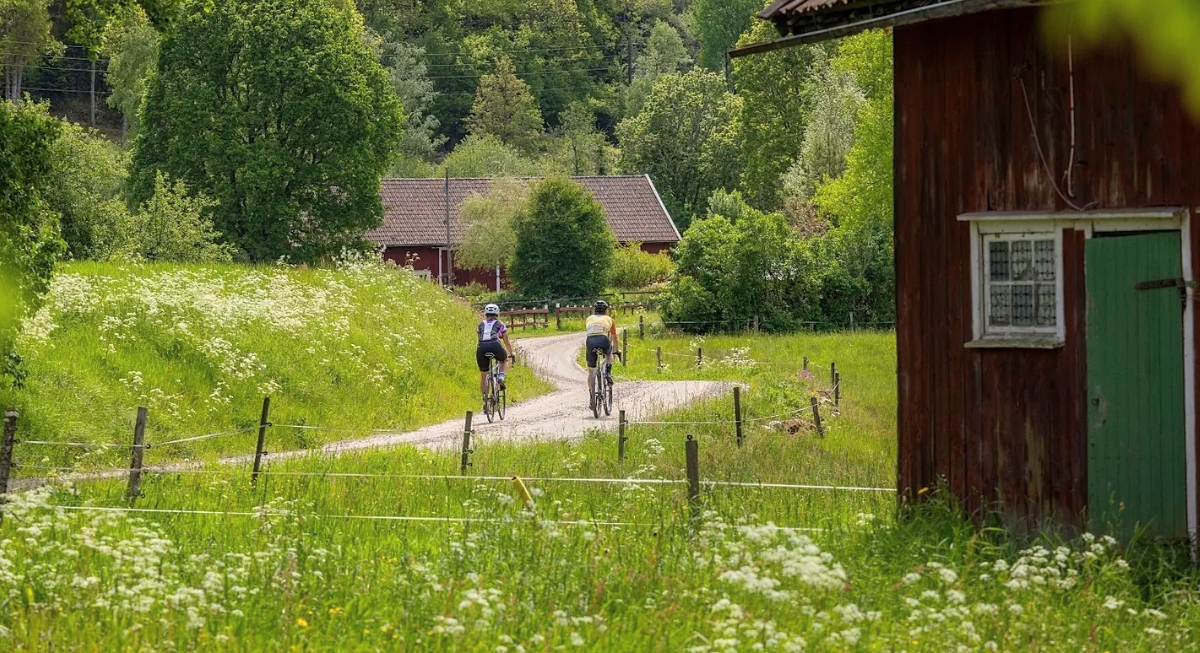
Spring in western Sweden is different. Roads open up, and long stretches of countryside turn soft with color. The Ljungleden cycling route captures that moment perfectly. It spans 170 kilometers between Gothenburg and Falköping and offers a flexible ride through small towns and unhurried movement.
Ride Through Heather Fields At Peak Bloom
Credit: Västsverige
Ljungleden takes its name from the heather that grows along parts of the route. Late summer brings the strongest color, with purple spreading across wide patches of land. Riders often notice the shift without needing a map or marker. The terrain is steady, so attention drifts outward.
Pause In Alingsås For A Proper Fika

Credit: Wikimedia Commons
Alingsås has built a reputation around fika, Sweden’s well-known coffee break tradition. Cafés line the central streets, many baking kanelbullar fresh throughout the day. Cyclists passing through often stop longer than planned, partly because everything is so close together.
Break The Journey Into Manageable Stretches
Credit: Västsverige
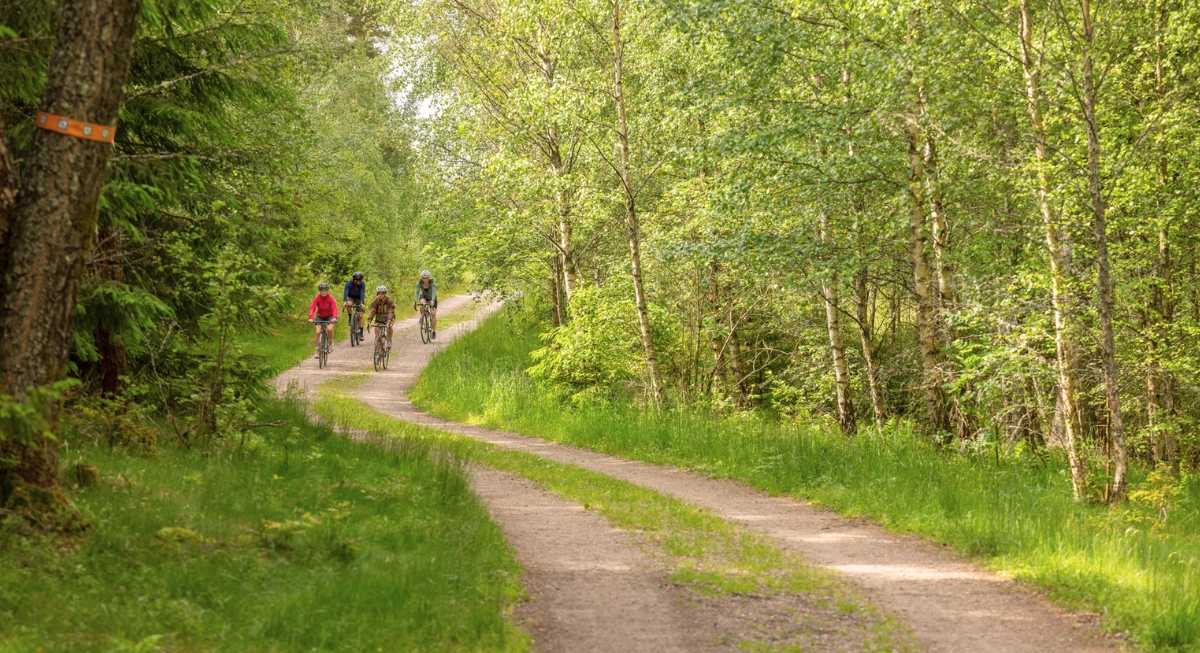
Kattegattleden stretches along Sweden’s west coast for roughly 390 kilometers and breaks into clear sections. Distances between towns usually fall within 20 to 30 kilometers, which keeps food and rest options predictable. Train access in places like Varberg also gives riders an easy way to adjust plans mid-ride.
Find Fresh Food Along The Way
Credit: Tripadvisor
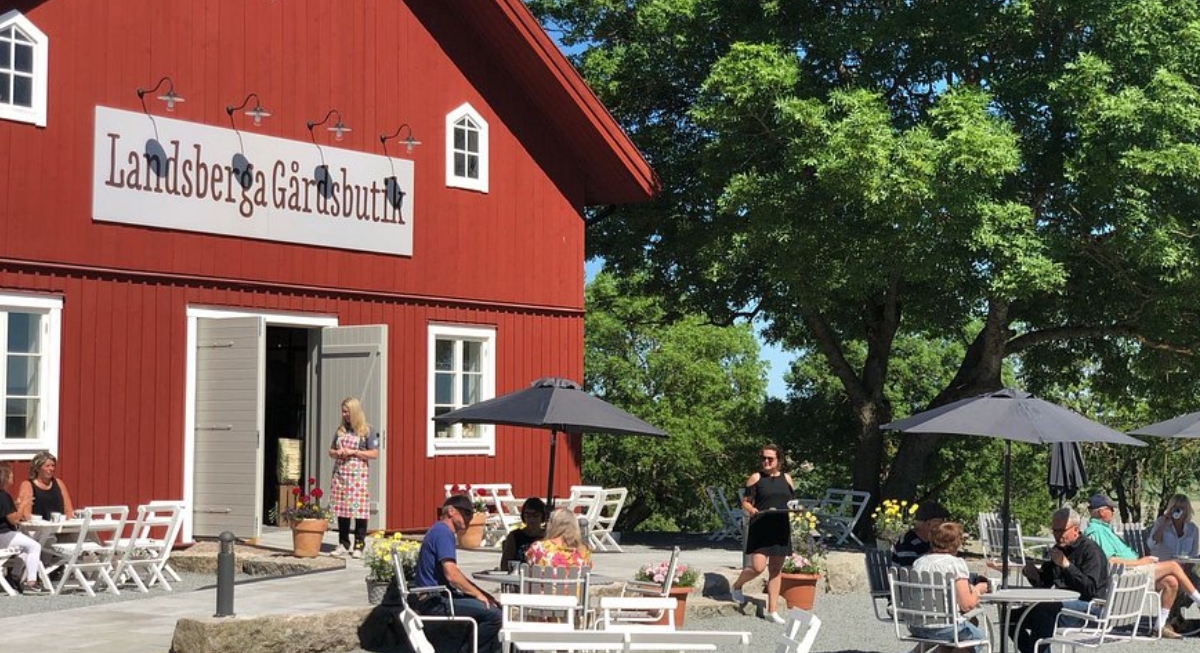
Gårdsbutiker appear frequently along these cycling routes, often without much signage. What’s available depends on the season, so stops can feel slightly different each time. Summer might mean fresh berries, and later months bring root vegetables, along with cheese, jams, and honey. Cyclists often rely on these places instead of restaurants.
Use Short Segments For Easy Day Trips
Credit: Wikimedia Commons
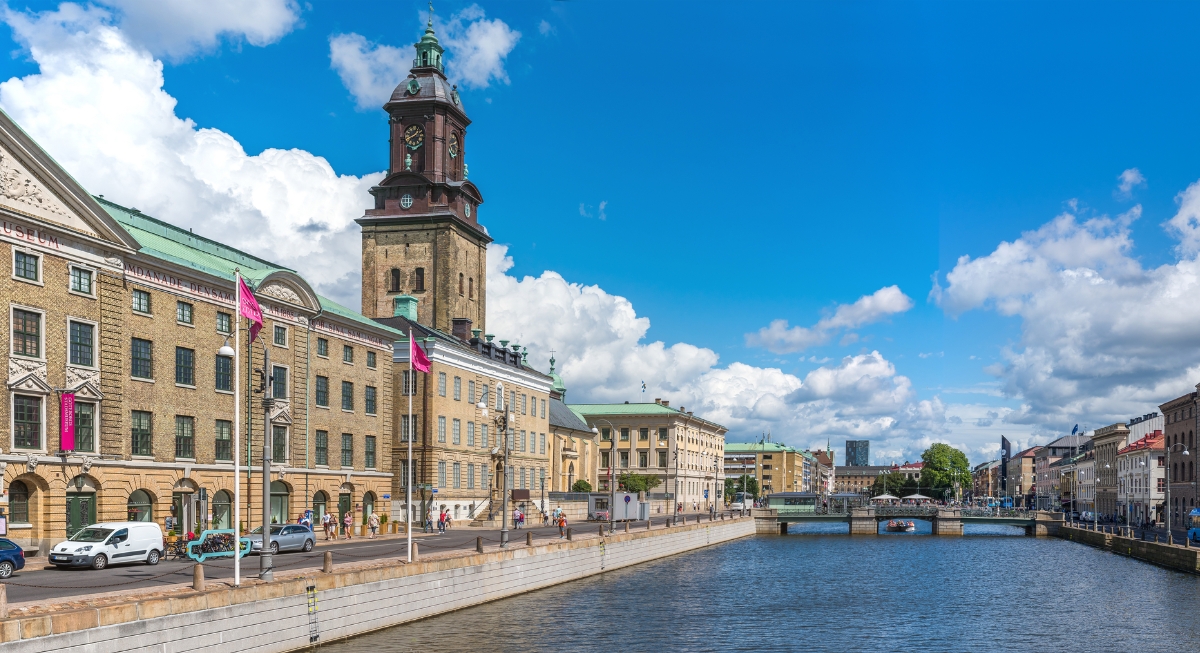
Not every stretch of Ljungleden needs a full day. Access points near Gothenburg make it easy to ride a portion and leave without retracing the route. Trains connect back to the city, so there’s no need to circle around. Even a few hours on the trail can include farmland and quiet roads.
Notice The Shift Between Urban And Rural Spaces
Credit: Wikimedia Commons
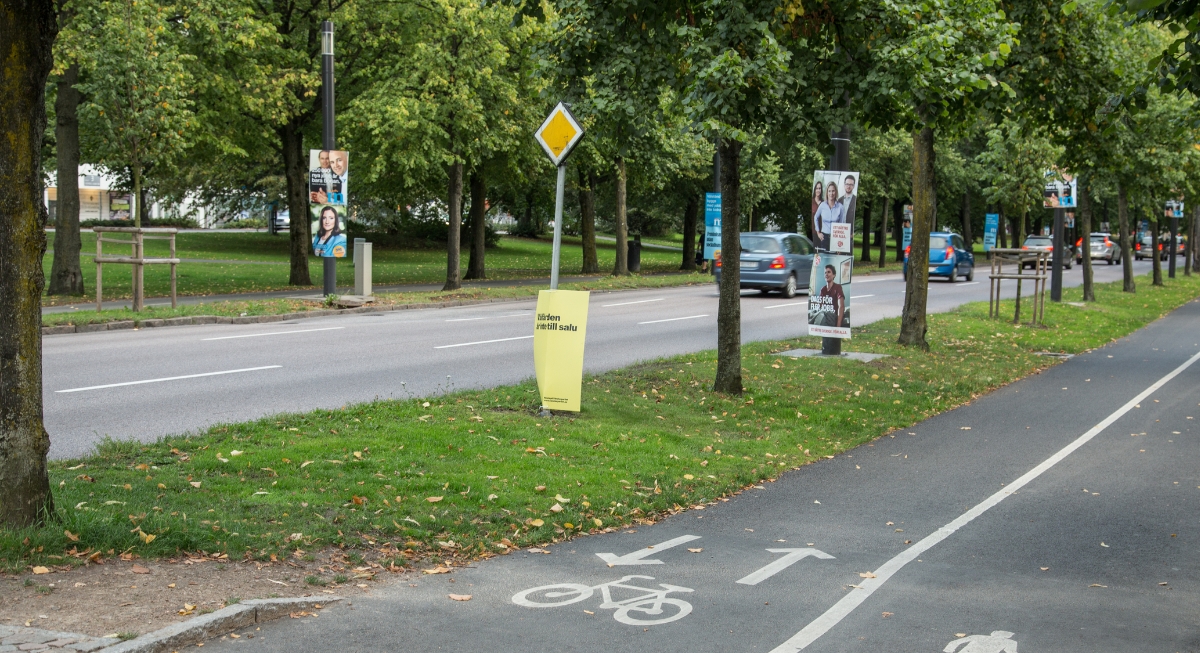
The ride doesn’t leave Gothenburg all at once. It begins with bike lanes and familiar surroundings before easing into less structured roads. Traffic thins out over time, until farms and smaller communities begin to take over the view. That gradual transition gives riders space to adjust.
Connect To Longer Cycling Routes For Extended Travel
Credit: Wikimedia Commons
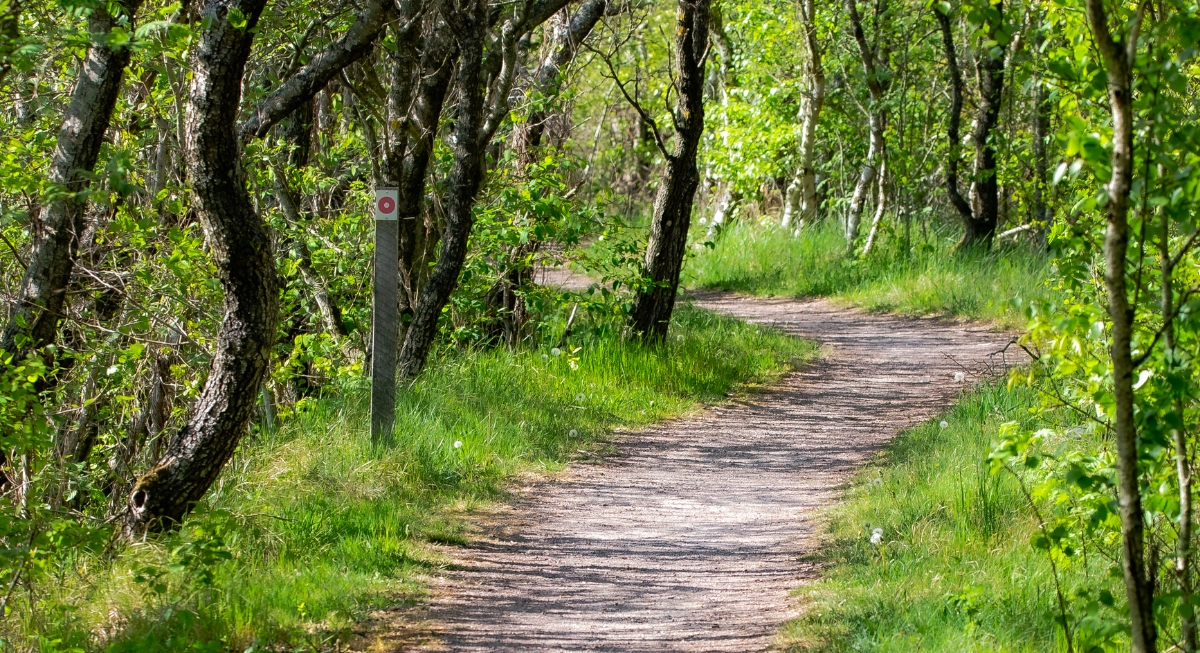
Ljungleden links with established routes like Kattegattleden and Ätradalsleden, opening the door to much longer trips. Kattegattleden follows Sweden’s west coast and offers extended views of the sea, while inland connections stretch deeper into rural regions.
Pack Light And Leave Room For Local Finds
Credit: pexels
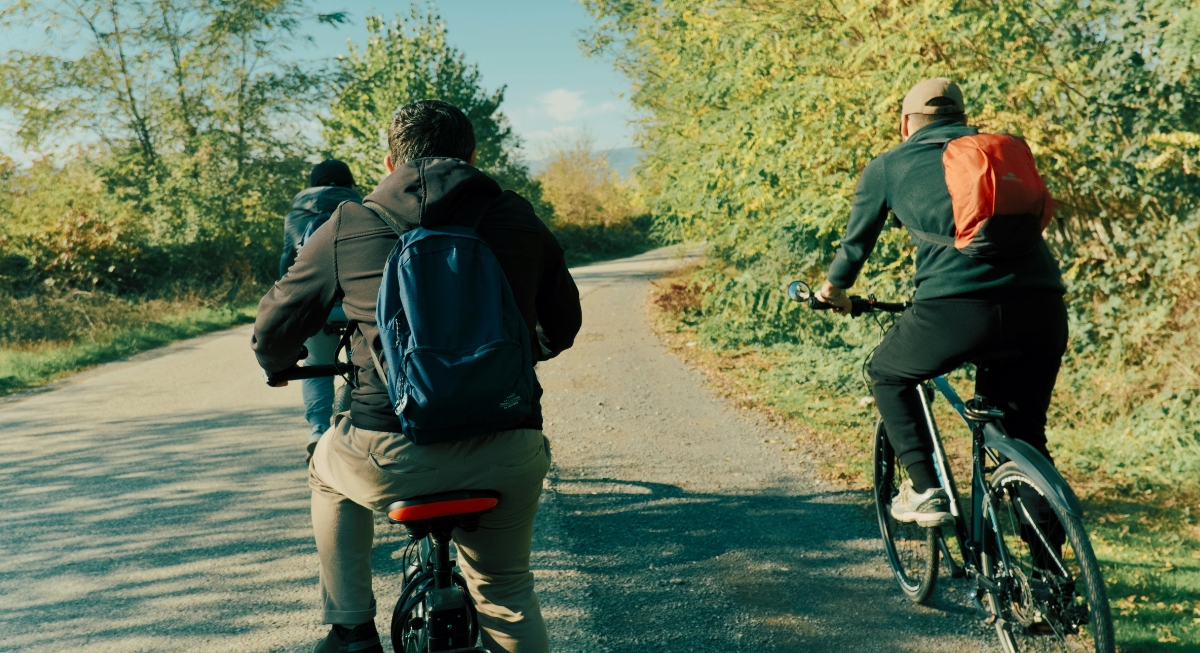
Many cyclists start with more gears than they need. After a day or two, that usually changes. Frequent stops reduce the need to carry large amounts of food, and lighter bags make riding easier. Farm shops and small stores also regularly offer items worth bringing along.
Take Advantage Of Long Daylight Hours
Credit: pexels
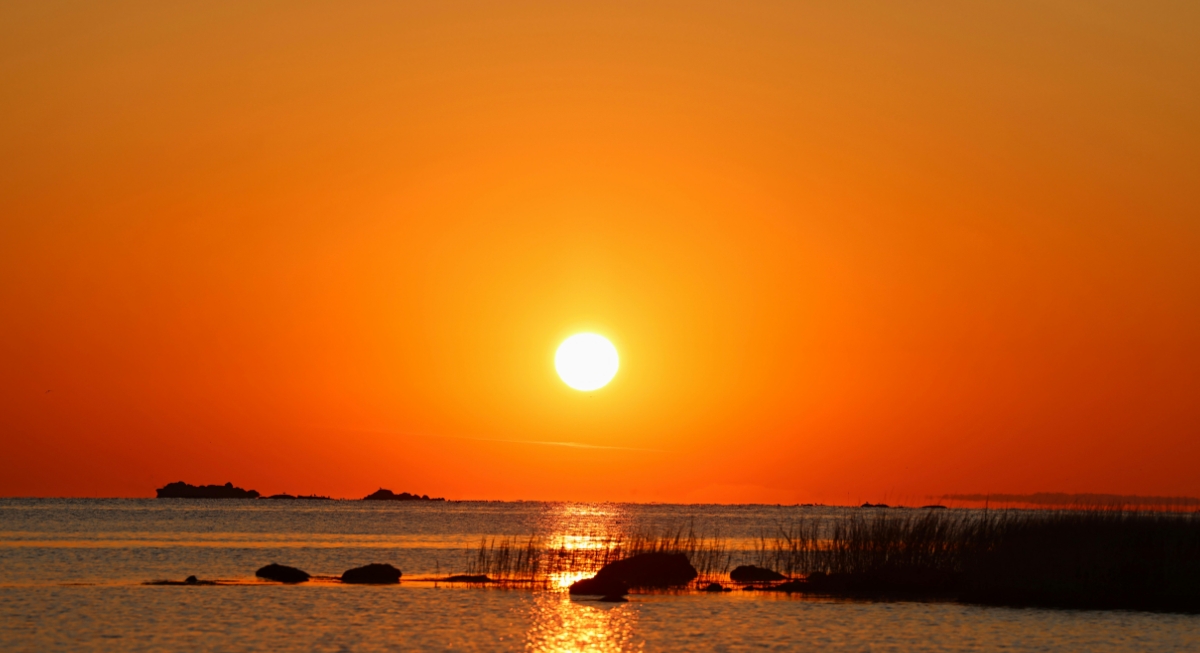
Extended daylight in late spring and early summer alters the pace of the ride. There’s less urgency to reach a stopping point before dark, which changes how breaks are taken. Riders often stay in one place, or take small detours without checking the time.