Sweden Opens the World’s First Shopping Mall Where Nothing Sold Is New
Retail depends on a steady flow of newly manufactured products, frequent inventory turnover, and the promise of something untouched, and that formula drives most shopping centers across the world. In Sweden, one mall operates on a completely different premise. Its performance challenges long-held assumptions about retail, waste, and profitability.
Supported by local government, the project combines recycling infrastructure, retail space, and repair workshops under one roof. Sales figures, job creation, and sustained consumer demand suggest the model is more than a symbolic sustainability effort, and the reason becomes clearer once the structure behind it comes into view.
A Mall Built Around Reuse, Not Replacement
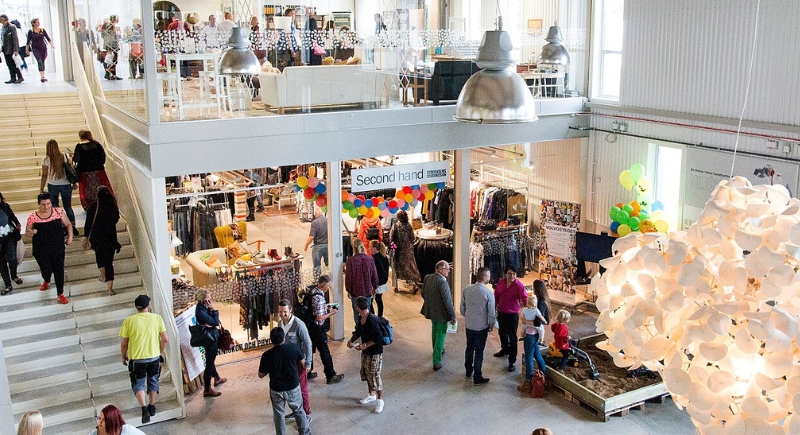
Image via Wikimedia Commons/Eemab
In the city of Eskilstuna, a shopping center operates on a strict rule: every product on sale has already lived a previous life. The mall, called ReTuna Återbruksgalleria, opened in 2015 and quickly gained global attention as the world’s first mall to sell only goods that are repaired, reused, or upcycled. Shoppers browse furniture, clothing, electronics, bikes, toys, and home goods, and none of it comes straight off a factory line.
Items arrive after residents drop them at an on-site depot next to the city recycling center. Staff sort what can be salvaged, repair teams step in, and retailers shape finished products that shoppers actually want. By 2018, sales had reached 11.7 million Swedish kronor, approximately $1.3 million, and that revenue came entirely from items that were once headed toward disposal.
How Does the System Work?
Image via Canva/pixelshot
ReTuna succeeds because convenience drives behavior. Residents already visit the recycling center regularly, so the donation becomes a quick stop for them. Items are moved directly into workshops run by individual shop owners, who repair, refinish, or redesign the selected items.
Each store controls its brand and inventory strategy. The flexibility ensures that supply remains aligned with demand. Many shops have visible work areas, allowing customers to see repairs happening in real time. The process builds trust while reinforcing value.
The layout is essential because the mall avoids a flea market feel. The clean design, thoughtful displays, and consistent aesthetics transform the shopping experience for secondhand items. A café serving organic food extends visits and keeps the experience familiar to anyone used to conventional malls.
Public Ownership Made the Risk Manageable
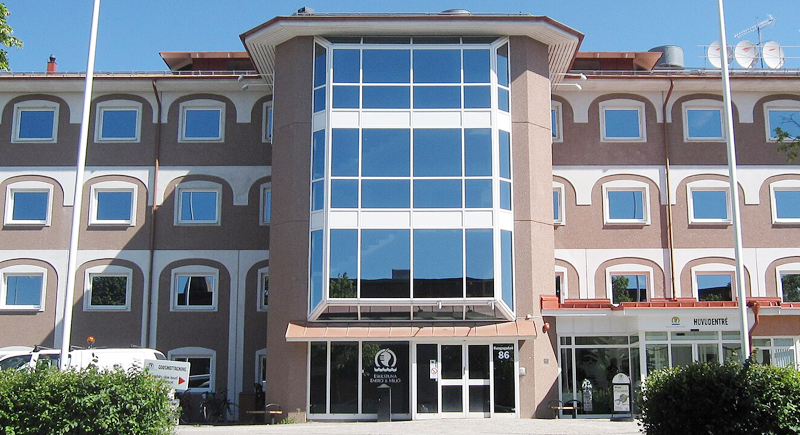
Image via Wikimedia Commons/Eskilstuna Energy & Environment
Municipal leadership played a vital role early on. The city owns the building through its energy and environmental services company, Eskilstuna Energi och Miljö. The structure allowed legal handling of waste streams while lowering barriers for retailers.
To attract businesses, the city reduced rent by 50 percent during the first two years and by 30 percent by the third. Subsidies were phased out once the mall stabilized. This early cushion allowed entrepreneurs to focus on product quality rather than mere survival.
The result delivered economic impact alongside environmental gains. ReTuna created about 50 local jobs across retail, repair, textiles, and creative reuse. For a city dealing with youth outmigration and unemployment, those roles were crucial.
Education Happens Alongside Shopping
Selling goods is only part of the mission. ReTuna serves as a public learning space centered on practical sustainability. Workshops, lectures, and themed events help visitors understand how reuse fits into daily life. A local folk high school even runs a year-long recycling design program inside the building, training students in upcycling and repair skills.
Conference rooms host climate-focused meetings, keeping sustainability at the forefront of discussions. Visitors also learn to judge what still holds value when discarding items. Clear guidance enhances sorting quality, thereby strengthening the entire system.
Cities across Europe and beyond watch ReTuna closely. The mall demonstrates that circular economy ideas can be successfully implemented at a commercial scale without compromising customer experience. Shoppers still browse, eat lunch, and leave with bags in hand. The difference lies in how value is created.