Stunning Libraries That Require a Ticket to Enter
Some libraries treat access as part of the experience. Tickets, time slots, and rules shape how visitors move, where they pause, and how long they stay. These places balance curiosity with control. Visiting these libraries feels less like browsing and more like stepping into a managed environment with expectations attached.
Admont Abbey Library
Credit: Wikimedia Commons
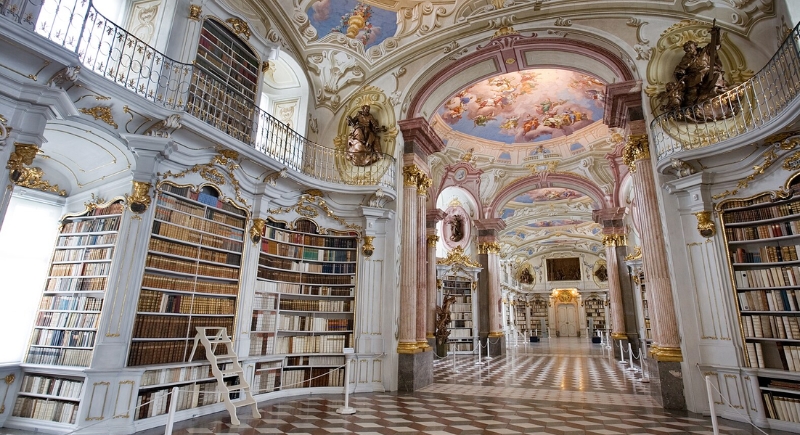
This library only exists because monks believed knowledge should feel overwhelming. The room stretches nearly the length of a football field, with all white shelves, gold accents, and ceiling frescoes staring down at you. Tickets come with the abbey visit because the space can’t handle wandering crowds.
Duke Humfrey’s Library
Credit: Wikimedia Commons
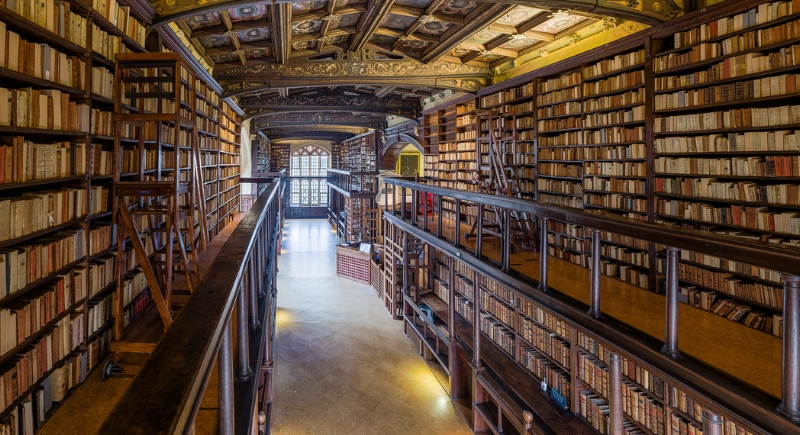
Access to Duke Humfrey’s Library happens only through a booked Bodleian tour, and the pace reflects that. The room dates back to the late 1400s and still holds medieval manuscripts and chained books. Groups move quickly through narrow aisles, guided by stories rather than free exploration. The ticket only gets you time-bound access.
Trinity College Dublin Long Room
Credit: Wikimedia Commons
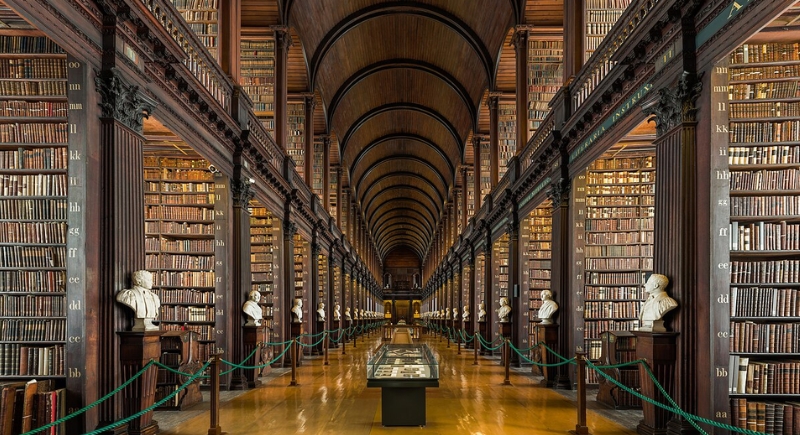
Entry to the Long Room comes with a ticket, largely because the space draws steady crowds year-round. Once inside, visitors are free to pause, look around, and take photos, though browsing the shelves is not allowed. Staff encourage a steady flow during busy periods to keep aisles clear.
Strahov Library
Credit: Canva
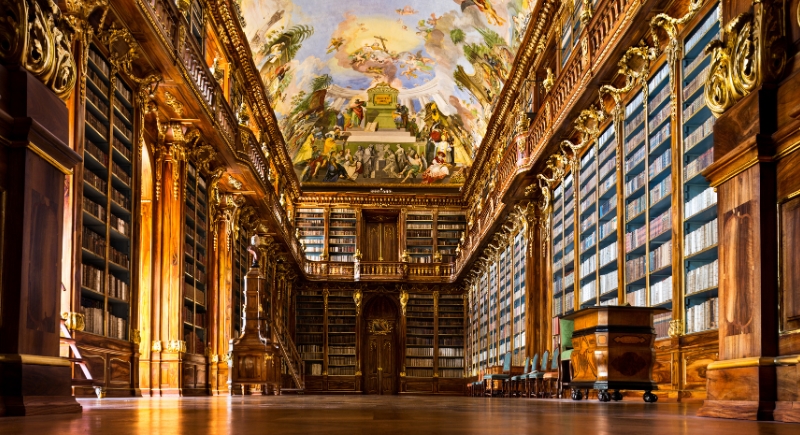
At Strahov, the ticket grants permission to look. The two historic halls from the seventeenth and eighteenth centuries stretch out beyond ropes, packed with roughly 200,000 volumes. Visitors stand at the edge while ceiling frescoes dominate the view. Extra fees apply for photos.
Bibliothèque Sainte-Geneviève
Credit: Wikimedia Commons
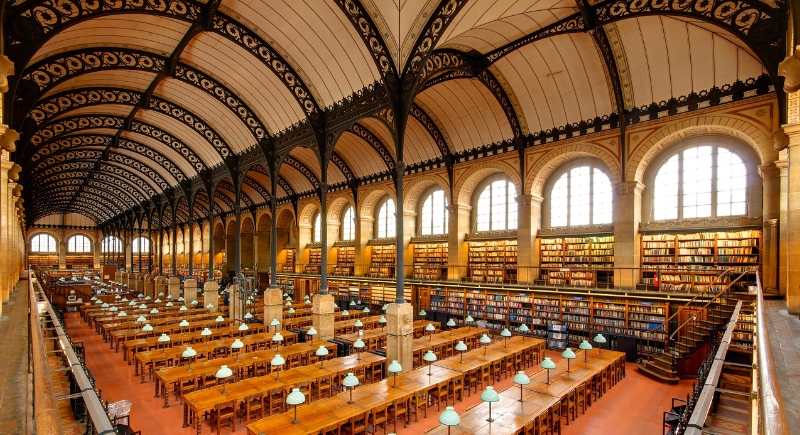
Daytime access is free for readers, but seeing the building itself often involves joining a ticketed tour or special evening opening. Iron arches span the ceiling, green lamps line the tables, and symmetry does most of the talking. The library opened in 1851 and helped redefine academic design.
Library of Congress
Credit: pexels
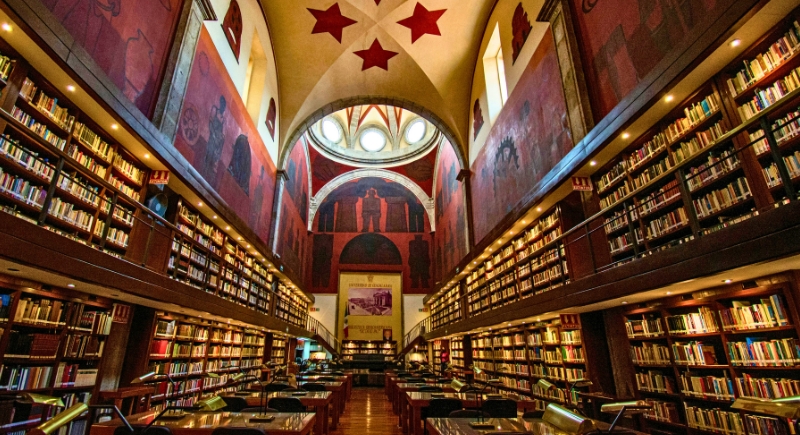
Timed tickets regulate entry into the Main Reading Room, but the scale of the place sets expectations first. The Thomas Jefferson Building, opened in 1897, seems more like a monument than a study hall. Visitors watch researchers from above, then drift into rotating exhibitions nearby.
Mafra National Palace Library
Credit: Wikimedia Commons
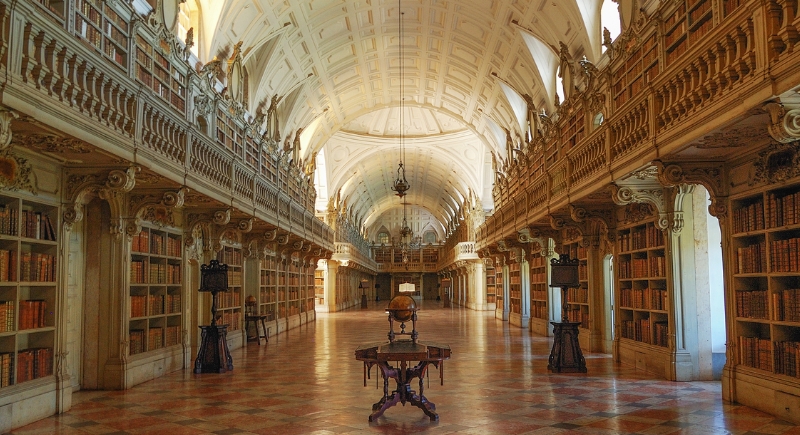
Reaching this library means buying a palace ticket, but few visitors question the trade once they step inside. The room is long and symmetrical, with pink marble floors laid in precise patterns and shelves packed with about 36,000 leather-bound volumes. At night, bats handle insect control, a low-tech solution that has protected the collection for centuries.
Wiblingen Abbey Library
Credit: Wikimedia Commons
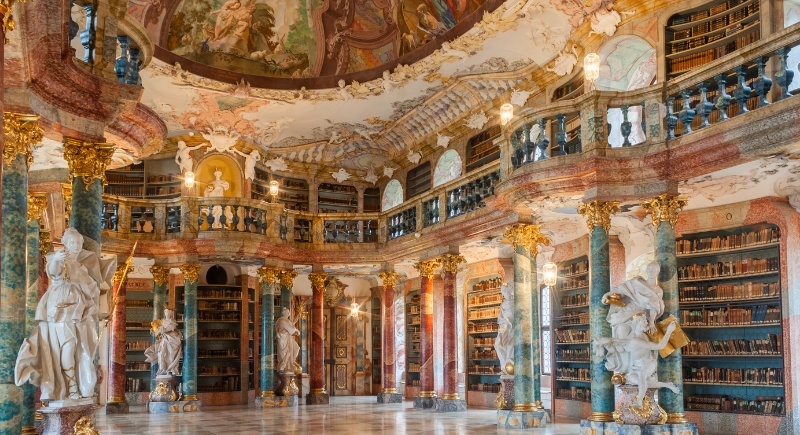
Access comes through a ticketed visit, though the stop itself is brief and carefully contained. Pastel columns, gold detailing, and Januarius Zick’s ceiling paintings draw attention upward more than toward the shelves. Roughly 15,000 theology and philosophy volumes remain in place. The guided path keeps things orderly.
Austrian National Library State Hall

Credit: pexels
The moment you enter, you’re kept several steps away from the shelves by design. Rope barriers, marked paths, and staff direction make it clear this room isn’t for browsing. The hall was built in the 1720s for the Habsburg court and holds around 200,000 historic volumes. Tickets limit traffic because light, humidity, and vibration damage both books and the ceiling.
Seattle Central Library
Credit: Wikimedia Commons
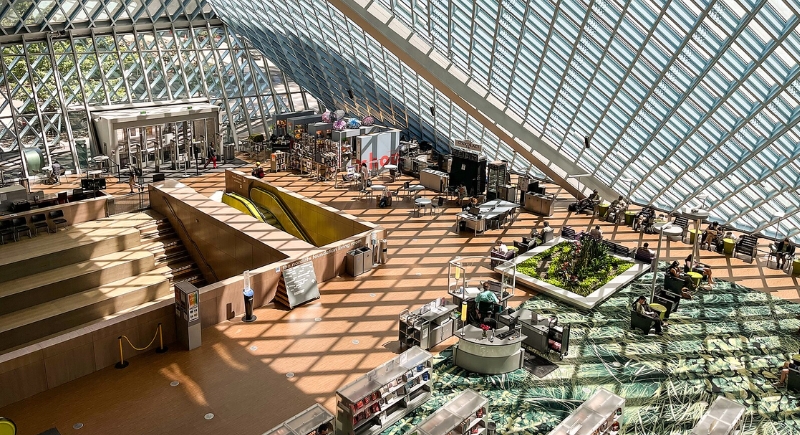
Daily entry here is free, but there is a fee for architecture tours. The building, designed by Rem Koolhaas and opened in 2004, replaces straight aisles with ramps and a continuous book spiral. Guides explain why the layout breaks expectations. Without a ticket, it feels puzzling. With one, the logic clicks, even if the building still resists tradition.