Stop Living in the 2D World Because Studio Paolo Ferrari is Building a Literal Multi-Verse
Studio Paolo Ferrari designs interiors that contain multiple environments within a single project. The studio structures interiors so that materials, lighting, layout, and spatial framing change from one area to another. As people move through these spaces, the experience progresses in stages.
This method appears across the studio’s work in hospitality, retail, and large-scale developments. Restaurants are organized into atmosphere-specific rooms, hotels incorporate surrounding landscapes directly into interior spaces, and circulation paths are planned to control how each area is introduced. These decisions create environments composed of distinct experiences.
Designing Spaces That Change as You Move
Movement is at the center of Ferrari’s design philosophy. Interiors are structured like film sequences, where perspective, lighting, and spatial framing guide how each moment is experienced. As visitors walk through a building, their view lines shift, new materials appear, and the atmosphere evolves.
Ferrari often describes this process as creating a journey through space. The sequencing gives the interior a narrative structure. One section might feel quiet and reflective, while the next becomes energetic and social.
Multiple Worlds Inside One Project
This layered thinking appears clearly in the studio’s hospitality work. At the Toronto restaurant Daphne, for example, the interior unfolds through a series of distinct rooms. Guests move through these different environments during a single visit. The approach transforms a standard restaurant layout into something closer to a spatial progression.
Ferrari applies similar thinking in other projects. At the Desert Rock resort in Saudi Arabia, guest rooms are directly within the mountain landscape. Rock formations extend into the interior architecture.
In the Red Sea project, Shebara, guest pods appear as dark reflective forms floating above the water. Inside, bright sand-colored surfaces and polished metal elements create a completely different spatial identity from the exterior shell.
Balancing Innovation With Familiarity
Even as it creates complex environments, Ferrari maintains a principle that keeps spaces readable. Every project includes familiar visual anchors that help visitors quickly understand the environment.
Those anchors can come from recognizable materials, historical references, or conventional architectural proportions. Once that foundation is in place, the design can introduce unexpected forms or spatial arrangements without confusing the visitor.
The studio often combines historical references with contemporary design. Projects may pair early 20th-century material traditions with modern lighting or sculptural furniture.
Building a System That Allows Creative Freedom
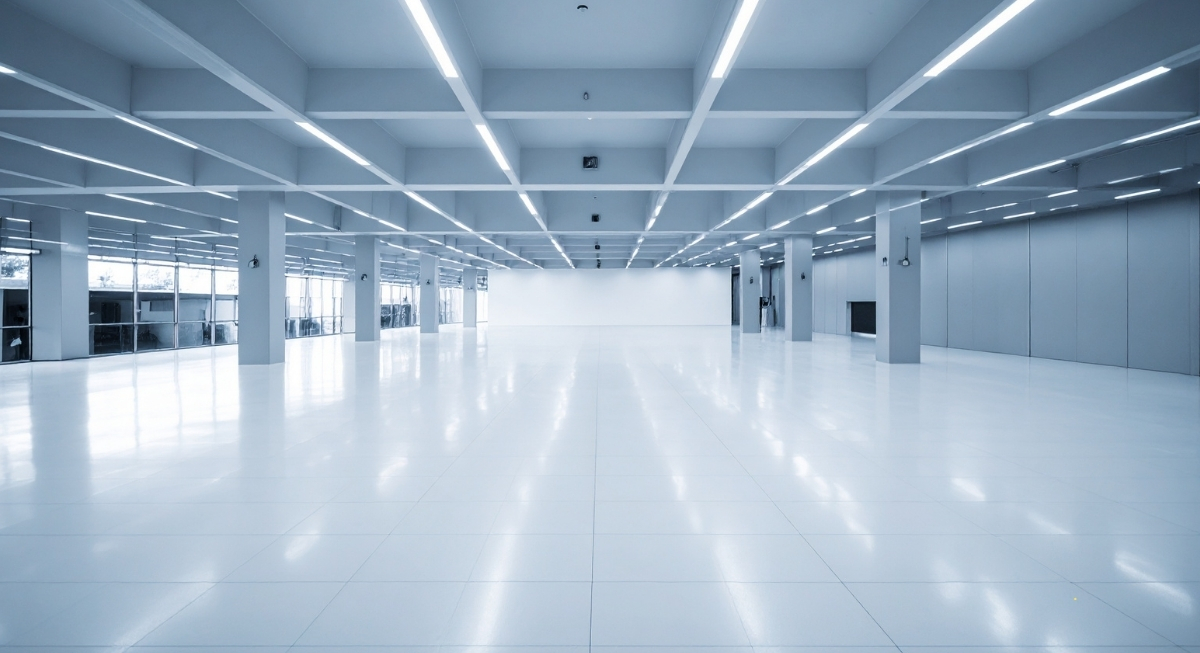
Image via Canva/TrueCreatives
Behind the scenes, Ferrari’s studio operates within a deliberately neutral workspace that supports this design process. The Toronto studio occupies a converted industrial building with 15-foot ceilings, four skylights, and 16 windows that wrap around the perimeter.
Inside, the layout remains open and collaborative. Workstations are in a shared environment without partitions, so designers move easily between projects and discussions.
The interior palette is restrained. Walls, floors, and ceilings are finished in white, while oak desks and natural wood surfaces introduce warmth against the neutral background.
This setup supports flexibility. By removing visual distractions, the studio creates an environment where designers can test different ideas without the workspace shaping the outcome.
Designing Entire Spatial Narratives
Every Studio Paolo Ferrari project begins with a concept and a defined set of materials. From there, the design develops through sketches, technical drawings, and collaboration with architects, engineers, and fabricators.
Through that process, individual rooms develop into sequences of environments connected through sight lines, material contrasts, and changes in scale. The studio avoids repeating a fixed design style.