Stop Ignoring the Real Quebec because the Most Epic Part of Canada is Indigenous Led
Québec is often framed as a European-style corner of North America, but that view misses a much deeper story. Long before French settlers arrived, Indigenous nations had already built lives, languages, and cultures across this land. Communities like the Kanien’kehá:ka around Montréal, the Wendat in Wendake, and Inuit groups in Nunavik each carry their own histories and ways of seeing the world, shaped by their territories.
You can still experience that presence today in real, lived ways. In Kahnawà:ke, language and cultural programs keep Mohawk traditions active and relevant. In Wendake, places like the Huron-Wendat Museum share stories that are still unfolding. These communities are not part of a backdrop. They are leading, teaching, and continuing their cultures on their own terms.
Where The Culture Feels Real, Not Packaged
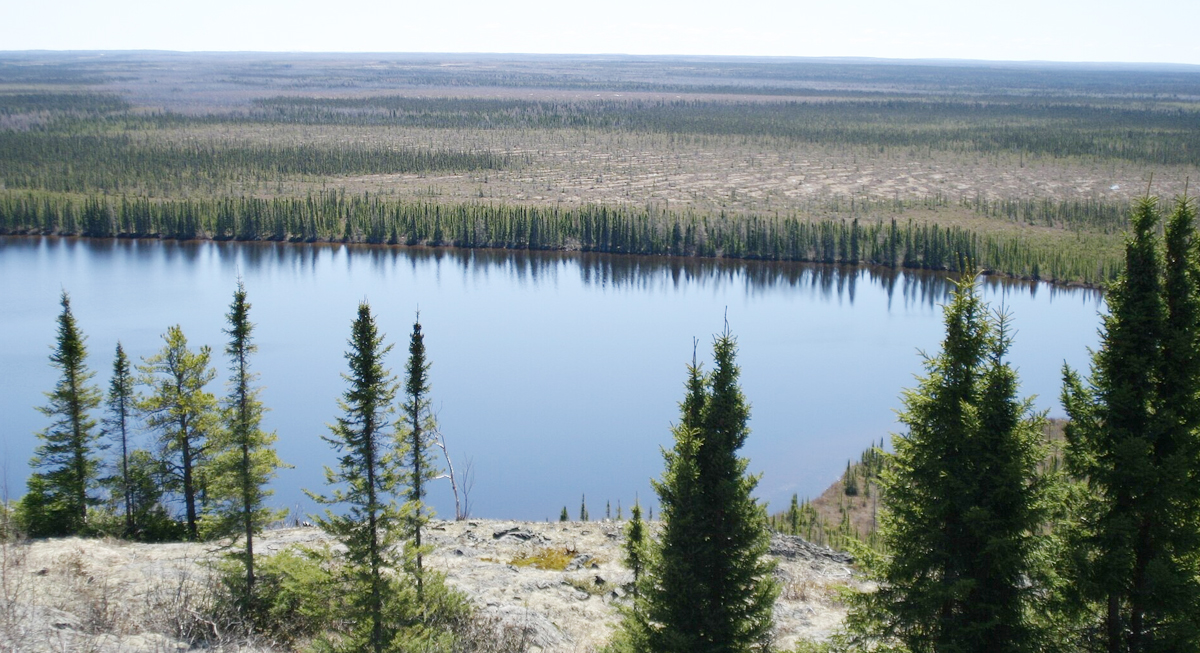
Image via Wikimedia Commons/peupleloup
The shift becomes clearer once you move beyond the cities. Eeyou Istchee Baie-James stretches across 350,000 km², an area nearly the size of Germany, and is located above the 49th parallel. Nine Cree communities live across this region and carry traditions that date back about 5,000 years.
Life here depends on the land. Lac Mistassini, Québec’s largest freshwater lake, supports fishing for walleye, northern pike, and lake trout. Snowmobile trails stretch about 1,100 km through the boreal forest, linking communities and remote areas. The name Eeyou Istchee means “The People’s Land,” and it reflects how the region operates, with Cree artisans sharing their work and the language continuing across generations.
Instead of observing culture at a distance, travelers engage with people who shape it every day. Organizations like the Indigenous Tourism Association of Canada support this approach by ensuring experiences stay community-driven. Events such as KWE! in Québec City bring together all 11 Nations for public conversations, performances, and storytelling.
The Reality Behind The Experience
In 2019, the Viens Commission, led by retired Superior Court Justice Jacques Viens, released 142 calls to action after investigating how Indigenous people were treated in Québec’s public services. By 2023, fewer than one-third of those recommendations had been fully implemented or were progressing as expected.
Events like the 2020 death of Joyce Echaquan brought renewed attention to issues in healthcare and created calls for reforms such as Joyce’s Principle. Voices like Dr. Stanley Vollant, Québec’s first Indigenous surgeon, continue pushing for change while acknowledging that progress takes time.
The Part Of Canada That Actually Stays With You
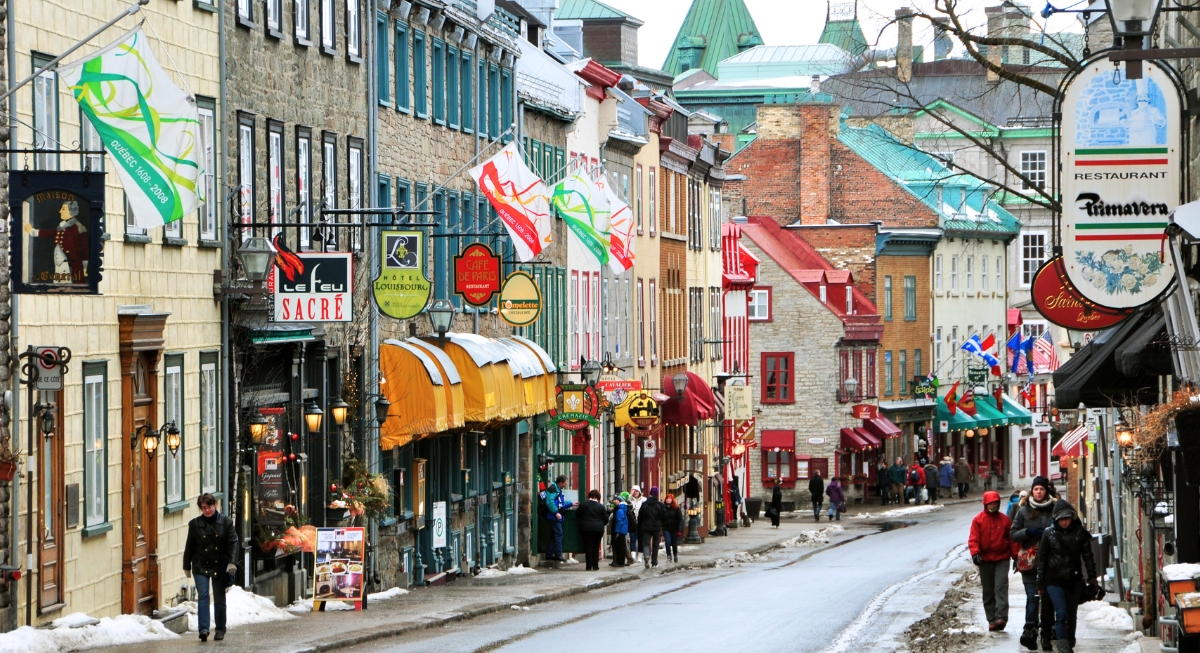
Image via Wikimedia Commons/Chensiyuan
The most memorable parts of Québec rarely come from postcard views. They come from conversations, shared stories, and the chance to see how communities continue to shape their future. Indigenous-led experiences bring that into focus in a grounded and immediate way.
Travel shifts when the focus moves toward people who have always been part of the land. Québec starts to feel less like a familiar destination and more like a place with layers that most visitors never reach.