10 Ways to Spot a Skimmer on an ATM While Traveling Abroad
Using an ATM overseas can be convenient, but it also comes with risks many travelers do not think about until it is too late. Card skimming has turned routine cash withdrawals into an easy target for fraud. Staying safe does not require suspicion of every machine, just awareness of what looks off. A brief pause before inserting your card can make all the difference. These tips help you spot trouble before it costs you.
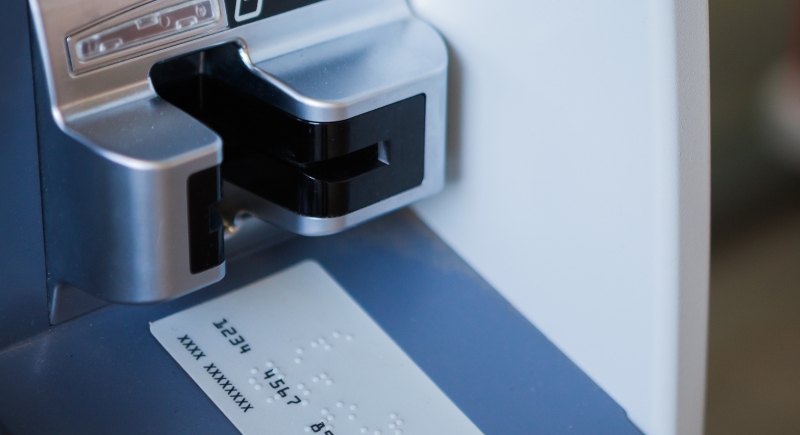
Inspect the Card Slot for Any Odd Add-Ons
Credit: Getty Images
If the card slot looks bulky, loose, or awkwardly attached, trust that instinct. Skimmers are made to resemble real readers, but the fit is often slightly off. They are meant to fool users briefly, not hold up under close attention. Noticing parts that seem misaligned or unusually large can prevent your card details from being copied.
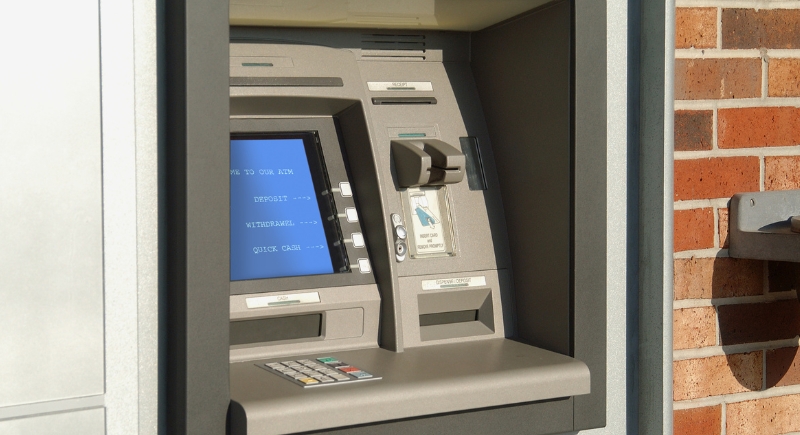
Check for Mismatched Colors or Materials
Credit: Getty Images
One way to spot a fake is to look for inconsistencies in texture or shine. If the card slot is matte and the rest of the machine is glossy, it might not belong. Scammers don’t always have access to identical materials, so they work with what they can get.
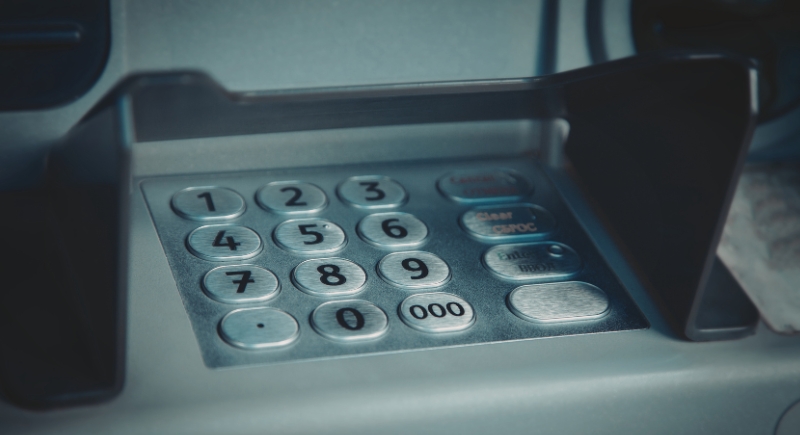
Wiggle Test the Reader and Keypad
Credit: Canva
It shouldn’t come off in your hand. Tug gently on the card slot and press the keypad’s corners. Skimmers are often attached with adhesive or built as thin overlays. Real ATM parts are solid and firmly installed. Anything that moves, rattles, or shifts might be collecting your info.
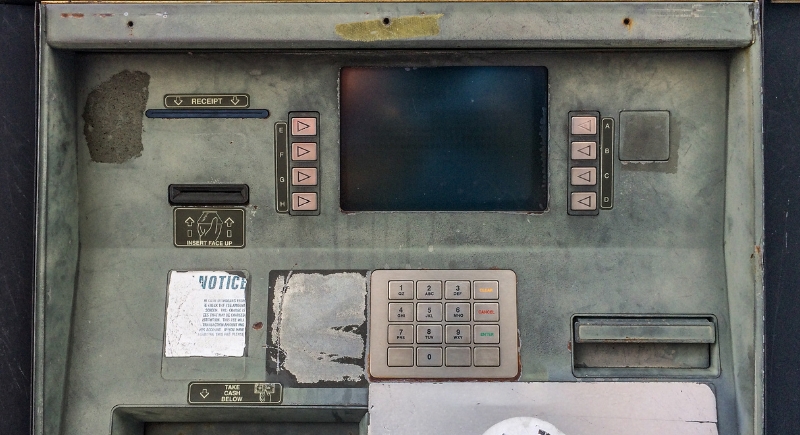
Avoid ATMs That Look Rushed or Improvised
Credit: Getty Images
An ATM near a souvenir shop with a handwritten sign and a lopsided logo might be worth skipping. Scammers don’t always target bank machines; they look for low-traffic or low-maintenance spots to place devices. If the machine looks like it hasn’t been serviced in years, it probably hasn’t.
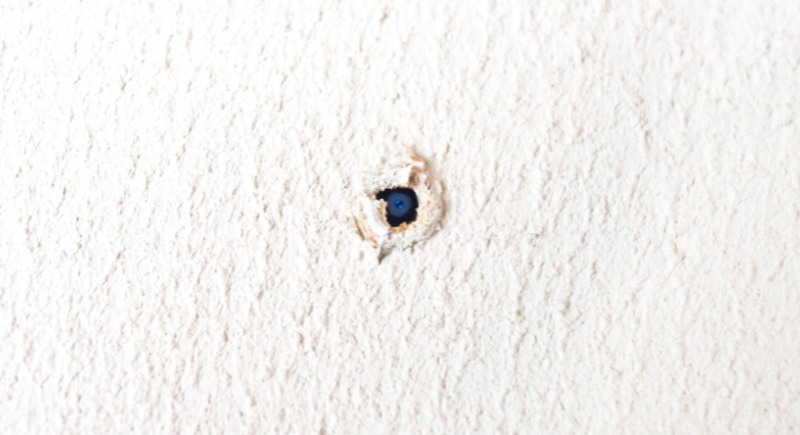
Look for Hidden Cameras Near the PIN Pad
Credit: Getty Images
A pinhole camera only needs a tiny opening to catch a clear view of your hand. Some are tucked inside fake brochure holders or small panels above the keypad. Check for small holes, lenses, or weird attachments near eye level. Even a fake mirror can house a mini camera these days.
Watch for Extra Plastic Around the Machine
Credit: Canva
A genuine ATM won’t have unnecessary panels or clip-on accessories. If the area around the screen or cash dispenser looks cluttered or modified, that’s suspicious. Some skimmers hide in spots that seem too random to matter—like just below the card slot or beside the receipt tray. Don’t ignore those areas.
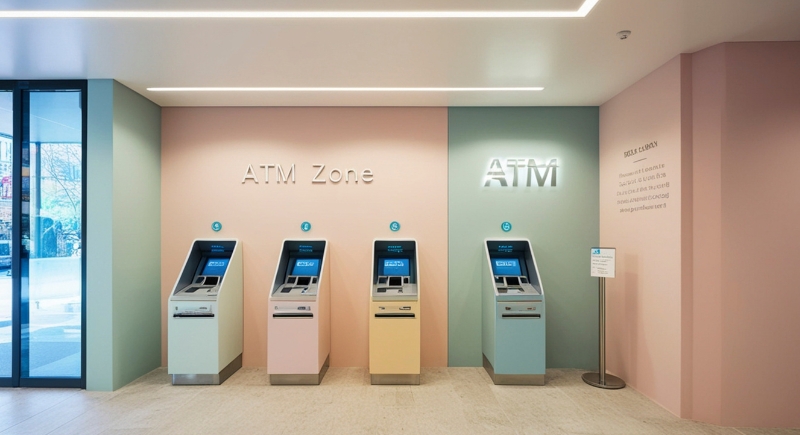
Stick to ATMs Inside Banks or Busy Stores
Credit: Canva
Ones inside bank branches or attached to reputable buildings tend to have better security and regular checks. Machines tucked in alleys or behind vending machines offer cover for suspicious activity. Visibility and foot traffic matter when choosing where to withdraw.
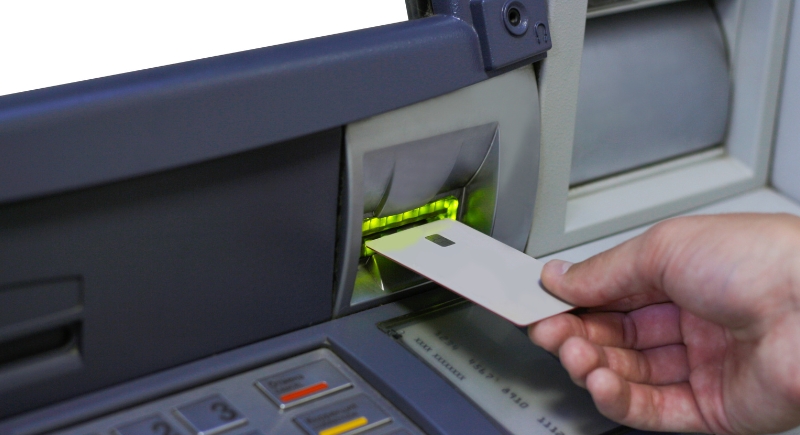
Take Note of How the Card Feels Going In
Credit: Getty Images
If your card drags or meets resistance while inserting, pause. Skimmers sometimes shrink the slot slightly, making the card feel like it’s catching on something. A sudden need to push harder than normal, or the card not ejecting smoothly, could be signs of a device sitting on the reader.
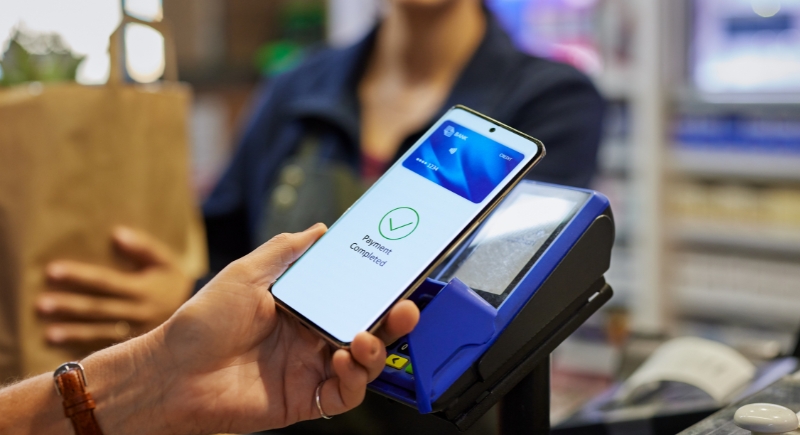
Use Contactless or Mobile Payment When Possible
Credit: Canva
Newer ATMs sometimes let you use your phone or a contactless card instead of inserting anything. That’s great news because most skimmers only capture data from physical swipes. If the machine has that little wireless icon, it’s a safer bet—no contact means nothing for a device to skim.
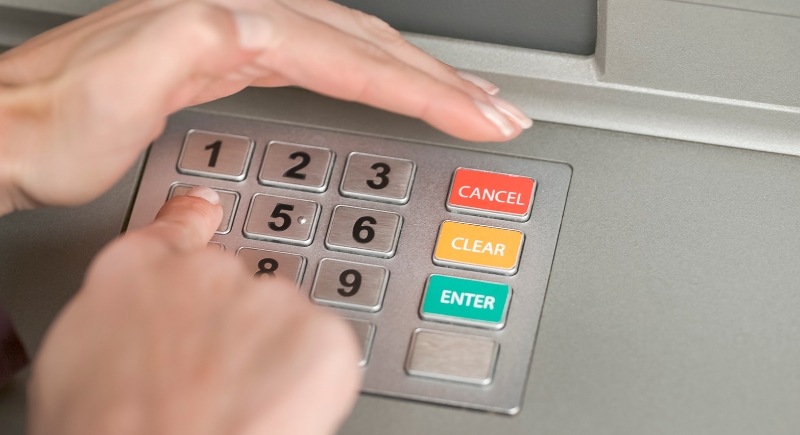
Cover Your PIN Entry with Your Hand
Credit: Getty Images
Even if the ATM looks clean, always block your PIN. It’s low-effort and high-impact. A camera can’t steal your digits if it can’t see them. Shielding your hand creates a simple barrier against most spying devices. People often overlook this step, but it’s one of the easiest defenses available.