Spain Becomes the First European Country to Approve Paid Menstrual Leave
In February 2023, Spain made history by becoming the first country in Europe to approve paid menstrual leave, thus formally recognizing period pain as a legitimate health issue that can affect a person’s ability to work. The policy, which came into effect on June 1, 2023, marked a significant shift in how governments approach menstruation, workplace health, and gender equity.
While menstrual leave policies exist in a small number of countries outside Europe, Spain’s decision placed the issue firmly on the European political agenda.
What the Law Allows

Image via Getty Images/Pattanaphong Khuankaew
Spain’s menstrual leave is framed as a form of temporary medical leave rather than a separate workplace perk. Under the law, employees experiencing incapacitating menstrual pain can take paid time off if the condition is certified by a doctor.
The leave does not have a fixed maximum duration written into the legislation, but government guidance and reporting have consistently described it as typically lasting up to three days per month, with the option to extend to five days in more severe cases.
During this time, wages are covered by Spain’s public social security system at 75 percent of the employee’s salary, subject to a monthly cap. Employers are not responsible for paying the cost directly.
By tying the leave to medical certification and state-backed sick pay, Spain positioned the policy as part of its healthcare and social protection system.
Part of a Broader Reproductive Health Reform

Image via Canva/pixelshot
Menstrual leave was included in a wider reform of Spain’s sexual and reproductive health laws, which also expanded access to abortion services within public hospitals and mandated the free provision of menstrual products in schools, prisons, and other public institutions.
Supporters argued that grouping these measures was a more holistic approach to reproductive health. Spain’s equality minister at the time described the vote as a milestone in feminist policy.
Political Divisions Around the Vote
The law was passed by Spain’s parliament with 185 votes in favor, 154 against, and three abstentions. It was backed by the governing Socialist Party, Podemos, and several left-leaning and regional parties.
Conservative and far-right parties opposed the measure while raising concerns about potential discrimination in hiring and the risk of reinforcing gender stereotypes in the workplace. Even within the governing coalition, the policy prompted debate.
Some lawmakers worried that menstrual leave could unintentionally stigmatize women or create incentives for employers to favor male employees.
Supporters countered that failing to recognize menstrual pain already places many workers at a disadvantage by forcing them to choose between working through severe discomfort or losing income.
How Spain Compares Globally
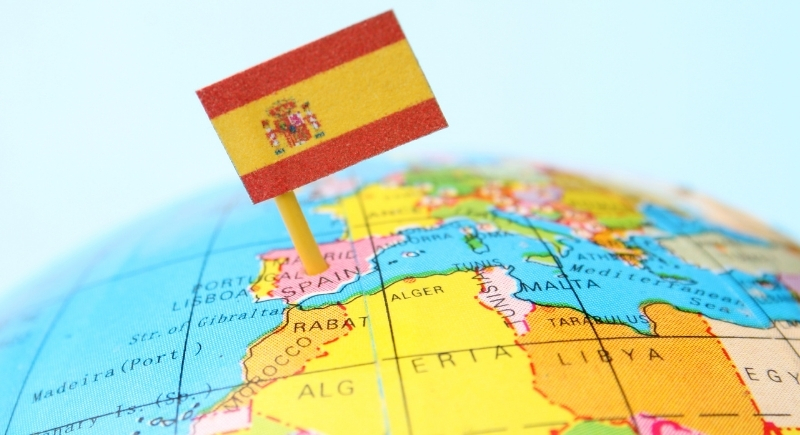
Image via Getty Images/FotografiaBasica
Globally, laws granting menstrual leave remain rare. Countries such as Japan, South Korea, Indonesia, Taiwan, Vietnam, and Zambia have introduced some form of menstrual leave, but implementation and uptake vary widely.
In several of these countries, cultural stigma and workplace pressure have limited how often employees actually use the benefit.
Spain’s policy stands out in Europe because it is the first of its kind and embedded in a public healthcare framework. This approach aims to reduce the risk of workplace retaliation by shifting responsibility away from employers and into the social security system.
Early Usage and Practical Challenges

Image via Pexels/Vlada Karpovich
Data from Spain’s first year of implementation suggests that menstrual leave has been used far less frequently than critics initially feared. Government figures show that the leave was taken just over 1,500 times in the first 11 months, with an average duration of about three days.
Experts point to several reasons for the low uptake. The requirement for a medical diagnosis means the leave primarily applies to people with established conditions such as endometriosis or severe dysmenorrhea. It doesn’t apply to just anyone experiencing painful periods.
In addition, a lack of awareness among both doctors and workers has made accessing the leave more difficult than expected.
Despite these challenges, advocates argue that the policy’s symbolic value is just as important as its immediate usage. By formally recognizing menstrual pain in law, Spain has helped legitimize conversations that were previously considered taboo in professional settings.
The Policy Matters Beyond Spain
Spain’s move has already influenced discussions in other countries. Lawmakers in parts of Latin America and Europe have cited Spain as an example when proposing similar measures, even if no equivalent laws have yet been passed elsewhere in the EU.
The legislation has also shifted the broader conversation away from whether menstrual pain is real and toward how workplaces and governments should respond to it. For many supporters, that change alone represents progress.