10 Pro-Tips for Nailing Southwest’s New “Sip and Ship” Wine Perk This 2026 Season
Wine country trips usually end with a practical dilemma. Bring more bottles home and deal with logistics, or keep things light and leave a few favorites behind. Southwest Airlines has helped that decision with its “Sip and Ship” perk, tied to its 2026 expansion into Sonoma.
You can get a free checked case of wine, but there are a few details to keep in mind. A few smart choices along the way can turn it into one of the easiest travel wins of the year.
Book Routes That Actually Qualify for the Perk
Credit: Instagram
Not every Southwest flight includes “Sip and Ship.” The perk applies to select West Coast routes, with Charles M. Schulz Sonoma County Airport at the center of it. Flights connecting to San Diego, Las Vegas, Denver, and Burbank are part of that network. Planning around these routes keeps everything aligned so your case of wine gets accepted without any confusion at the counter.
Time Your Wine Purchases Around Departure Day

Credit: Getty Images
You can buy wine at any point during your trip, but saving your larger purchases for the final stop makes the process easier. Bottles are fragile, and moving them between hotels, cars, or day trips increases the chances of damage or repacking. Sonoma’s layout helps here because there are tasting rooms located close to the airport. You can pick up your selections and head to check-in.
Stick to the 12-Bottle Limit and Watch the Weight

Credit: Getty Images
Southwest defines a case as up to 12 bottles with a 50-pound limit. Some bottles have extra weight due to thicker glass. Keep an eye on sparkling wine bottles specifically—their reinforced glass can push a 12-bottle case over the limit. You want to avoid any reshuffling at the counter so always confirm beforehand.
Use the Right Box or a Dedicated Wine Suitcase
Credit: Youtube
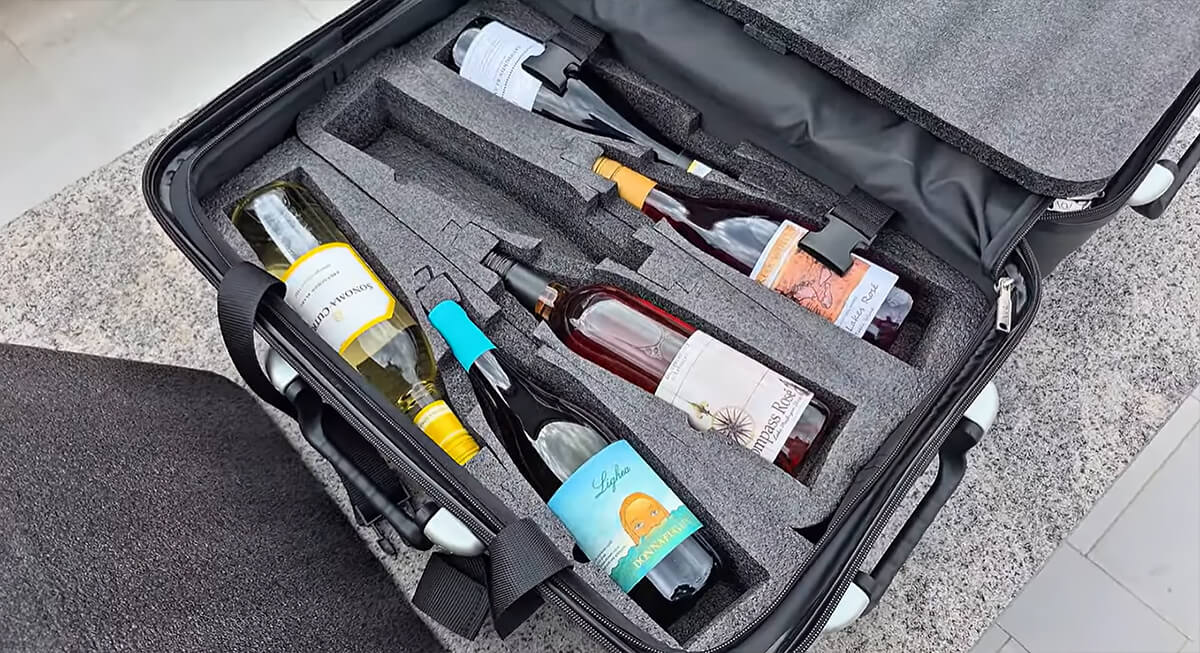
The airline expects proper packaging. A standard wine shipping box or a purpose-built wine suitcase keeps bottles secure during transit. Many vineyards offer approved boxes on-site, which makes things easier at checkout. Showing up with the right container speeds up the process and reduces the chance of breakage.
Leave the Box Open Until You Reach the Counter
Credit: Instagram
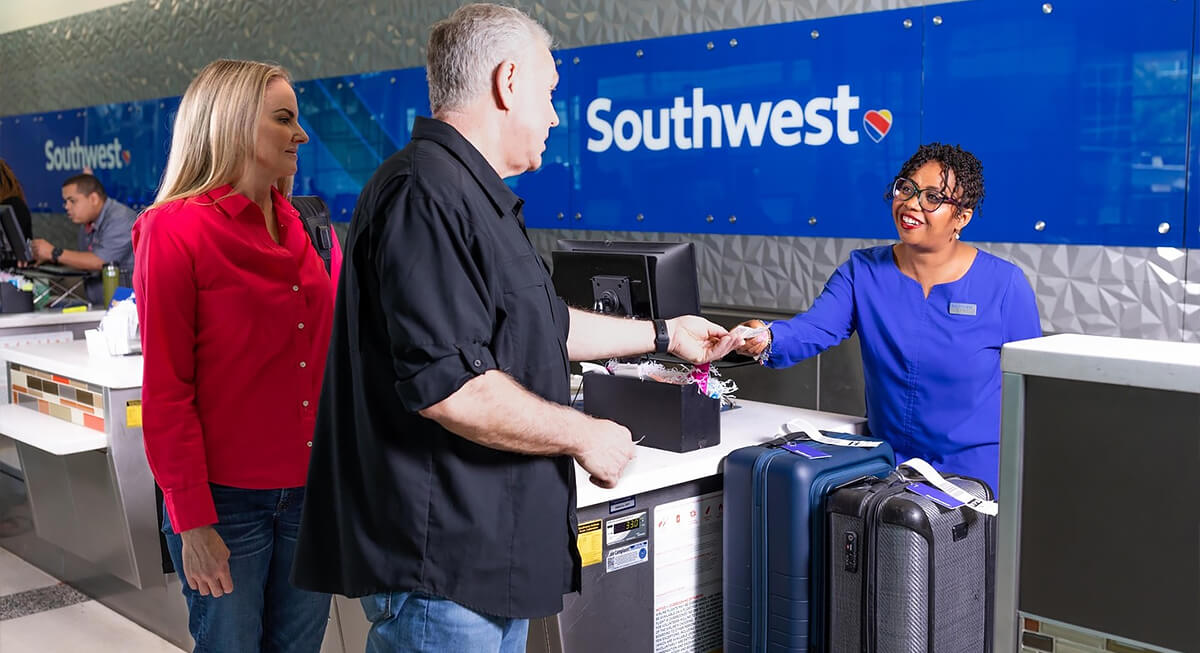
Inspection is part of the process. Southwest agents need to see the contents before sealing the box. Keep the top open for a quick check, after which you can tape it shut. If you arrive with a sealed box, you may need to reopen everything on the spot.
Let the Cargo Hold Do the Temperature Work
Credit: Instagram
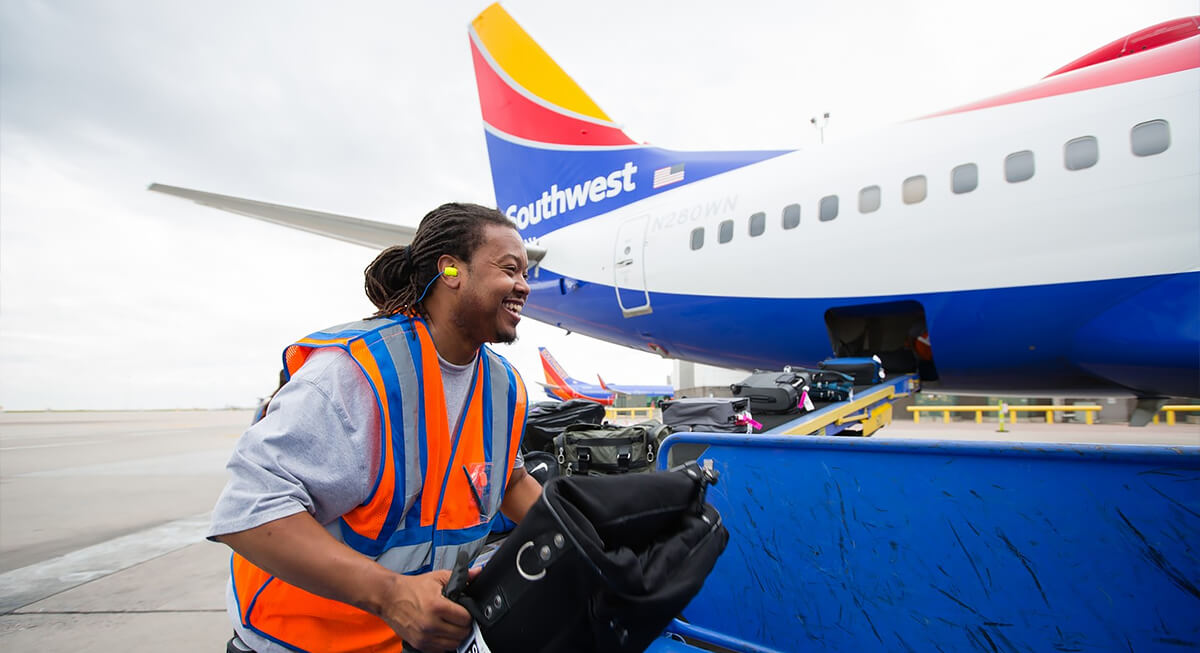
Wine benefits from stable conditions, especially during travel. Checked baggage areas are cooler than cars parked outside or packages left on a doorstep after shipping. Bringing your bottles on the flight keeps them within a more controlled environment.
Use as a Shipping Alternative
Credit: Canva
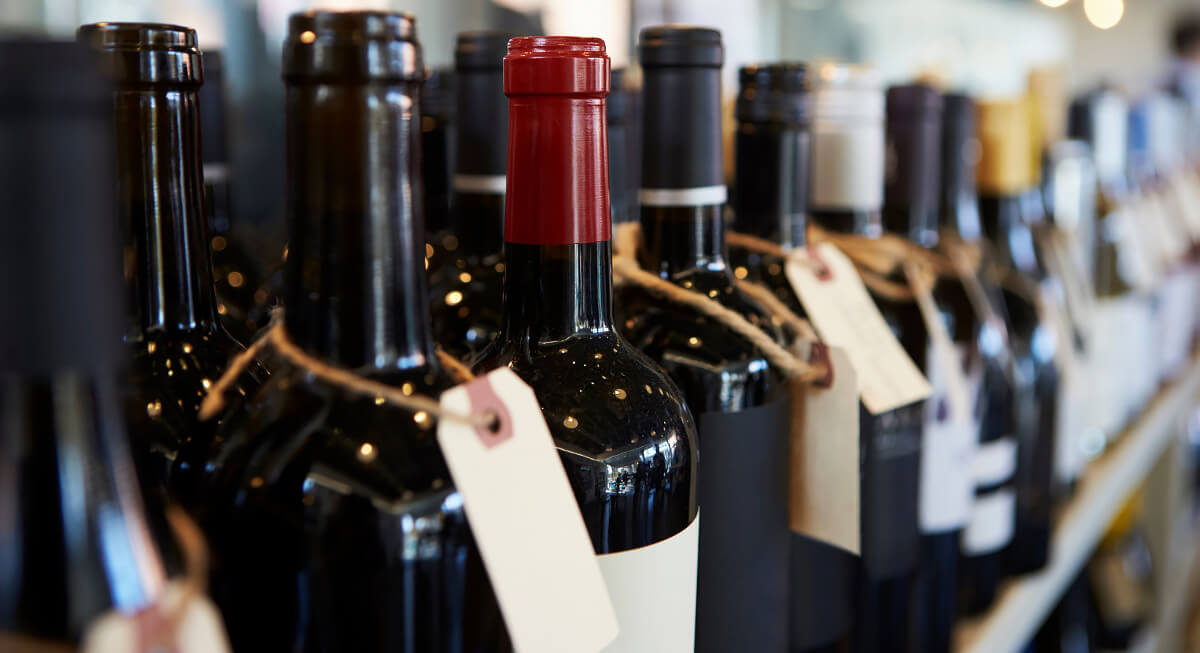
A single bottle can average around $21.80 to send, and a full case can reach $50 to $100 or more. Using Sip and Ship replaces that expense entirely. The regular flight you paid for is the delivery method, and your wine will arrive at the same time you do.
Keep Tasting Bottles Separate From Travel Case

Credit: Getty Images
It’s easy to mix everything together after tastings. The issue comes when one opened or relabeled bottle ends up inside your checked case. Each checked bottle needs to stay unopened, labeled, and in its original packaging. Anything outside those conditions can cause delays during inspection. A simple workaround is to separate bottles early.
Use the Perk Without Touching Your Two-Bag Allowance
Credit: Getty Images
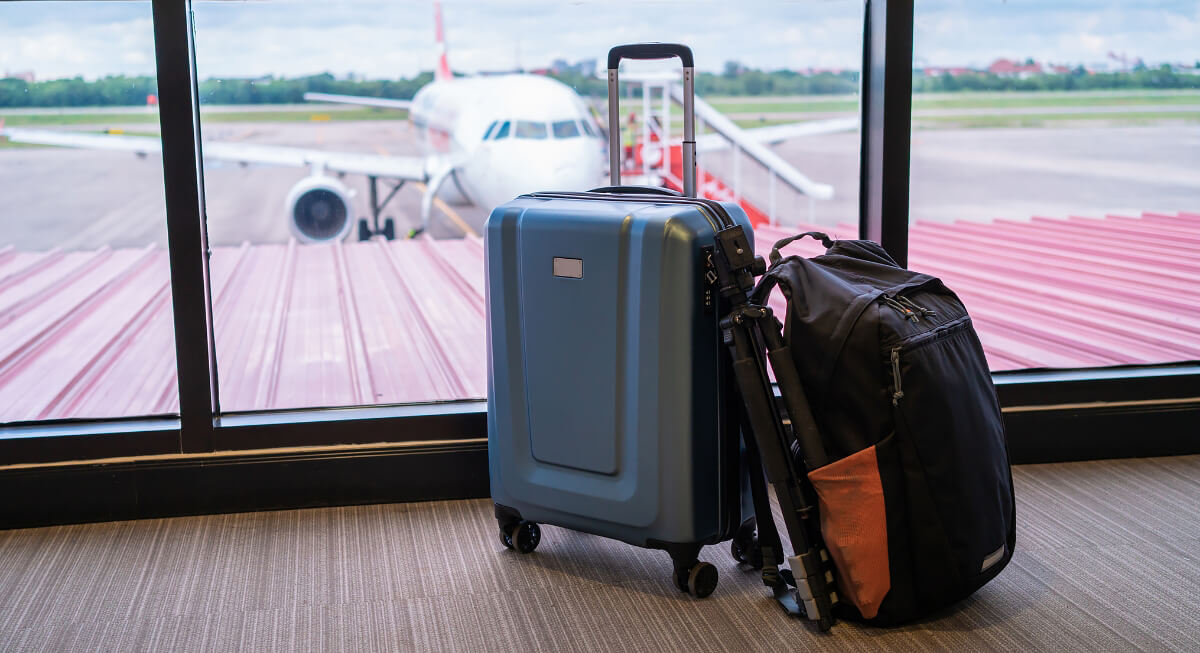
Southwest’s core appeal still includes its standard checked baggage policy. The wine case operates as a separate allowance tied to the Sip and Ship program. That means your regular bags will be unaffected, which is a big advantage for travelers already packing heavy.
Head Straight to a Staffed Counter for Faster Drop-Off
Credit: Southwest Careers – Southwest Airlines
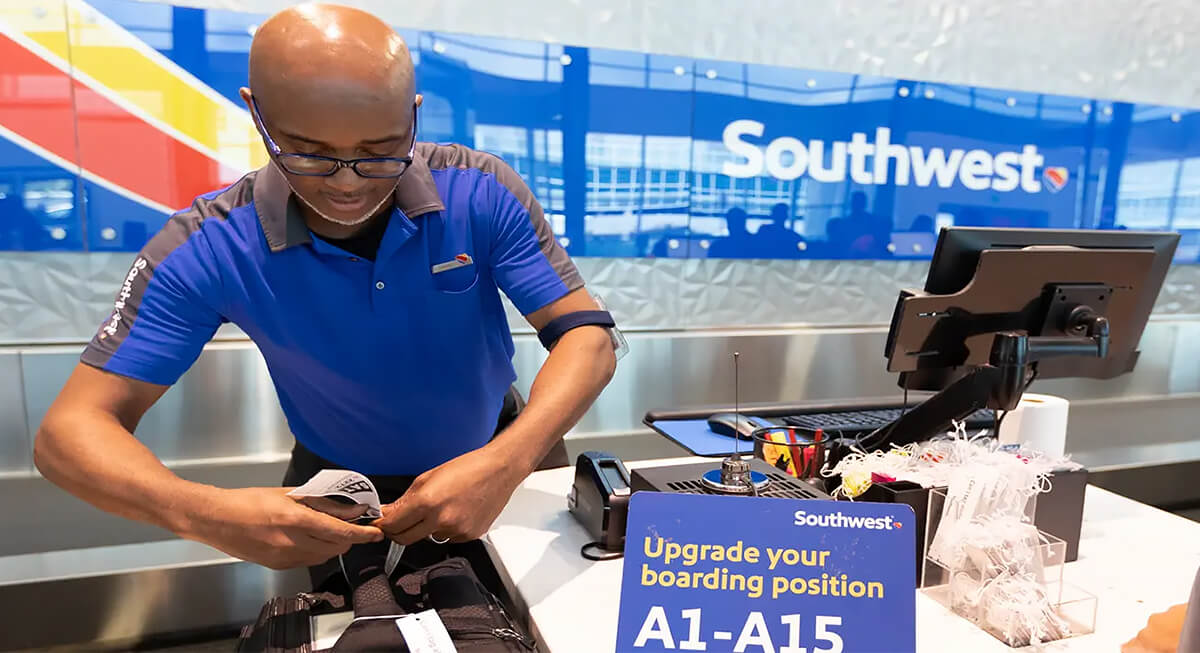
The wine case has to be checked with an agent, so skip kiosks and head directly to a staffed counter. Some airports also direct these items through oversized or special-handling lanes, which can move faster than the main line. During busy travel windows, knowing where to go saves time and keeps the process efficient.