10 Ways to Stay Safe When Walking Alone at Night
Most people move through familiar streets without a second thought during the day, but walking at night calls for a little more intention. A few small adjustments can shape how confident you feel and how quickly you can respond if something doesn’t sit right. The goal is not fear, but awareness. When you understand your surroundings, your walk becomes steadier and far less stressful.
Pick Well-Lit Streets with Consistent Foot Traffic
Credit: pexels
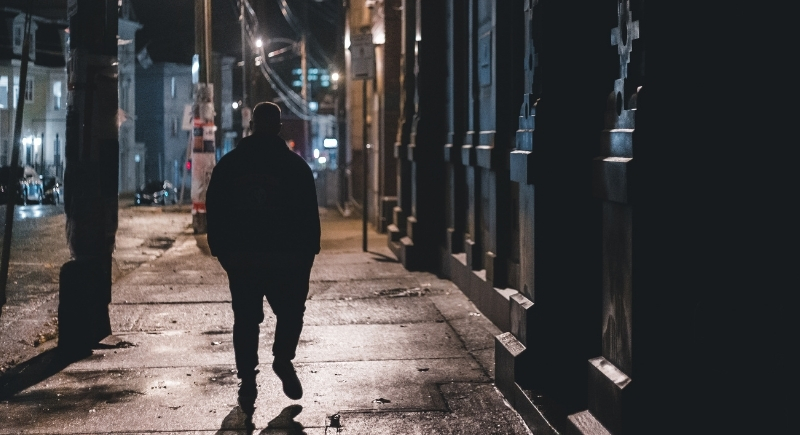
Light gives you information faster than anything else outside at night. Bright streets let you see further, and they help others see you without difficulty. When you choose a route with steady lighting and visible activity, you reduce hiding spots and limit chances for surprises.
Hold Your Phone in a Ready Position, Not as Entertainment

Credit: Canva
A phone protects you only when you stay aware of your surroundings. Many incidents occur because people walk with their heads down and miss signals that would alert them early. Keeping your phone in your hand gives you instant access to emergency features without creating a distraction.
Walk With a Steady Pace That Shows Awareness

Credit: Getty Images
Maintaining an even pace and upright posture signals that you’re paying attention during walks. It also helps you monitor activity around you without looking tense or overwhelmed. People who look distracted often draw unwanted focus, especially in quiet areas. But moving deliberately keeps you grounded and alert.
Keep Your Hands Free So You Can Act Quickly
Credit: pexels
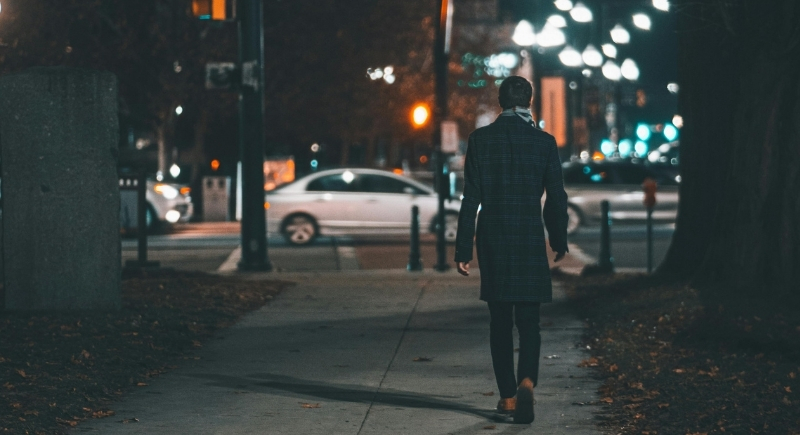
Carrying several items at once slows your reactions. When both hands stay occupied, you lose the ability to brace yourself, modify direction quickly, or use tools you might need. Consolidating everything into one bag or backpack makes movement easier and keeps you prepared for any unforeseen circumstances.
Carry a Small Tool Designed to Draw Awareness

Credit: Canva
Personal alarms, whistles, or bright flashlights create instant noise or light that interrupts dangerous situations. A sharp sound forces people nearby to look up, and bright light disrupts someone approaching you from close range. These tools help you communicate distress quickly in public settings. They’re simple to use and do not require strength.
Alter Your Regular Path to Reduce Predictability
Credit: pexels
Taking the same route every night creates a pattern that someone could memorize. Alternating paths makes it much harder for anyone to anticipate where you’ll be. A slight change in direction or timing gives you more protection than people expect. Predictable routines help strangers track behavior, especially in quiet neighborhoods.
Use Reflective Surfaces to Keep Track Behind You

Credit: iStockphoto
Storefront windows, parked cars, and metal doors work like mirrors when you need a quick view of what’s happening behind you. This method lets you check distance and direction without turning your head, which keeps your focus steady. If someone follows too closely, you’ll notice their movement sooner.
Create a Conversation Illusion When You Are Uneasy
Credit: iStockphoto
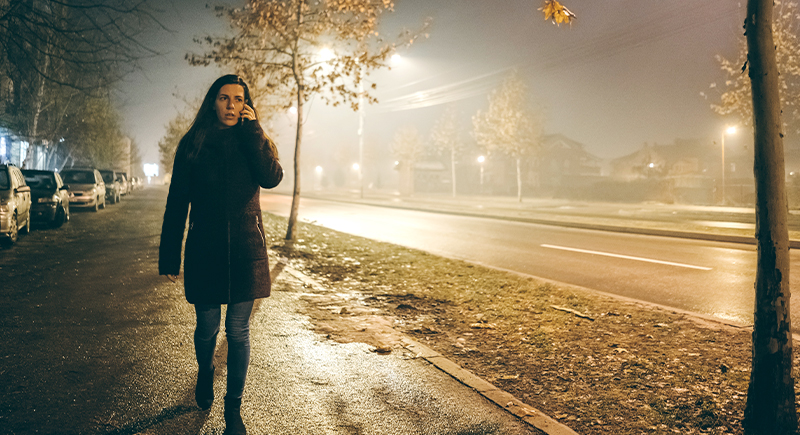
Pretending to talk to someone can discourage unwanted attention. Speaking clearly about your location or saying you’re about to arrive somewhere suggests that another person expects you. Many security professionals share this technique because it shifts the situation without confrontation. You control the tone and message, and it works even when you cannot reach someone in real time.
Act Immediately When Something Feels Wrong
Credit: iStockphoto
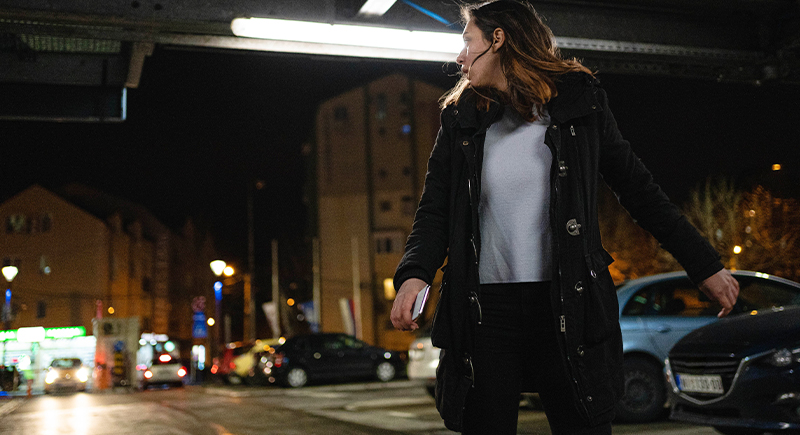
When something seems off, turn toward a public place, cross the street, or call someone right away. Waiting for confirmation wastes valuable time. Responding early keeps you safer and gives you more choices, not fewer. Your instincts come from noticing small changes, and acting on them protects you long before a situation becomes serious.