10 National Parks That Are Better in Winter Than Summer
Summer at national parks means elbow-to-elbow crowds and parking lots that fill up before sunrise. Winter season, however, flips that script. You get the trails mostly to yourself, and animals emerge from hiding spots to find water. The 10 national parks below prove that the off-season can be rewarding for visitors who can ditch relaxing at home for some outdoor adventure.
Everglades National Park, Florida
Credit: Canva
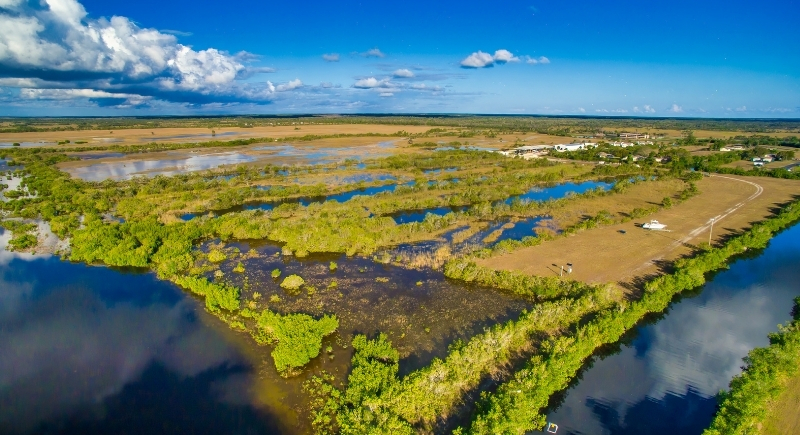
The dry season runs from November through April, and that’s when the Everglades becomes tolerable. Temperatures stay in the 70s during the day. Mosquitoes reduce in number. Wildlife congregates around shrinking water sources, which means alligators, roseate spoonbills, and manatees are a familiar sight. Bird migrations peak during these months, with species arriving from colder regions. Winter paddling through mangrove tunnels is available, and ranger-led programs run frequently before spring heat returns.
Joshua Tree National Park, California
Credit: pexels
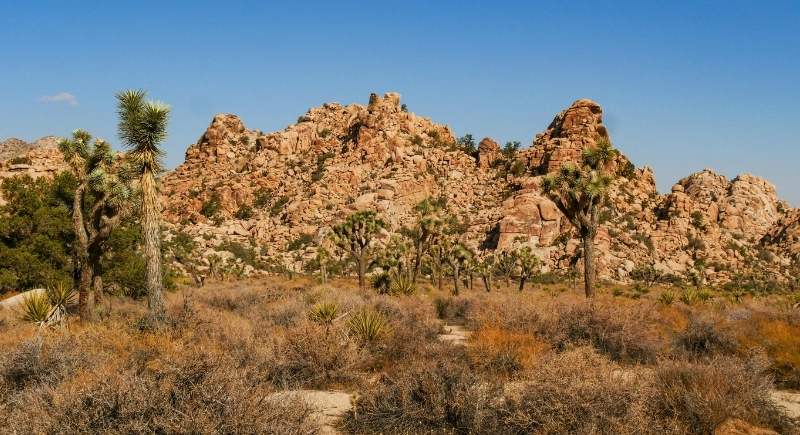
Winter turns Joshua Tree into an ideal spot for scrambling and hiking. Cold, dry conditions make the granite boulders more grippy and stable, while the extreme summer heat that makes hiking risky is no longer an issue. In January and February, daytime temperatures usually stay in the 50s and 60s, which feels comfortable for long routes. Crowds thin out at popular areas like Hidden Valley and Skull Rock, and clearer skies improve stargazing thanks to longer nights. Be prepared for cold evenings, though. Nighttime temperatures often drop below freezing, so warm layers are essential.
Bryce Canyon National Park, Utah
Credit: Getty Images
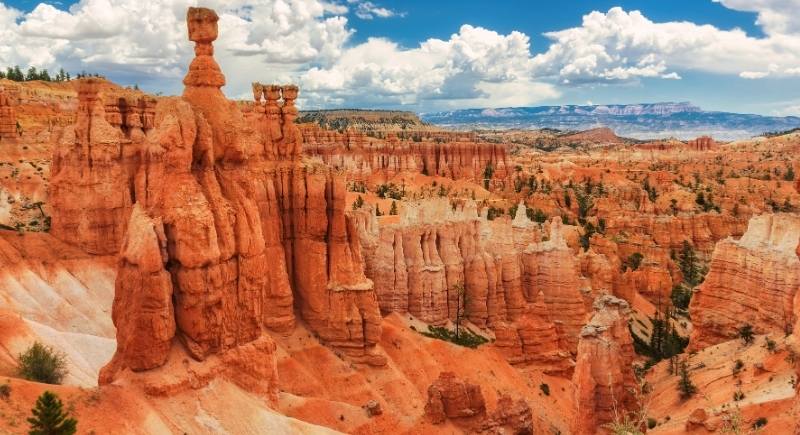
Winter brings light snow that highlights Bryce Canyon’s red-rock hoodoos without completely covering them, a result of the park’s high elevation. The season opens the park to cross-country skiing and snowshoeing through the largest concentration of hoodoo formations in the world. Park rangers offer free guided snowshoe hikes from November through March, including popular full-moon walks with wide-open views. North Campground remains open year-round, and visitor numbers drop sharply compared with the busy summer months.
Big Bend National Park, Texas
Credit: Getty Images
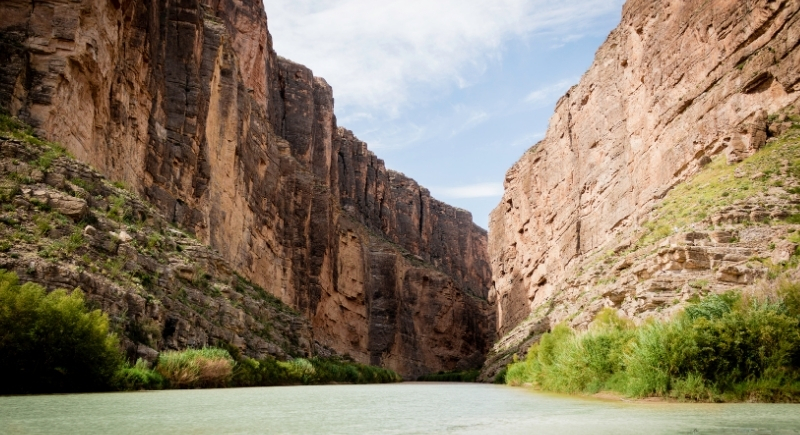
West Texas summers are brutal enough to keep most visitors away until temperatures become reasonable again, and winter delivers the payoff with 60- to 70-degree days. Most winter visitors will relish the park’s 200-plus year-round campsites. The hot springs at Langford feel even better after a cold night, and a $5 rowboat will ferry you across the Rio Grande to Boquillas, Mexico.
Yosemite National Park, California
Credit: Canva
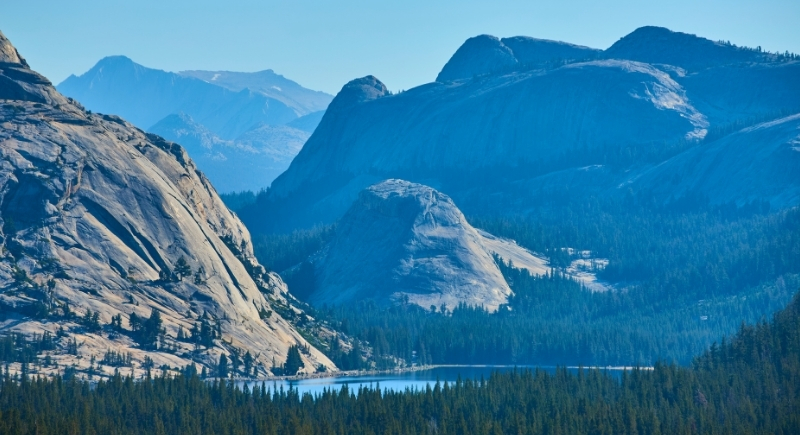
Badger Pass Ski Area kicked off its 2026 season on January 9 with cross-country skiing and snowshoeing. Then, a week later, it added downhill skiing and snowboarding. Waterfalls freeze into sculptural ice formations, snow blankets the granite walls of El Capitan and Half Dome, and you can snag a room at the highly in-demand Ahwahnee Resort.
Denali National Park, Alaska
Credit: Getty Images
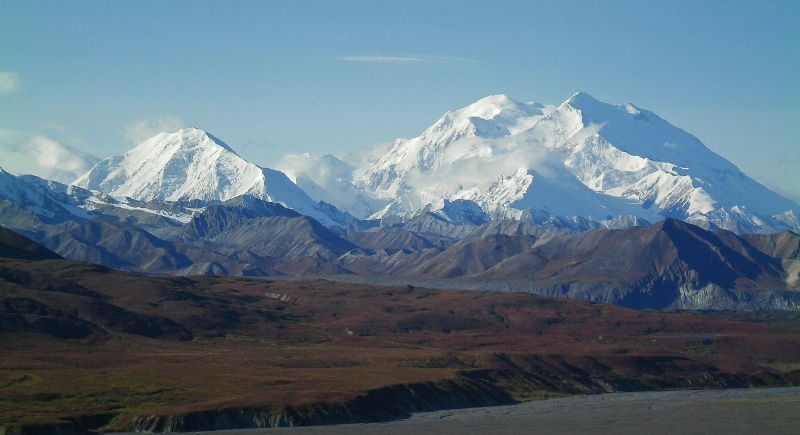
Alaska has almost 40 locations rated Bortle 1 or 2 on the night sky darkness scale, meaning virtually no light pollution to interfere with aurora viewing during Denali’s long winter nights. Northern Lights often appear from park pullouts and viewpoints near the entrance. The park road closes past Mile 3 in winter, which means ranger-led snowshoe walks and fat-tire biking are the main ways to explore the area.
Haleakalā National Park, Hawaii
Credit: Getty Images
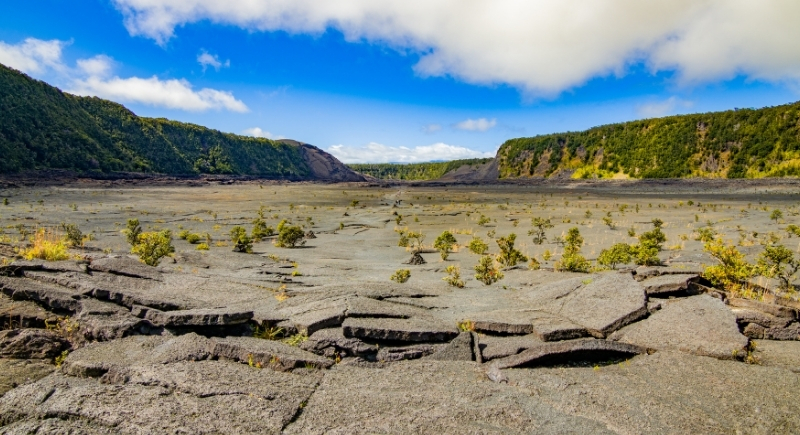
Humpback whales arrive in Hawaiian waters from December through April, with peak viewing along Maui’s south and west shores. Sunrise reservations at Haleakalā Summit witness their lowest demands in winter because fewer visitors drive there in 35-degree temperatures. For potential visitors, that means same-day permits become easier to secure. Mark Twain once called the sunrise over the crater of the Haleakalā volcano the most sublime spectacle he ever witnessed
Carlsbad Caverns National Park, New Mexico
Credit: Wikimedia Commons
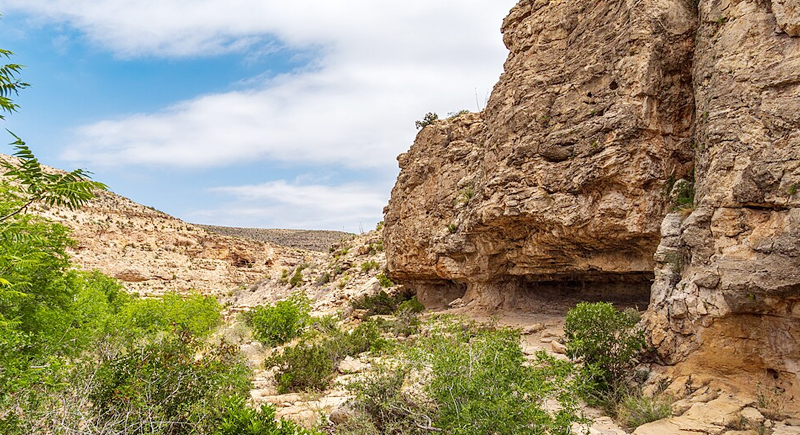
Actor Will Rogers called it “the Grand Canyon with a roof over it,” and he wasn’t exaggerating. Over 119 caves lie underground, formed when sulfuric acid dissolved limestone over millions of years. Arriving at opening time during winter often means having the 1.25-mile Natural Entrance Trail to yourself before descending into a chamber that’s almost 4,000 feet long and more than 625 feet wide.
Rocky Mountain National Park, Colorado
Credit: Getty Images
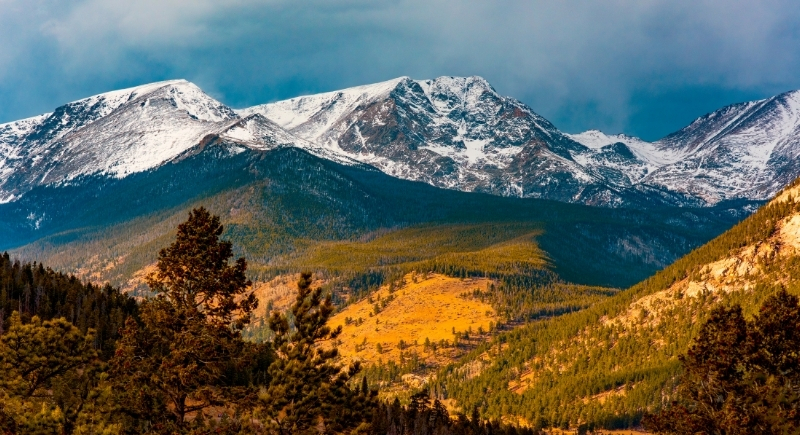
Herds of elk, bighorn sheep, and mule deer descend to lower elevations during winter across the Rocky Mountains’ 415 square miles. Park rangers host regular snowshoe tours starting in January to help visitors navigate the landscape, while Hidden Valley (a former ski area inside the park) draws sledders and ice skaters. Moraine Park Campground sometimes remains open for overnight stays, though nearby Estes Park and Grand Lake offer warmer beds.
White Sands National Park, New Mexico
Credit: Getty Images
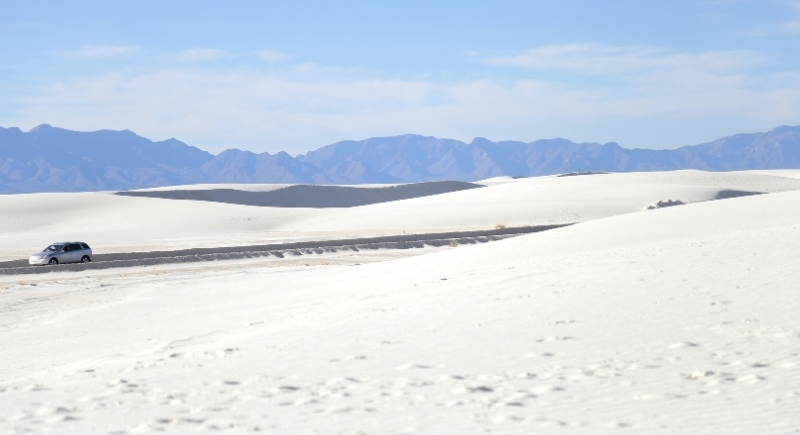
White gypsum dunes stretch across southern New Mexico with few visitors around during winter. Tourists bring plastic sleds and wax to race down the dunes in conditions that beat summer’s scorching heat, and the hike up Playa Trail delivers views of white in every direction. Popular trails feel wide open, and sunset photography improves with clearer skies.