10 Disturbing Facts About Snake Island
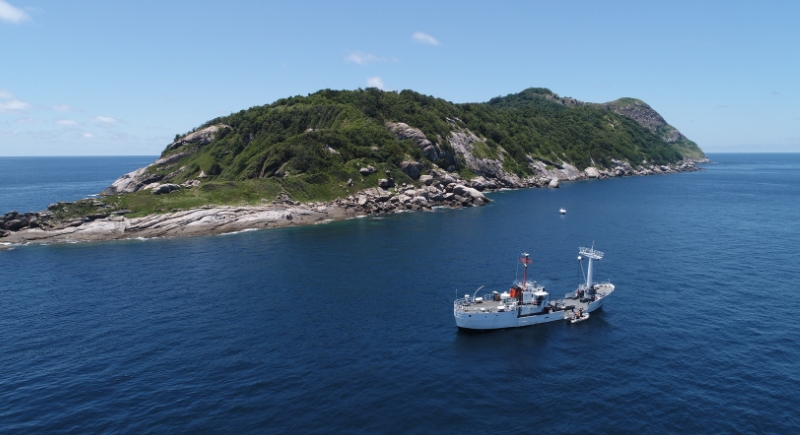
About 20 miles off Brazil’s southeastern coast, there’s a 106-acre island that most people will never see in person. Ilha da Queimada Grande, part of the State of São Paulo, has earned a reputation as Snake Island because it is the only place on Earth where the golden lancehead lives.
Ilha da Queimada Grande
Credit: Wikimedia Commons
This island covers about 430,000 square meters and is located far enough offshore that its snakes cannot reach the mainland. Rising sea levels more than 11,000 years ago cut it off from Brazil, trapping wildlife in total isolation. The name refers to a historical attempt to burn vegetation for a banana plantation. The plantation failed once settlers realized the island was already claimed.
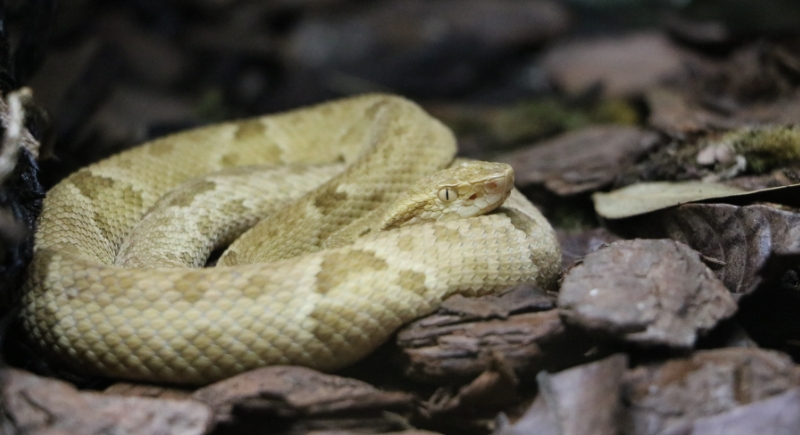
Golden Lancehead
Credit: Wikimedia Commons
The golden lancehead, or Bothrops insularis, exists nowhere else in the world. It is closely related to the mainland fer-de-lance, one of the most venomous snakes in the Americas. Its yellow-brown color blends perfectly with leaves and branches. The triangular head shape resembles the tip of a lance, which is exactly how it got its name.
Isolation Drove Evolution
Credit: pexels
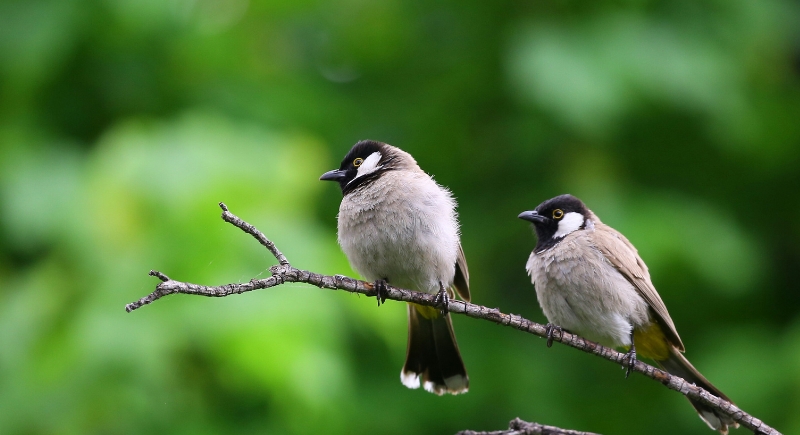
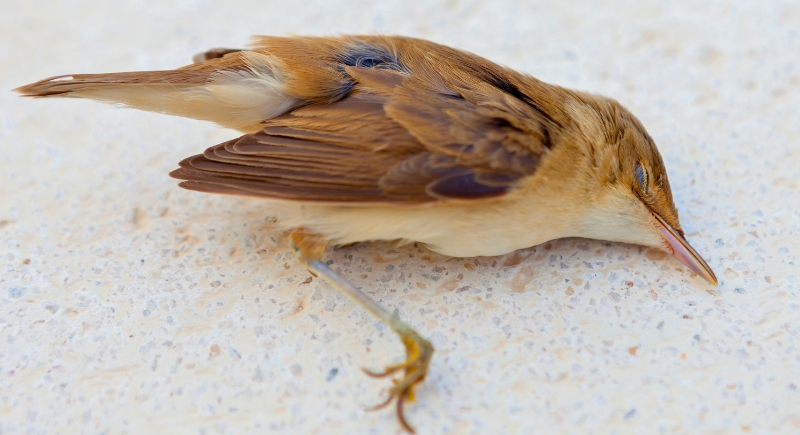
When the island broke away from the mainland, the snakes were cut off from their relatives. With limited prey available, they had to adapt fast. Migratory birds became their main food source because small mammals were scarce. Over thousands of years, natural selection favored venom that worked quickly on birds that could otherwise fly off after being bitten.
What the Venom Actually Does
Credit: Getty Images
One bite of its venom can cause internal bleeding, swelling, pain, and tissue death if untreated. The golden lancehead’s venom is hemotoxic, meaning it damages blood cells and tissue. Some reports claim the venom is five times as potent as that of mainland relatives, though exact comparisons vary by study. It does not dissolve flesh on contact, but serious complications can occur without rapid medical care.
Antivenom Facts

Credit: Canva
One common myth says there is no antivenom for this species. Brazil produces a polyvalent antivenom that treats bites from Bothrops snakes, including the golden lancehead. The bigger problem is location; the island is remote, and medical facilities are not nearby. Mortality estimates range up to about 3% with treatment and up to 7% without it.
How Many Snakes Live There
Credit: Getty Images
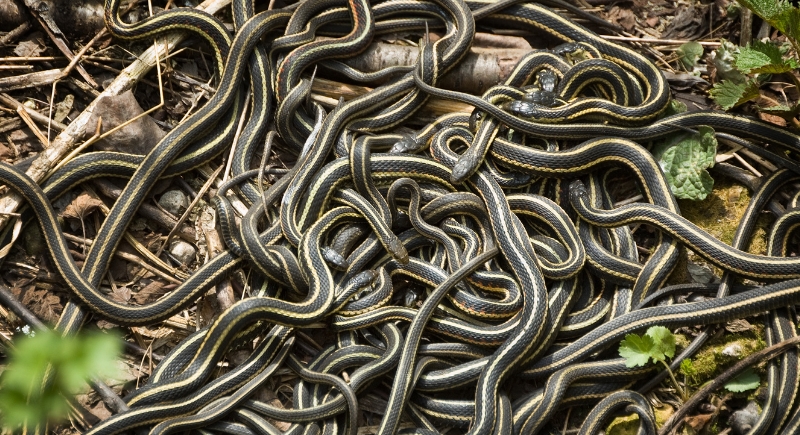
Older stories claimed there was one snake per square meter, which would mean hundreds of thousands of snakes packed together. Modern research suggests a population of roughly 2,400 to 2,900 individuals. That works out to about one snake per 140 square meters. Food supply keeps the numbers in check, so the island is crowded, but not carpeted in snakes.
A Bird-Focused Diet
Credit: pexels
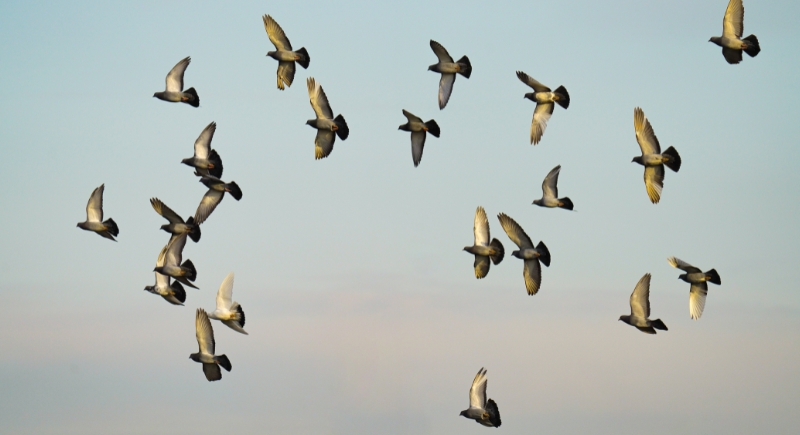
There are no large mammals supporting the snake population. Migratory birds stop on the island during long flights and become the primary food source. The snakes often wait in trees and strike as birds land to rest. Their fast-acting venom increases the chance that prey cannot escape after being bitten.
The Lighthouse Story

Credit: Canva
A lighthouse was built on the island in the early 1900s to guide ships along the coast. It was automated in the 1920s and is now maintained by the Brazilian Navy during limited visits. One popular legend claims a lighthouse keeper and his family were killed by snakes entering through open windows. There is no verified historical record supporting that story.
Why Visitors Are Banned

Credit: Getty Images
Brazilian authorities prohibit civilians from visiting the island. The Navy controls access and only allows approved researchers to land under strict guidelines. The rules exist to prevent dangerous encounters and to protect a species listed as critically endangered.
Black Market Threats

Credit: pexels
Despite legal protection, illegal wildlife trafficking has targeted the golden lancehead. Individual snakes have reportedly been valued between $10,000 and $30,000 on the black market. Limited habitat and fluctuating migratory bird populations already pressure the species. Conservation efforts focus on research, habitat protection, and stopping poaching before numbers drop further.