
Three national parks where an art detour can make the usual souvenir hunt much more memorable.
Taos Is the Art Detour I Build Around Great Sand Dunes
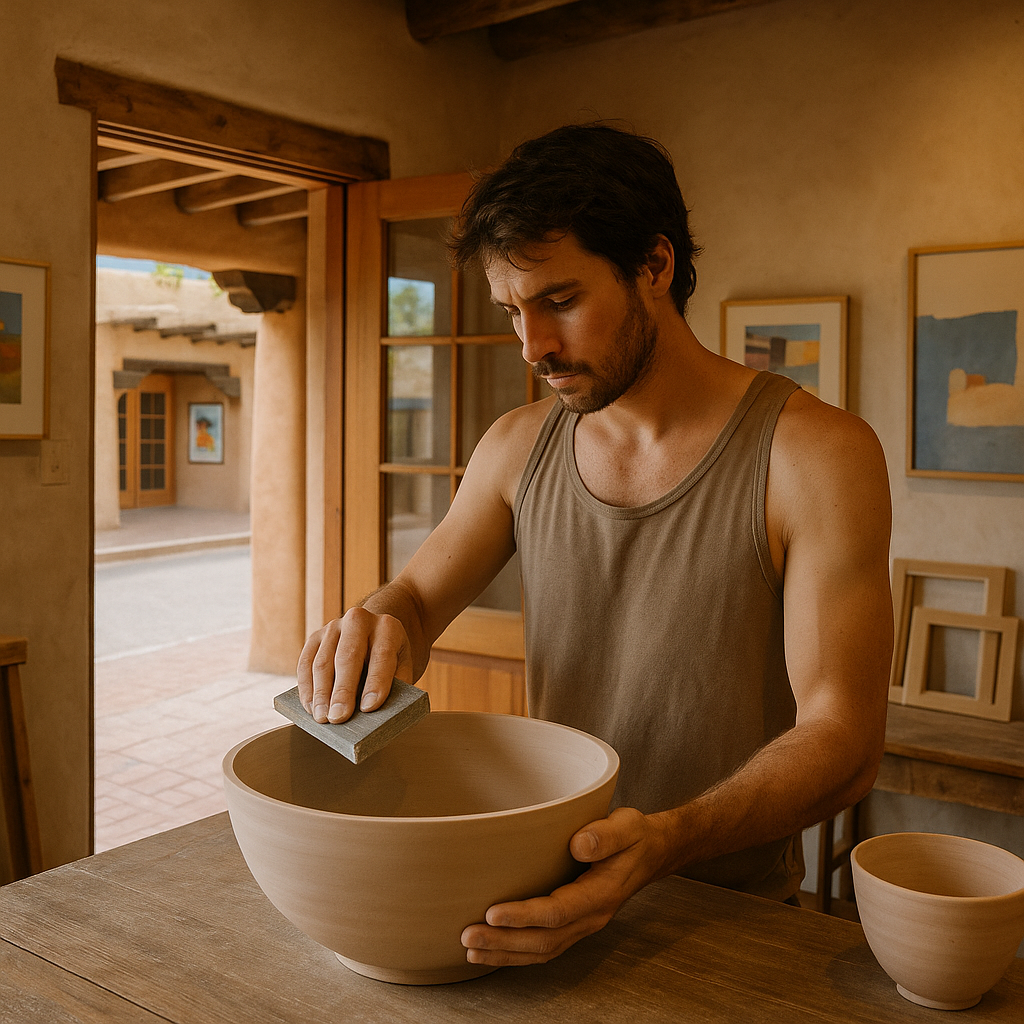
Great Sand Dunes National Park is a place that makes you feel feral in the best way. Sand in your shoes, sand in your snacks, sand somehow in your pockets, even if you never sat down. The mistake I made on my first visit was treating it like a one-note stop: climb, slide, take the sunset photo, drive on. Now I plan for the comedown, and that comedown is Taos. It sounds like a stretch on a map, but it works as a same-trip pivot because the sensory whiplash is the point. You go from barefoot dunes and creek splash to doors open on a plaza gallery, cool air, quiet rooms, and that smell of fresh lumber and clay that tells you someone is making something right now.
If you have even a half-day, aim for a studio stop rather than a big museum lap. Taos has a rich gallery and studio culture, so I prefer to seek out smaller spaces where there's a chance to learn who made the work and how it was produced. I like to pick one medium as my souvenir rule. On one trip, I did clay only, and it saved me from the dizzy, grabby feeling of trying to buy a little bit of everything. Another time, it was prints, because flat ones are easy to pack and I can roll them in a poster tube without panicking in the car. Bonus: if you hike the dunes hard, your brain is pleasantly blank afterward, which makes looking at paintings feel less like homework and more like a reset.
Logistics that matter: the park is high and sunny, and your lips will be toast, so do yourself a favor and keep a real lip balm in the cupholder for the drive. I also keep a clean shirt in the trunk because walking into a gallery in a salt-stained tank top is a vibe, but not always the one you want. If you're considering a larger piece, ask the gallery whether shipping is available before you buy. And if you only have time for one art stop, choose a gallery or studio that fits naturally into your route through Taos. After the dunes, sitting still is harder than it sounds.
The Volcanoes-to-Pāhoa swap: lava outside, paint inside
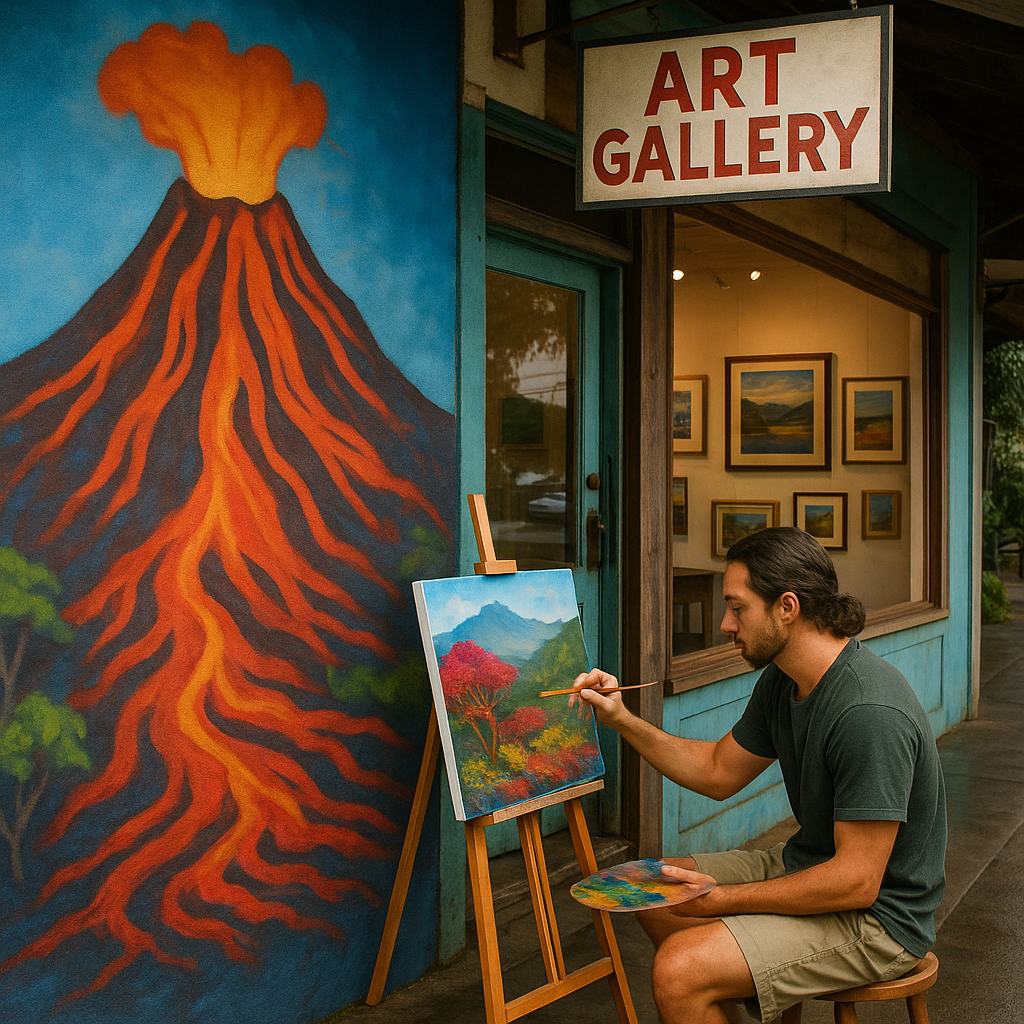
Hawai'i Volcanoes National Park can swallow a whole day without trying: steam vents, crater overlooks, that surreal stretch where the landscape looks like someone turned the saturation down and forgot to turn it back up. I love it for that. But if you want the trip to feel human again, I like swinging down to Pāhoa afterward. Pāhoa has made art part of its post-eruption community life. Local initiatives have used art, music, and creative placemaking to celebrate Lower Puna's resilience after the 2018 Kīlauea eruption, and it makes sense in a place where the ground has literally rewritten the neighborhood.
This is my favorite kind of post-park activity because it isn't a formal program you have to book months ahead. It's more like wandering on purpose. I look for small galleries, cooperative spaces, and local art events rather than building the stop around one big attraction. The best finds on the Big Island have been things I didn't know to search for: a wall of local prints, a shelf of ceramics with volcanic-glaze textures, or a painter working in colors that feel like they came straight off the ʻōhiʻa blossoms you just saw on the drive.
One practical note from doing this wrong: the park can be wet, and Pāhoa can be wet, and your shoes will not magically dry in the car. I keep a pair of clean sandals in a tote so I can step into a gallery without leaving little muddy stamps like a toddler. Also, if you're buying anything on paper, ask for a bag that can handle rain. It sounds obvious until you're juggling a print, a coffee, and a sudden downpour that appears out of nowhere. If you're the type who likes to talk to makers, don't open with the big life-story question. Start small. Ask what they use for varnish in the humidity, or how they pack ceramics for island shipping. Those questions can also tell you more about the maker, the materials, and how the work holds up in Hawaiʻi's climate.
And yes, you can still do the standard souvenir thing. But the difference is, you can attach a memory to it that isn't fluorescent lights and a checkout line. You remember where the piece came from and the conversation that went with it. That's the part I want to carry home.
Zion hits harder when Springdale gives you a second story
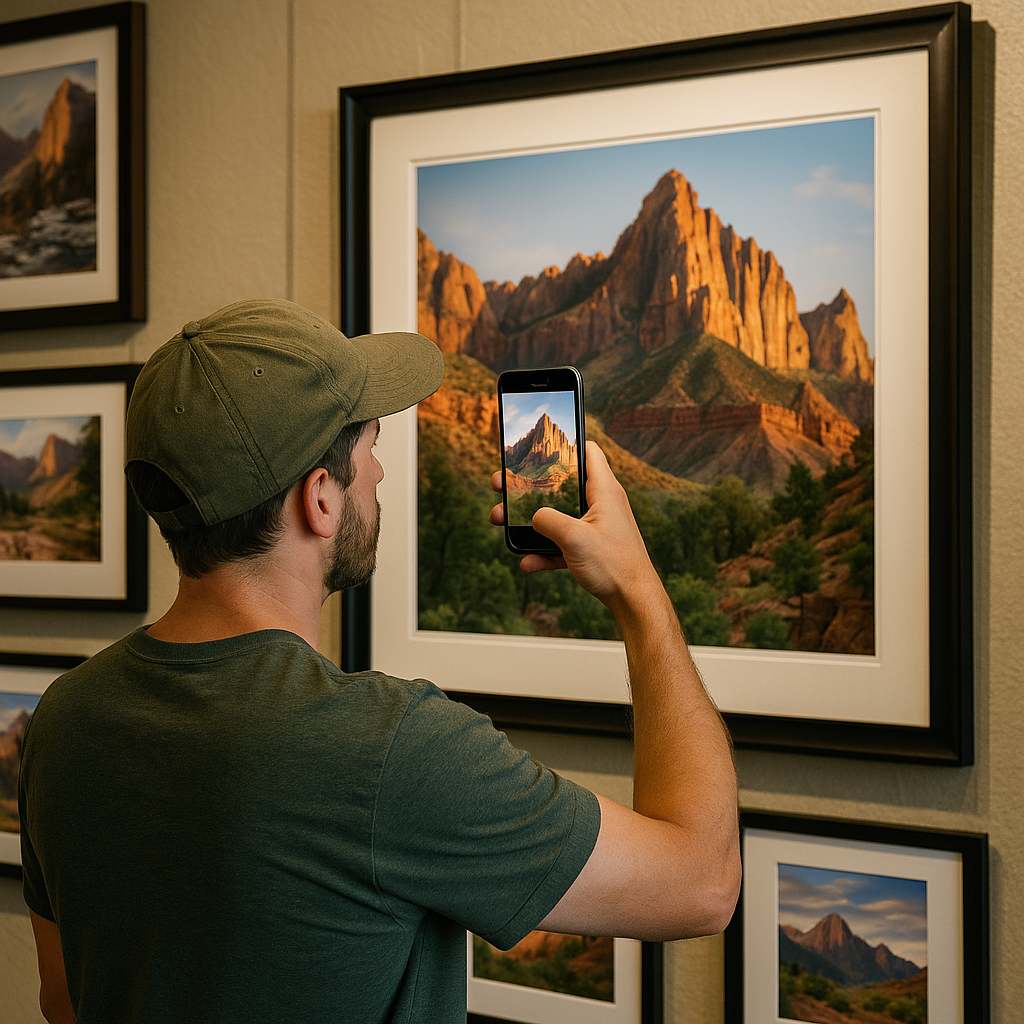
Zion National Park is so visually loud that it can flatten your brain a little. You spend the day looking up, craning your neck, trying to fit cliff faces into the limited rectangle of your phone, and by late afternoon, you're full. Not tired, exactly. Just full. Springdale is where I go to unspool that feeling without defaulting to a bar stool. The town is right there at the doorstep, but it's not just an extension of the shuttle stop. Springdale has several galleries displaying photography, paintings, sculpture, and other work inspired by the surrounding landscape.
I like to make this a low-stakes ritual: shower off the trail dust, then walk through town with a single goal of seeing three things made by human hands. Not buying, necessarily. Seeing. I might linger over a photograph that catches Zion in unfamiliar light, a piece of jewelry shaped by desert forms, or a painting that shows the park outside its busiest season, which is a great reminder that the park isn't always peak-season crowds and sunburn.
If you're shopping, here's the move that saves regret later: ask the gallery to show you the back of the piece. For a limited-edition print, ask about the edition size, artist attribution, and any care or framing recommendations before buying. It's about not getting home and realizing you bought something that can't handle direct light in the room where you planned to hang it. I also ask how the artist is connected to the area. The artist may live locally, have long-standing ties to the desert Southwest, or simply be exhibiting work inspired by the region. All of that can be fine, but I like knowing what story I'm attaching to the object.
Timing matters too. Right before sunset, the sidewalks mellow out, and the storefront lighting comes on. It's an easy hour to fill when your legs are cooked, but your mind isn't ready for bed. And it keeps Zion from becoming a single memory blob labeled BIG RED CANYON. You leave with something more specific: the exact photograph that nailed that pink edge on the Watchman, the little sculpture that captured a cottonwood leaf, the conversation that taught you something new about the desert landscape.