10 Things Every Traveler Needs to Know About the Massive Six Flags Park Sale
A major shakeup is coming to one of the most recognizable names in American theme parks, and it’s arriving right before peak travel season. Six Flags is selling off a chunk of its portfolio, and the move is tied directly to several factors that we’ll tackle here. One thing’s for sure: travelers planning trips in 2026 will feel the effects, even if the roller coasters keep running on schedule.
The Deal Itself
Credit: Wikimedia Commons
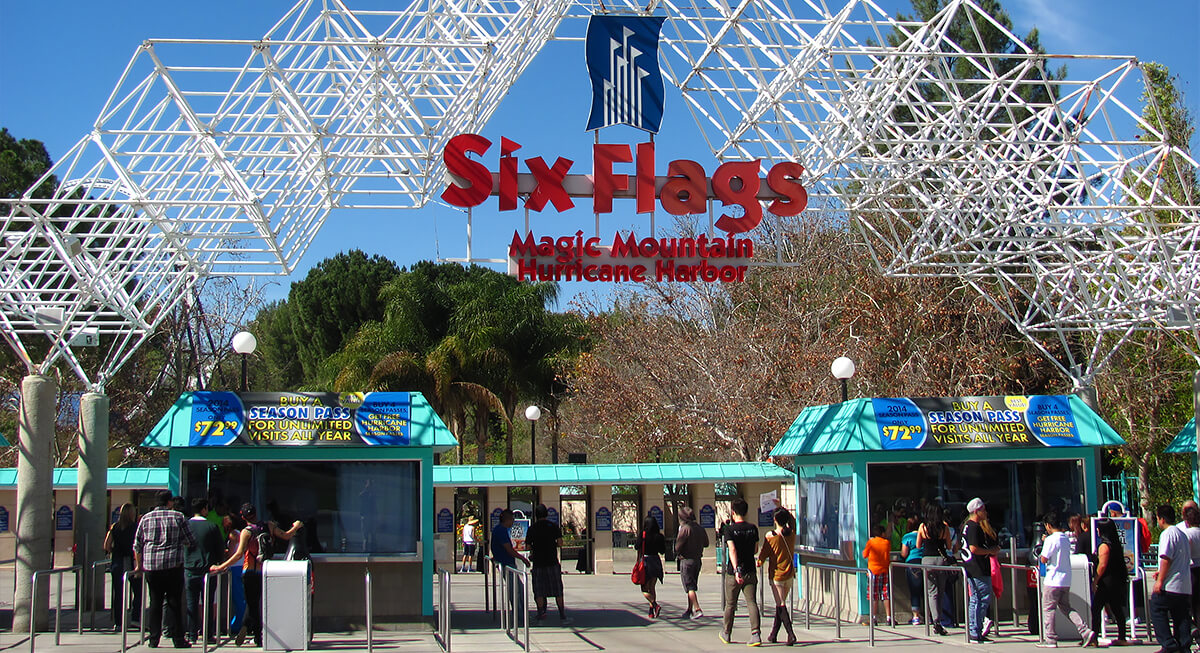
Six Flags Entertainment Corporation agreed to sell seven parks across the United States and Canada to EPR Properties for $331 million in cash. The transaction is expected to close between the late first quarter and the early second quarter of 2026. The company framed the deal as a way to improve liquidity and focus on higher-performing locations.
Why The Sale Happened
Credit: Getty Images
Behind the sale, there’s a complicated financial story. Six Flags filed for bankruptcy in 2009, then merged with Cedar Fair in 2024 to stabilize the business. Activist investors have pushed for operational changes, and NFL star Travis Kelce became involved through that effort. CEO John Reilly says the sale simplifies operations while strengthening the company’s balance sheet.
What Travelers Will Notice First
Credit: Wikimedia Commons
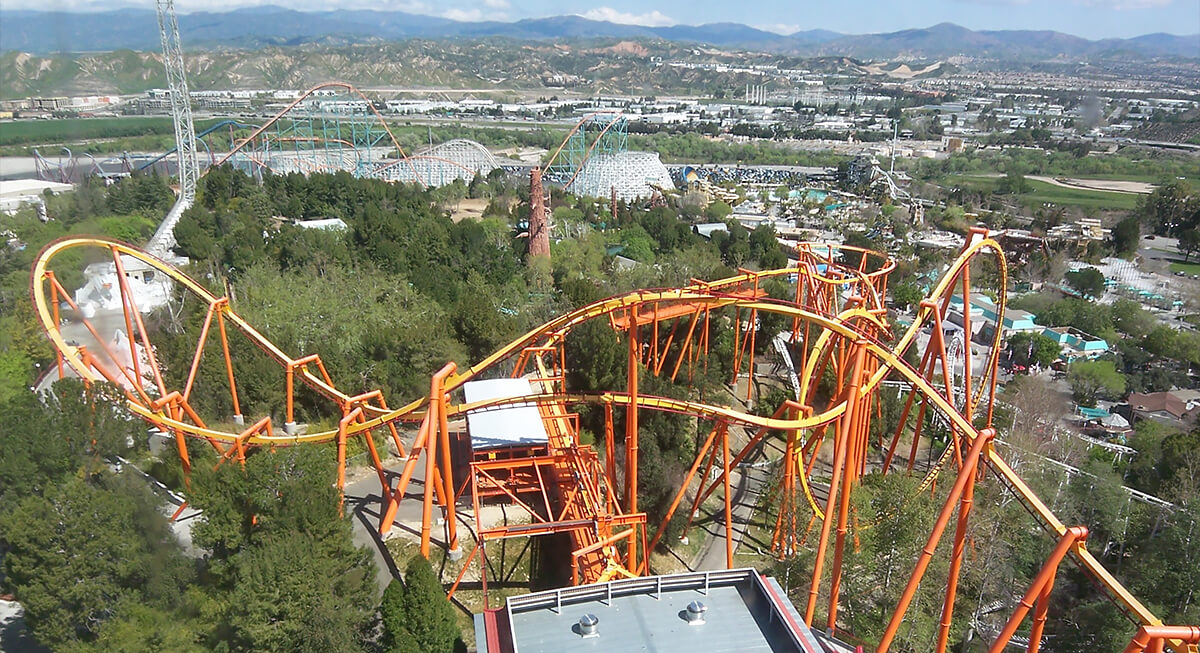
Anyone visiting in 2026 will notice that almost nothing changes at first. Every park included in the deal will operate on its normal schedule throughout the season. Season passes and multi-park passes will remain valid during that period. So, travelers arriving this year will still see the same rides, branding, and day-to-day park operations.
What Happens After 2026

Credit: Getty Images
Ownership will fully shift to EPR Properties and its operating partners after the 2026 season ends. Six Flags branding will remain through that year, though trademark filings suggest several parks could adopt new identities connected to Enchanted Parks. That means familiar park names may look very different soon.
The Parks Involved
Credit: Facebook
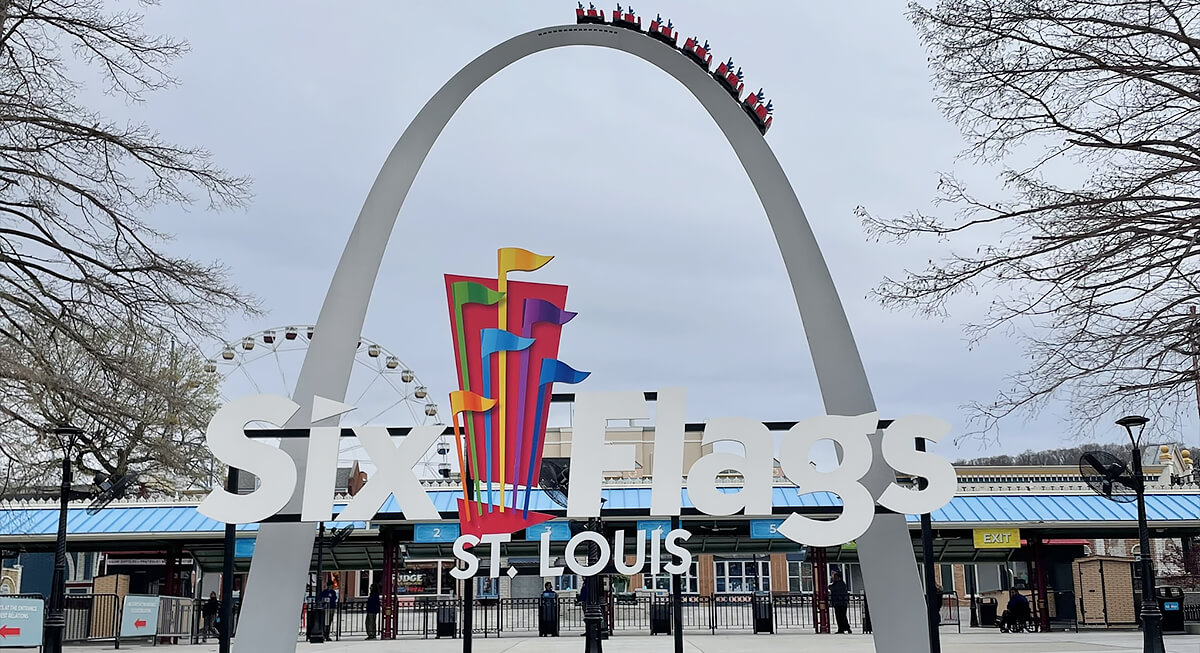
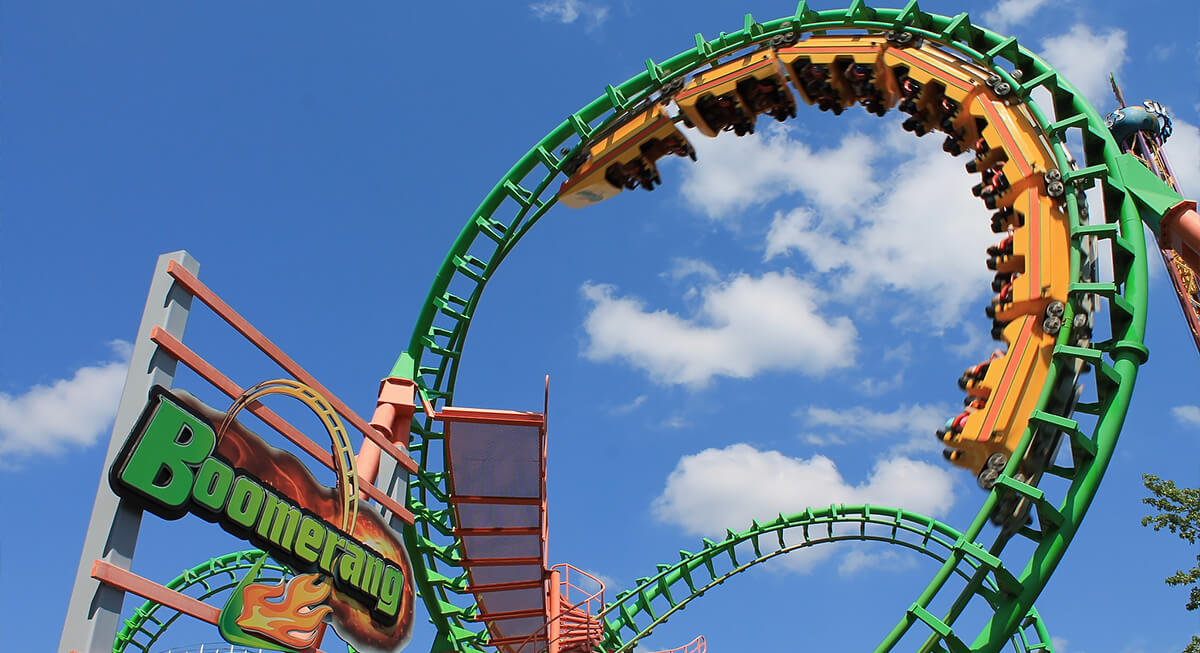
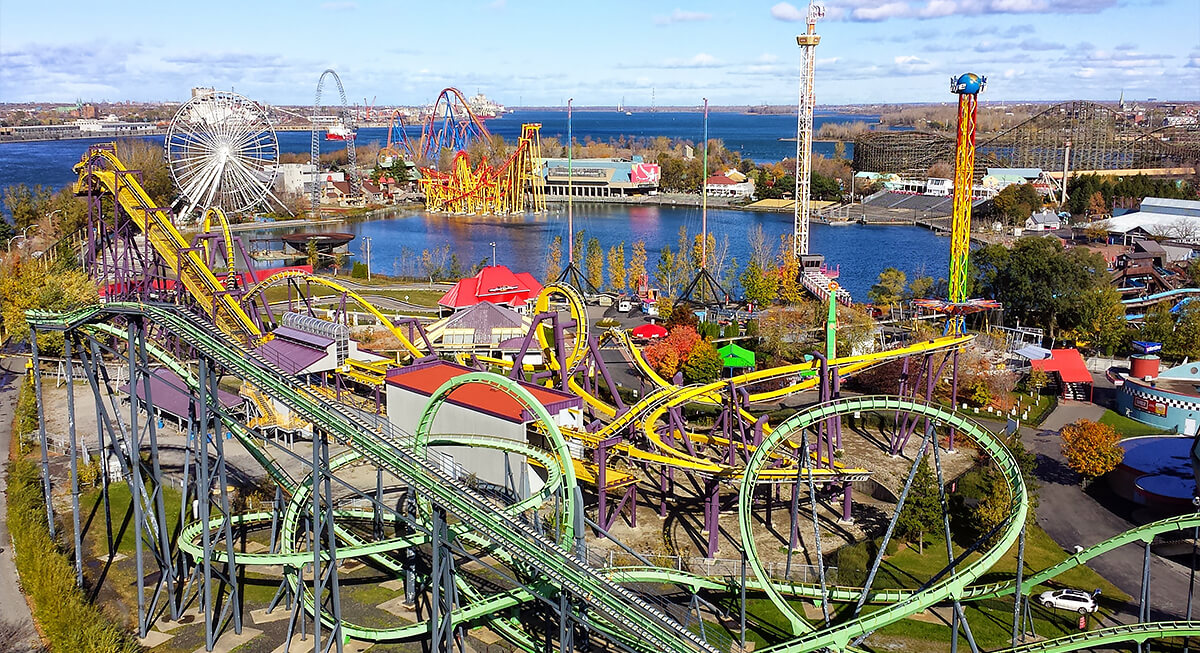
The seven parks across North America together welcomed about 4.5 million visitors in 2025. The list includes Valleyfair in Minnesota, Worlds of Fun in Missouri, Michigan’s Adventure in Michigan, Schlitterbahn Galveston in Texas, Six Flags St. Louis in Missouri, Six Flags Great Escape in New York, and La Ronde in Montreal.
A Shift Toward Fewer Parks
Credit: Facebook
After the sale closes, Six Flags will continue operating 34 parks across 23 locations. The smaller footprint reflects a strategy focused on stronger regional performers. Company leaders say investment will shift toward parks with higher growth potential, including funding new rides, upgrading infrastructure, and expanding entertainment options to attract repeat visitors.
New Operators Take Control
Credit: Wikimedia Commons
A group called Enchanted Parks will manage six of the seven locations through a long-term lease agreement. Meanwhile, La Ronde in Montreal will be run by Kieran Burke, a former company executive with deep experience managing Canadian amusement parks.
Signs Of Underinvestment
Credit: Facebook
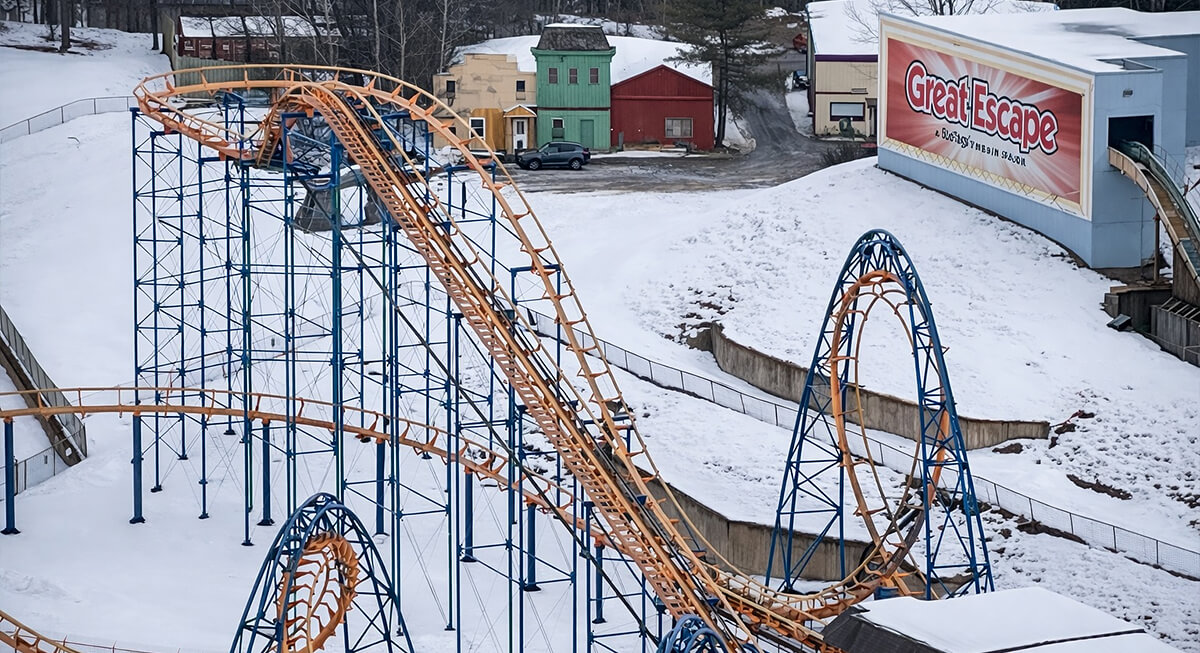
Some of the parks included in the sale have faced challenges for years, such as Six Flags Great Escape, which features rides that mostly opened before 2000 and has reported declining attendance in recent seasons. Guests have also described closed food stands and limited upgrades, which hints at why these properties became candidates for divestment.
What Could Change For Guests
Credit: Facebook
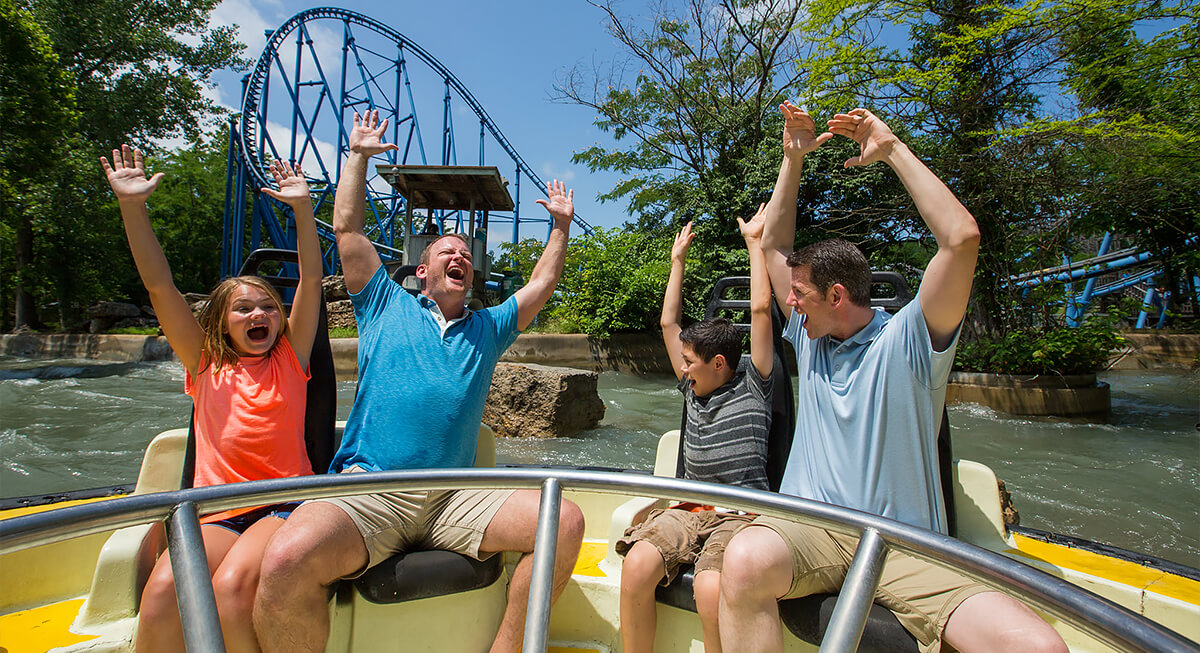
The new operators plan to study visitor behavior before introducing upgrades across the parks. Early discussions already mention Six Flags St. Louis as a location for frequent new attractions. EPR Properties has also signaled interest in improving food options and the overall guest experience.
Local Focus Might Increase

Credit: Facebook
Regional attention may become the biggest shift of all, with EPR Properties describing the parks as strong regional destinations that attract consistent local visitors each year. The company’s Kansas City headquarters location adds extra interest in Worlds of Fun, since it’s nearby. With fewer parks to manage, operators say each location can receive more focused attention.