10 Beaches with “Singing Sand” That Make Noise When You Walk
At a small number of beaches around the world, dry sand actually makes noise underfoot, caused by friction between silica-rich grains. These “singing sand” beaches exist on every continent except Antarctica, and scientists know the conditions required, even if the exact mechanism remains under study. The grains have to be rounded and dry, with a size between 0.1 mm and 0.55 mm. And when pressure is applied, sound follows. Here are 10 such beaches where this phenomenon occurs.
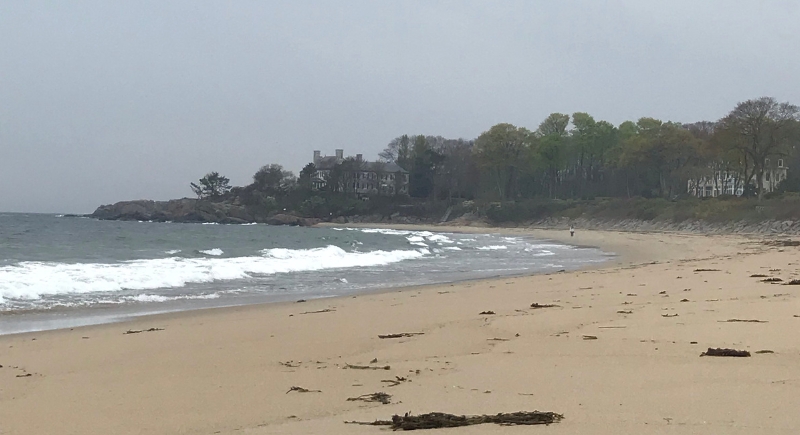
Singing Beach, Manchester-by-the-Sea
Credit: Getty Images
This Massachusetts beach is one of the best-known singing sand spots in the United States. The sand grains contain silica and fall within the narrow size range that allows friction-based sound. The noise is easiest to hear above the high-tide line, where the sand stays dry. The beach stretches about 0.5 miles along the North Shore, and its popularity means crowds form early during summer months.
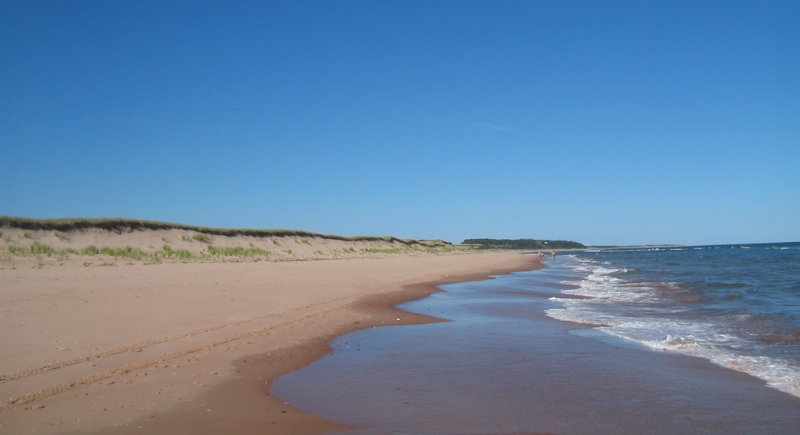
Basin Head, Prince Edward Island
Credit: Wikimedia Commons
Canada’s best-known squeaking sand beach sits beside a tidal channel locals call “the run.” The sand produces a sharp squeak when walked on because rounded silica grains rub together. Bridge jumping is a common activity here, which often competes with the sound of the sand itself. The beach has become a regional landmark, complete with souvenirs celebrating the experience.
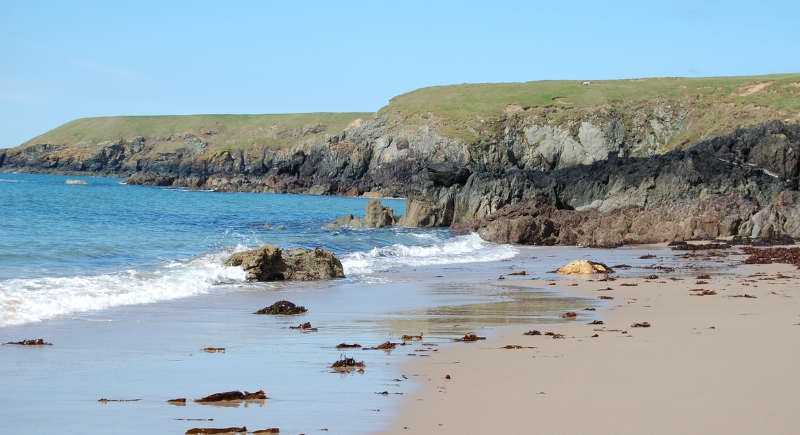
Porthor, Aberdaron
Credit: Wikimedia Commons
Porthor is a beach in Wales that is often called Whistling Sands because the noise is higher-pitched than most singing beaches. The sound happens when dry sand is compressed by footsteps, creating vibration between grains. It’s located along the Llŷn Heritage Coast, where grassy cliffs rise directly behind the shore. The effect works best on sunny days after low tide.
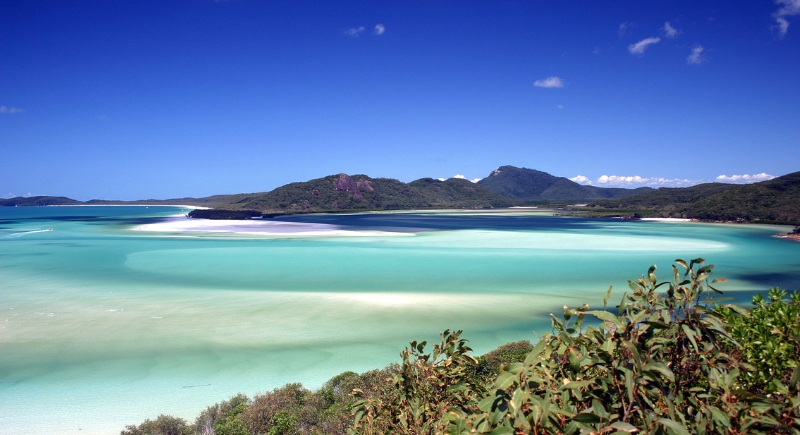
Whitehaven Beach, Whitsunday Islands
Credit: Wikimedia Commons
Australia’s Whitehaven Beach is famous for sand that squeaks loudly and stays cool underfoot. The sand is over 90% silica, which reflects heat. Tour guides often repeat a story about the sand being used in the Hubble Space Telescope, though no verified records support that claim. The squeak is easy to trigger due to consistently dry conditions.
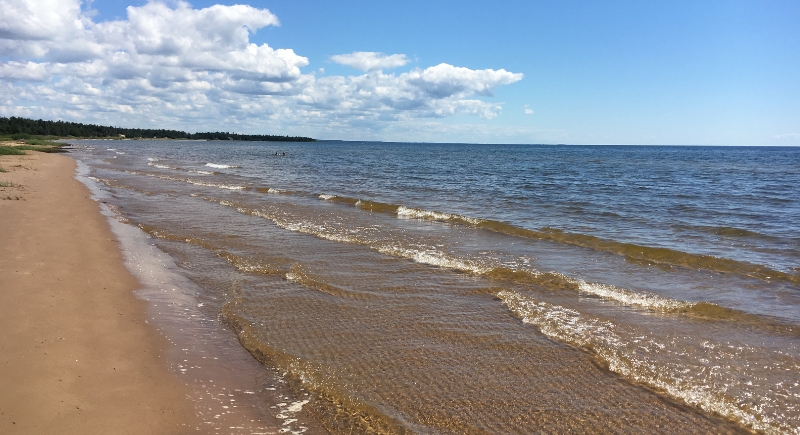
Lake Michigan Beaches
Credit: Wikimedia Commons
Several beaches along Lake Michigan produce audible squeaks when walked on during dry weather. The sand shares the same rounded, silica-rich composition as that found at coastal sanding beaches. Nearby Warren Dunes are known for booming sand sounds caused by the wind. These dune sounds have been measured at up to 105 decibels.
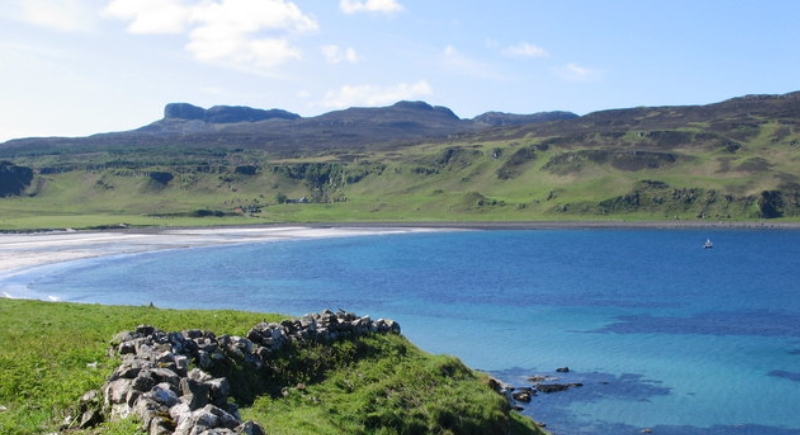
Isle of Eigg, Laig Bay
Credit: Wikimedia Commons
This Scottish island pairs singing sand with unusual volcanic geology. The sand at Laig Bay produces sound when walked on, especially during dry spells. The island is also home to Europe’s largest pitchstone ridge, which formed from fast-cooling lava. Visitors often notice the sound of sand before realizing it is a known phenomenon.
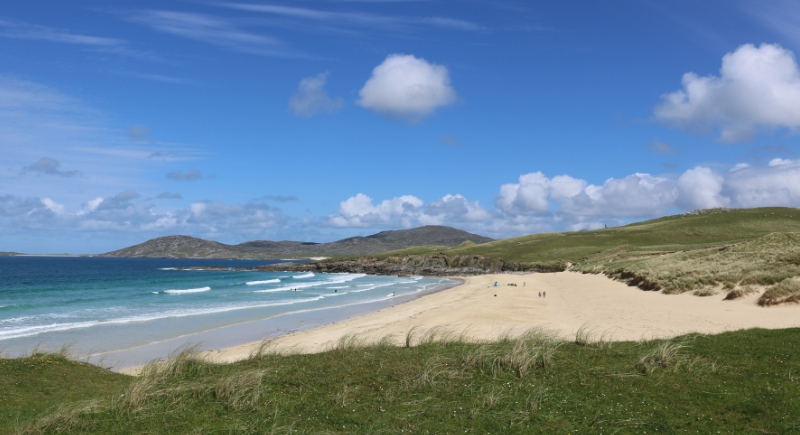
British Isles Singing Beaches
Credit: Getty Images
A 2006 study published in the journal Sedimentology identified 33 singing sand locations across the British Isles. That total is higher than any other region on Earth. The beaches vary in tone depending on grain shape and moisture level. Most of these beaches sing only under specific weather conditions.
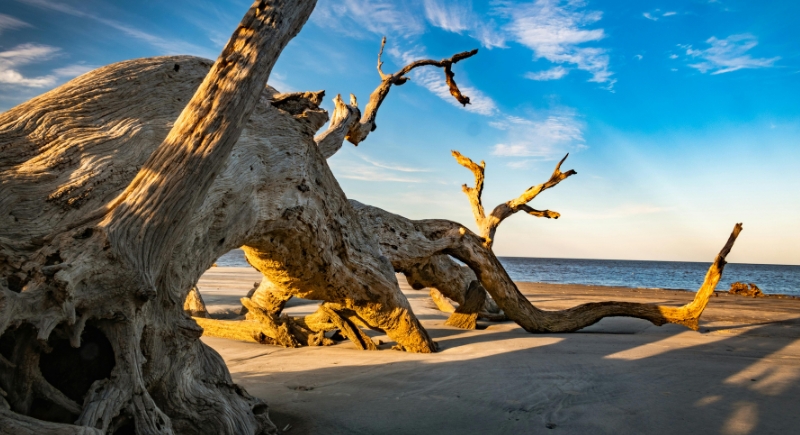
Atlantic Coast Singing Beaches
Credit: Getty Images
Several beaches along the eastern United States feature singing sand, especially in areas with minimal wave reach. The effect depends on dry sand staying undisturbed by tides. The sound is typically described as squeaking rather than humming. These beaches often lose their effect after storms that alter grain shape.
Sand Dunes Near Lake Superior
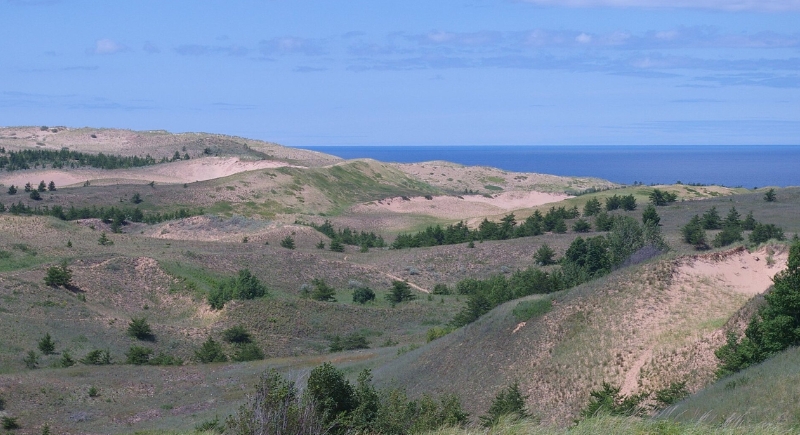
Credit: Wikimedia Commons
Inland dunes near Lake Superior can produce sound when sand slides downhill. The dunes share the same grain size requirements as singing beaches. Wind-triggered sounds tend to last longer than footstep sounds. These dunes demonstrate that water is not required for the phenomenon to exist.
Polihale State Park, Kauai
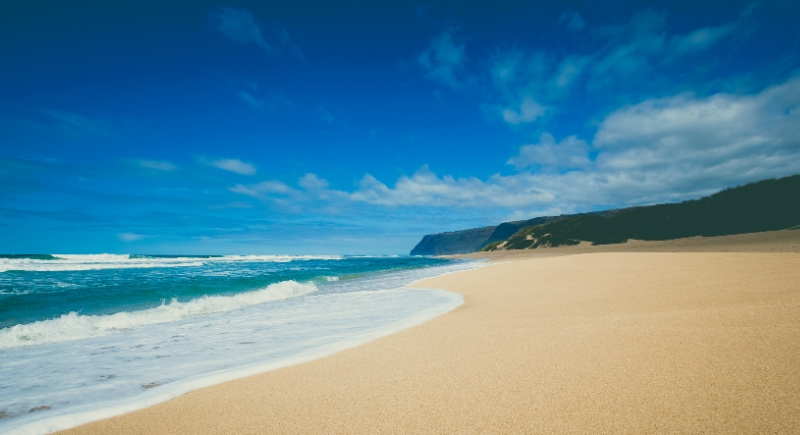
Credit: Getty Images
At the western edge of Kauai, Polihale State Park features dry, silica-rich sand that squeaks underfoot during hot, low-humidity conditions. The effect is most noticeable above the high-tide line, where strong sun and steady trade winds keep the grains dry and loose. Locals have long noted the sound while walking across the dunes, which stretch for miles along the Napali coast’s far end. Unlike crowded singing beaches elsewhere, Polihale’s remoteness often makes the sound more obvious because there’s little ambient noise to drown it out.