
From the buses assigned to a route to its schedule and bike access, these are the factors I consider before I call a route eco-friendly.
Read the Fleet Mix
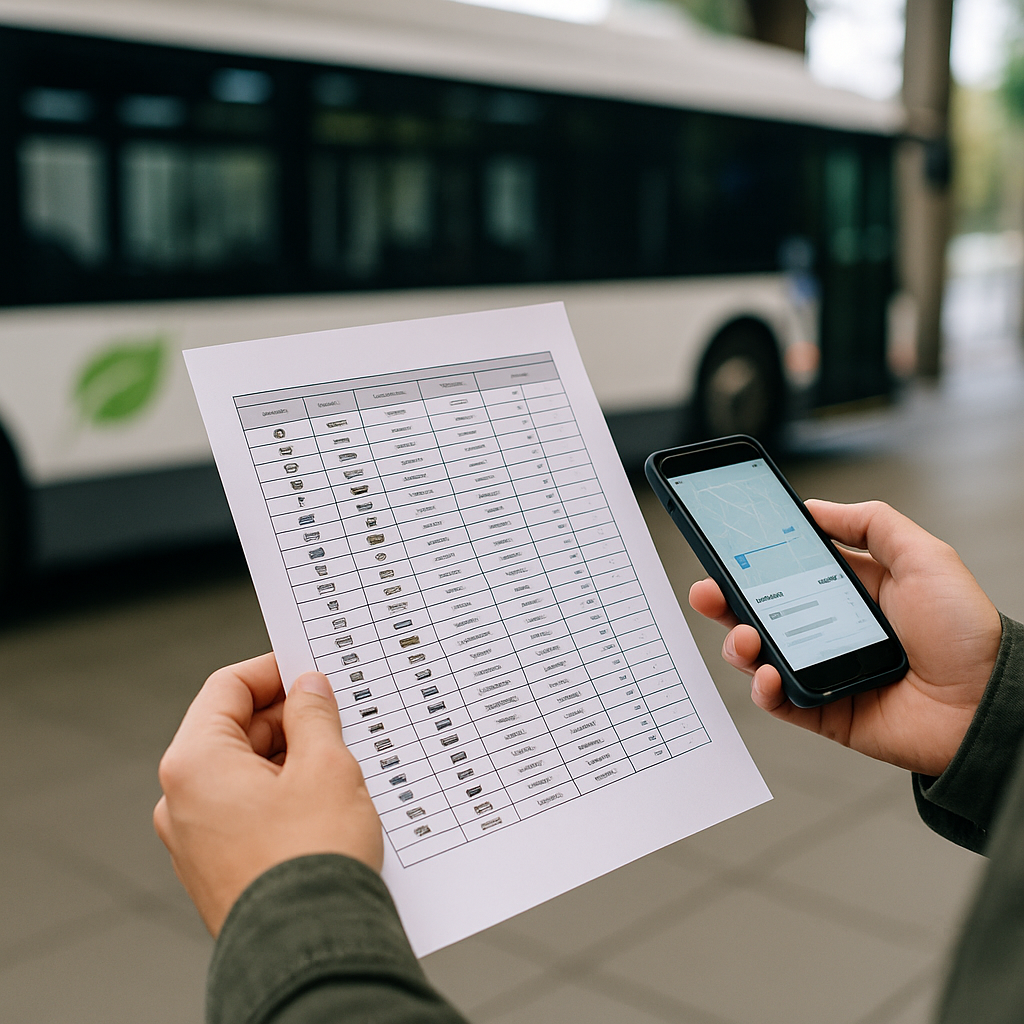
I used to take the green leaf icons at face value. Now I start with one boring question: what vehicles are you putting on this specific route? Because an agency can own a few battery-electric buses and still run the long, rural mileage on older diesel coaches all week. The fastest way to cut through the marketing is to look for the words the operations people use: BEB (battery-electric bus), CNG, hybrid-electric, Euro VI, renewable diesel, and model years. Lots of agencies post a fleet roster as a PDF; if they don't, the National Transit Database entries can still give you the shape of the fleet.
Then I check whether the operator is talking about the route as a corridor with predictable duty cycles, or just a scenic idea. Eco-friendly service tends to sound unromantic: charging windows, deadhead mileage, layover time, and depot location. If a run has a substantial layover at the end of the line near charging infrastructure, that can make electrification easier to operate. Short layovers can make charging more challenging, depending on the bus, charger and route. That doesn't automatically make the service less sustainable, but it does mean I want to know which vehicles actually operate the route.
One more tell I look for: do they publish the bus ID in the real-time tracker? On routes I ride a lot, I screenshot the vehicle number when it pops up in the app. After a few trips, you can tell whether the cleaner technology is showing up regularly or just on the midday run that gets photographed. It's a small thing, but it keeps me honest when I'm planning a trip around the lower-impact option.
The Schedule Matters as Much as the Engine
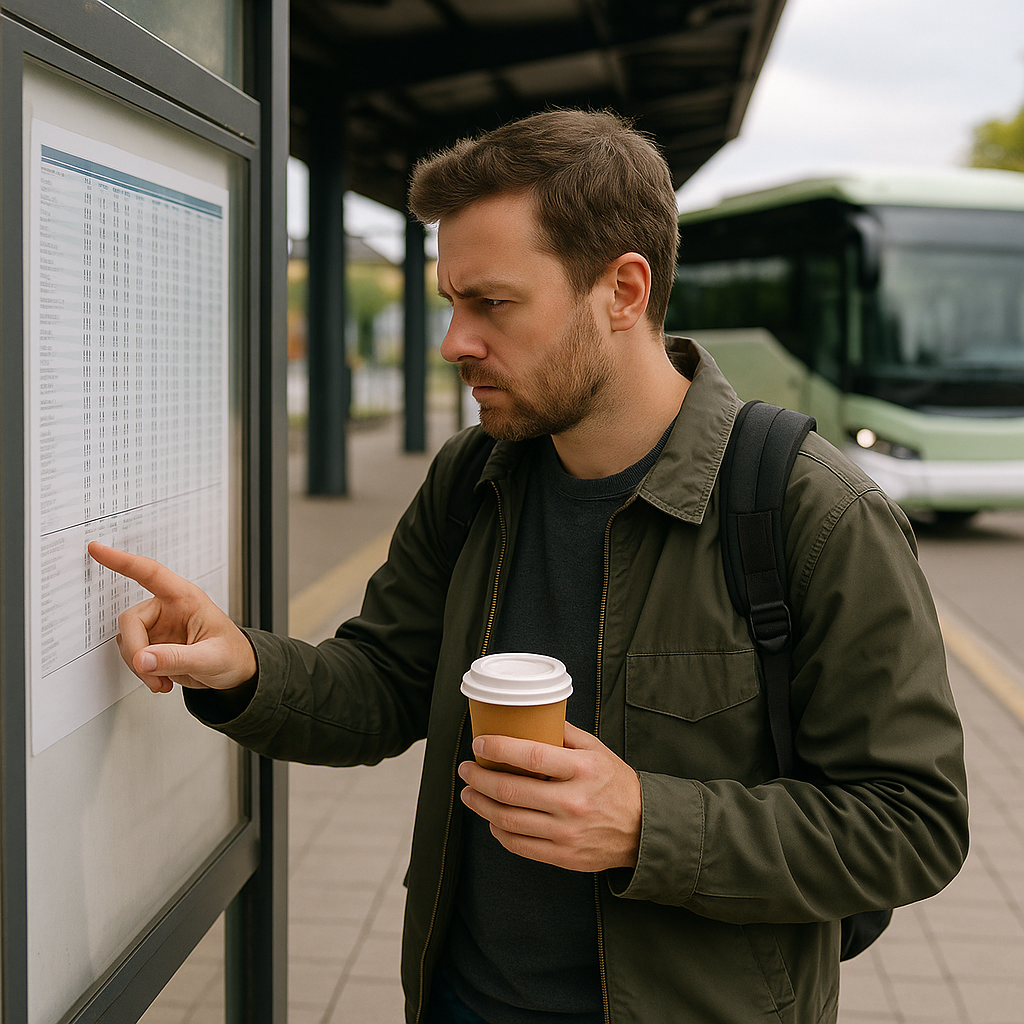
Here's the part people often overlook: a low-emission bus only delivers its full potential as a transit alternative if the service works for the people who might use it. I've watched a gorgeous, brand-new coach roll out at 10:40 a.m. on a weekday with three riders, and then the 4:55 p.m. trip (the one everyone needs) doesn't exist. So when I'm judging an eco-friendly regional route, I stare at the timetable like it's a weather forecast. Are there runs that connect to the first wave of morning commuters? Do they line up with the intercity train that arrives at :12 past the hour, or do you get a 52-minute layover on the platform burning time and buying a coffee you didn't want?
The schedule can affect the emissions savings a transit service delivers. A schedule that forces you into a rideshare for the last 14 miles is a schedule that pushes emissions back onto cars. A useful schedule can include trips timed around school start and end times, shift changes at the hospital, or the grocery trips that locals rely on. You can hear it in the way the stops are named, too: a flag stop near the clinic, a stop called out for the community college, or a timed transfer at a park-and-ride instead of a random pull-off.
When I'm planning my own ride, I do a quick reality check with the trip planner: what happens if I'm 8 minutes late? If the next bus is two hours later, the eco-friendly story is fragile, because one missed connection triggers a car rescue. If the route has frequent enough service and reliable connections, it's easier to stay on transit when your day gets messy. That's what makes a low-emission route more practical as an alternative to driving.
Bike Racks, Luggage Bays, and the ‘No-Car’ Last Mile
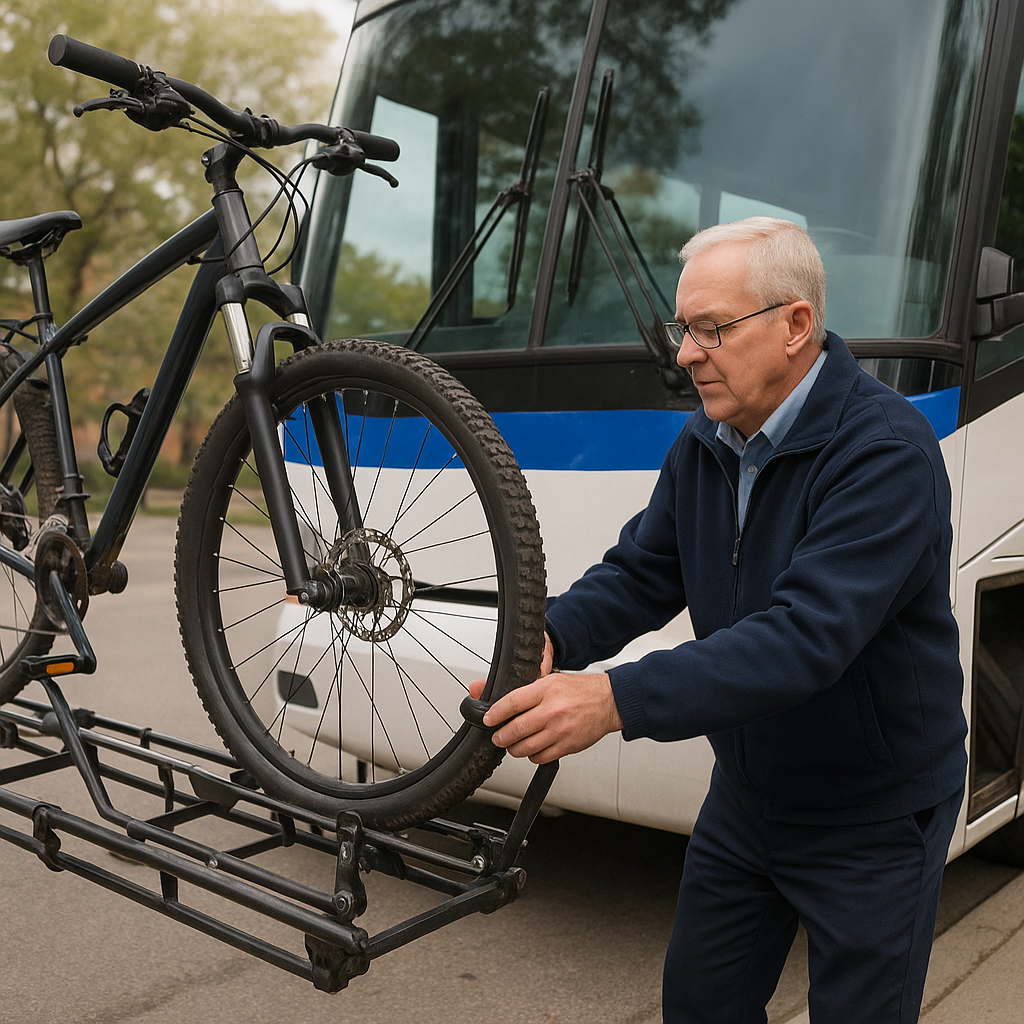
On paper, a regional bus can look perfectly low-impact. In practice, the last mile is where a lot of people quietly give up and call a car. So I pay embarrassing attention to the unsexy hardware: front bike racks, underfloor luggage bays, and whether the driver seems used to deploying them without making you feel like you're doing something wrong.
If a route serves remote trail towns, farms, or a string of small lakes, bikes are the connection. A bike rack that accommodates the kinds of bikes riders actually bring, with a secure system that is easy to use, lets you hop off at a stop that isn't right in the center of town and roll the last couple miles on your own power. I've been on runs where the rack was present but the instructions were a faded sticker and the arm's rubber hook was cracked. That's a sign that the bike-rack service may not be as usable as it looks on paper.
Luggage matters for the same reason. When the bay is usable and the driver opens it routinely, you can bring a week's groceries, a bag of library books, or a small cooler without defaulting to a car because it's too much stuff. If it's a coach with a baggage door, watch how it's handled: does the driver pop it at major stops, or does everyone wrestle bags down the aisle because the bay is treated like it's only for airport runs? I've also learned to look for interior cues: a spot near the front where folding bikes don't block the aisle, a few seats that flip up, or at least enough floor space that a rolling suitcase doesn't become a trip hazard.
None of this is glamorous, but it's the part that makes eco-friendly routing believable. When the bus is set up for bikes and bags, it's easier for riders to connect the bus with the rest of their trip without arranging a pickup. And once you see that working in a place that usually gets overlooked, it changes what you think a regional route can do.