What They Didn’t Tell You About The Seven Wonders Of The World
You’ve seen the photos and read the textbook summaries, but those polished versions leave a lot out. The real stories involve construction mishaps, sealed rooms no one fully understands, and building materials that sound almost made up.
These landmarks are impressive, but they’re also full of details people rarely mention. Some walls were reinforced with sticky rice, statues lost pieces to lightning strikes, and parts of ancient cities still sit buried underground. The deeper you look, the less tidy the story feels.
Petra Still Hides Most of Its Structures
Credit: Wikimedia Commons
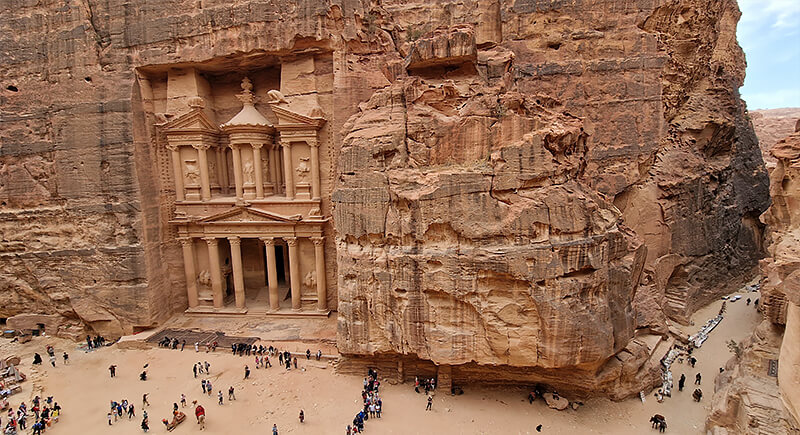
Tourists know Petra by its carved stone buildings, especially the Treasury. But researchers estimate that a significant portion of the city is still buried. That makes what’s visible now just a fraction of what once existed. Archaeologists believe entire complexes are concealed below the surface.
The Great Wall Became a Tomb for Its Builders
Credit: Wikimedia Commons
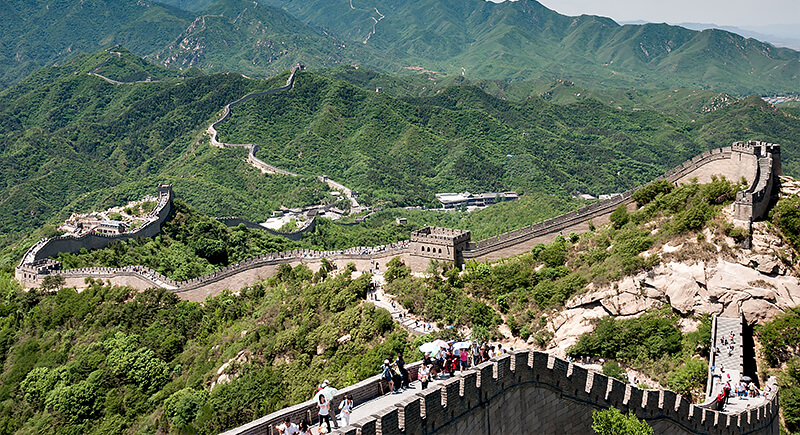
The Great Wall took centuries to complete, and workers became casualties in massive numbers. Over a million laborers lost their lives, with many buried inside the wall itself. Some call it the longest cemetery in the world. This wasn’t planned as a graveyard, but the working conditions made survival unlikely.
Christ The Redeemer Has a Thumb Story
Credit: Wikimedia Commons
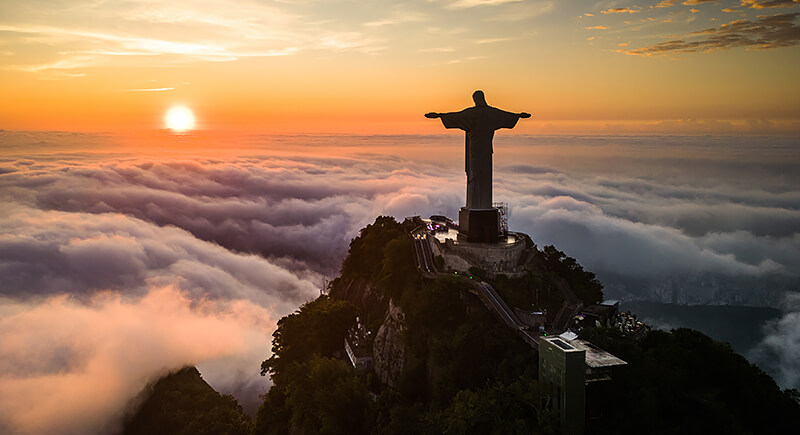
In 2014, a lightning bolt struck Christ the Redeemer and broke part of its right thumb. According to specialists, this wasn’t unusual, and lightning hits the statue three to six times a year. Its exposed position on Corcovado Mountain makes it a natural target during storms. The repairs require skilled technicians who climb to the top and replace damaged soapstone tiles.
The Colosseum Supported Plant Life for Centuries
Credit: Wikimedia Commons
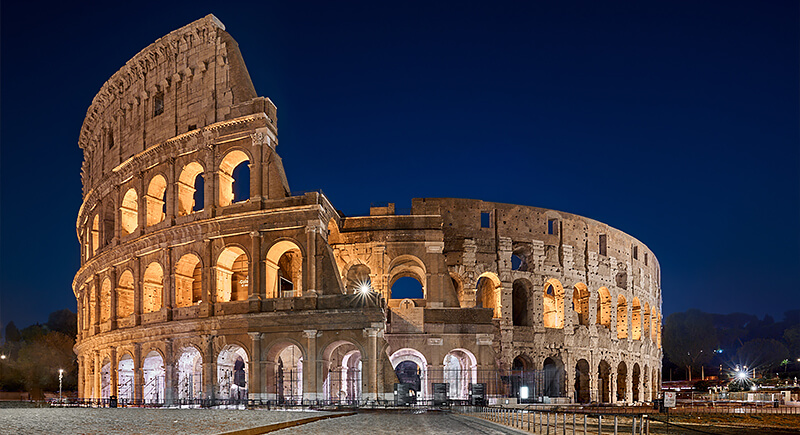
By the 1600s, the Colosseum wasn’t just a ruin, but had become a habitat. In 1643, herbalist Domenico Panaroli recorded more than 400 different plant species growing inside. Today, that number has risen to 684. Seeds from across the Roman Empire likely arrived on the clothes of travelers, traders, or animals.
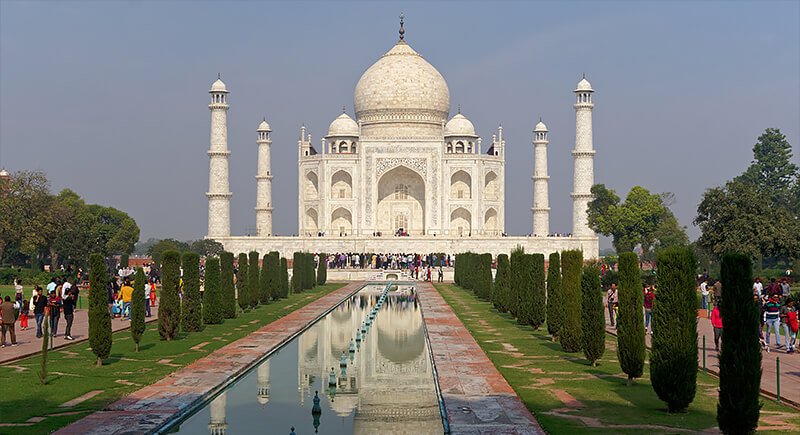
The Taj Mahal Displays Empty Tombs
Credit: Wikimedia Commons
You may notice the ornate tombs inside the Taj Mahal, but they don’t hold any remains. They serve as symbolic replicas placed for visitors to see. The real graves of Shah Jahan and Mumtaz Mahal sit in a lower chamber that stays closed to protect the marble surfaces. That hidden room follows Islamic tradition, with a simple design and limited decoration.
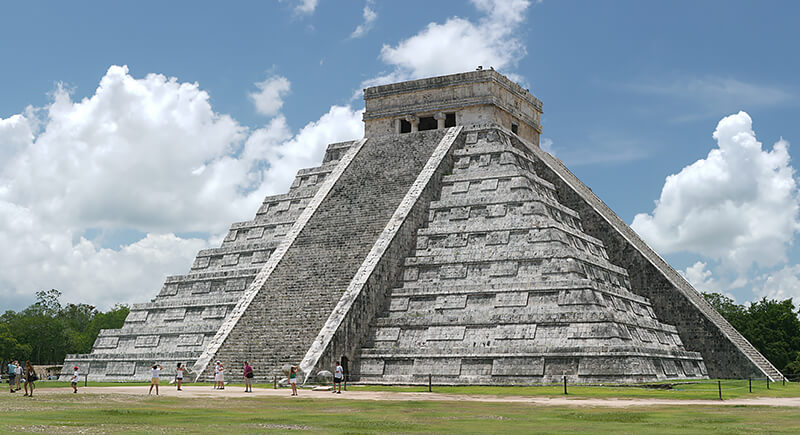
Chichén Itzá Was Built for Sound
Credit: Wikimedia Commons
Clap once near the Temple of Kukulcan, and you’ll hear an echo that sounds like a bird chirping. That wasn’t an accident because the pyramid was designed to mimic the call of the feathered serpent deity Kukulcan. The sound effect appears when a clap hits the steps and echoes back at just the right frequency.
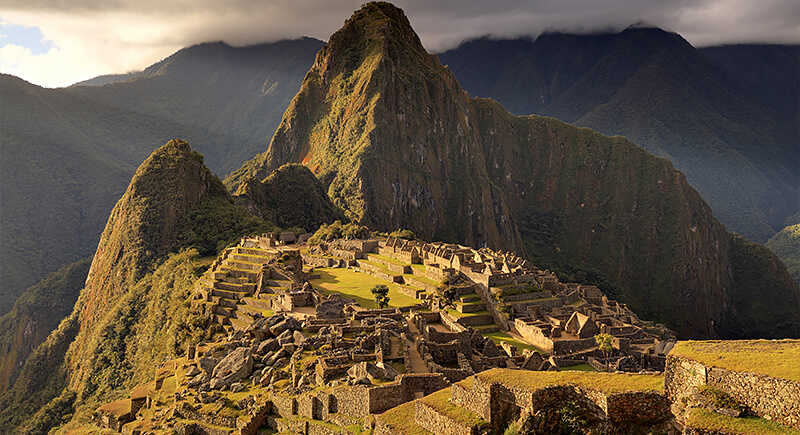
Workers Built Machu Picchu without Wheels
Credit: Wikimedia Commons
The Incas didn’t use wheels to build Machu Picchu. They moved massive stones by hand along steep mountain paths. Some blocks even weighed over 50 pounds, and moving them required coordination and muscle, not carts or pulleys. Historians believe large teams pushed stones using ropes and leverage, which helped keep the mountain terrain intact.
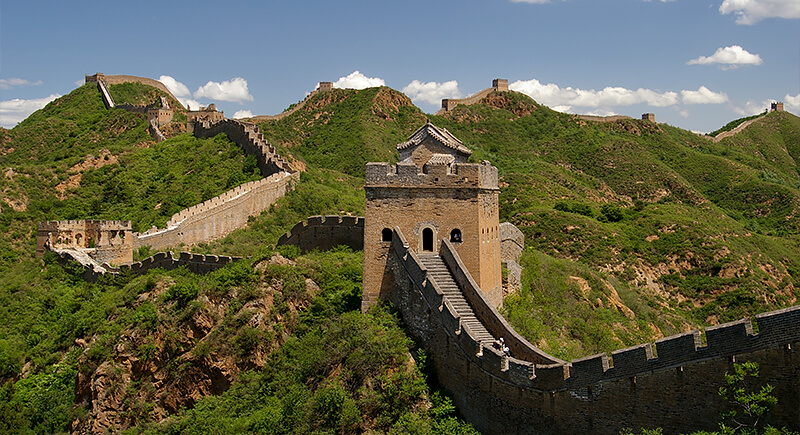
Sticky Rice Strengthened Sections of the Great Wall
Credit: Wikimedia Commons
In certain sections of the Great Wall during the Ming Dynasty, builders mixed sticky rice with lime to create stronger mortar. This unlikely ingredient added flexibility and water resistance. Researchers studying the compound found that it helped bricks remain bonded over centuries of rain and temperature changes. The mixture hardened more effectively than typical mortar.
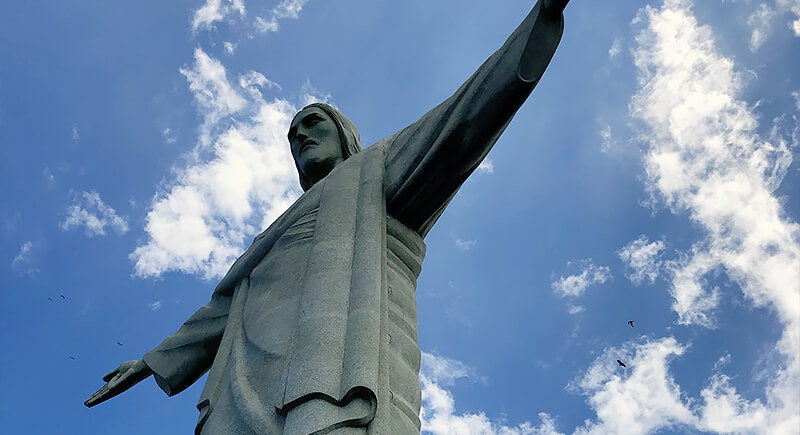
Christ The Redeemer’s Face Was Sculpted in France
Credit: Wikimedia Commons
Romanian sculptor Gheorghe Leonida carved the face of Christ the Redeemer while working in Paris. It took him five years to finish. After that, the pieces were shipped to Brazil and assembled on Corcovado Mountain. His contribution isn’t well known, but his work gave the statue its expression and detail.
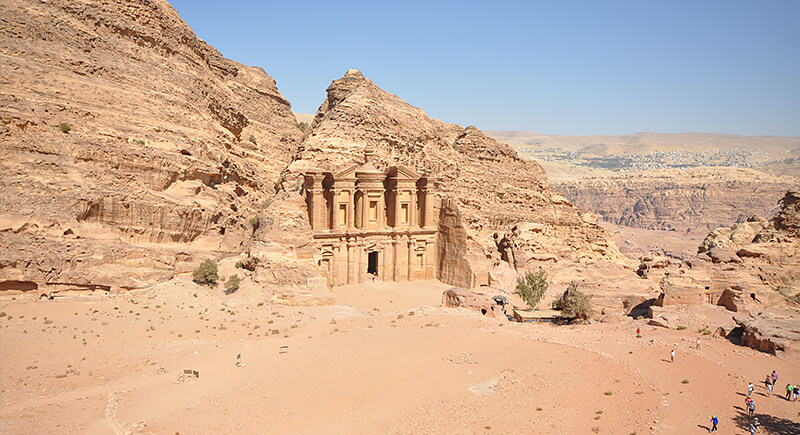
Petra’s Treasury Shows Signs of Target Practice
Credit: Wikimedia Commons
Bedouins used the Treasury at Petra for target practice before preservation began. Bullet marks are visible on the carvings. These weren’t random acts of vandalism but part of local life before the site became a protected monument. Damage like this helps experts understand the timeline of Petra’s decline and rediscovery.