10 “Ghost Towns” in the US You Can Actually Buy
Buying an entire town sounds unreal until you see it listed. Across the U.S., former mining camps, rail stops, and company towns still exist in a half-abandoned state. They are no longer active, but they have not disappeared either. Ownership today usually means maintaining what remains, dealing with isolation, and deciding what happens next.
Bridgeville, California

Credit: Wikimedia Commons
Long before it became famous for changing hands on eBay, Bridgeville was already known locally as a stubborn survivor. The town, set along the Van Duzen River, spans 83 acres and includes homes, a post office, and a cemetery. Visibility brings attention, yet ownership centers on upkeep, patience, and deciding how much activity the town should absorb.
Villa De La Mina, Texas
Credit: Facebook
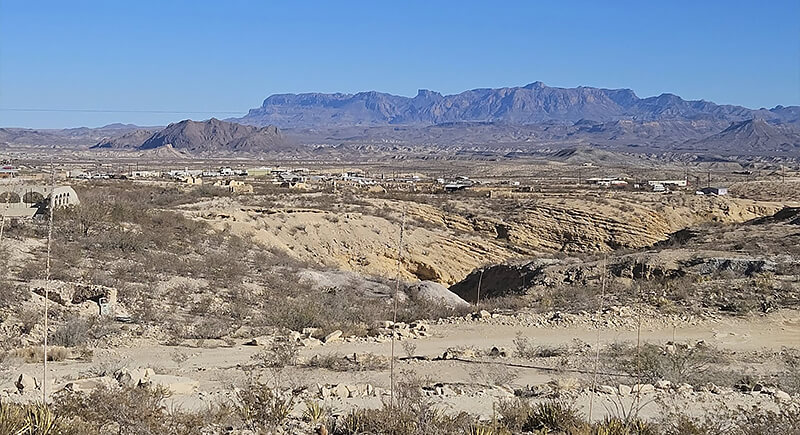
Stone structures remain scattered across the desert as if the mining era ended recently. Built during a silver boom, Villa de la Mina features approximately twenty buildings, tunnels, and a historic jail. Isolation shapes every decision here. Silence, distance, and preservation will be on the owner’s radar more than schedules, services, or steady foot traffic.
Swett, South Dakota
Credit: Facebook
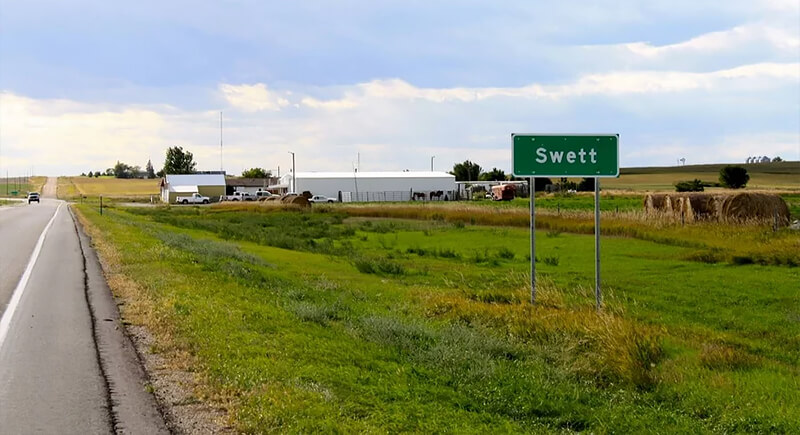
Owning Swett means embracing the reality of how little there actually is. Six acres, a former tavern, a few buildings, and a town sign make up the package. There are no residents and no promises of infrastructure. What changes hands is mostly the idea of a town, which explains why Swett functions better as a story than a plan.
Henry River Mill Village, North Carolina
Credit: iStockphoto
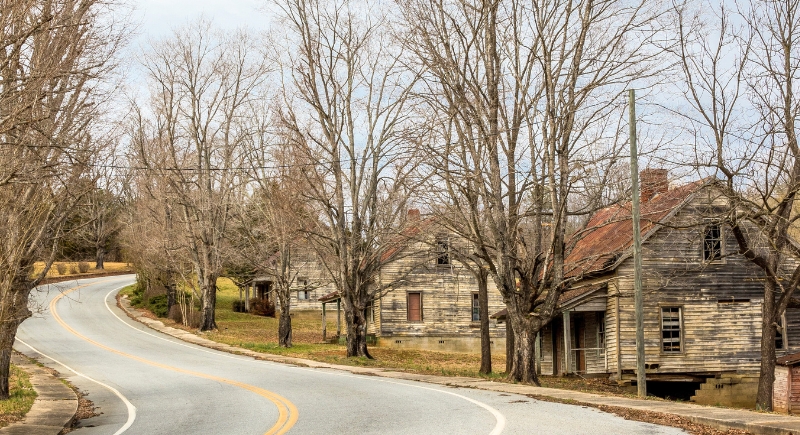
Most people recognize this place before they know its real name. Once used as a filming location for The Hunger Games, the abandoned mill village later shifted under private ownership. Cabins, brick ruins, and wooded roads remain, but the activity has changed. Where crews once worked, overnight guests now move through a town suspended between its industrial past and a new, slower use.
Garryowen, Montana
Credit: Tripadvisor
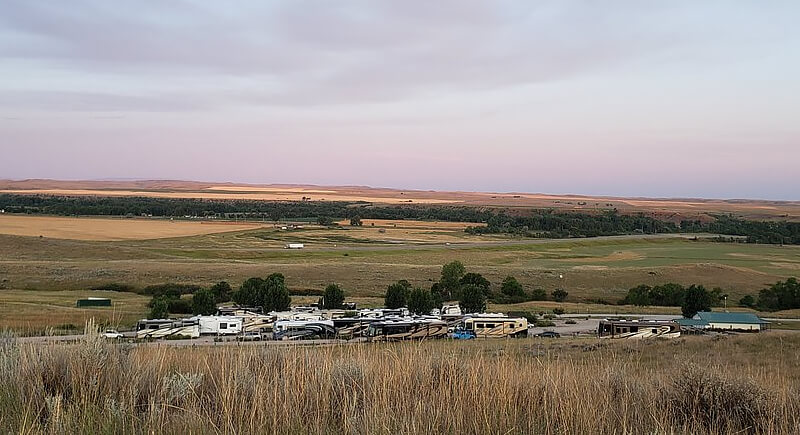
Garryowen sits near the Little Bighorn Battlefield and carries significance beyond its size. The town includes a gas station, a large hall, and a small museum tied to local history. Ownership here centers on care rather than development and reflects visitor traffic and the responsibility that comes with proximity to a defining moment in the nation’s past.
Pray, Montana
Credit: Tripadvisor
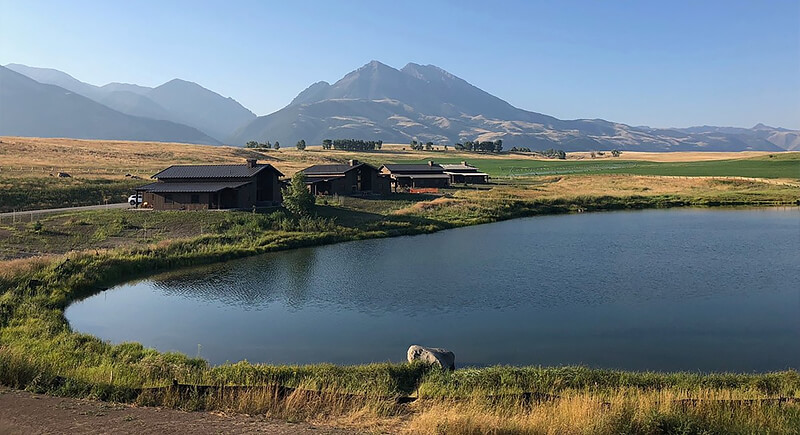
Pray is defined by daily routine, with fewer than ten residents calling it home. The town includes a general store, a post office, and a small trailer park along the Yellowstone River. Ownership here focuses on keeping things running rather than changing them. Fishing access, scenery, and seasonal stillness matter more than growth or redevelopment.
Scenic, South Dakota
Credit: Wikimedia Commons
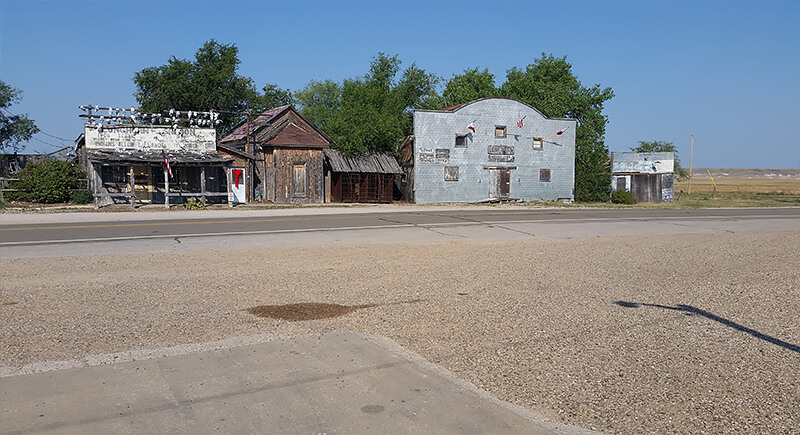
Badlands terrain dominates every decision in Scenic. Sitting inside the national park boundary, the town includes old saloons, cabins, and roadside buildings spread across roughly twelve acres. Utilities are limited, and development options stay narrow. What endures is the setting itself, which consistently outweighs infrastructure or commercial ambition.
Buford, Wyoming
Credit: Wikimedia Commons
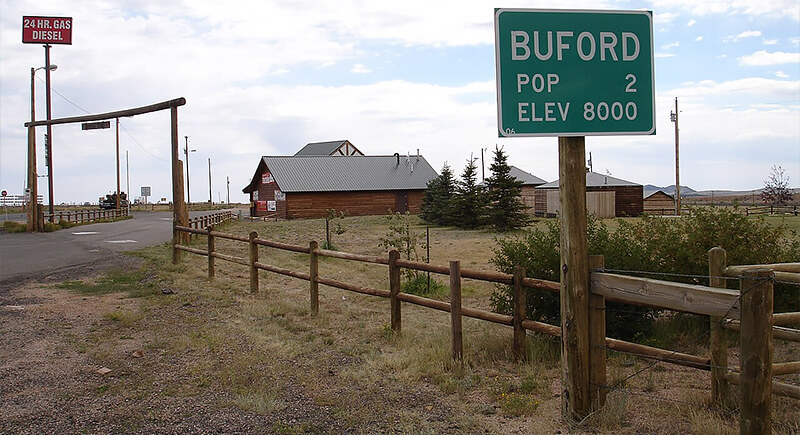
A single owner once turned this Interstate 80 stop into a national curiosity. When Buford sold in 2012, it included a gas station, trading post, and town hall. The attention that followed showed how the story can matter as much as acreage. Traffic slowed, photos spread, and a nearly empty place gained momentum.
Frannie, Wyoming
Credit: cowboystatedaily
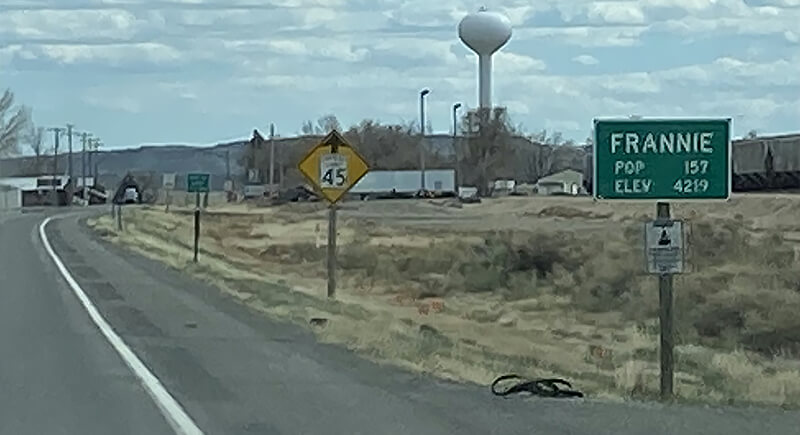
Frannie was never sold as a single, complete town. Auction listings grouped together a mix of assets, including a commercial building, several mobile homes, and highway frontage, while other properties were excluded from the deal. Buyers were purchasing income-producing pieces, not control of the entire town, which made the sale closer to a partial investment than full ownership.
Woodside, Utah
Credit: Wikipedia
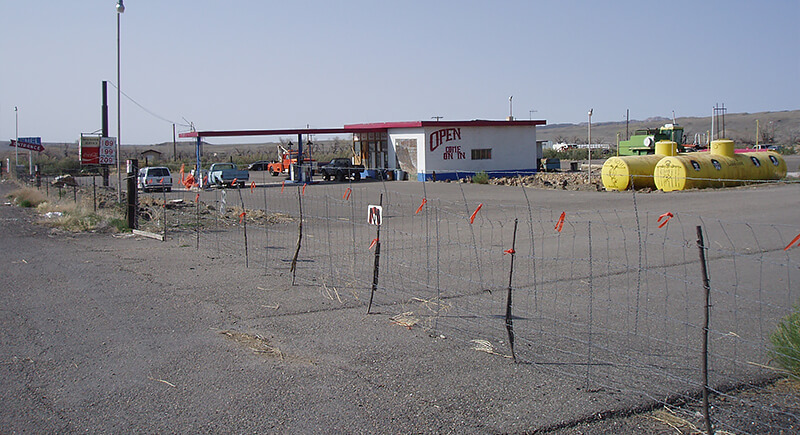
Spanning more than 700 acres in eastern Utah, Woodside’s main feature is distance. The former railroad town includes a service station, post office, and a damaged roadside geyser, with little modern activity nearby. Stories outnumber structures. Time moves slowly here, measured more by passing trains and weather than by development.