10 Ways Seabourn Pursuit Goes Beyond a Typical Expedition Cruise
When a luxury expedition ship starts delivering medical care in the middle of the Pacific, it changes expectations. Seabourn Pursuit has gained attention through moments like that, along with routes that reach isolated regions, hands-on exploration, and a comfortable setup. These moments explain why this ship is drawing attention for reasons that go far beyond standard cruise appeal.
It Turned a Port Call Into a Medical Mission
Credit: Wikimedia Commons
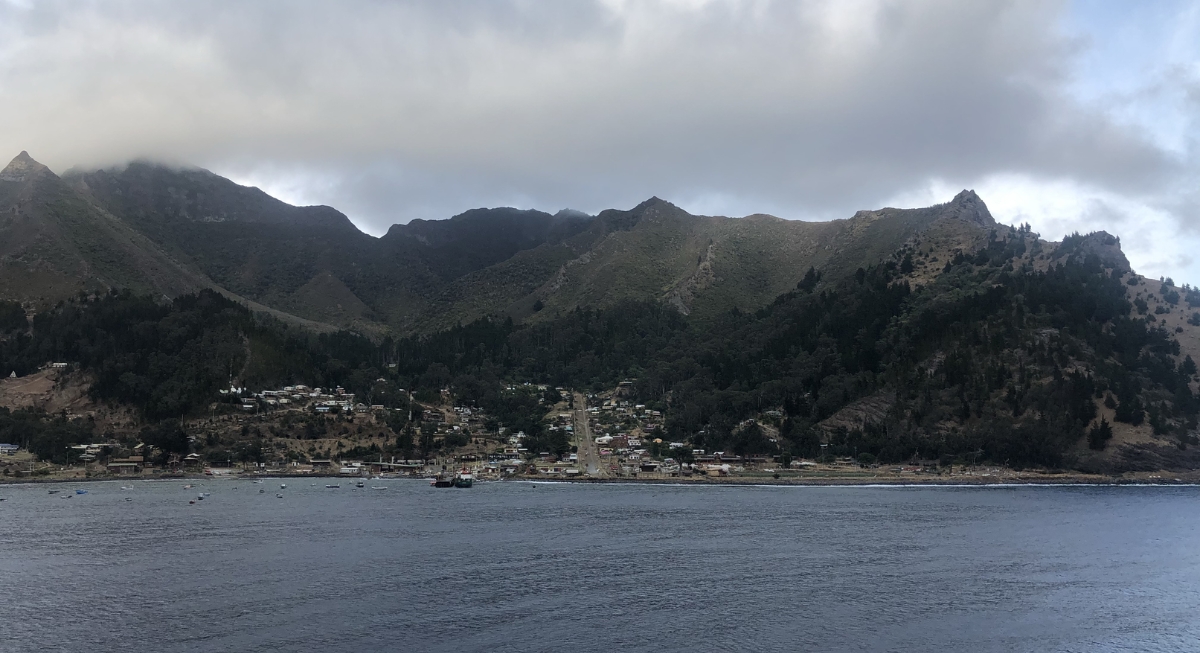
Robinson Crusoe Island lies about 500 miles west of Chile’s San Antonio and Valparaíso ports. This limits access to advanced care. When local imaging equipment failed in February 2026, the ship’s medical team stepped in during an April visit. Residents aged 4 to 71 received on-board X-ray exams, and Seabourn’s telemedicine partner supported local doctors with diagnosis and treatment planning. This intervention extended the ship’s capabilities beyond tourism.
It Operates Across Extreme Environments Without Compromise
Credit: Facebook
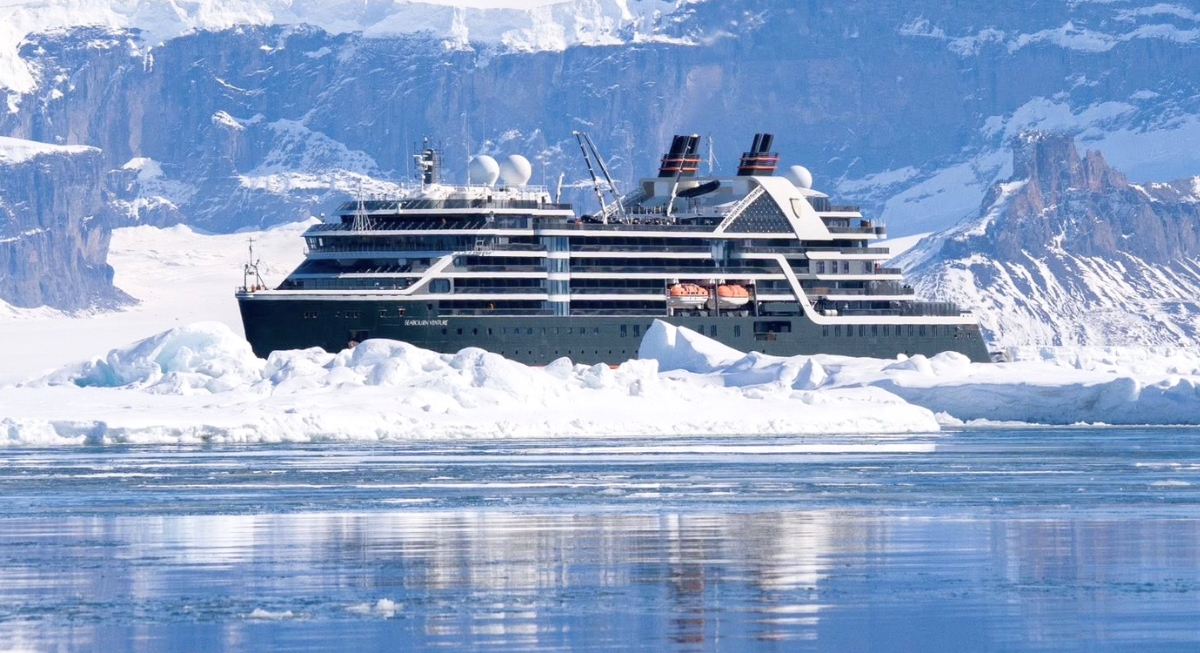
Seabourn Pursuit was built for expedition routes. Its design supports navigation through polar regions, tropical waters, and rugged coastal areas within a single program. The ship carries the technical systems required for these environments while maintaining onboard comfort at a consistent level. It operates across very different conditions without compromising service quality. Most vessels are limited to a narrower operating range.
It Adds Scientific and Historical Context to Every Stop
Credit: Facebook
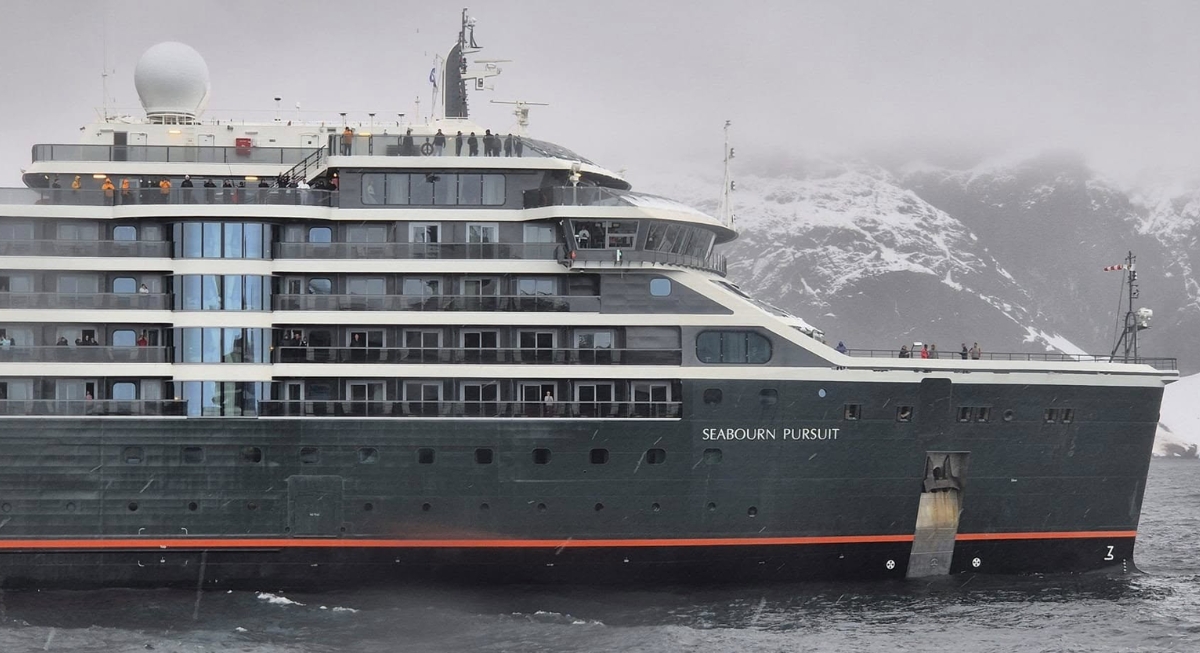
A 23-member expedition team travels on board. You have naturalists, historians, and scientists. They lead briefings, provide field explanations, and are always present during excursions to explain wildlife behavior, geological features, and cultural elements. You leave with a clearer understanding of what you’ve experienced.
It Uses Zodiacs for Close-Range Exploration
Credit: Facebook
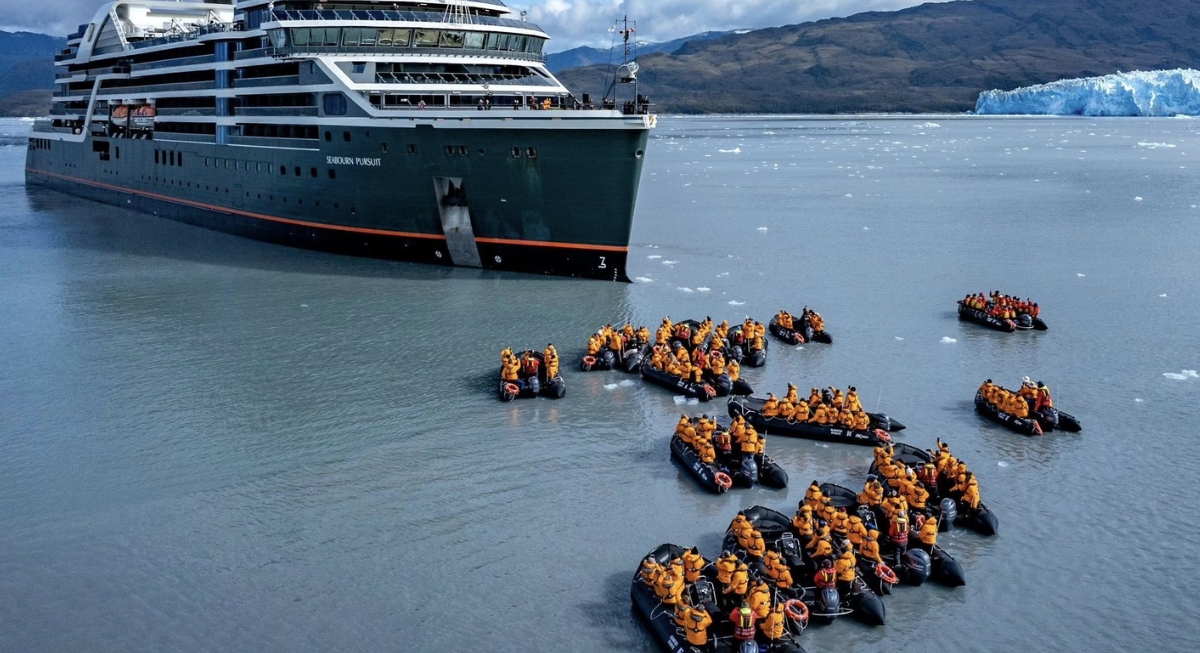
Zodiac operations create a separate layer of access that the main ship cannot provide. These smaller craft allow movement through shallow waters, narrow inlets, and shoreline areas where larger vessels cannot safely approach. In the Kimberley region, they are used to reach the Horizontal Falls and Turtle Reef, with opportunities to observe marine life during the journey.
It Covers a Large and Varied Expedition Network
Credit: Wikimedia Commons
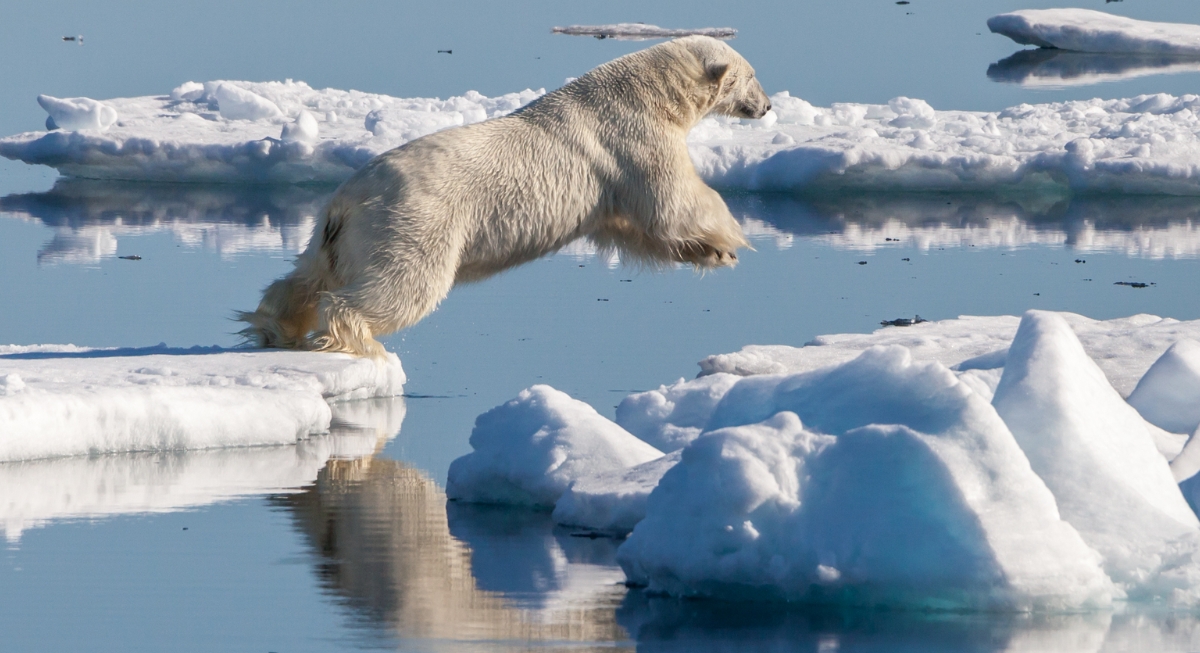
The 2026 expedition program includes 71 destinations across more than 14 countries. This range translates into operations across multiple ecosystems and cultural regions. Guests are not bored. They can move between tropical islands, remote coastlines, and polar landscapes.
It Structures Wildlife Encounters as Core Activities
Credit: Getty Images
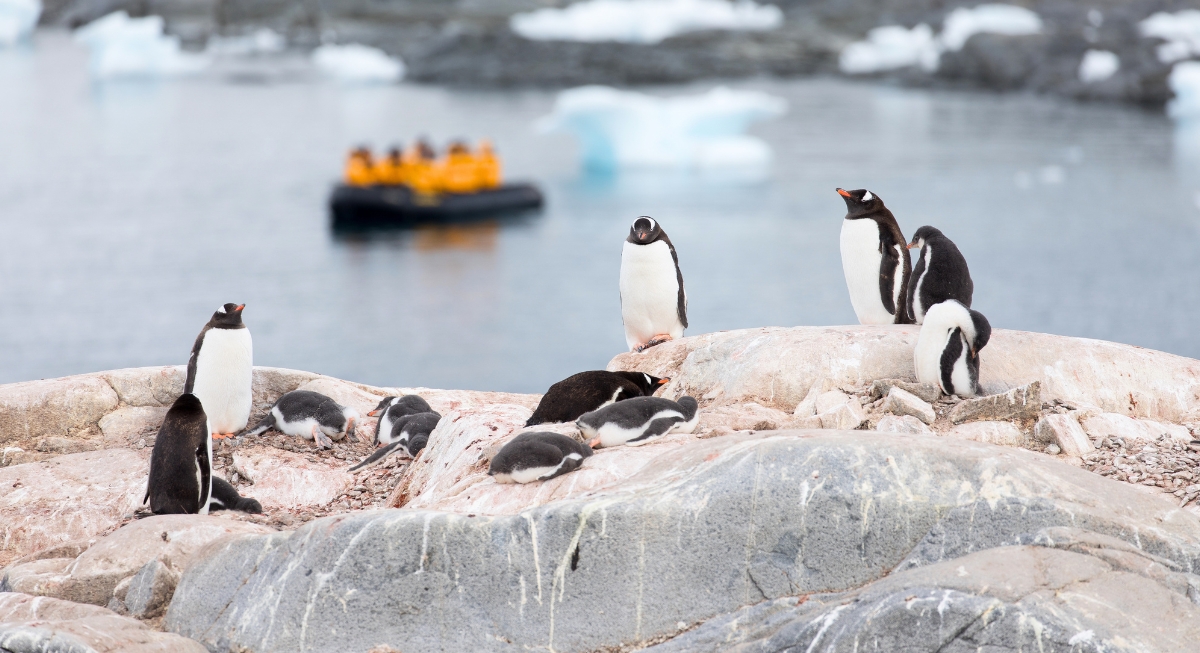
Wildlife observation is central to the expedition plan. Guests can search for polar bears and musk ox in Arctic regions, observe penguin colonies in Antarctica, or explore reef systems in the South Pacific. These encounters are planned components of the itinerary and are supported by expert guidance. There are consistent opportunities for wildlife interaction across different regions.
It Integrates Cultural Access Into the Route Design

Credit: Facebook
The ship’s itineraries include cultural elements tied to specific destinations. You may even encounter ceremonies, local traditions, or community interactions that are not part of standard cruise routes. Seabourn also named the Wunambal Gaambera Traditional Owners as godparents of the ship. By reinforcing cultural respect and environmental responsibility, they expand the scope of the journey beyond landscapes and wildlife.
It Separates Dining Flexibility From Daily Scheduling Constraints
Credit: Facebook
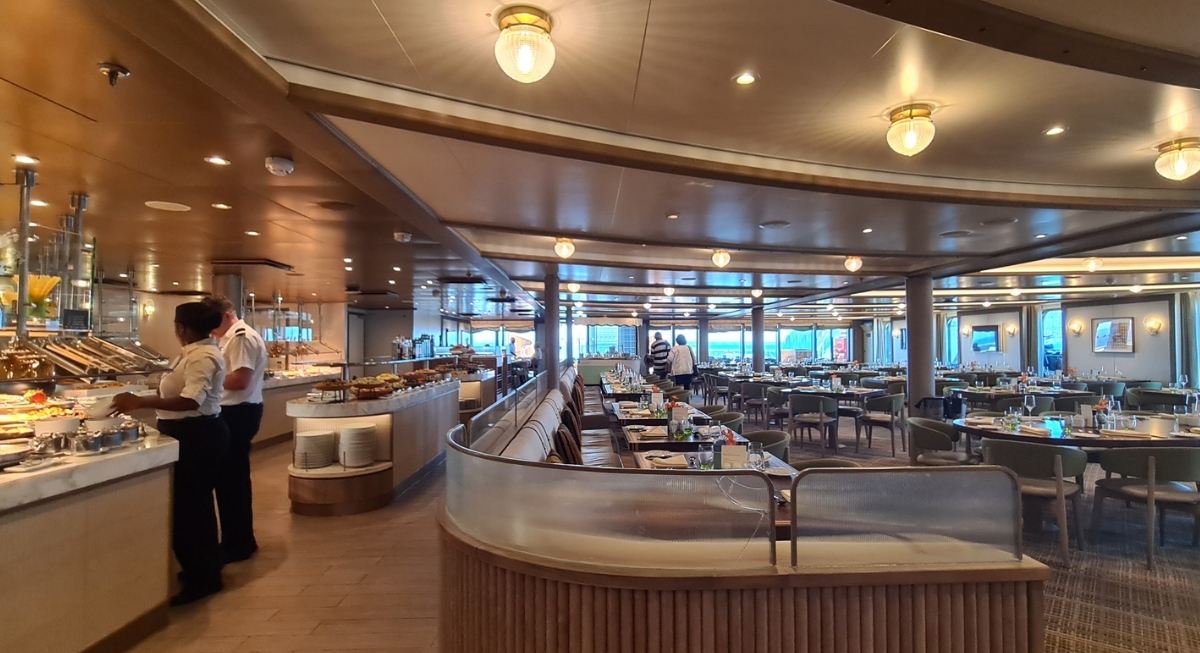
Dining onboard follows an open-seating model. There are no fixed time slots. Guests choose when and where to eat. It aligns well with the variability of expedition travel. Multiple venues are available, and meals can be served in-suite with full course progression. Fine wines are included at lunch and dinner.
It Maintains Operational Efficiency Through Smaller Capacity
Credit: Facebook
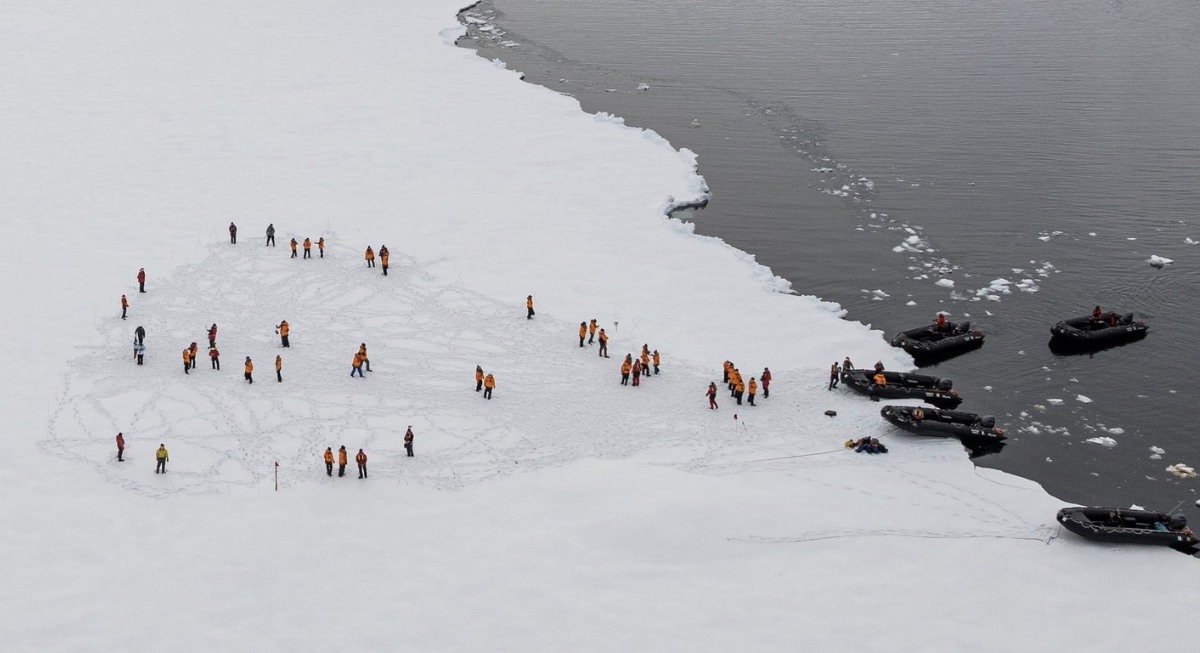
With a capacity of 264 guests, the ship operates on a smaller scale than traditional cruise vessels. Fewer numbers support smoother logistics during excursions. It also allows access to ports and locations that cannot accommodate larger ships. The reduced scale improves both operational flow and the overall experience during off-ship activities.
It Gives Expedition Travelers Actual Living Space
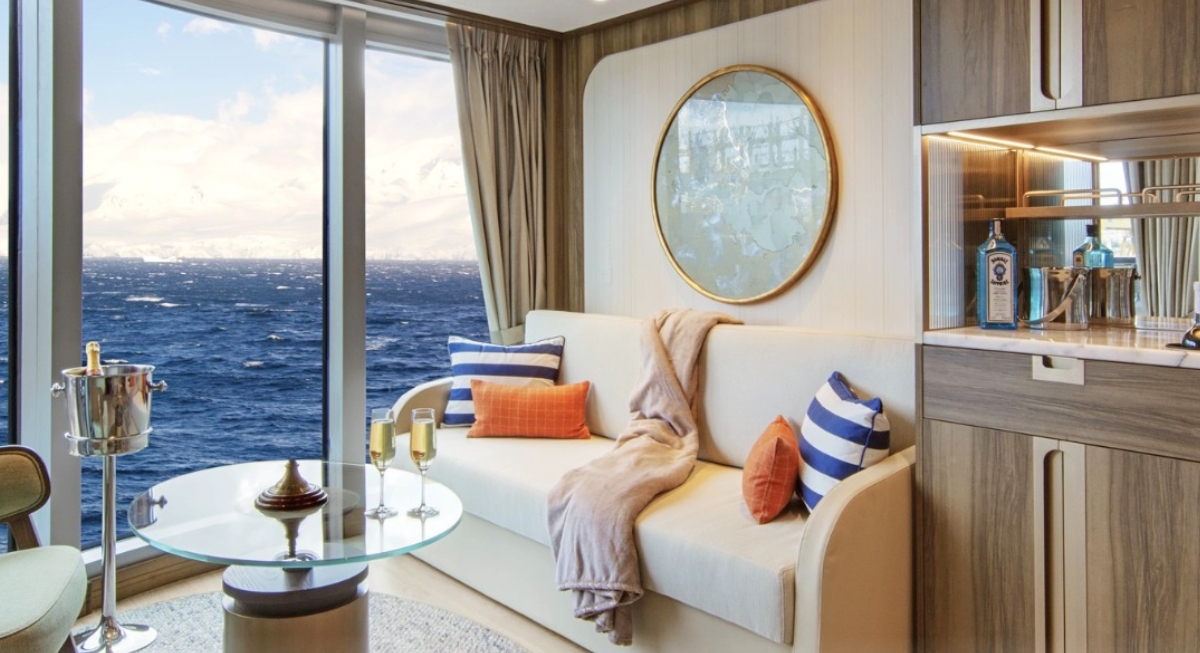
Credit: Facebook
Rough routes do not have to mean cramped cabins. Seabourn Pursuit carries 100 spacious suites, with queen-size beds and walk-in closets. Expedition days can be physically full, especially with Zodiac outings, wildlife viewing, and shore activity. The ship gives guests time to properly reset between the demanding parts of the trip.