Scientists Race To Save Australia’s Iconic Koalas On A Secret Island Refuge Before It’s Too Late
Chlamydia has become one of the biggest threats to koalas across mainland Australia. The strain affecting them, Chlamydia pecorum, can cause blindness, infertility, urinary infections, and often death. In some regions, it is linked to as many as half of all koala deaths.
Treatment has always been tricky. Antibiotics can clear the infection, but they also wipe out the gut bacteria koalas rely on to digest eucalyptus leaves. Some animals survive the disease only to struggle with feeding afterward. That limitation has slowed efforts to control the outbreak in wild populations.
A breakthrough arrived in September 2025, when Australia approved a single-dose vaccine developed by the University of the Sunshine Coast. Trials on more than 500 koalas showed it can reduce mortality by at least 65 percent, and plans are already in motion to vaccinate around 1,000 koalas in 2026. It is a big step forward, but it does not solve everything.
The Island That Stayed Clean
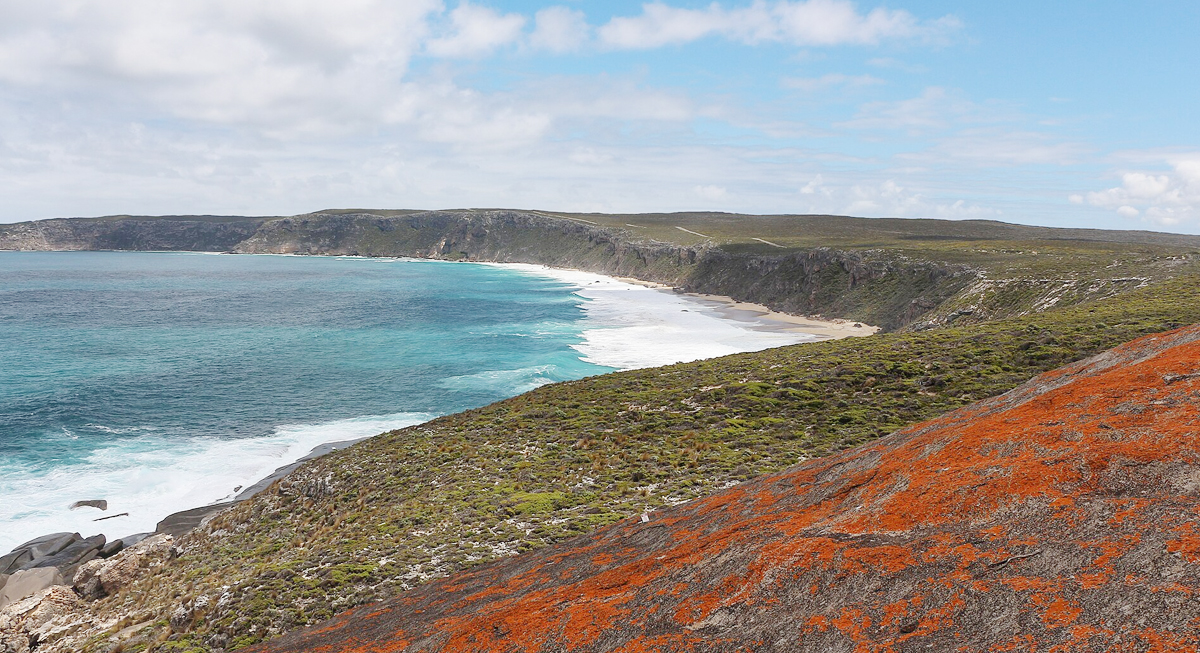
Image via Wikimedia Commons/Bernard Gagnon
While the disease spread across the mainland, Kangaroo Island avoided it. The island hosts the largest known population of koalas free of chlamydia, which makes it one of the most valuable conservation assets in the country.
This did not happen by chance alone. The population descends from about 20 koalas introduced in the 1920s, long before the disease became widespread. That isolation has acted like a barrier, keeping infection out while mainland populations struggled.
At one point, the island’s koala numbers surged to around 50,000. Then the 2019 to 2020 Black Summer bushfires wiped out roughly 80 percent of them, leaving about 10,000 behind. The survivors still represent a rare advantage, but their situation comes with complications.
A Silent Problem Scientists Can’t Ignore
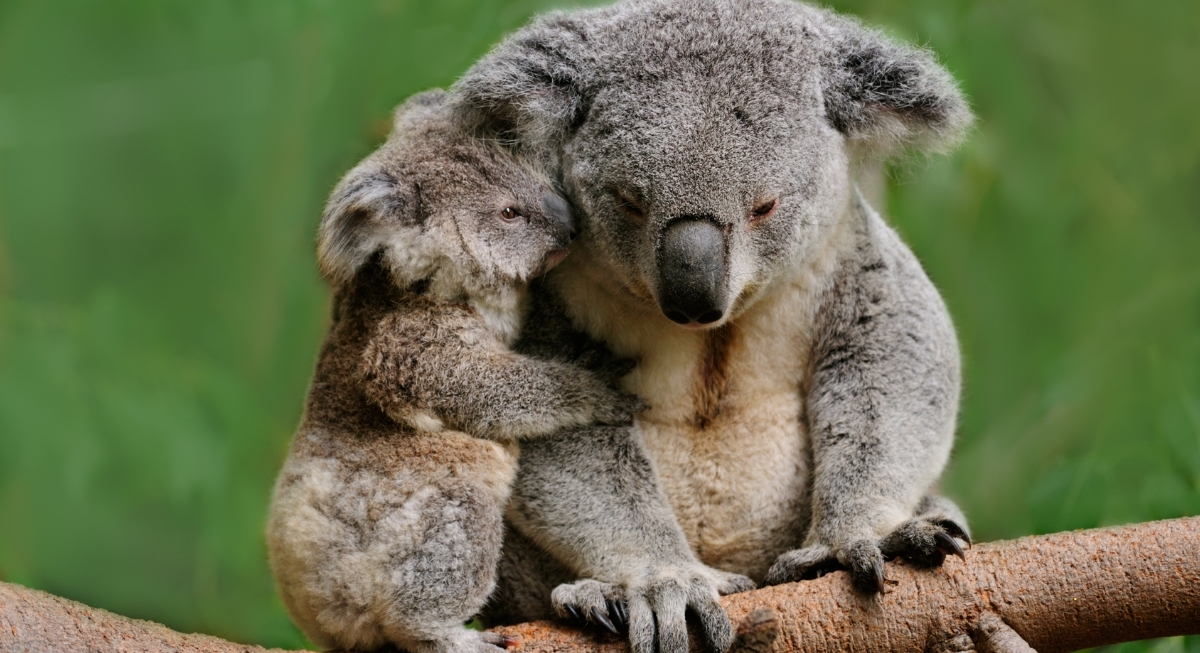
Image via Getty Images/Windzepher
Isolation protected these koalas from disease, but it also limited their gene pool. Over generations, that has led to severe inbreeding. Researchers studying the population have recorded physical abnormalities, including reproductive issues and spinal deformities.
Low genetic diversity creates a fragile system. Scientists describe the risk as an “extinction vortex,” in which inbreeding and random population fluctuations reinforce each other, making recovery harder over time. Even a disease-free population can struggle to survive under those conditions. So saving these koalas is not just about keeping them healthy. It is about making them strong enough to last.
The High-Stakes Rescue Plan
Researchers, including conservation biologist Karen Burke Da Silva and ecologist Julian Beaman, are testing a strategy that has never been attempted at this scale for koalas. The plan combines two ideas that rarely meet in the wild.
First, they will introduce genetically diverse, chlamydia-free male koalas from mainland populations into controlled areas on Kangaroo Island. These animals will breed with local females, gradually improving genetic diversity without exposing the population to disease.
Instead of managing everything in captivity, scientists plan to use fenced forest zones where the animals can interact naturally. DNA testing will track how each new generation develops, helping researchers adjust the approach in real time. If the first phase does not produce enough diversity, additional groups from other mainland populations may be introduced. Every step is being modeled in advance to reduce risk.
Why This One Population Is Important
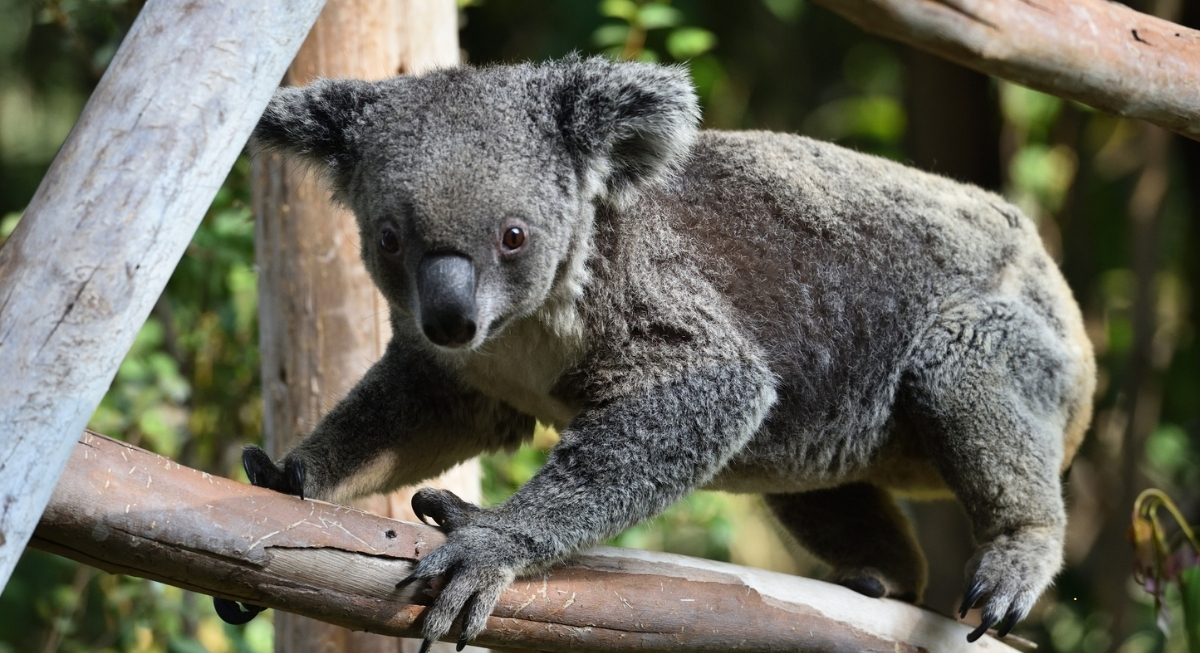
Image via Canva/Aflo Images
The long-term goal reaches far beyond the island. Once scientists establish a population that is both genetically strong and free of chlamydia, those koalas could be introduced into mainland areas where infection rates remain low.
Interest is already building. Authorities in New South Wales, where koala numbers have dropped sharply, are watching closely as the project develops. The work on Kangaroo Island is expected to take years, with early reintroduction efforts targeted around 2027. If it succeeds, it could change how conservation teams handle other species facing similar genetic and disease challenges.