15 “Dupes” for Santorini and Amalfi That Have Zero Crowds
Dreaming of a Mediterranean escape without spending half your time stuck behind tour groups is still a realistic goal. Santorini and the Amalfi Coast set the standard, but their beauty now comes with packed ferries, narrow streets, and constant lines. That trade-off has many travelers looking elsewhere. These quieter alternatives offer the same sea views, layered history, and relaxed pace, without feeling overrun.
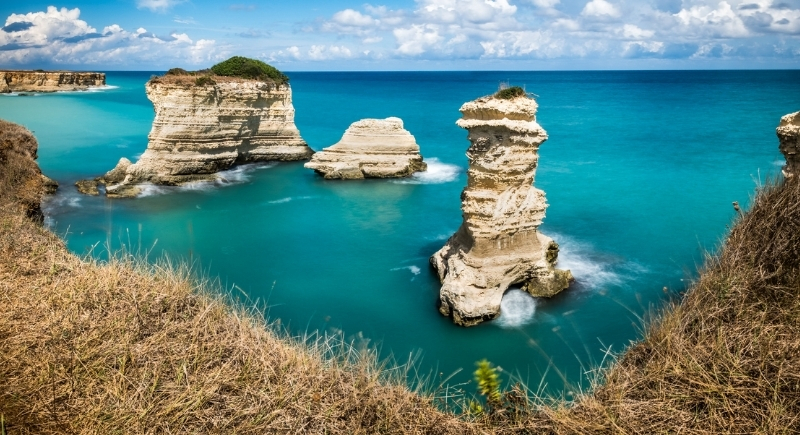
Puglia’s Salento Coast, Italy
Credit: Wikimedia Commons
In Italy’s heel, the Salento Peninsula offers white sand beaches and clear water without Amalfi’s prices or traffic. Towns like Otranto and Gallipoli feel unhurried and lived in. Pescoluse, sometimes referred to as the “Maldives of Italy,” is popular among locals in the summer but remains largely overlooked by international travelers.
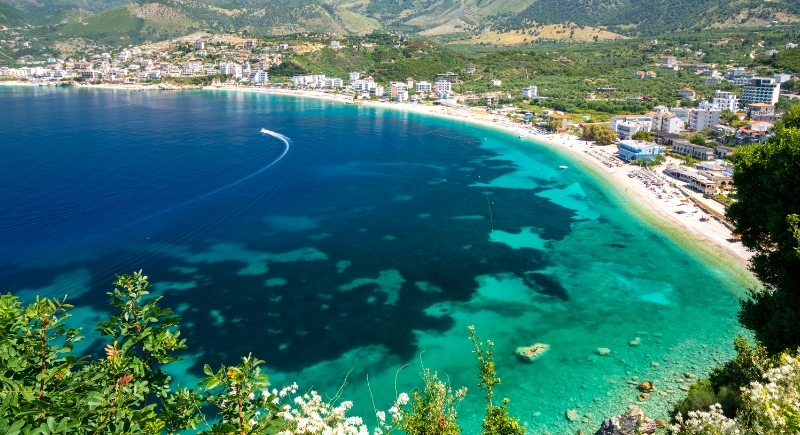
Himarë, Albanian Riviera
Credit: iStockphoto
Located along the Ionian coast, Himarë is lined with low-key beach villages that haven’t turned into resort zones. You’ll find clear turquoise water and tavernas that serve grilled fish straight from the boat. It’s reachable by car from Tirana or by ferry from Corfu. Tourism is rising, but for now, it’s still relaxed and uncrowded.
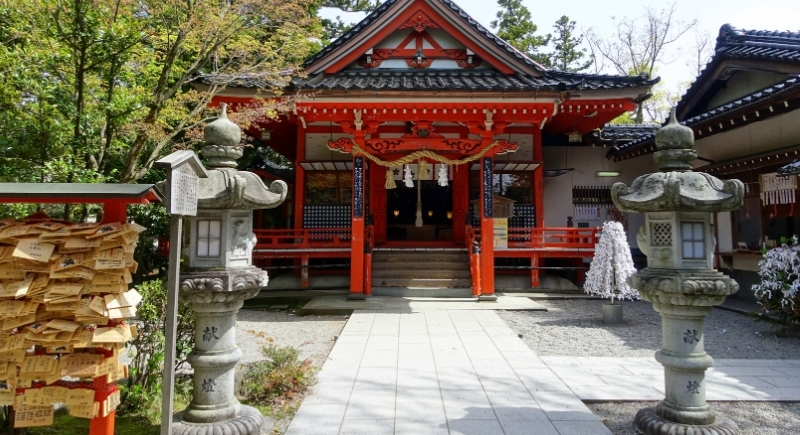
Kanazawa, Japan
Credit: Wikimedia Commons
Travelers drawn to Kyoto’s geisha districts and historic gardens often find Kanazawa just as rewarding, with far less crowd pressure. Samurai and geisha neighborhoods remain intact, while modern museums add contrast without overpowering the past. The city feels functional and lived-in, which makes wandering feel natural instead of choreographed.
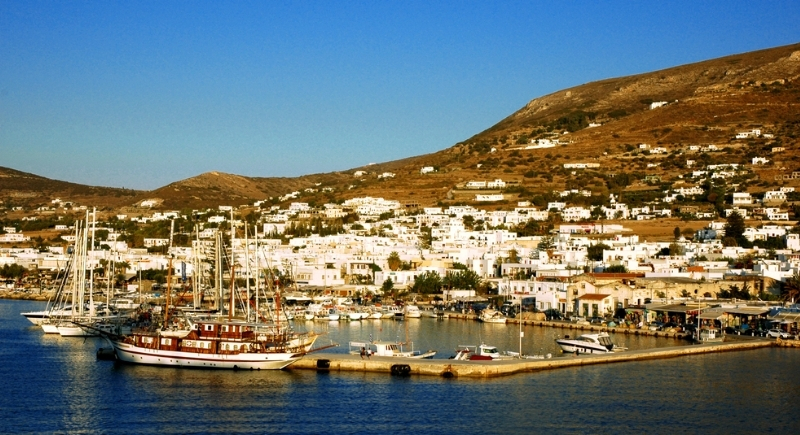
Paros, Greece
Credit: Wikimedia Commons
Paros has the whitewashed villages and blue water people expect from the Cyclades, without Santorini’s cruise crowds. Beaches are spread out, and the pace stays manageable. Naoussa boasts waterfront cafés and an active nightlife scene in the summer. Ferries make short trips to Antiparos easy, where things feel even more low-key.
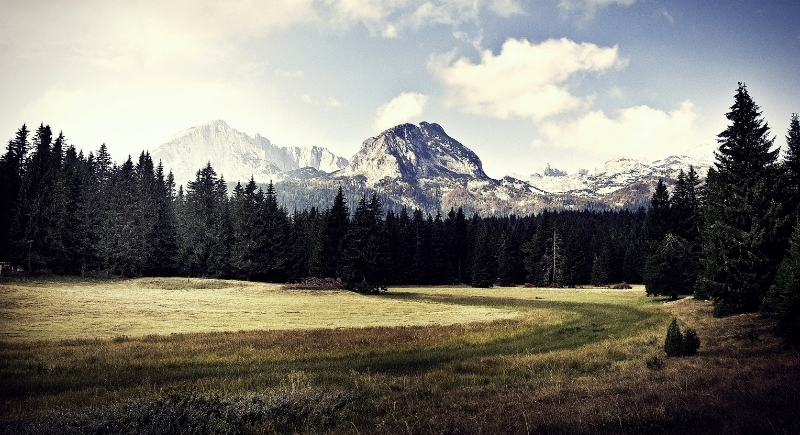
Durmitor National Park, Montenegro
Credit: Wikimedia Commons
If it’s mountain views and crisp air you’re after, Durmitor competes with the Alps, without the crowds or the cost. The Tara River Canyon is one of Europe’s deepest, and hiking trails crisscross pine forests and glacial lakes. It’s a national park, so development is controlled.
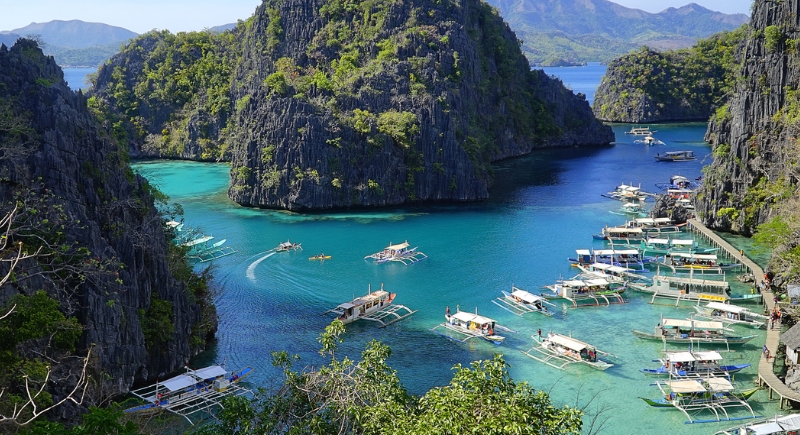
Palawan, Philippines
Credit: Wikimedia Commons
El Nido and Coron in Palawan feature limestone cliffs and clear lagoons that rival the Maldives, but without the five-star markup or gated resorts. Most visitors island-hop by boat or kayak, and accommodations range from rustic eco-lodges to boutique stays. Local culture is visible, not polished away.
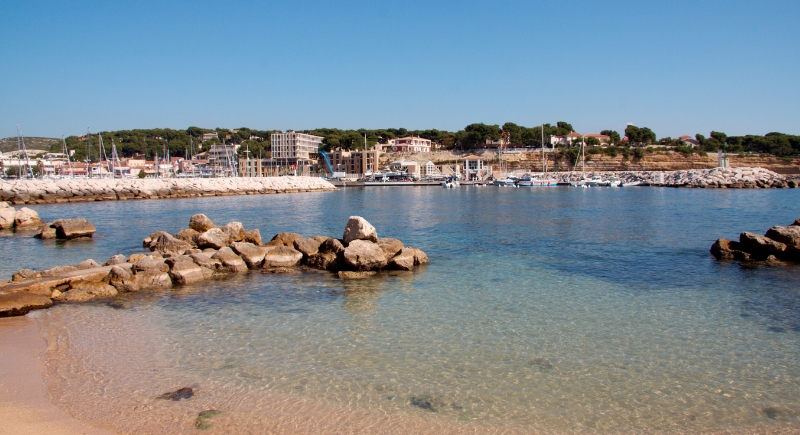
Carry-le-Rouet, France
Credit: Wikimedia Commons
This former fishing village along France’s Côte Bleue is a far cry from Saint-Tropez. There’s no paparazzi, and the beaches are more cove than catwalk. Just west of Marseille, it’s accessible yet stays quiet. Hikers and swimmers come for the calanques, while seafood spots along the marina serve up grilled sardines.
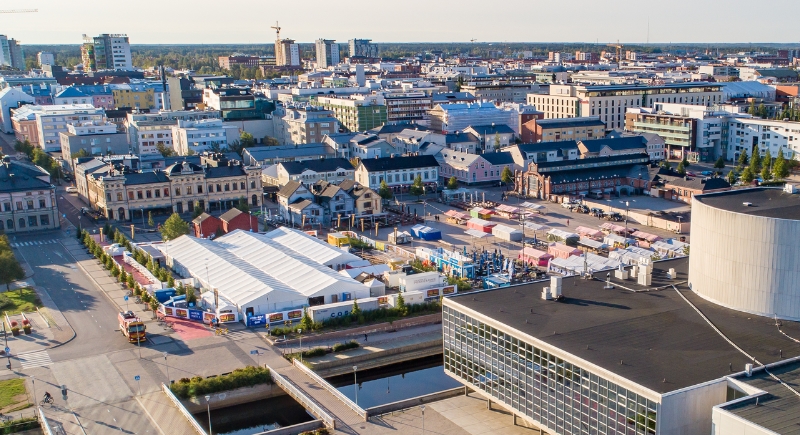
Oulu, Finland
Credit: Wikimedia Commons
In summer, locals bike forested paths and swim along the Baltic coast. In winter, clear nights can bring Northern Lights without Lapland-level visitor numbers. With its designation as a European Capital of Culture for 2026, new museums and events are arriving without changing its calm, everyday feel.
Valencia, Spain
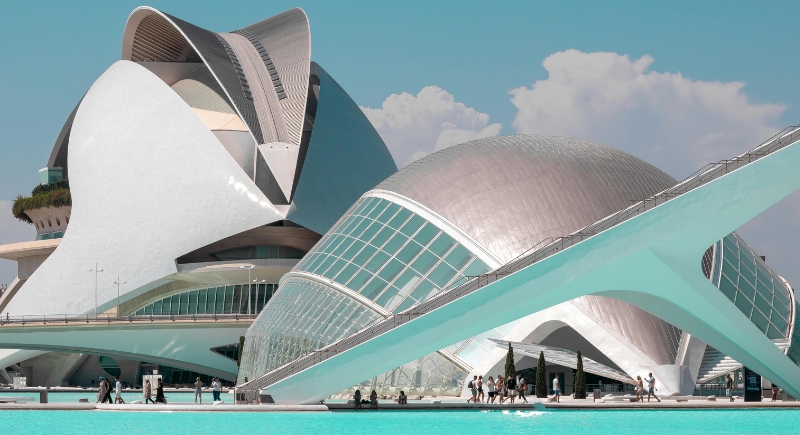
Credit: Wikimedia Commons
The beaches here are wide and rarely crowded, and the city’s Turia Park stretches for miles through the center. There’s Gothic architecture, a sci-fi arts complex, and late-night tapas without elbowing past tour groups. Bonus: this is where paella actually comes from, and yes, it’s better here.
Isla Holbox, Mexico
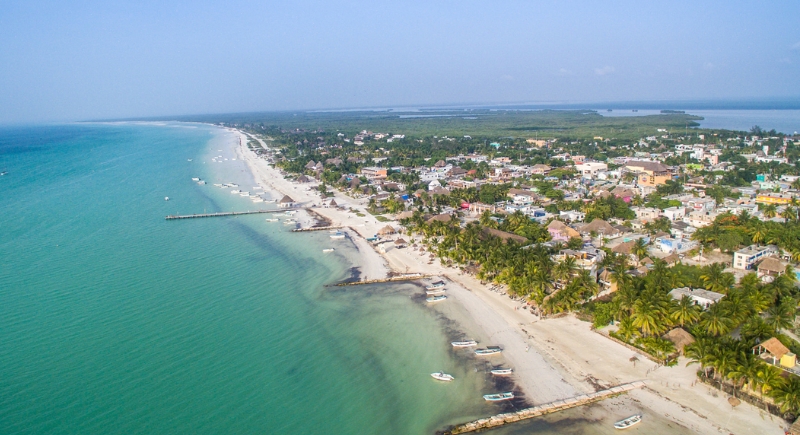
Credit: Wikimedia Commons
Cars aren’t allowed on Holbox, and neither are spring break crowds. Located north of the Yucatán Peninsula, it’s reachable by ferry and better suited to hammocks than nightlife. Flamingos wade through shallow lagoons, and at night the water glows with bioluminescence.