10 Things That Make the Saguenay Fjord North America’s Most Unique Natural Wonder
A fjord in Quebec sounds slightly improbable at first. Most travelers connect these steep coastal landscapes with Norway or New Zealand, not a region a few hours north of Quebec City. That’s part of what makes the Saguenay Fjord memorable. The massive waterway cuts through forested terrain with cliffs, tiny villages, whale habitats, hiking routes, and deep glacial history packed into one stretch of eastern Canada.
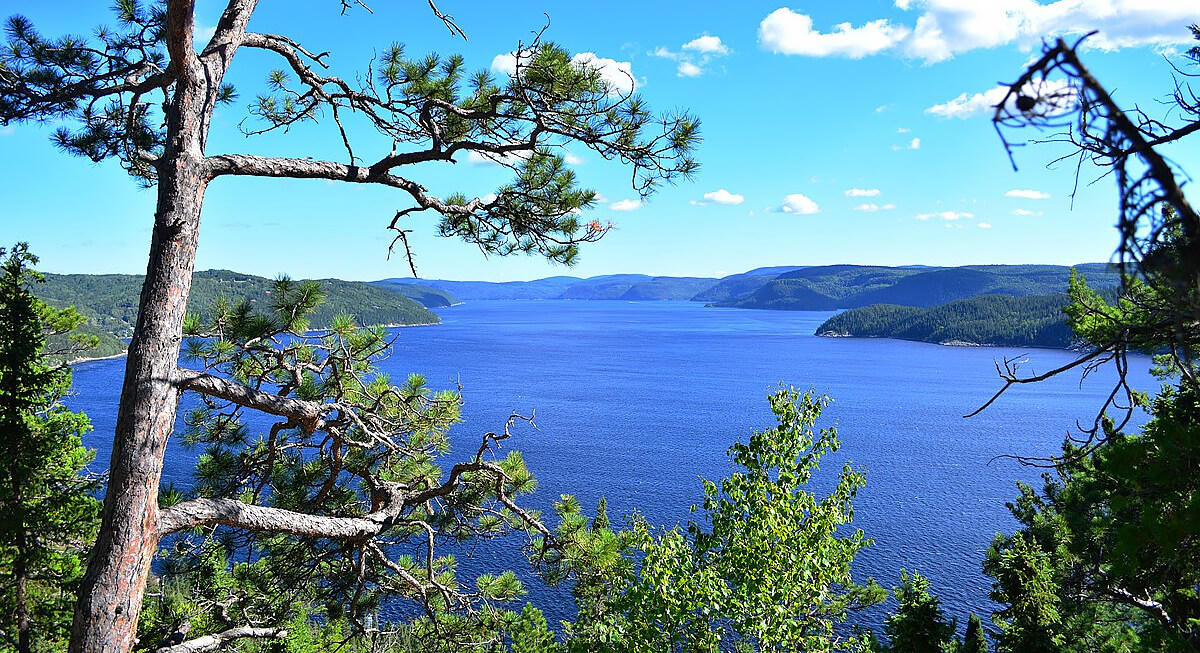
It Is One Of North America’s Most Accessible Fjords
Credit: Wikimedia Commons
Fjords in North America often exist in remote corners of Alaska or Greenland, far from major cities and difficult to reach by boat or plane. The Saguenay Fjord is different. Travelers can follow the waterway deep into communities, parks, and scenic roads that remain easy to reach.
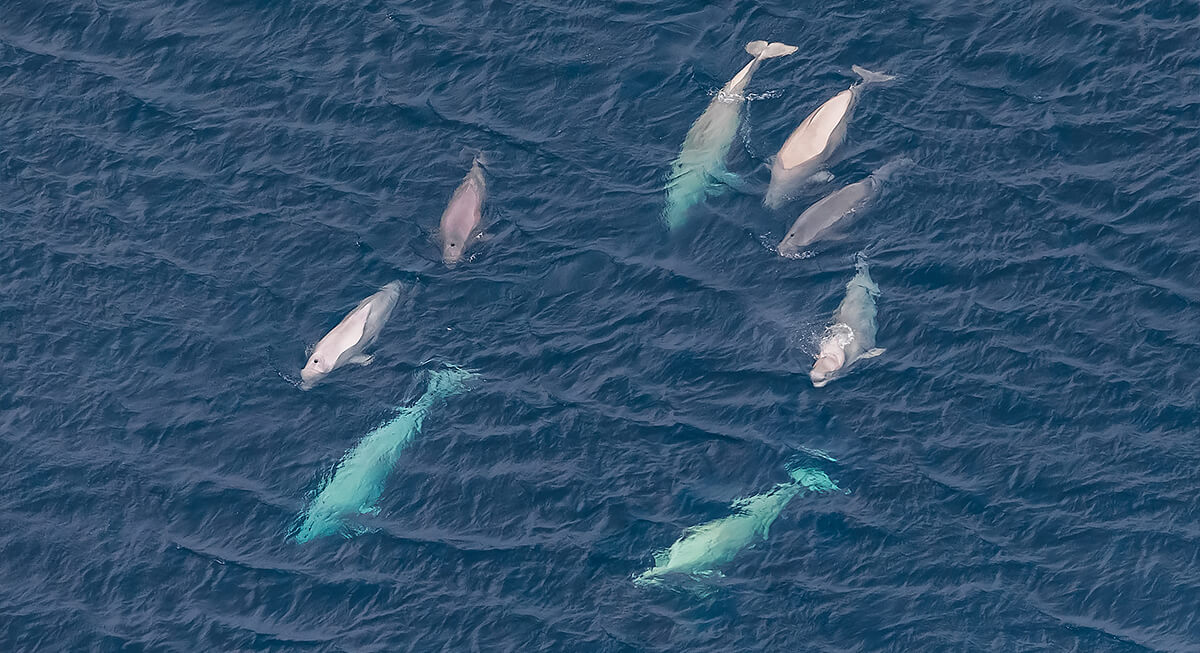
Whales Regularly Swim Into The Fjord
Credit: Wikimedia Commons
Beluga whales have become one of the region’s most recognizable residents. Researchers estimate that the endangered St. Lawrence beluga population numbers only around 900 animals, and many gather near the mouth of the fjord during warmer months. Whale-watching companies operate daily tours, though locals often spot whales directly from coastal roads and observation decks.
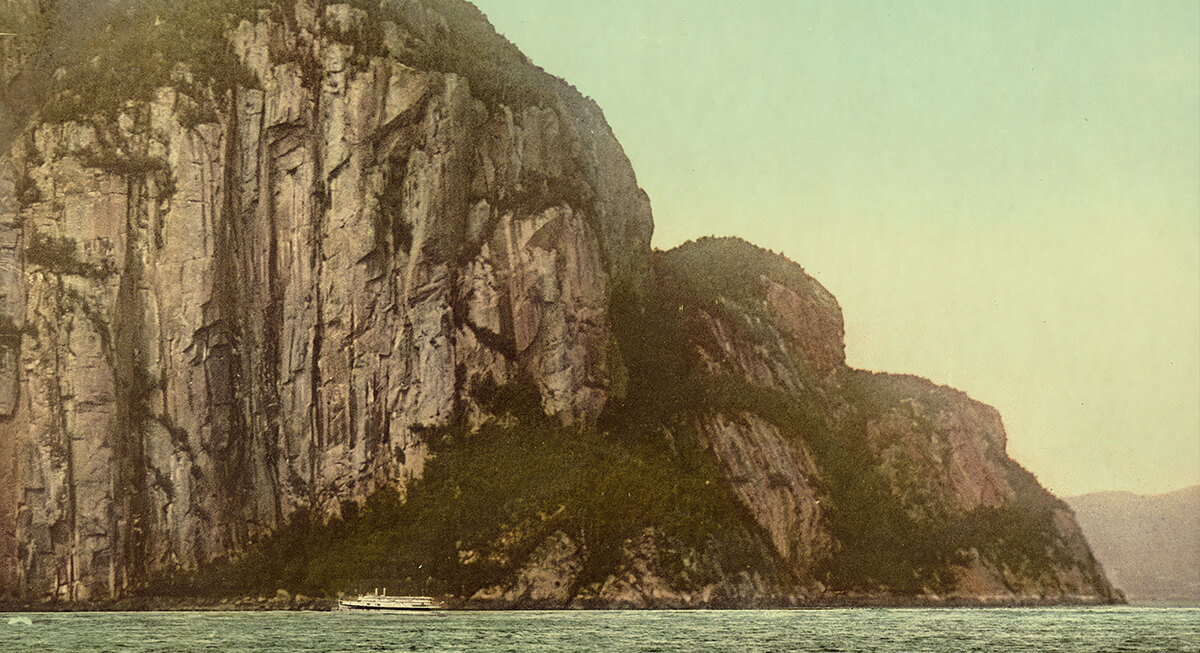
The Cliffs Were Carved By Ancient Glaciers
Credit: Wikimedia Commons
The fjord exists because glaciers spent thousands of years grinding through rock during the last Ice Age. Geologists estimate parts of the channel reach depths of more than 900 feet below sea level. Early French explorers reportedly compared sections of the landscape to massive stone fortresses carved directly into the wilderness.
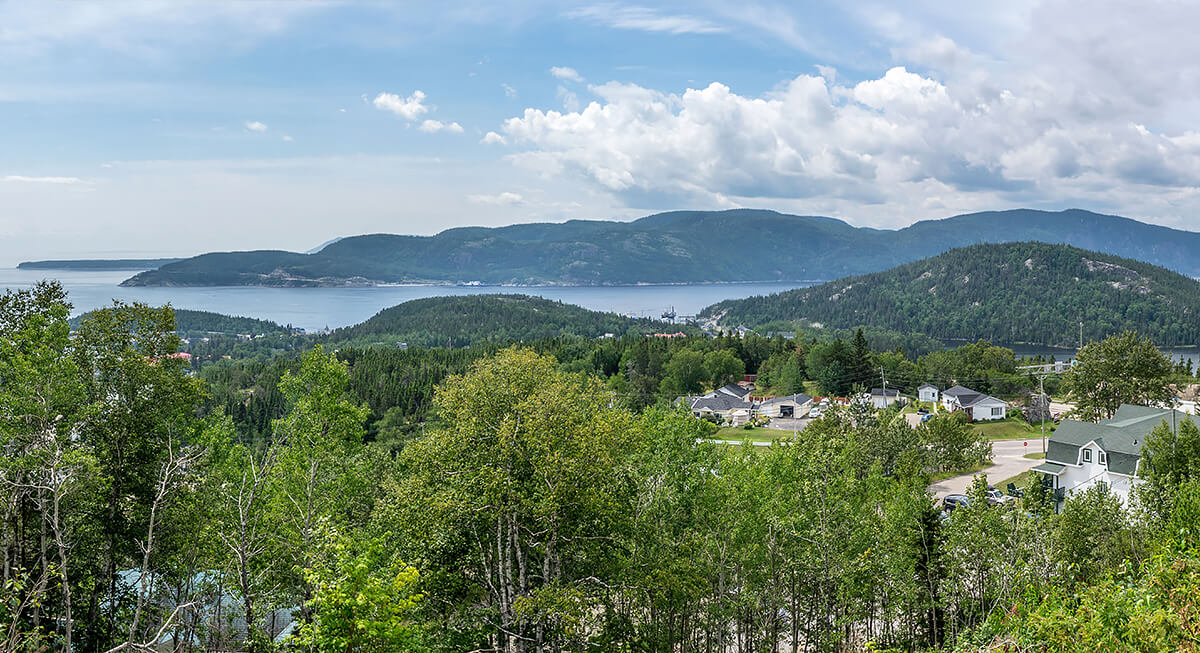
Small Villages Sit Directly Along The Water
Credit: Wikimedia Commons
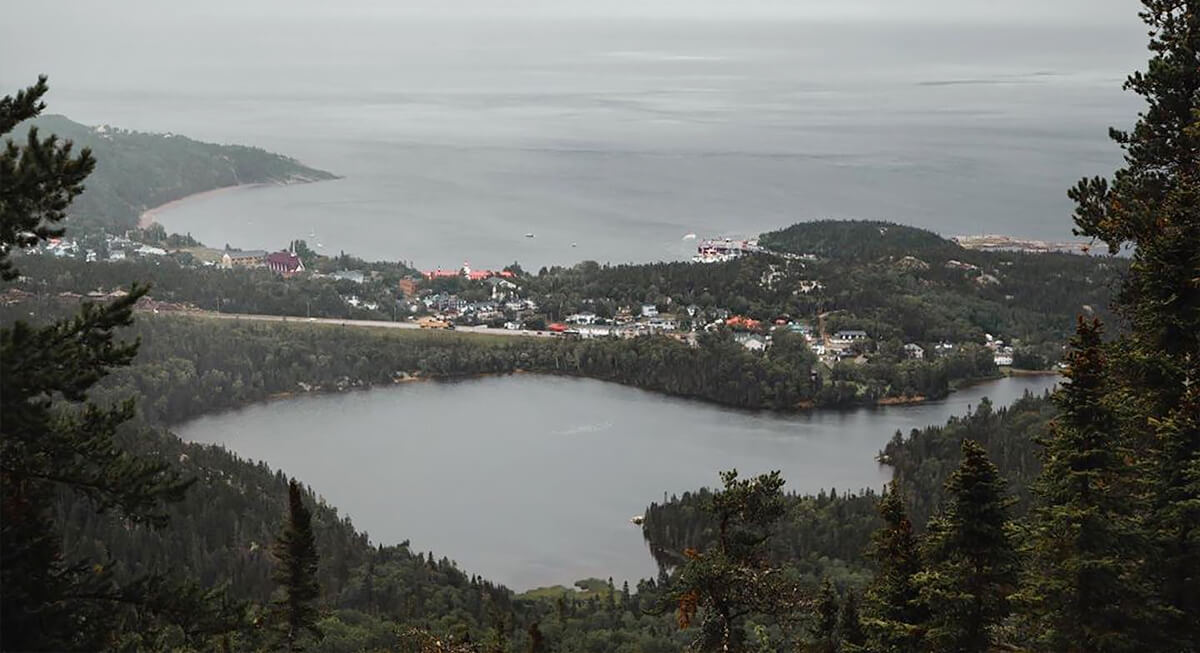
Many fjords around the world feel isolated or inaccessible. The Saguenay Fjord includes communities woven naturally into the landscape. Places like Sainte-Rose-du-Nord and Tadoussac are close to the water with homes and marinas facing the cliffs. Travelers often stay in family-run inns where owners recommend lookout points and local bakeries.
The Fjord-Inspired Legends And Religious Landmarks
Credit: Wikipedia
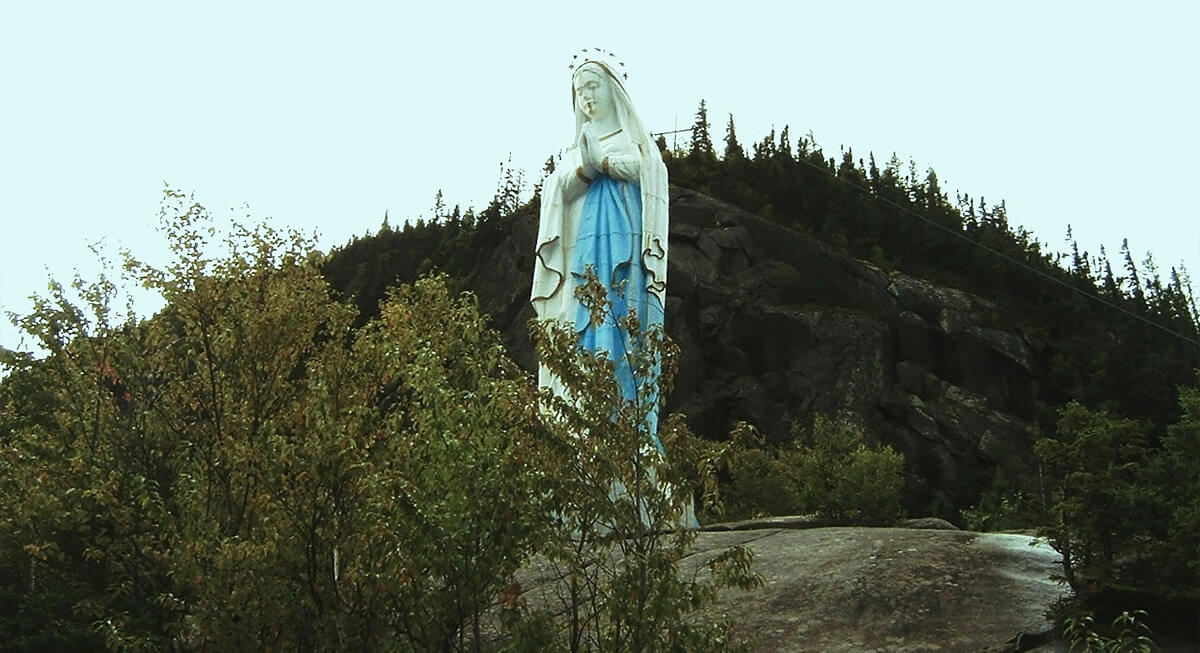
In the late 1800s, local priest Charles-Nazaire Robitaille promised to build a monument after surviving a violent storm during a voyage. Workers hauled the statue pieces up steep terrain by hand before assembling it high above the fjord. The figure still watches over the river today.
Hiking Trails Run Along The Edge Of The Fjord
Credit: pexels
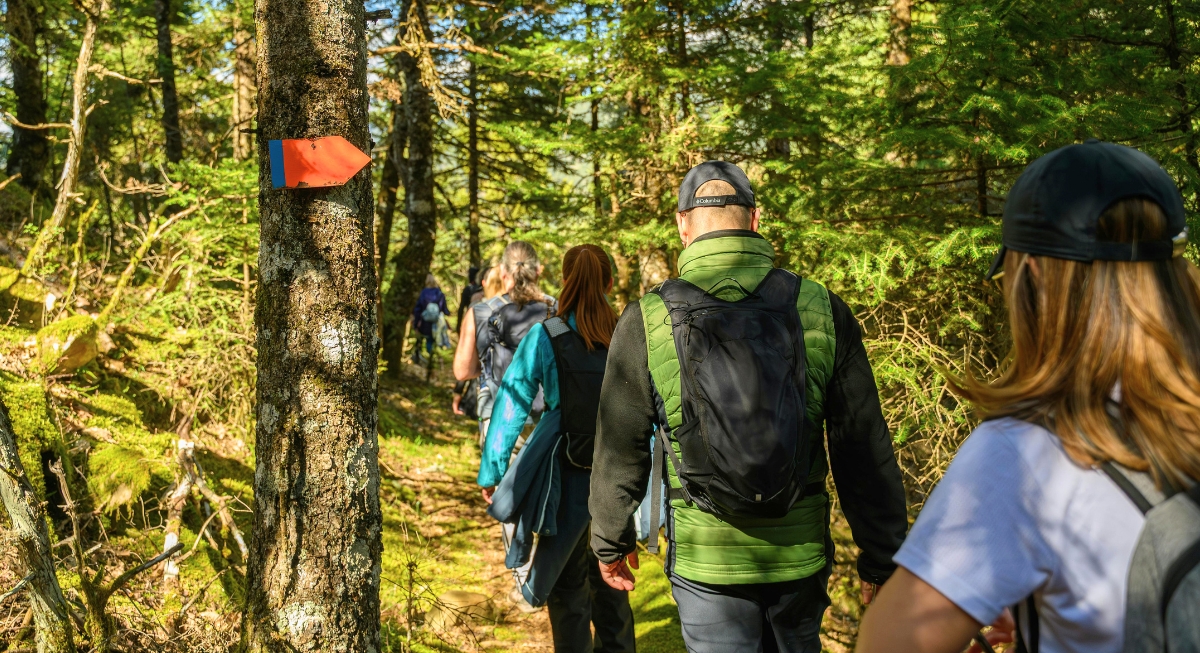
The Sentier Le Fjord trail covers more than 25 miles through Parc National du Fjord-du-Saguenay. Hikers tackle sections of it over several days. One popular route leads to the Notre-Dame-du-Saguenay statue, a white Virgin Mary monument installed in 1881.
The Fjord Has A Surprisingly Active Adventure Scene
Credit: Instagram
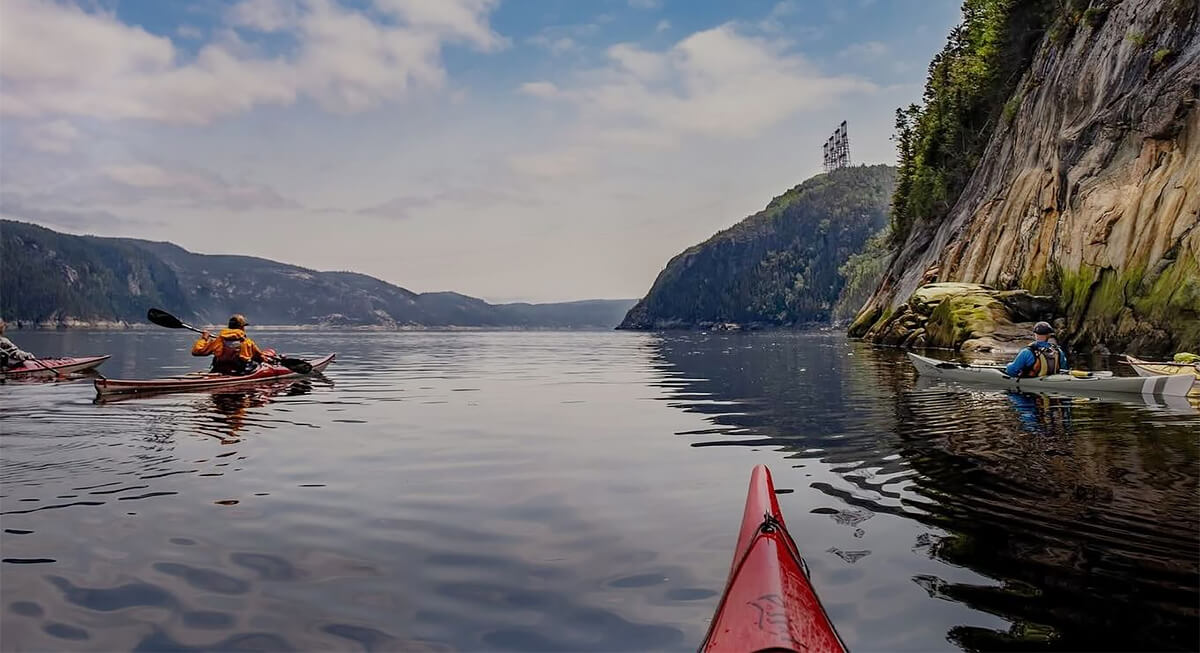
Kayaking is one of the region’s signature activities because the water often stays calm enough for guided trips close to shore. Outfitters regularly take visitors via ferrata climbing routes bolted directly into the cliffs. Parc Aventures Cap Jaseux added suspended treehouse spheres that hang above the forest canopy.
It Changes Dramatically Across The Seasons
Credit: Instagram
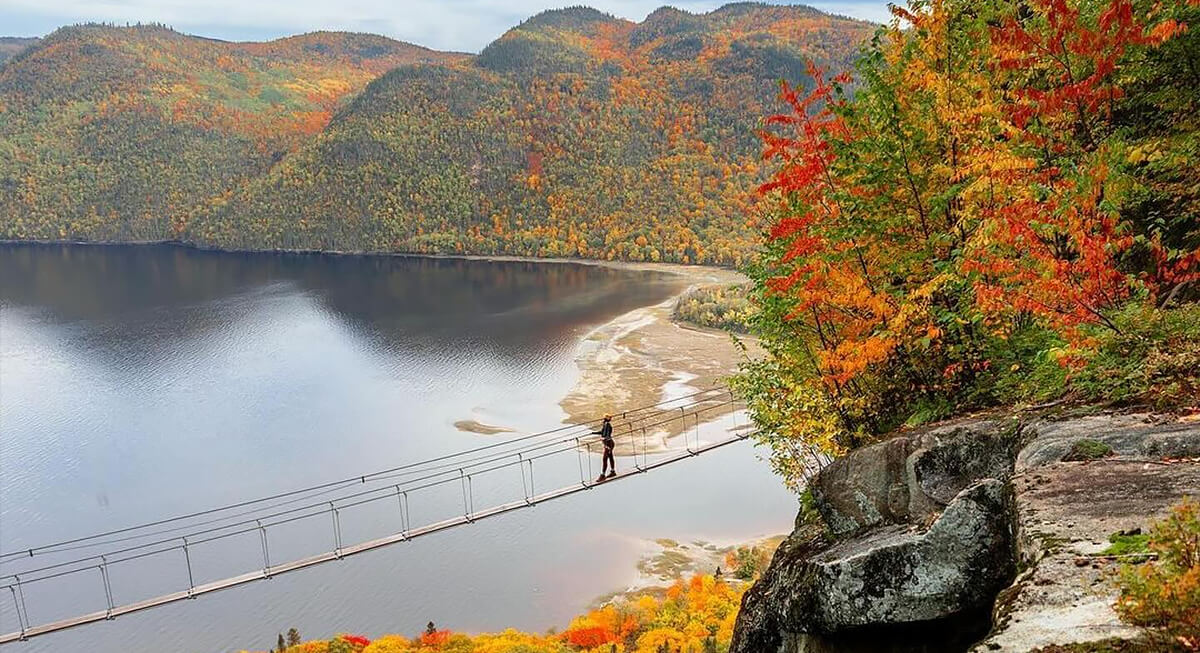
Autumn is the fjord’s busiest photography season for one reason: the cliffs become layered with dense red, yellow, and orange forests that reflect directly onto the river. Winter brings ice formations along the shoreline and snow piles on the cliffs. Spring arrives slowly, though fog rolling through the valley gives the landscape a different personality.
The Region Balances Wilderness And Accessibility
Credit: Instagram
Travelers can leave Quebec City in the morning and reach the fjord region later that afternoon without complicated transfers or long stretches of isolated highway. Roads connect many of the major viewpoints and hiking areas, while restaurants and gas stations appear regularly. This convenience changed tourism in the region during the 20th century.
Sugar Shack Traditions Still Draw Crowds In Spring

Credit: Wikimedia Commons
Maple syrup season remains a major cultural tradition across Quebec, including parts of the Saguenay–Lac-Saint-Jean region. During late winter and early spring, sugar shacks fill with families gathering for fresh maple taffy and live music. Some regional inns and lodges even organize seasonal sugar shack experiences for curious visitors.