These Cities Are Safer Than Most Countries Today
City safety used to be judged by reputation. Today, it’s measured through how reliably a city functions. Emergency response times, healthcare access, public transport performance, and infrastructure quality are all part of safety. The cities that rank highest show consistent results across these areas. This list focuses on places where those systems work in practice.
Tokyo
Credit: Wikimedia Commons
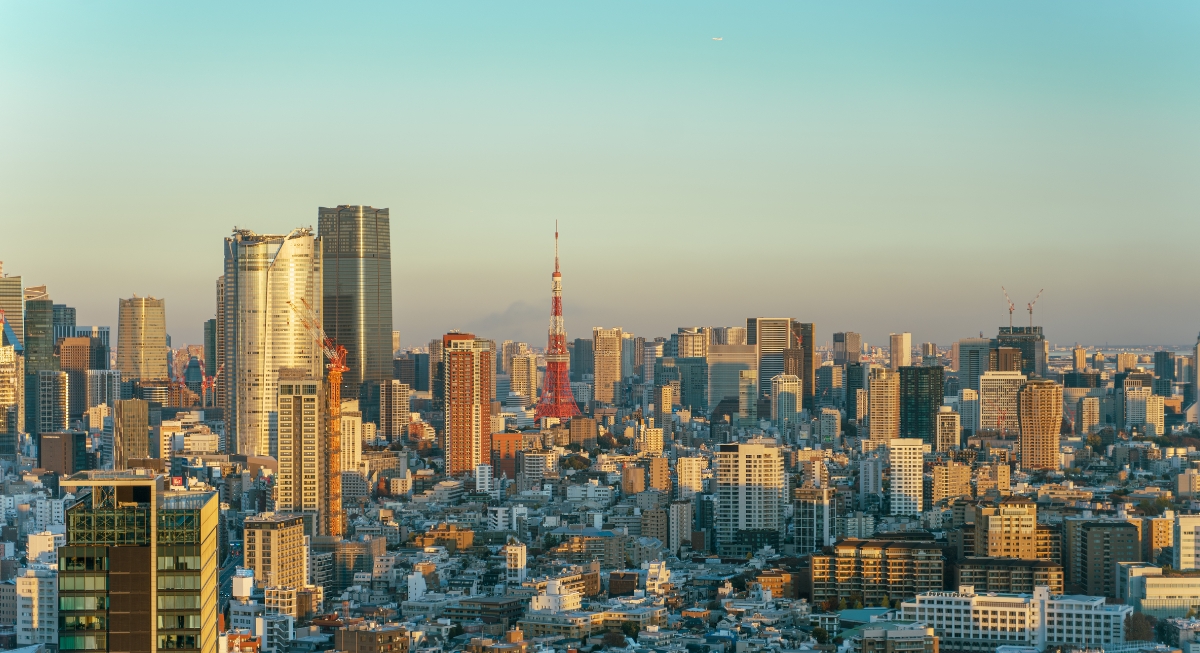
About 37 million people live in the Tokyo metropolitan area, but the city is remarkably orderly. Tokyo topped the Economist Intelligence Unit’s Safe Cities Index in 2015, 2017, and 2019. Its crime rate remains low despite the density. Overall, urban management keeps daily life flowing without chaos.
Singapore
Credit: pexels
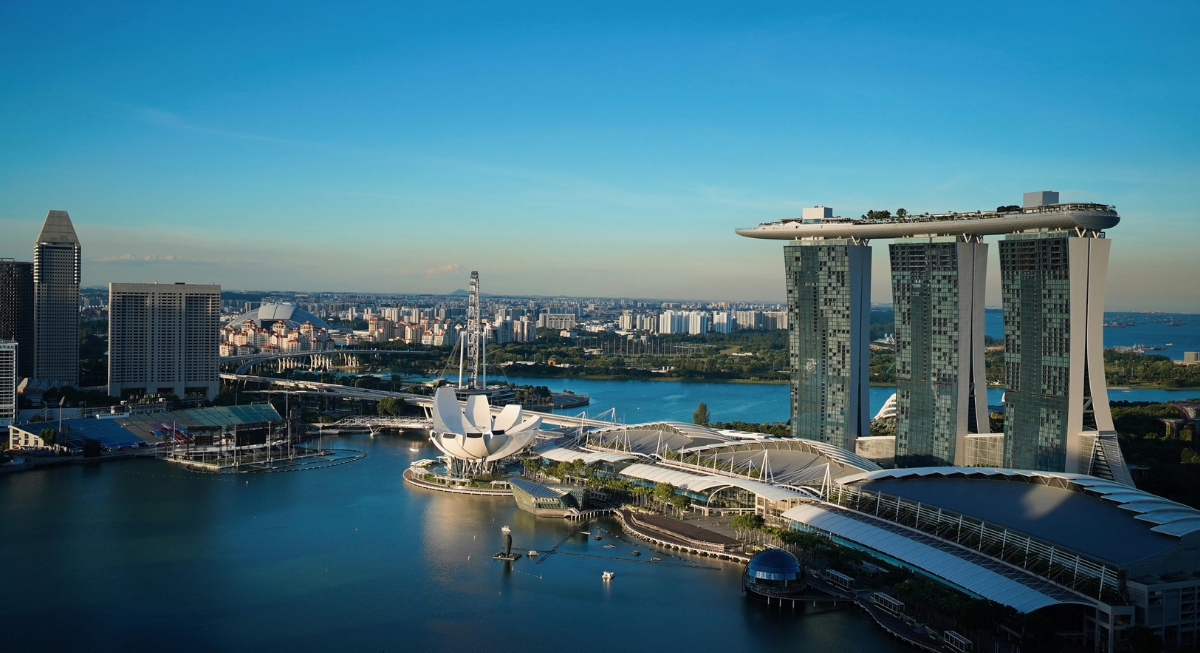
Singapore’s streets are safe, even at midnight. Strict laws and consistent enforcement shape this environment, but rules alone aren’t the whole story. Efficient public services, well-maintained infrastructure, and organized neighborhoods contribute to safety.
Osaka
Credit: Wikimedia Commons
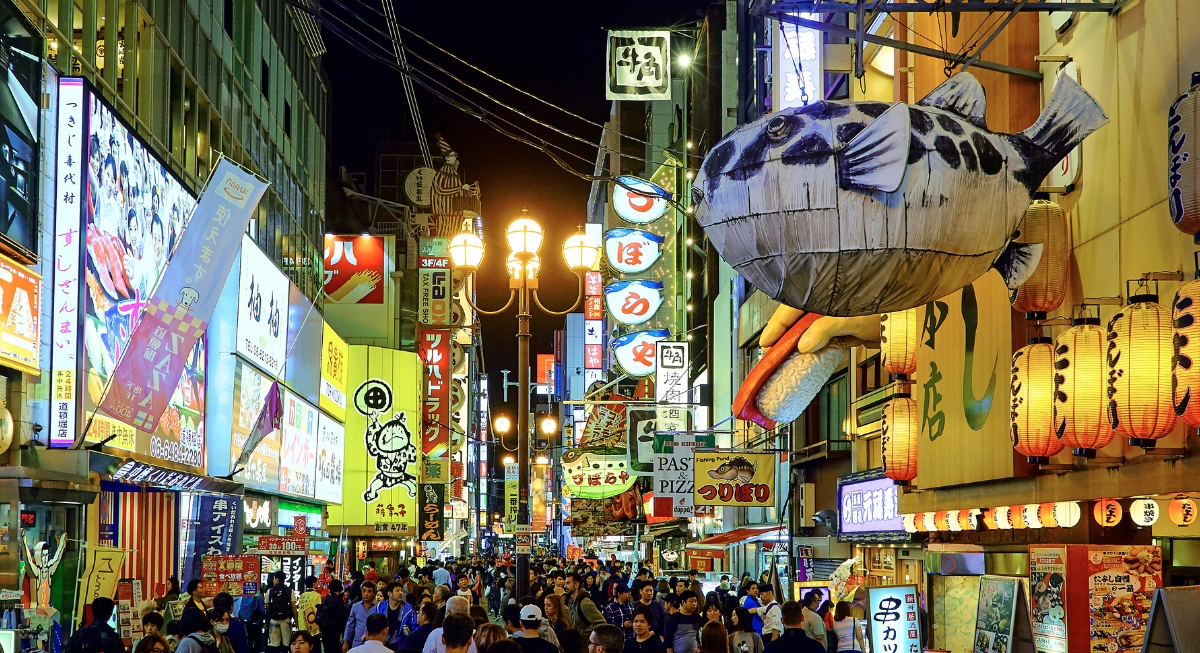
Osaka consistently appears near the top of international safety rankings. Trains arrive here exactly when expected, and the emergency response remains efficient. Those routines help maintain strong public confidence across one of Japan’s busiest urban regions.
Amsterdam
Credit: Wikimedia Commons
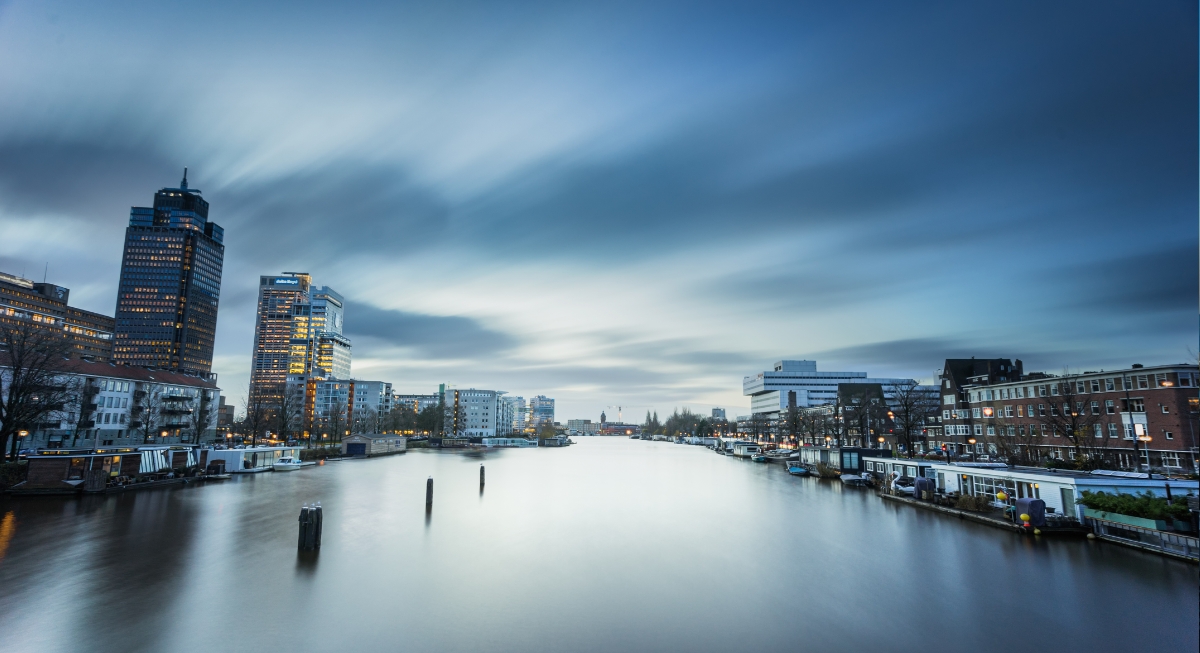
In Amsterdam, cyclists use dedicated lanes across the city, and pedestrian areas are clearly separated from traffic. Public transport runs reliably, and essential services such as healthcare and emergency response are consistent. High public trust supports the city’s functioning for both residents and visitors.
Sydney
Credit: pexels
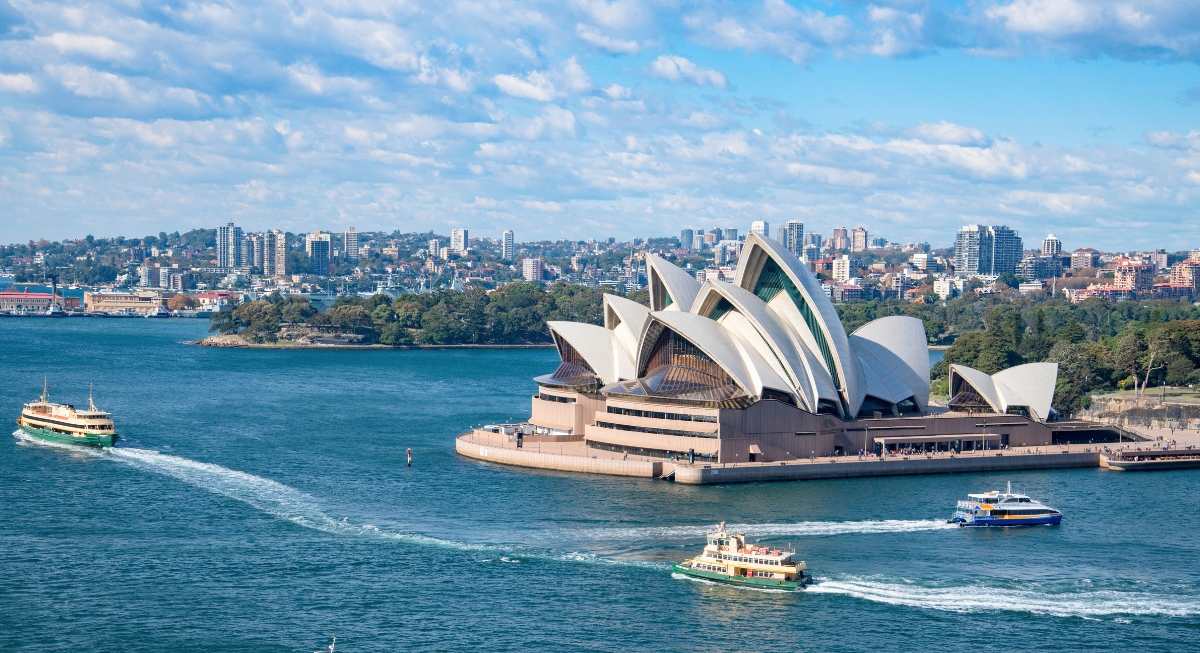
Sunlit harbors and busy waterfront neighborhoods make Sydney look carefree. The city’s safety comes from solid systems behind the scenes. It has a strong healthcare system, and its urban planning keeps neighborhoods organized.
Toronto
Credit: Wikimedia Commons
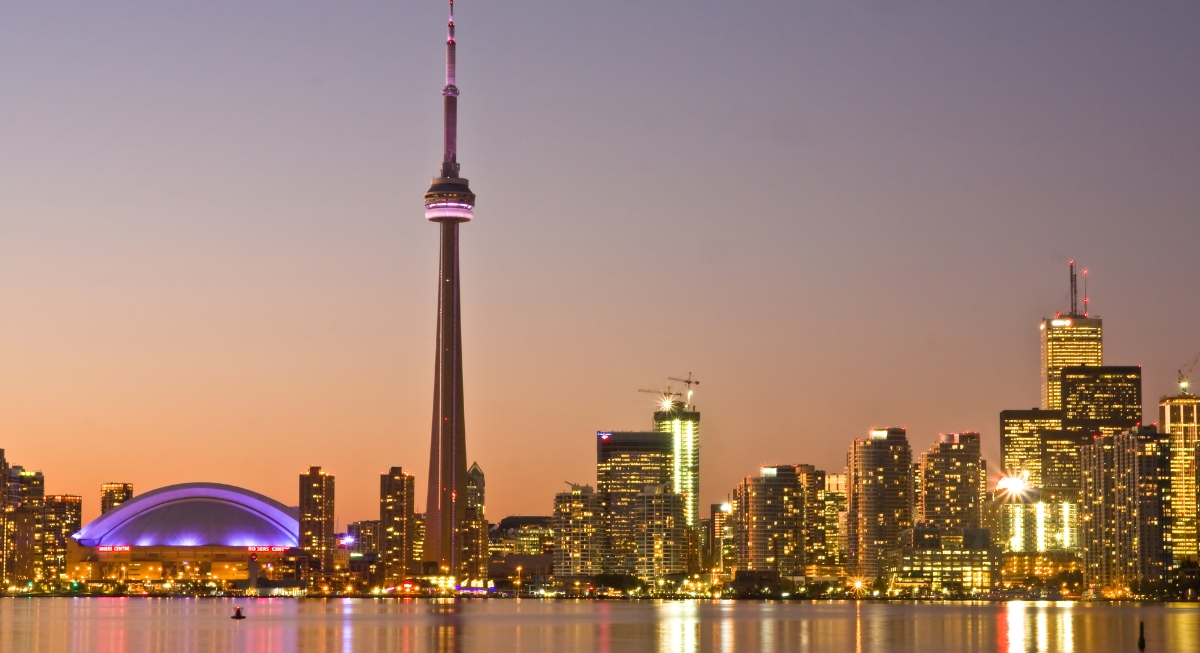
Toronto has reached the top of global safety rankings by performing consistently across several areas. We’re talking about strong scores from the Safe Cities Index in health security, digital protection, infrastructure, and personal safety. This creates a stable environment for millions living in Canada’s largest city.
Abu Dhabi
Credit: pexels
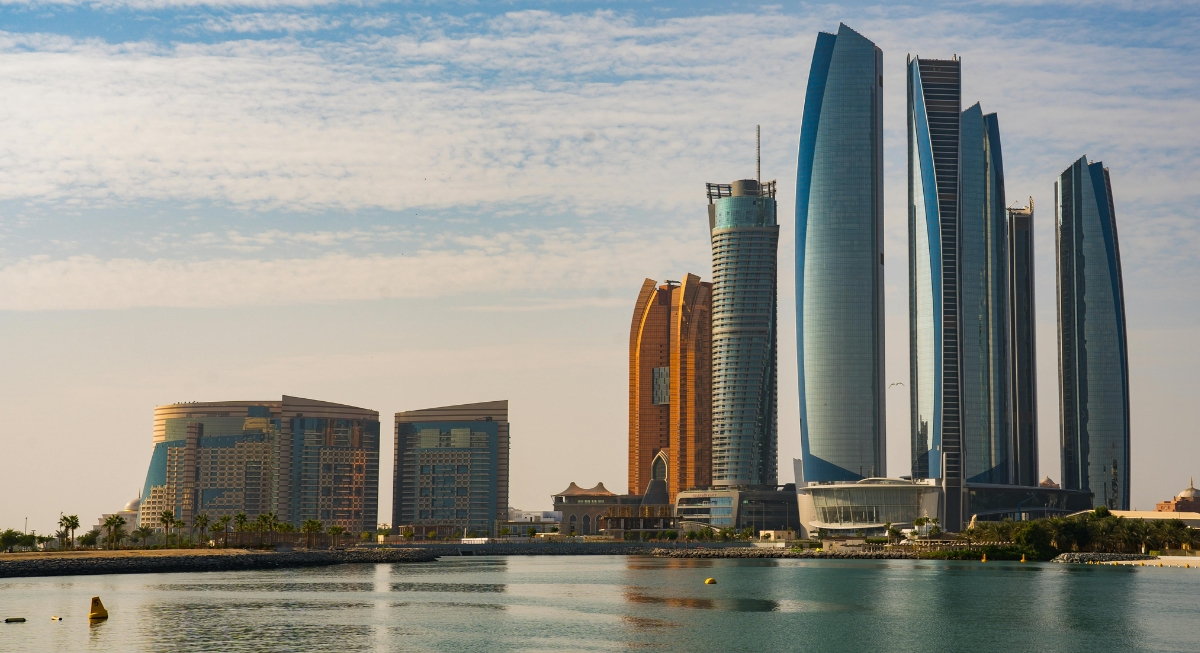
Wealth from the United Arab Emirates’ oil economy funds modern infrastructure and well-maintained urban spaces. It’s why Abu Dhabi regularly appears near the top of international crime and safety rankings, supported by extremely low reported crime rates. The city’s residents often describe everyday life as calm and remarkably secure.
Copenhagen
Credit: Wikimedia Commons
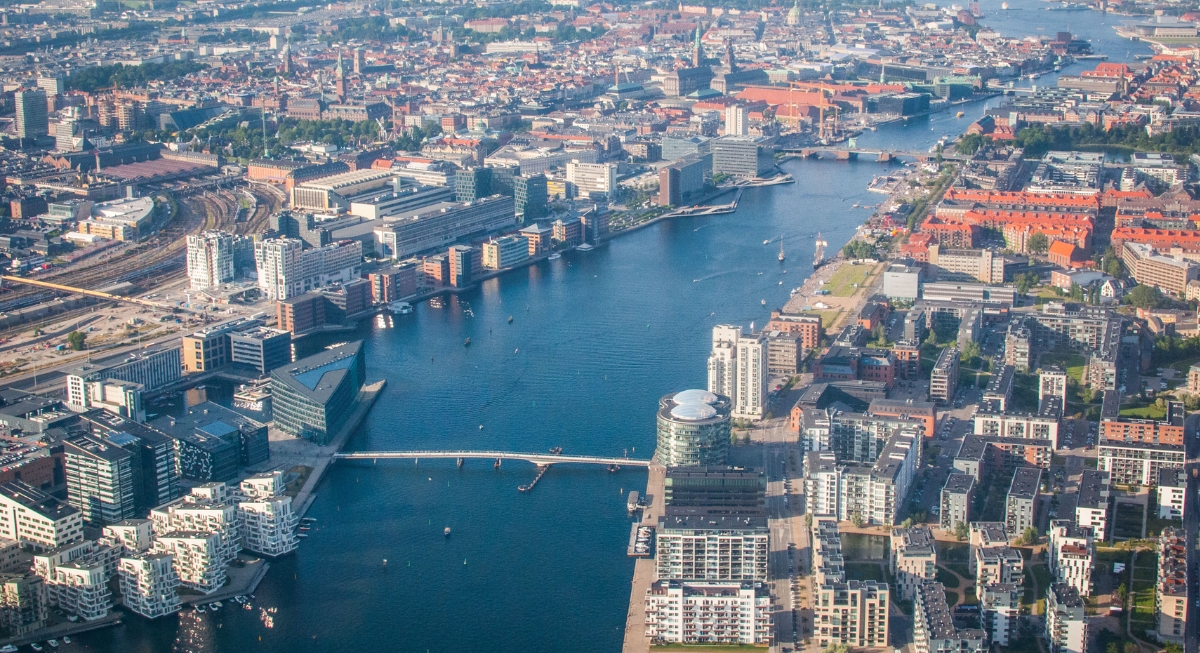
Copenhagen approaches safety differently from many global cities. Instead of heavy enforcement, the Danish capital designs streets and public spaces to encourage safe movement. Walkable neighborhoods and extensive cycling routes help residents move safely through daily routines across the city.
Seoul
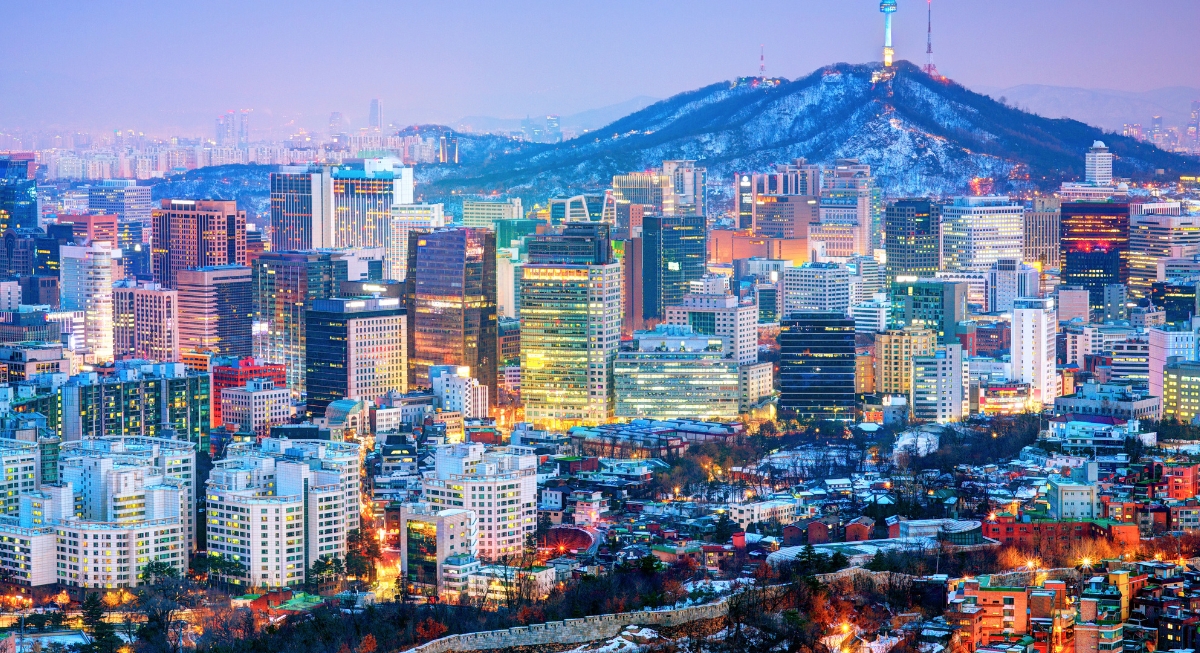
Credit: Getty Images
Seoul never sleeps, but the city manages that energy through advanced infrastructure. Its smart surveillance systems and integrated emergency networks help authorities monitor public spaces and respond quickly to incidents. Efficient healthcare and transportation systems also support the city’s stability.
Melbourne
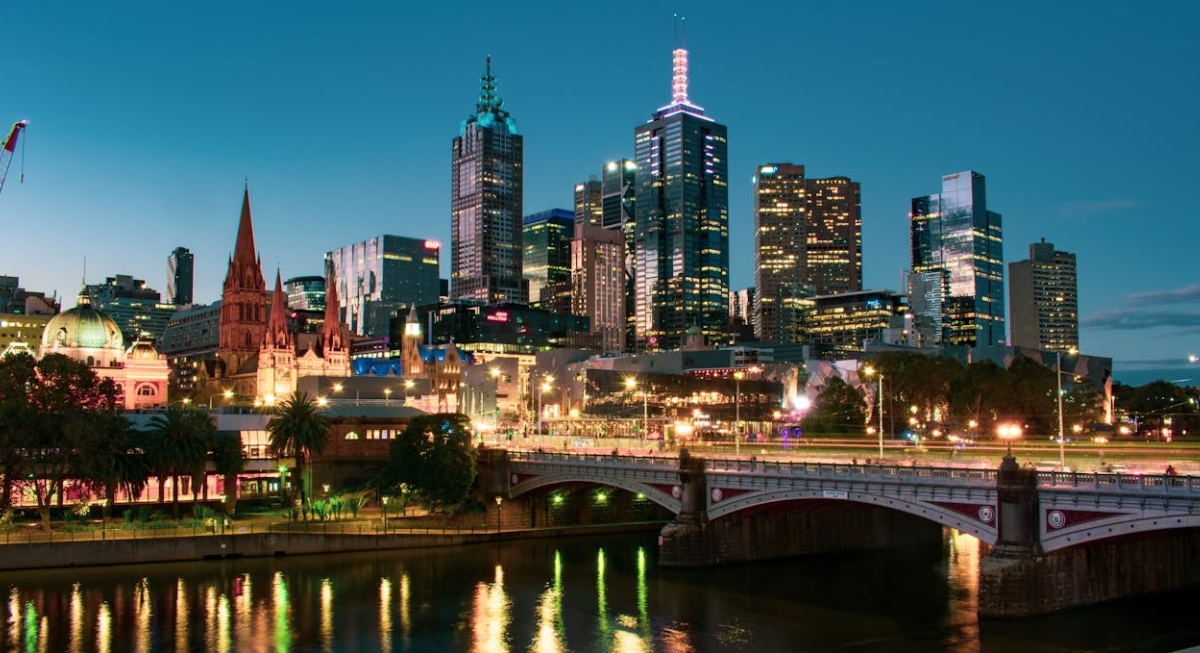
Credit: pexels
Melbourne frequently ranks among the world’s most livable cities, and that reputation also reflects strong safety foundations. Long-term urban planning focuses on accessible healthcare and well-designed public spaces. For residents, services work reliably when needed.