10 Sustainable Strategic Advantages of the Returnable Glass Bottling Model
Forget the era of disposable plastic. The classic “buy, return, refill” loop is staging a massive comeback amid new pressures on global supply chains. This resurgence delivers a functional solution for modern waste. When glass stays within local networks, the system thrives. It tackles the stubborn environmental hurdles that single-use packaging ignores.
A Closed-Loop System That Stays Controlled
Credit: pexels
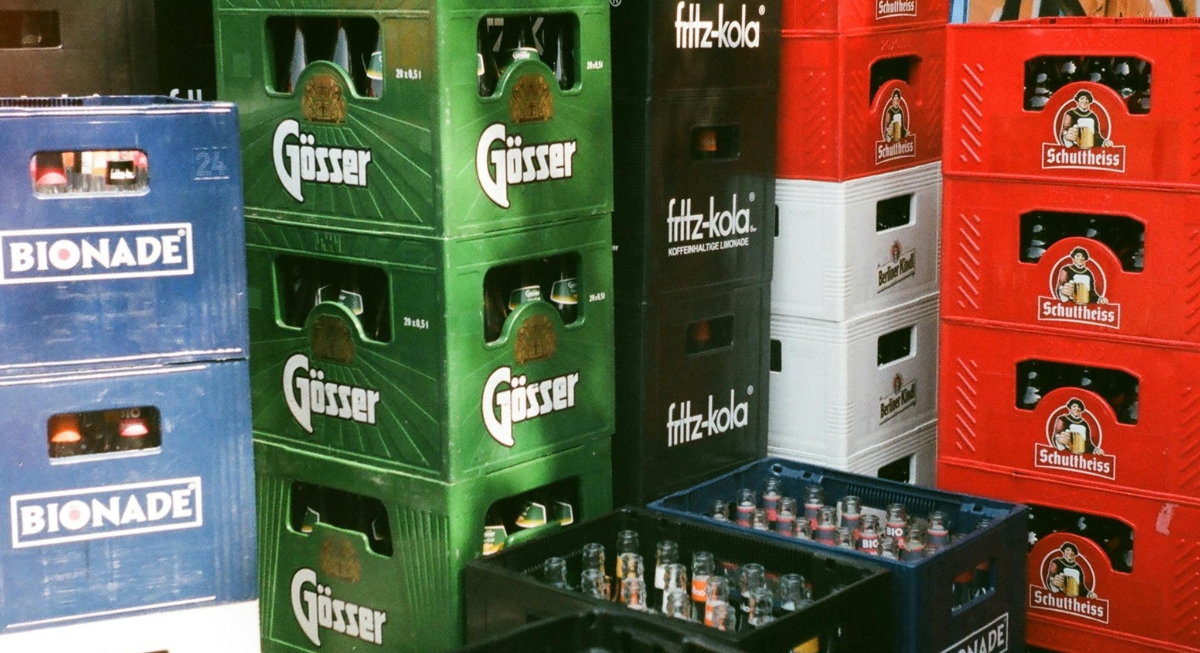
High return rates depend on a single factor: convenience. When stores manage deposits correctly, bottles avoid the recycling void and return to the shelf. This direct loop keeps materials out of messy waste streams. Successful programs often see participation climb past 80%. While good intentions matter, the system only thrives if the process is effortless for everyone involved.
Cost Efficiency That Improves With Reuse
Credit: Getty Images
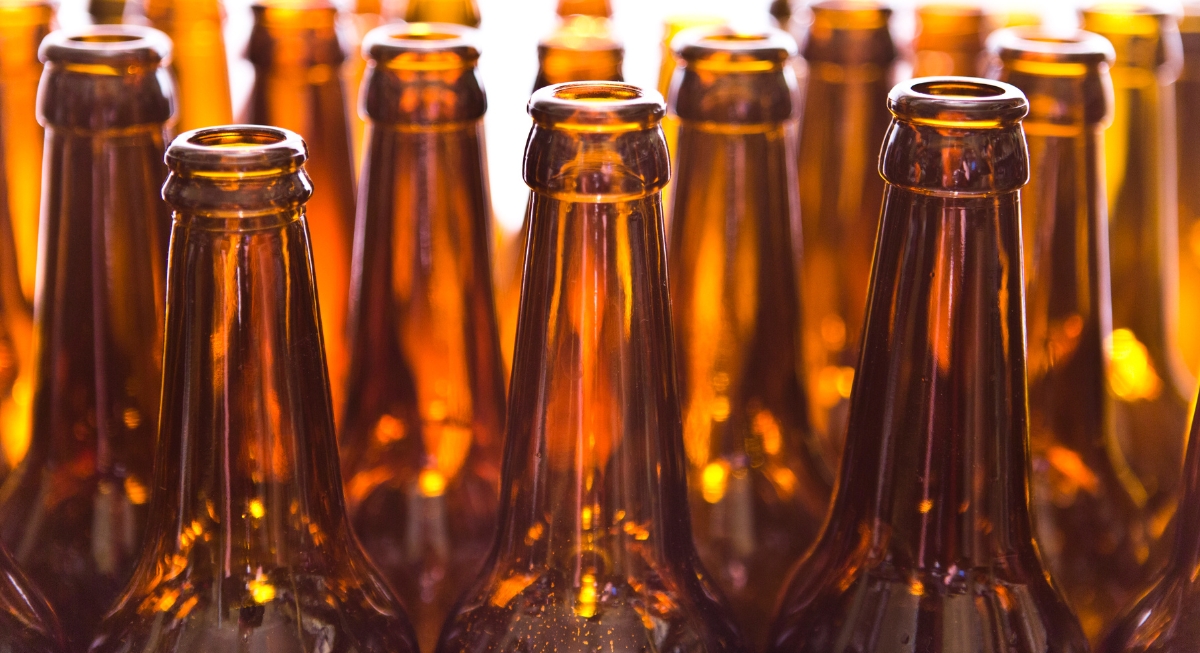
The initial price of glass might be shocking, but the long-term math tells a different story. A single bottle can survive dozens of refill cycles. This durability spreads the upfront cost across years of service. Tight discipline remains essential to effectively manage breakage and transport fees. When these logistics are carefully maintained, packaging expenses stabilize. Companies then avoid the wild price swings usually triggered by volatile raw-material markets.
Customer Habits That Reinforce Repeat Business
Credit: pexels
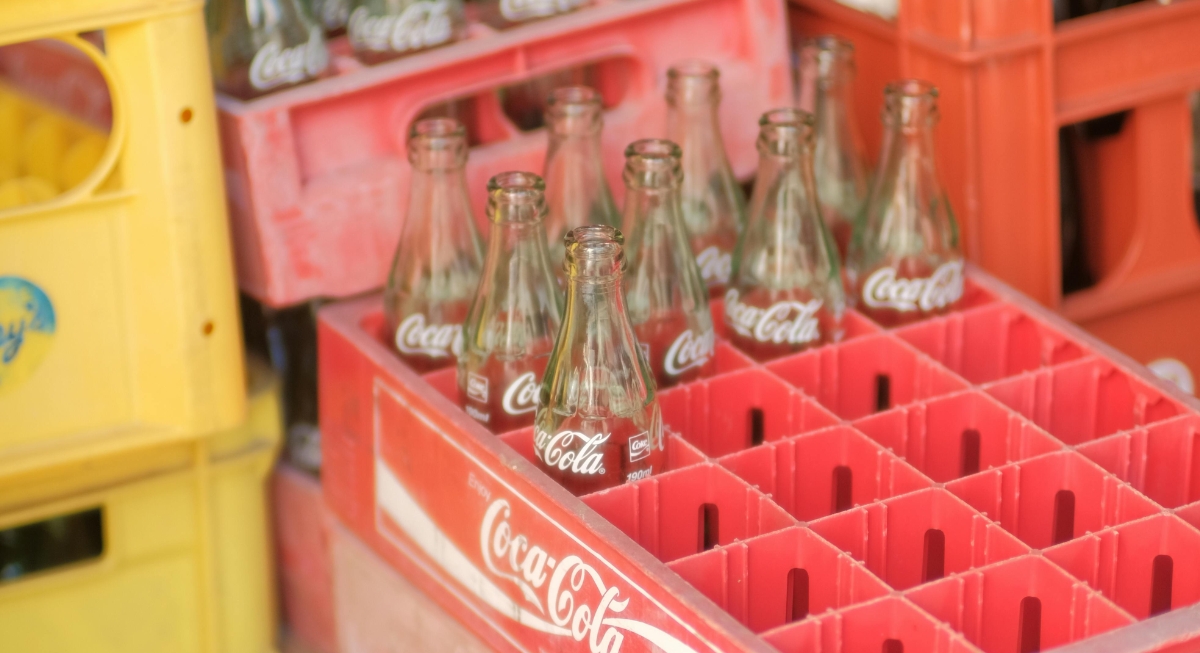
Because customers have already paid for those deposits, returning the cases becomes automatic. This routine often prompts a new purchase on the same trip, benefiting local producers, too. It also builds long-term loyalty without the need for flashy marketing or constant promotions.
Reliable Flavor Protection Without Extra Layers
Credit: iStockphoto
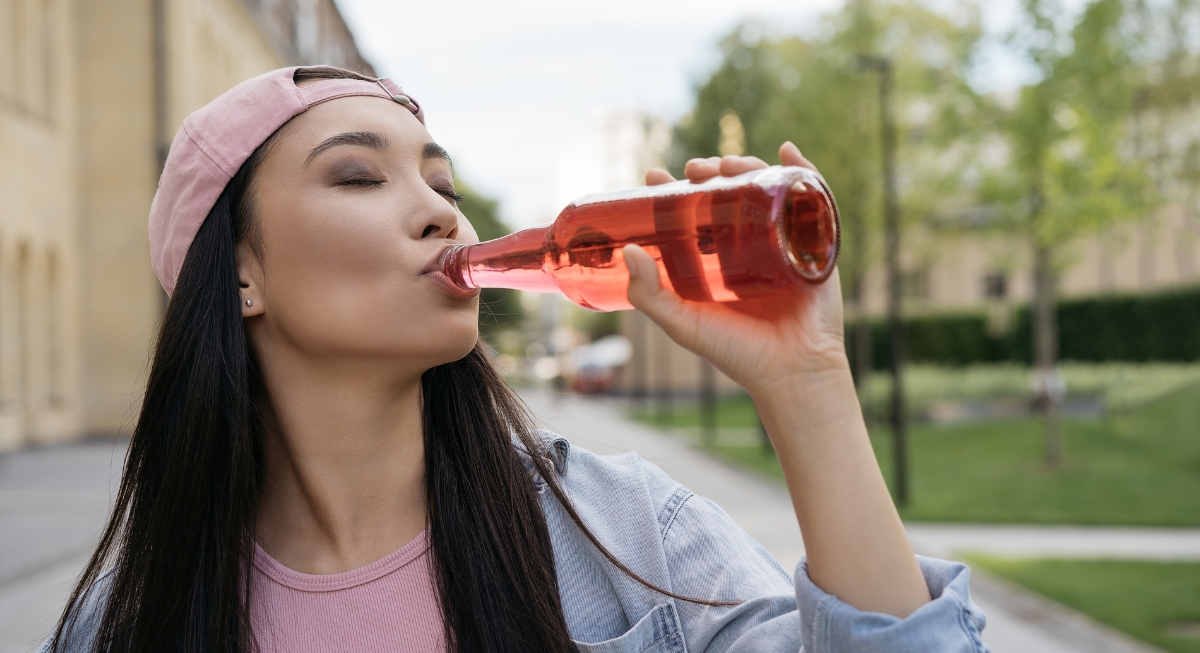
When you take a sip from the glass, the product tastes as intended. Because this material never interacts with its contents, beverages retain their intended flavor without the need for internal chemical coatings. This stability remains constant through dozens of refill cycles. Producers simply manage light exposure to keep the liquid fresh. It explains why premium brands refuse to switch.
Environmental Gains That Build Over Time
Credit: pexels
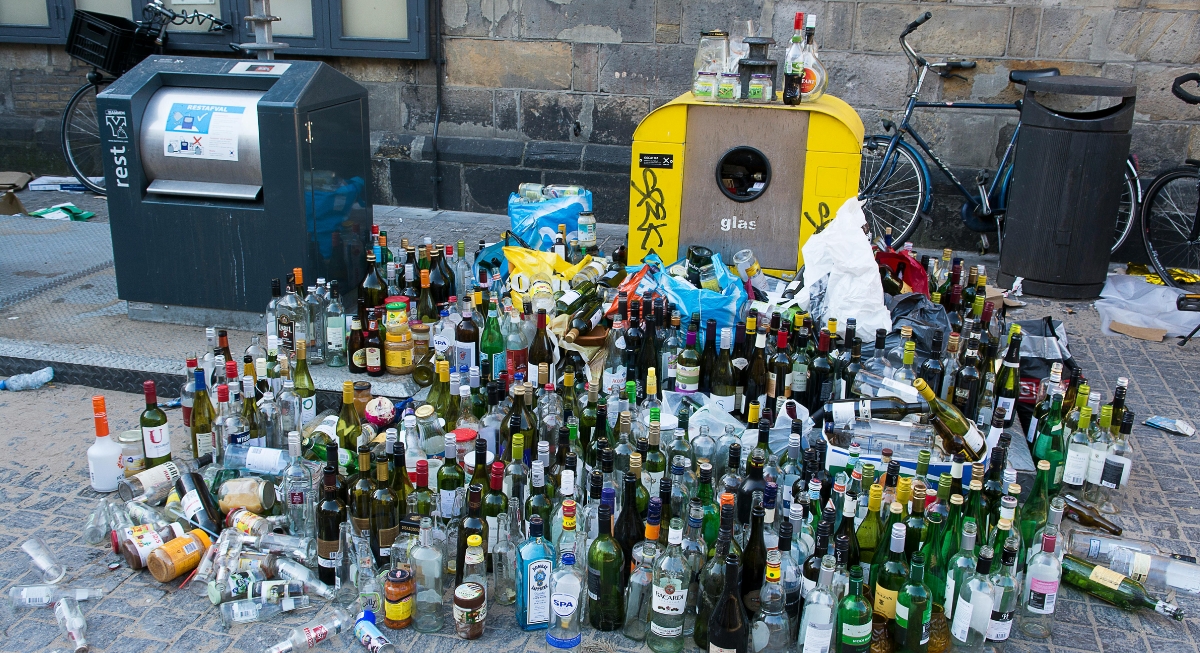
Here’s the tradeoff. Making glass takes energy, and reusing it offsets that cost, but only after enough cycles. Every refill avoids producing a new container, and the savings add up with repetition. Keep the loop short and local, and the impact drops further. Stretch that loop across long distances, and the advantage starts to shrink. The system rewards efficiency more than scale.
A Natural Fit For Regional Distribution
Credit: pexels
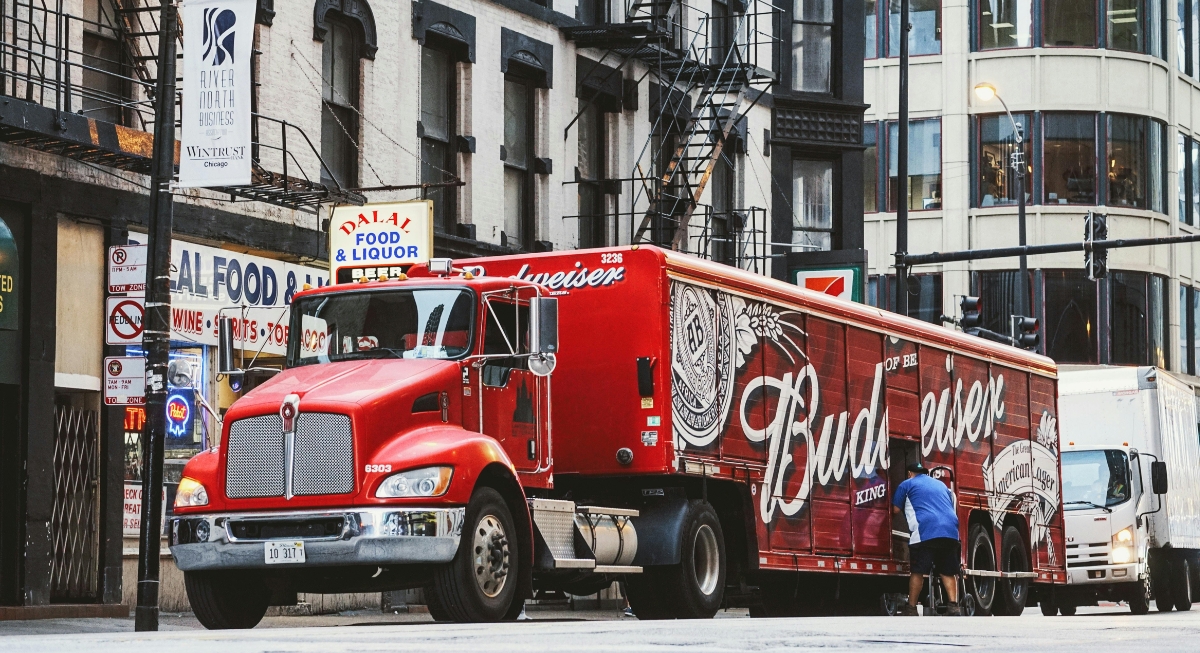
Long-distance logistics don’t fit neatly into this model. Local networks, on the other hand, keep things moving without unnecessary complexity. Smaller beverage companies can hold their ground here without needing to match national distribution footprints.
Packaging That Lasts Beyond A Single Lifecycle
Credit: pexels
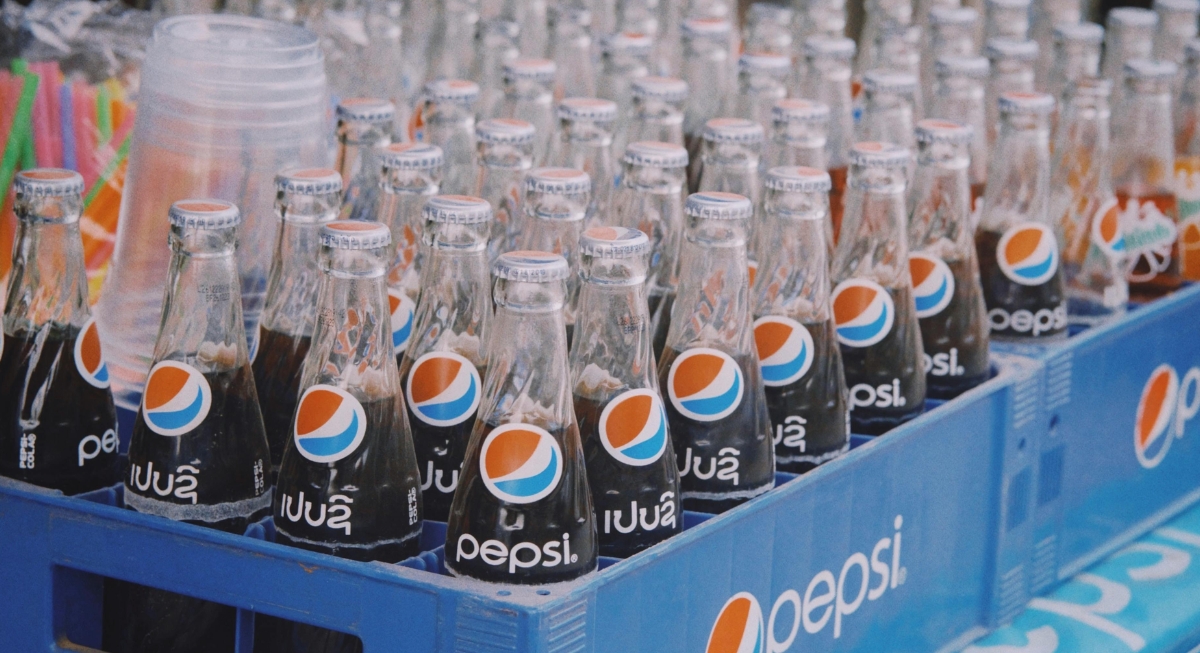
Look closely at the faint scratches and worn bases of local glass bottles. These subtle marks reveal a durable history that defies the disposable trend. This sturdy design transforms packaging into a permanent rotation. Because regular washing and inspections maintain high safety standards, each vessel survives multiple trips. These bottles eventually retire, but their long lifespan ensures they stay in the loop far longer than any single-use alternative.
Reduced Reliance On Fossil-Based Materials
Credit: Wikimedia Commons
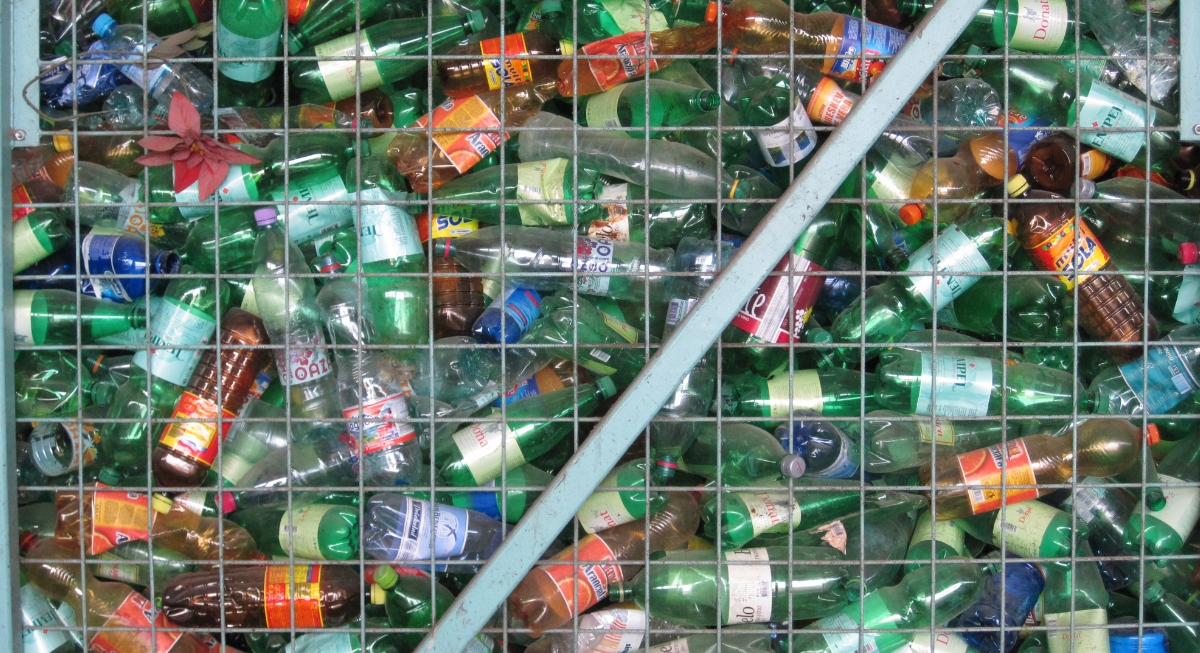
Plastic ties packaging directly to oil markets. Glass takes a different route with sand, soda ash, and limestone making up the core materials. Energy use remains a factor during production, but the raw inputs don’t come from fossil fuels. For companies trying to move away from a plastic-dependent model, this offers a practical path without rethinking the entire product from scratch.
A Distinct Brand Presence That Customers Notice
Credit: pexels
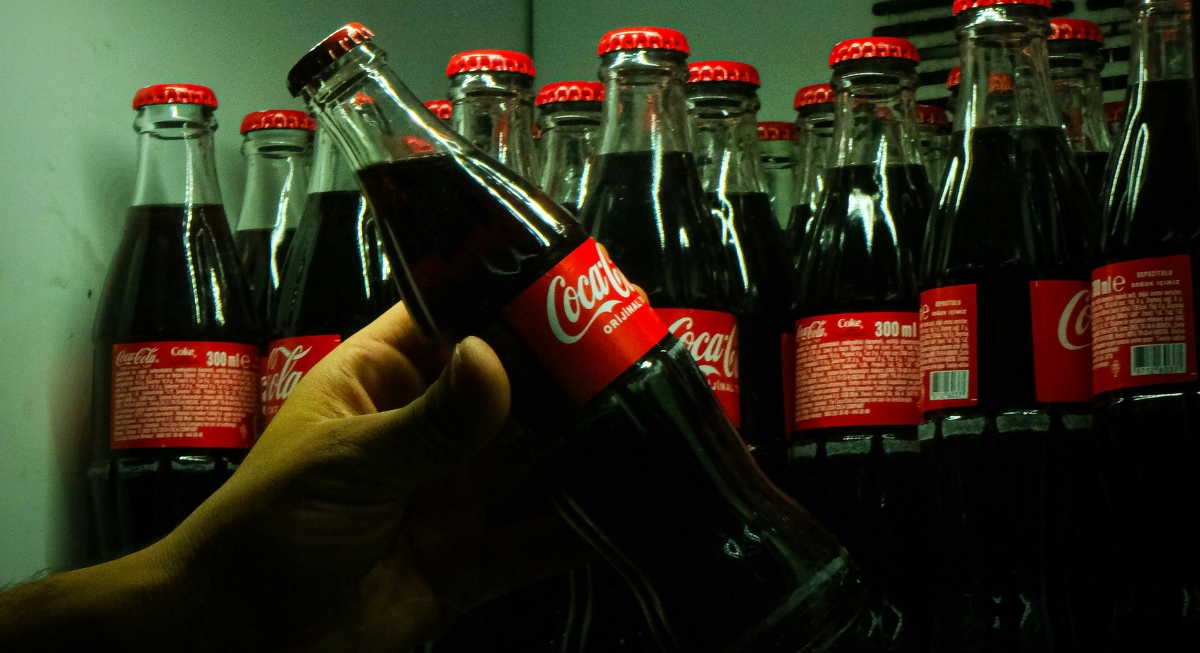
A glass bottle signals quality through its physical presence. For craft beverage makers, this sturdiness creates a lasting memory that plastic cannot replicate. The container eventually evolves into a core part of the brand identity.
Operational Stability In Uncertain Supply Chains
Credit: pexels
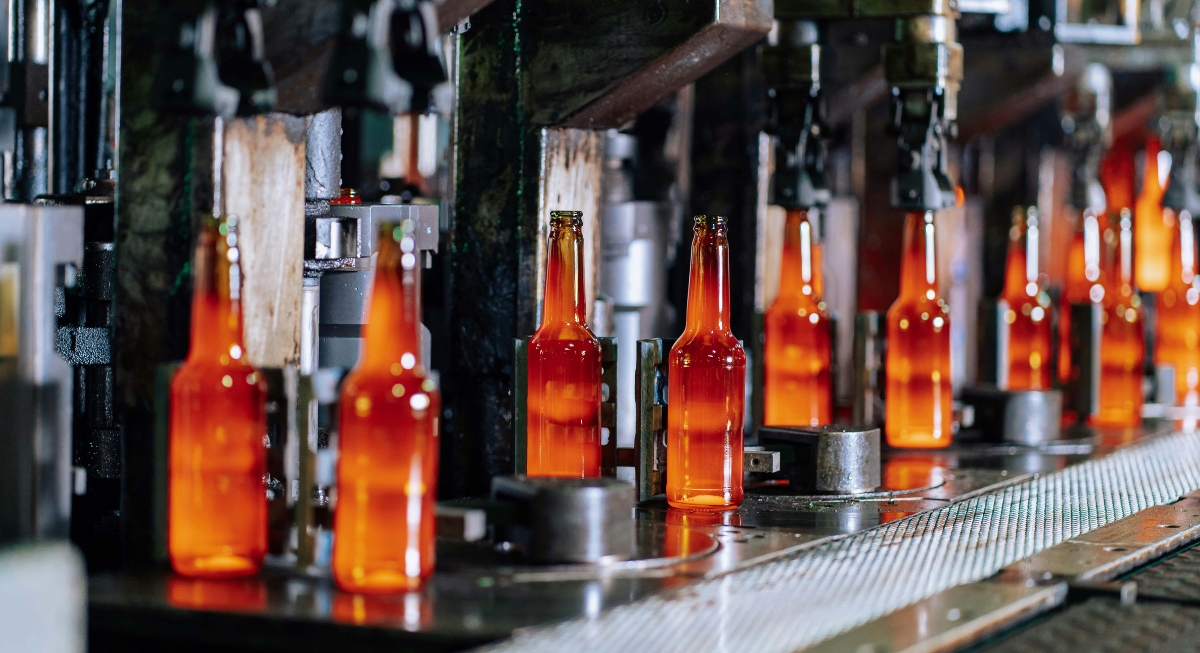
Recent disruptions exposed how quickly packaging shortages can slow production, causing systems that rely on constant new inputs to freeze up first. Circular models break that dependency. A steady flow of containers in circulation creates a protective buffer against external shocks. Logistics remain a challenge, but this approach keeps the assembly line moving while single-use alternatives wait for shipments that might never arrive.