8 “Dark Tourism” Sites in the U.S. That Are Actually Respectful
Dark tourism involves visiting places shaped by tragedy, violence, or loss. The sites that matter most center the people affected, rely on documented history, and are designed to encourage reflection rather than spectacle. Instead of dramatization, they focus on concrete details like recorded names, preserved spaces, and personal belongings that bring the past closer. These eight U.S. sites approach that responsibility with care and intention.
Manzanar National Historic Site
Credit: Getty Images
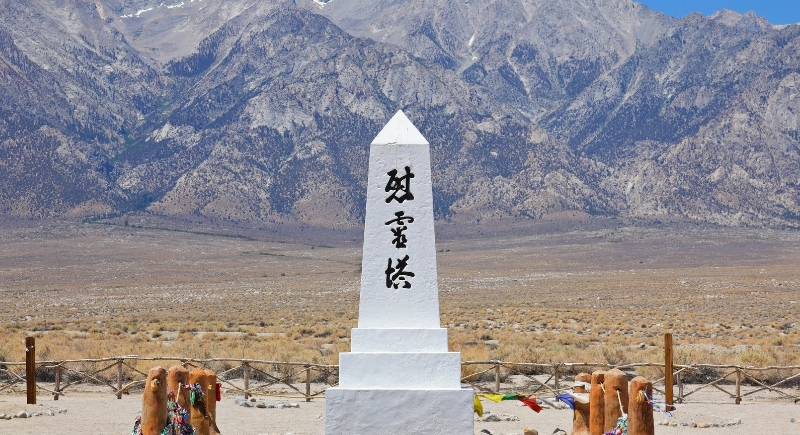
Manzanar is located in California’s Owens Valley, where Japanese American families were confined behind barbed wire during World War II. Rangers explain Executive Order 9066 through exhibits, talks, and rebuilt barracks. Diaries, school assignments, and photographs keep the focus on daily life under confinement. As you walk the open blocks today, the surrounding mountains remain constant, distant, and unmoved.
Oklahoma City National Memorial & Museum
Credit: Wikimedia Commons
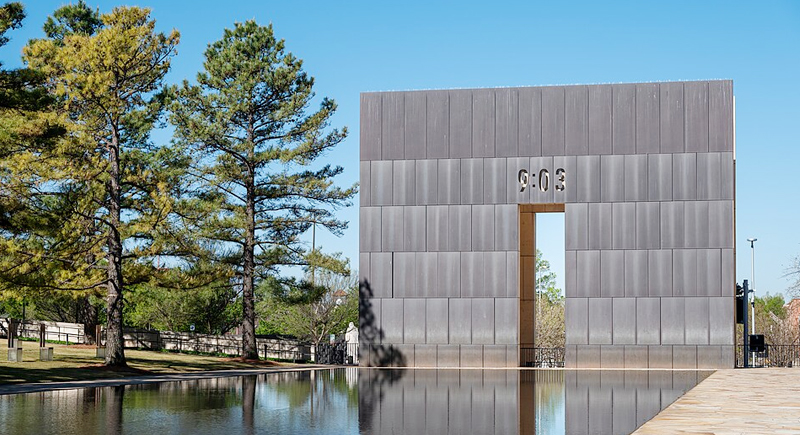
Oklahoma City’s memorial honors the 168 people killed in the April 19, 1995, bombing of the Alfred P. Murrah Federal Building. Outside, 168 empty chairs sit in rows, lit at night, with smaller chairs marking the children lost that day. Inside, the museum presents a detailed chronological account using artifacts, audio, and survivor testimony.
Alcatraz Island
Credit: pexels
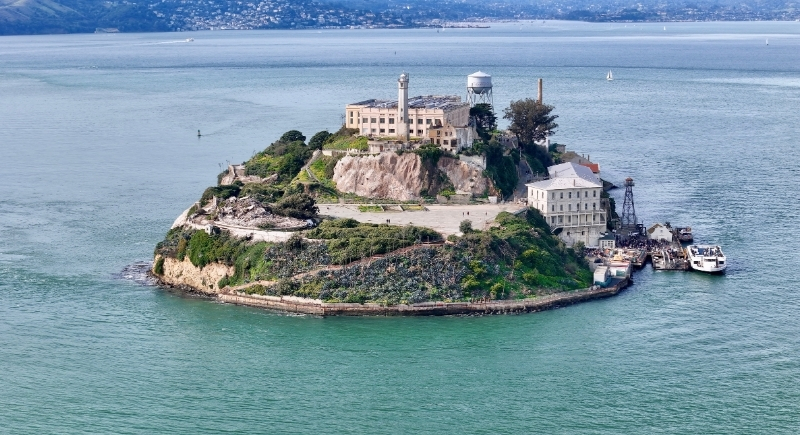
Alcatraz is often framed through escape stories and film lore, but the visit stays grounded in firsthand accounts of incarceration. The National Park Service audio tour features former guards and inmates as it guides you through cellblocks, the mess hall, and solitary confinement. Graffiti from the occupation period remains visible, marking the island’s role in Native activism. Ferry tickets sell out quickly, so planning ahead matters.
National 9/11 Memorial & Museum
Credit: Canva
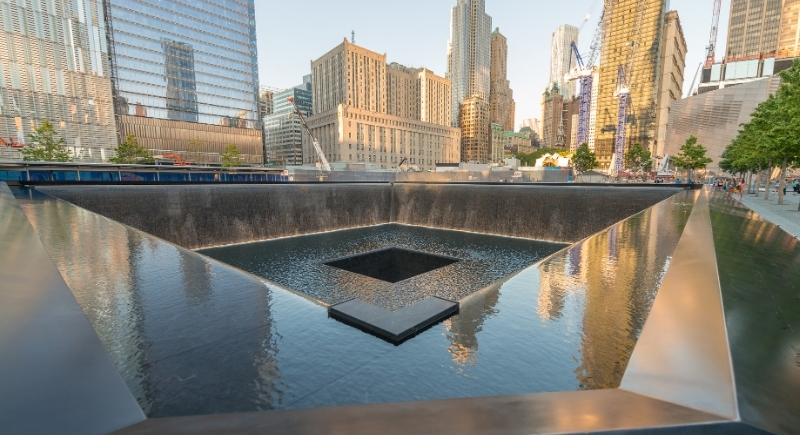
At the World Trade Center site, two memorial pools mark the footprints of the Twin Towers. Victims’ names are inscribed on bronze panels, and the plaza offers a pause amid the surrounding city. Below ground, the museum relies on recovered steel and recorded voices to tell the story without spectacle. A secured repository for unidentified remains is also housed here, reserved for families and official use.
National Civil Rights Museum

Credit: Wikimedia Commons
The National Civil Rights Museum in Memphis captures the 1968 assassination of Dr. Martin Luther King Jr. Visitors move through recreated lunch counters, Freedom Rider history, and organizing strategies that shaped modern America. Across the street, the former rooming house is included and provides historical context about where the fatal shot was fired.
U.S. Holocaust Memorial Museum
Credit: Wikimedia Commons
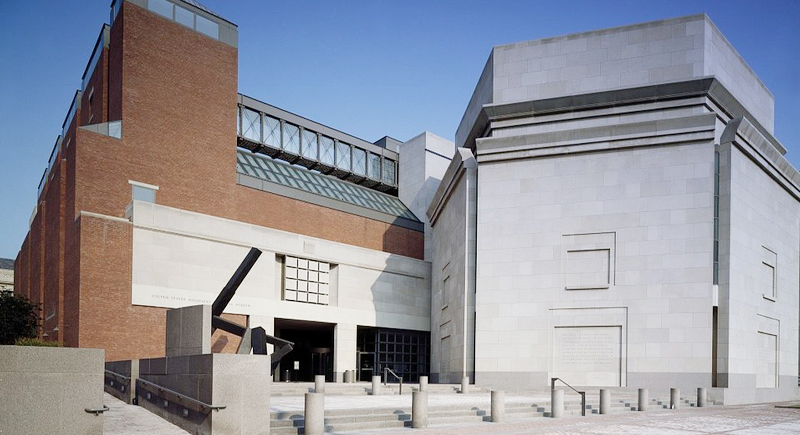
In Washington, D.C., the U.S. Holocaust Memorial Museum delivers history with precision and restraint. Exhibits trace how persecution escalated into genocide, using documents, photographs, and survivor testimony. It’s hard to forget the shoe pile and cattle-car freight exhibits. The Hall of Remembrance is a much-needed reset before rejoining the city outside. Ultimately, some visitors will ask questions, thanks to a site that doesn’t turn tragedy into a spectacle.
Gettysburg National Military Park
Credit: Getty Images
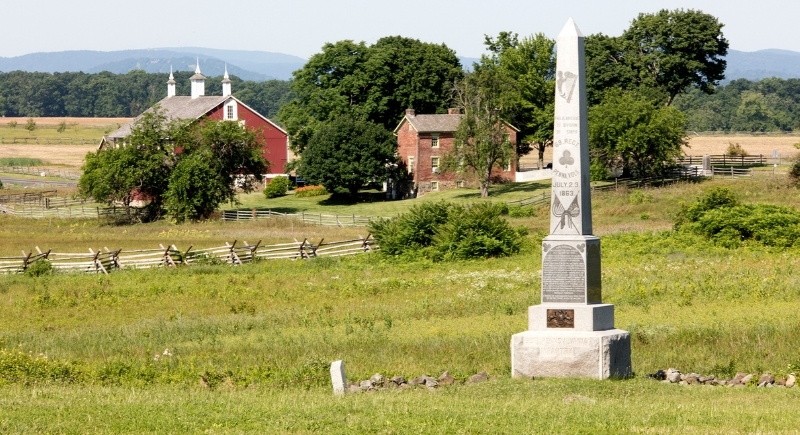
Gettysburg is not a single stop but nearly 6,000 acres tied to the July 1863 battle that reshaped the Civil War. The museum and cyclorama provide context, then the fields and ridgelines carry the weight themselves. Ranger talks cover battlefield strategy, battlefield medicine, and the scale of loss. The park is also where Abraham Lincoln delivered the Gettysburg Address while dedicating the soldiers’ cemetery.
Pearl Harbor And USS Arizona Memorial Site
Credit: Getty Images
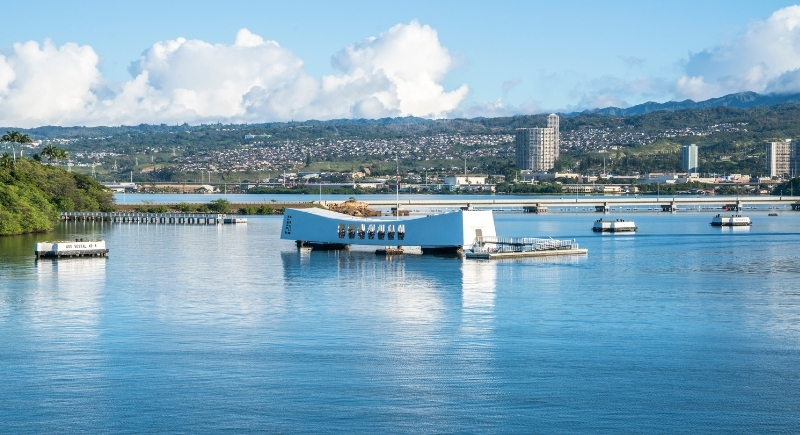
Pearl Harbor in Honolulu functions as both a historic site and a place of mourning. The USS Arizona Memorial spans the sunken battleship where more than 1,100 sailors and Marines were killed on December 7, 1941. Oil still rises slowly from the wreck, often called the ship’s “black tears.” A brief documentary and boat ride tend to shift visitors from curiosity to reflection. For most people, the tone stays solemn, and it feels appropriate.