10 Remote Maine Towns That Feel a World Away
Some parts of Maine sit far beyond the usual idea of small-town life. In these places, the nearest grocery store can be an hour away, winter dictates the calendar, and neighbors are spread out over miles. These ten towns are remote in different ways, but each one shows how people adapt when isolation is part of everyday living, not a novelty.
Topsfield
Credit: Wikimedia Commons
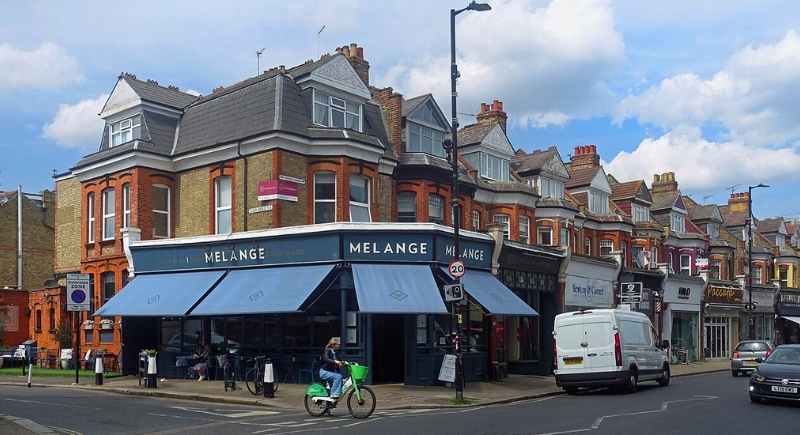
In Topsfield, the roads matter more than any single spot in town. Homes are far apart, and there isn’t a central place where everything funnels. People are used to being on the move, whether it’s toward the border, nearby lakes, or deep forest routes, and most routines involve traveling outward rather than gathering inward.
Moose River
Credit: Wikimedia Commons
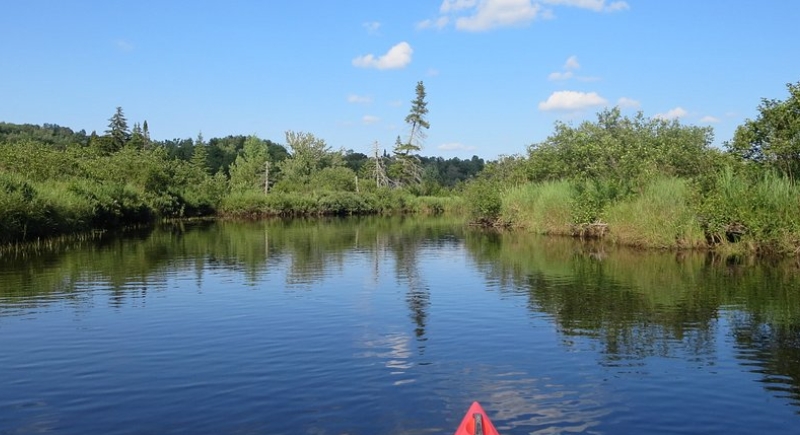
Moose River shifts with the seasons. When hunting and fishing open up, lodges fill, and guides stay booked. Once those seasons pass, the pace drops back down. Life here moves on the land’s timeline, with work and daily routines shaped more by weather and wildlife than by a regular Monday-to-Friday week.
Allagash
Credit: Wikimedia Commons
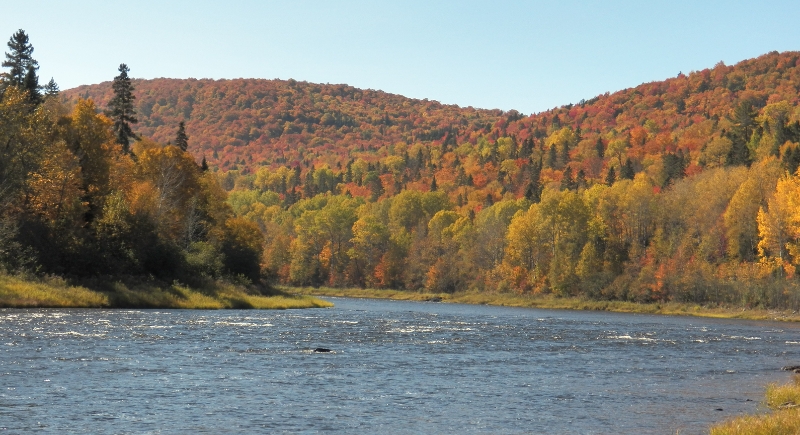
In Allagash, local decision-making is tightly linked to the wilderness corridor that runs alongside it. Much of the surrounding land falls under the Allagash Wilderness Waterway, which affects road access, construction permits, and commercial activity. The town serves as an access point for regulated river travel and outfitting, balancing municipal needs with conservation rules set well beyond town hall.
Danforth
Credit: Tripadvisor
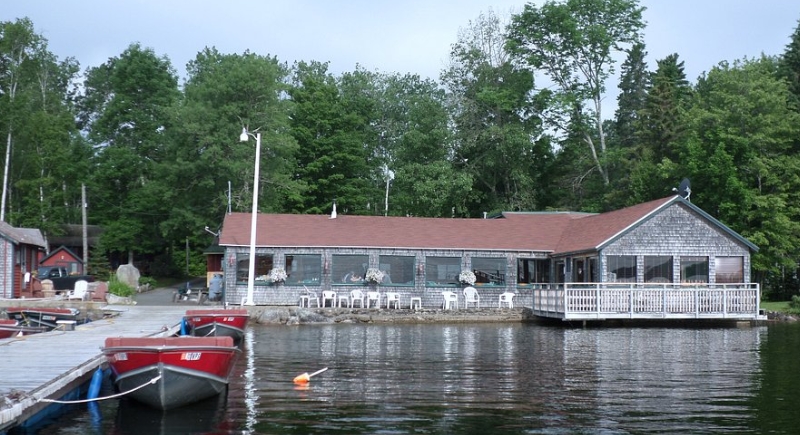
In Danforth, homes are spread along lake roads and near camps instead of clustered in neighborhoods. That layout shapes how schools, bus routes, and basic services operate across miles. With few commercial anchors, the town’s pace comes from scattered households rather than a downtown center.
Masardis
Credit: Tripadvisor
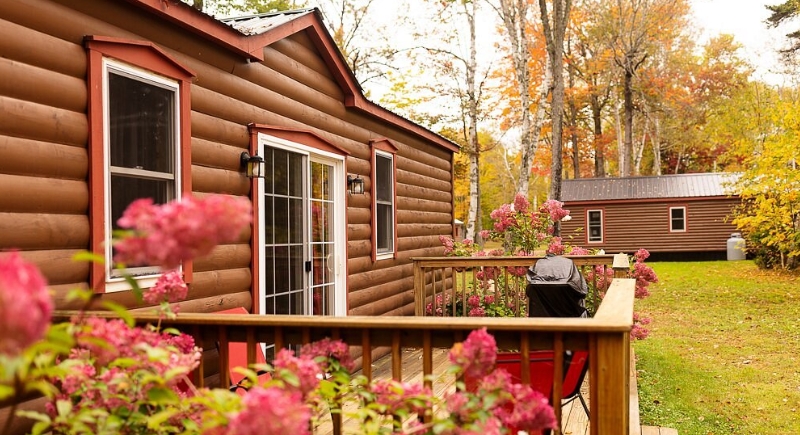
Masardis has little nearby retail or industry, so work, shopping, and appointments usually mean leaving town. Homes sit along Route 11 and smaller side roads, with forest and river land stretching between them. That spacing shapes daily routines and reinforces how spread out life feels here.
Portage Lake
Credit: Tripadvisor
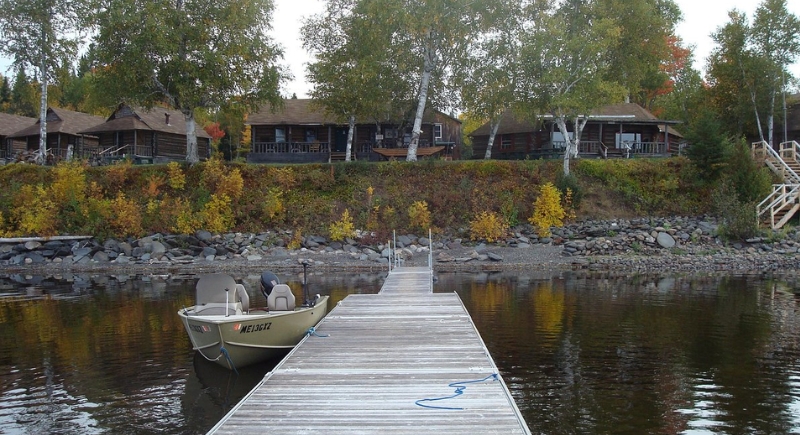
Around Portage Lake, population shifts are easy to spot just by looking at the shoreline. Camps and lodges fill up during peak seasons, while the year-round population remains small. Local businesses and services adjust to that swing, staying flexible rather than fixed to a steady, full-time demand.
Jackman
Credit: Wikimedia Commons
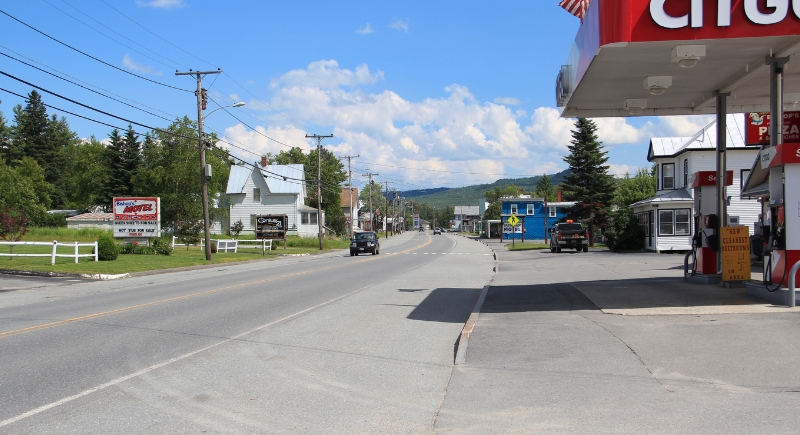
Access to basic services explains a lot about Jackman. While it has a grocery store, a clinic, and a high school, those resources serve largely people who live far beyond the town limits in the surrounding unorganized territory. Jackman functions as a hub because the region around it is so sparsely populated, reinforcing its rural role rather than diminishing it.
Eustis
Credit: Tripadvisor
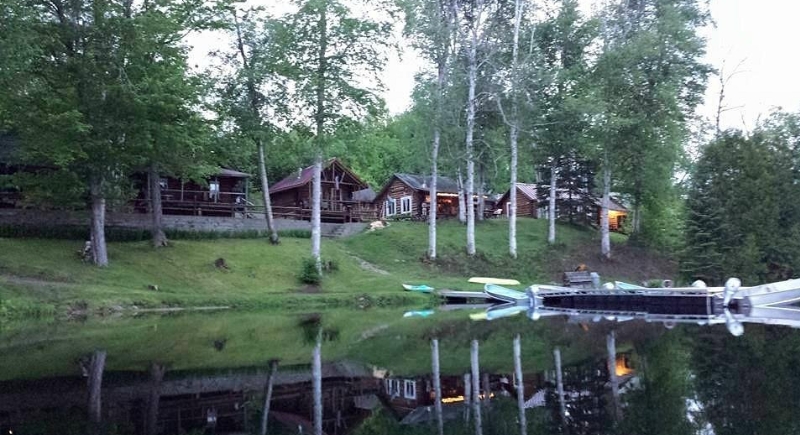
Local government in Eustis spends disproportionately more time on access and land use. Trail maintenance, shared roads, and seasonal wear on public routes dominate meeting agendas. With few year-round residents spread across a wide area, even routine upkeep requires coordination, planning, and outside support that larger towns often take for granted.
Moscow
Credit: Wikimedia Commons
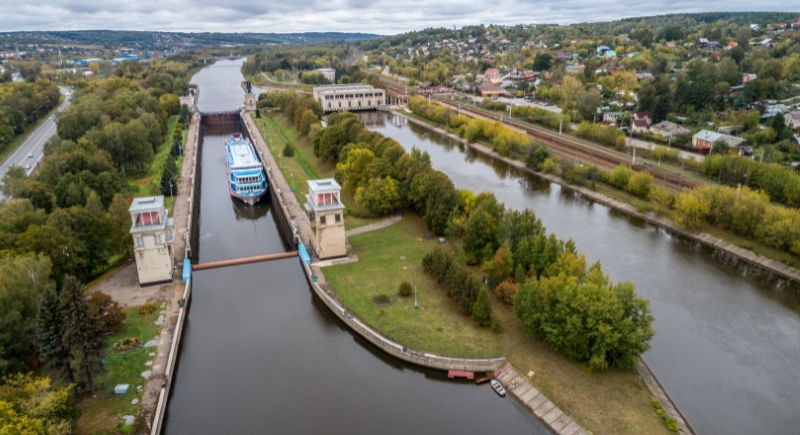
For drivers heading north, choices narrow quickly, which is why Moscow is so important. It’s one of the last places to refuel, eat, or reassess plans before long stretches with few services. The town’s daily activity reflects that steady flow, shaped by long stretches of travel and the practical needs of people moving through rural Maine.
Frenchboro
Credit: Wikimedia Commons
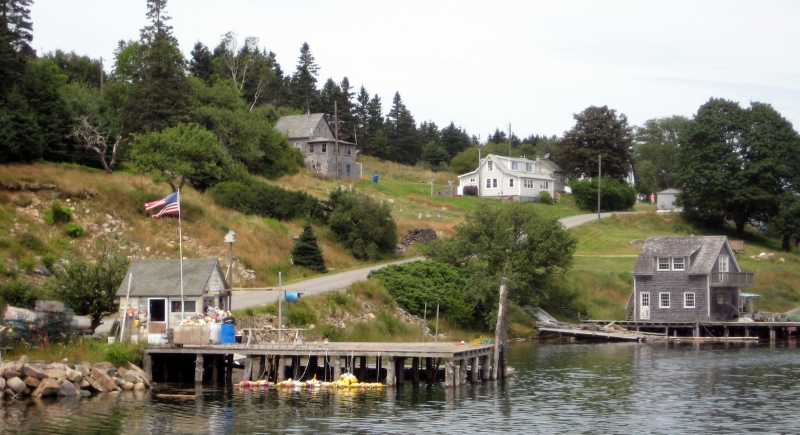
Frenchboro lies on Long Island off Hancock County and can only be reached by ferry. Groceries, fuel, mail, and building supplies all arrive on the same boat, which turns basic errands into planned events. When weather delays a trip, residents adjust without much fuss, sharing supplies and reworking plans until the next crossing.