
Three remote places where a red beam, a warm layer, and patience put you inside a migration, not just near it.
Turn your eyes into your best spotting tool
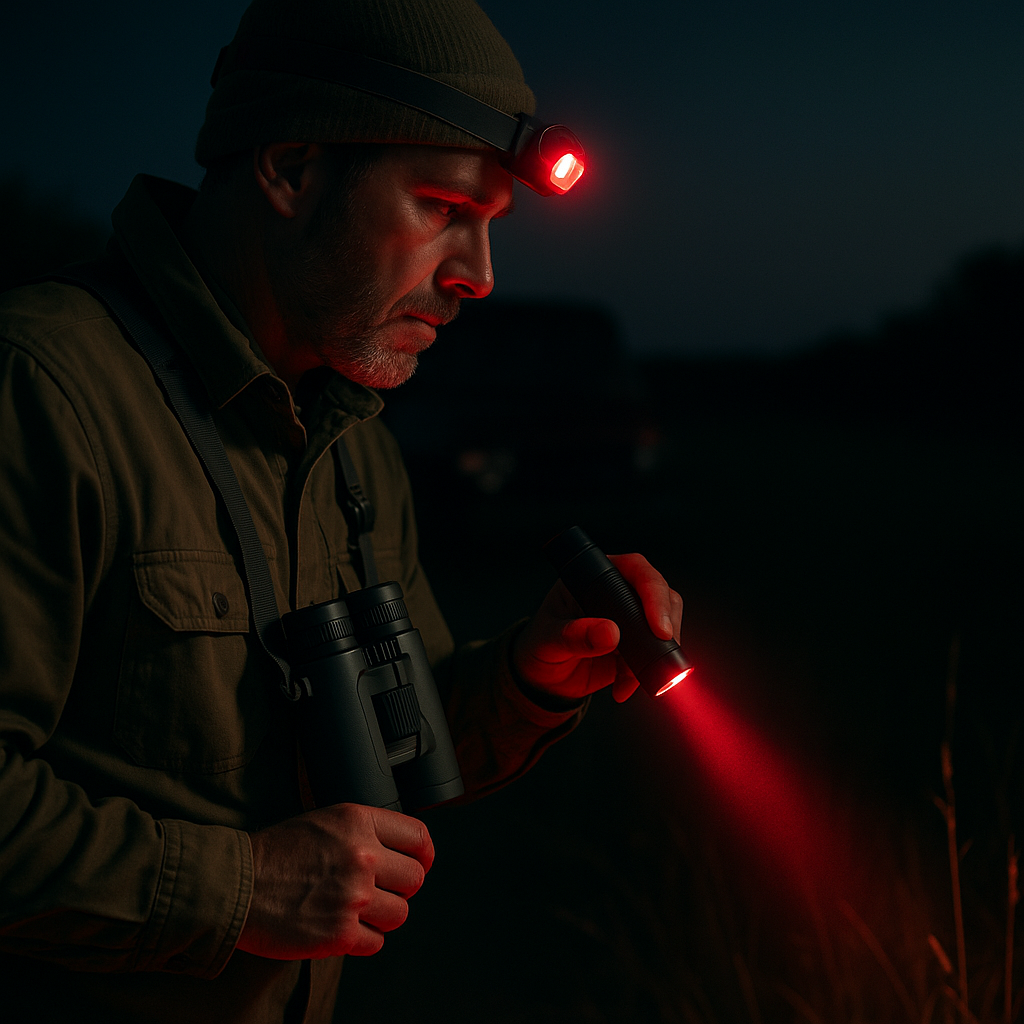
The funniest thing about night safaris is that the first hour feels like failure. You drive dirt two-tracks at 10 mph, everyone goes quiet, and all you can see is your own dust hanging in the headlight beam like a curtain. Then you make one small change and the whole night opens up: stop blasting white light at anything that moves. I keep a headlamp with a red mode clipped to the strap of my binocular harness, not in my pocket. If I have to dig for it, I use the phone flashlight out of impatience, and that one flash can turn a good patch of eye-shine into a blank, empty scene.
Here is the routine I use when I'm chasing nocturnal migration moments (bats, moths, shorebirds shifting between feeding spots, even big herds moving under a moon): park, kill the engine, and let your eyes settle for a full five minutes. Not scrolling. Not chatting. Just staring at the edge of the beam until the dark stops looking like a wall. Then I scan with the red light low, like I'm painting the ground a foot at a time, and I save any brighter light for the last possible second. You start catching the little tells: a line of wings flickering against a brighter strip of sky, the soft tick-tick of insects on your jacket, the way a moving animal makes the grass look like it's breathing.
If I'm with a guide, I ask one specific question that keeps us honest: are we looking for silhouettes, sound, or reflection tonight? Each one asks for different behavior. Silhouettes want you positioned with open sky behind the movement. Sound means you don't slam doors or run the heater fan. Reflection (eye-shine) means you keep your sweep slow and steady, because the glint is tiny and it disappears if you whip the beam around. When it clicks, it feels less like spotting and more like noticing. The migration becomes a night shift you get to witness, not a checklist you miss.
Salt flats at midnight: the invisible highway overhead
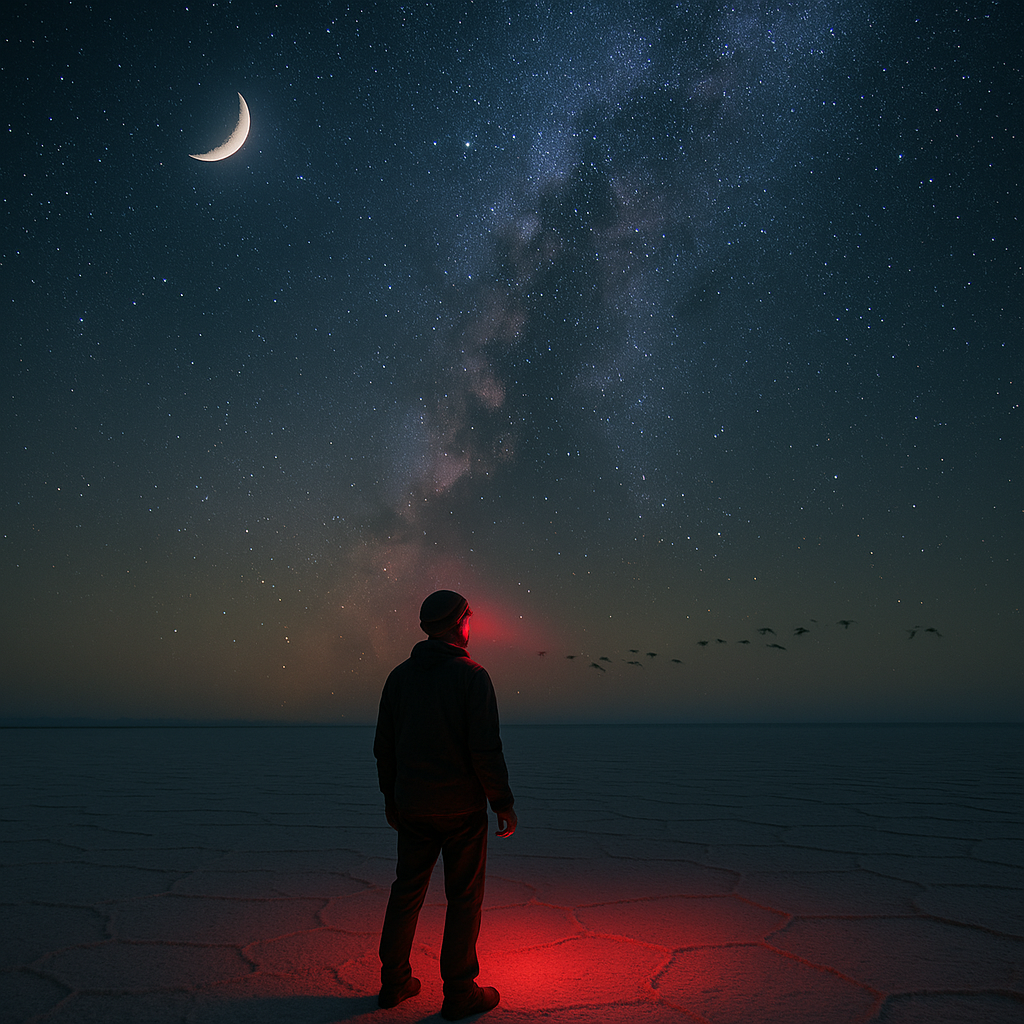
I learned the value of a salt flat at night by accident, not wisdom. We were camped on the edge of a desert refuge after a long day of driving, and I walked out just to stretch my legs. No trees, no rocks, no real horizon line, just pale ground and a sky that looked too close. Within ten minutes, I realized why people who work migration routes love this kind of landscape: you can see movement in the air because there is nothing competing with it. A marsh at night is alive, but it's visually busy. A salt pan is empty enough that the smallest thing feels like a signal.
For a night safari vibe without the circus, I aim for the shoulder season on big flats and basins that sit under flyways, and I plan around the moon. Full moon gives you silhouettes, new moon gives you sound and stars, and a half-moon is the sweet spot where you can still read the ground without feeling like you're on a lit stage. I bring a small foam sit pad (the $15 kind hikers use), because standing still in crusty salt or cold mud turns your feet numb fast, and once you're uncomfortable you start moving and you miss the steady flow overhead.
What you watch for is not one dramatic flock. It's traffic patterns. You notice pulses, like a ten-minute burst of wings, then a lull, then another. Shorebirds will trade roosts and feeding edges in a way that looks random until you sit long enough to see the rhythm. If you're near water, you can sometimes hear the thin, high contact calls before you see anything at all, and the calls change as the group drops lower. A decent pair of binoculars is still useful at night if the moon is doing you favors, but don't expect crisp field marks. You're there for the experience of scale: the sense that a remote, flat place is a corridor, and you're sitting on the shoulder of it.
Two practical notes from doing it wrong: bring a wind layer even if the day was hot, and keep your snacks sealed. Salt flats are magnets for nocturnal insects, and once they find your headlamp beam they bounce off your face like hail. Red light cuts that down a lot, and it keeps you from turning the whole scene into a bug rave. When the migration is on, you'll go back to camp smelling like dust and brine, and you'll still feel like you got away with something.
Where the moths go, everything else shows up (sometimes)
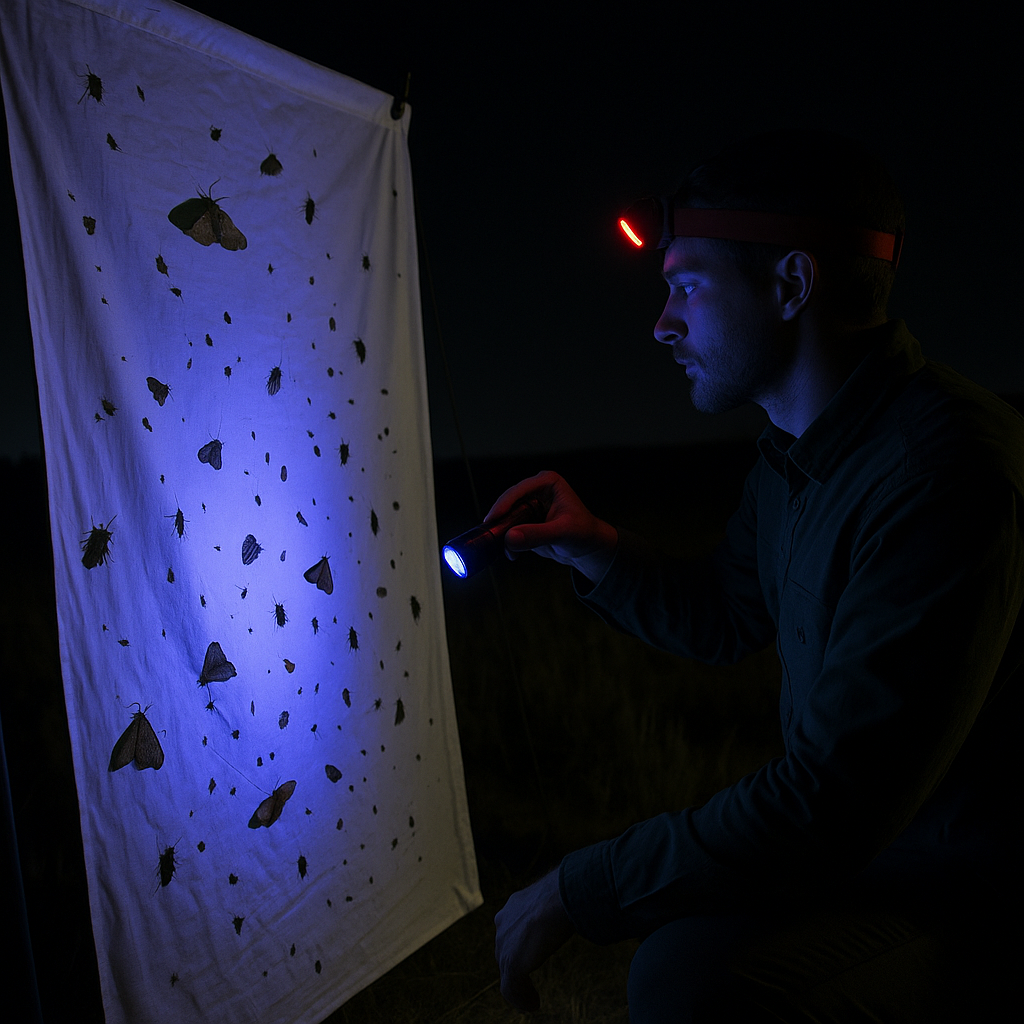
I don't love the version of night viewing where everyone stands around a spotlight like it's a campfire. If I'm traveling for nocturnal movement, I'd rather set up one small, contained thing and let the night come to it. The most reliable tool I've used is a basic moth sheet, which sounds nerdy until you try it in a remote landscape and realize you're building a menu board for the food web. You don't need lab gear. A light-colored sheet, two clips, and a small UV flashlight will do it. I hang the sheet from the open hatch of the vehicle or between two trekking poles, then I aim the UV light across the fabric, not straight out into the dark.
Within a few minutes, the first customers arrive: tiny beetles, lacewings, moths that look like drifting bark, and the occasional creature that makes you step back because you weren't expecting something that big to fly. The sound is specific. You hear soft taps, like popcorn kernels hitting a bowl, and you start seeing wings as textures instead of shapes. This is where the migration angle sneaks in. On nights when insects are moving hard, you often get bonus guests that are following them. Bats flicker at the edge of the light cone. Nighthawks or other insect-eating birds will sometimes slice through higher up, and you'll catch the wingbeats as a stutter against the sky. I once watched a small owl ghost in, sit on a nearby post, and stare at my sheet like I'd set up a vending machine.
There are boundaries I stick to because it's easy to get sloppy with artificial light. I keep the UV low-power and localized, and I don't run it near nesting areas or where I can see birds roosting. If the area has posted guidance about lighting (many refuges do), I follow it. A home setup doesn't make light impacts disappear, it just keeps you honest about where your beam is going.
The payoff is that you stop feeling like you're searching. You're waiting. You notice wind shifts because they change what lands on the sheet. You notice temperature drops because the insect variety changes. And if nothing shows up, that tells you something too. I've packed it up after 20 minutes on cold, still nights and called it, because the night was saying no. That's part of the deal when you're traveling for migrations that don't run on your schedule.